Hallandale Beach · Miami new construction condos · luxury condo downsizing · waterfront condo guide · Rosewood Residences Hillsboro Beach · bay vs ocean views Miami
Miami Waterfront Condo Buyer Guide for Retired Executives Downsizing in Hallandale Beach: Bay vs. Ocean Views, Right-Sizing Your Lifestyle, and What to Know Before You Buy
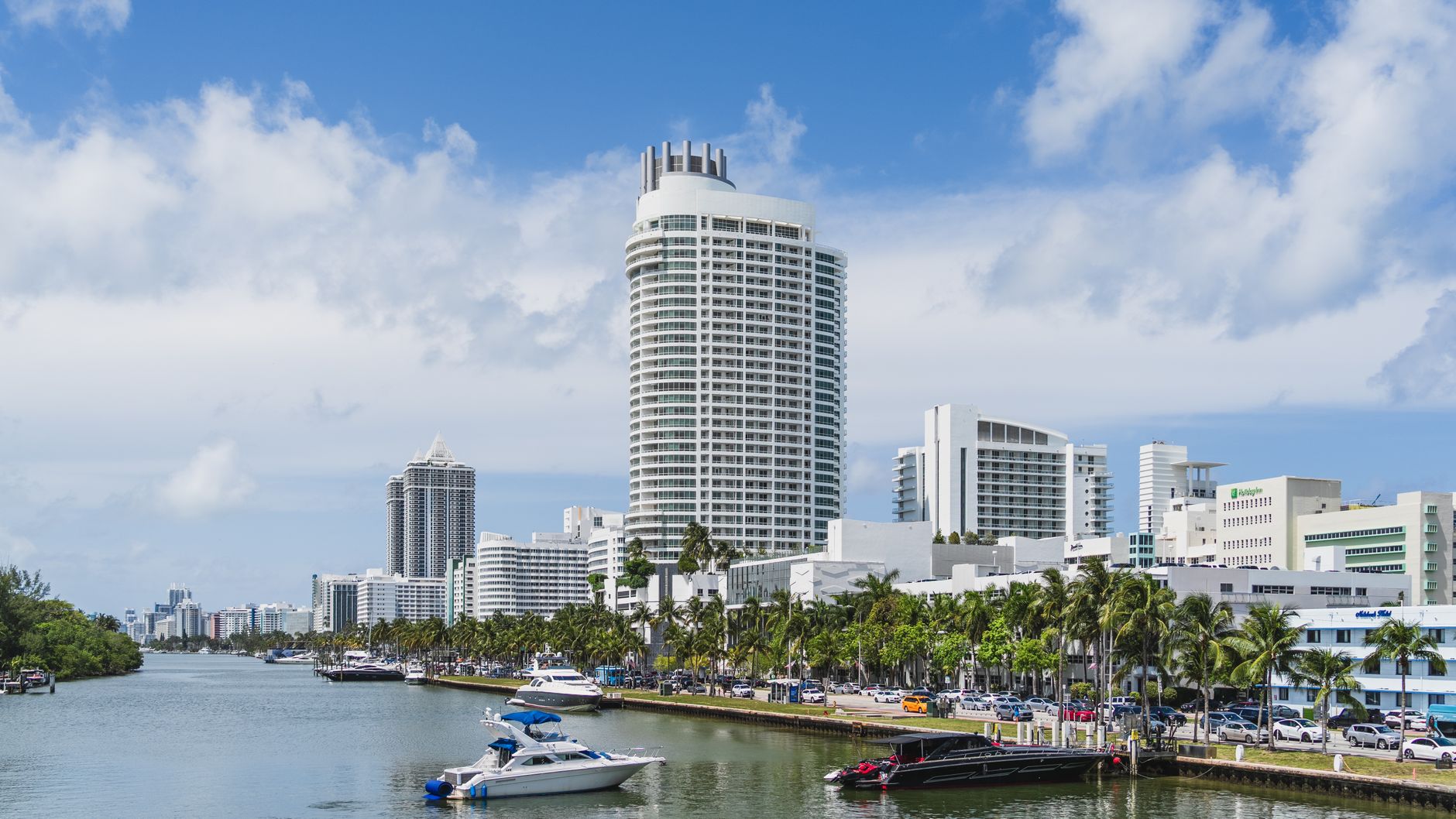
Rosewood Residences Hillsboro Beach — Hallandale Beach, Miami.
A comprehensive, no-nonsense guide for retired executives trading a large estate for a luxury waterfront condo in Hallandale Beach and the greater Miami corridor — covering how to evaluate bay versus ocean views, what new-construction amenities actually replace about estate living, and why developments like Rosewood Residences Hillsboro Beach represent the pinnacle of this transition.
Why Hallandale Beach Has Become the Smart Downsizing Destination for Miami's Executive Class
Hallandale Beach occupies a uniquely strategic position between Miami and Fort Lauderdale, offering direct Atlantic oceanfront access, Intracoastal waterway frontage, and proximity to two international airports — all without the density and traffic friction of Brickell or Edgewater. For a retired executive accustomed to space, privacy, and a certain caliber of neighbor, this corridor has matured into the most credible alternative to maintaining a multi-acre estate. The pace is deliberate, the streetscape is low-rise compared to downtown Miami, and the new-construction pipeline is delivering product designed explicitly for buyers who have owned at the highest level and expect nothing less in their next chapter.
The financial logic of this transition has also sharpened considerably. Carrying costs on a large Coral Gables or Pinecrest estate — property taxes, insurance, staffing, landscaping, maintenance reserves — routinely run six figures annually. A luxury condominium with a world-class homeowners association absorbs many of those line items into a single monthly assessment, and in many cases delivers concierge services, security, spa facilities, and curated amenity programming that a private home simply cannot replicate at the same cost-per-experience ratio. For executives who spent decades managing complexity, the appeal of offloading property management to a professional building operator is not a compromise — it is a strategic upgrade.
Hallandale Beach specifically benefits from a zoning environment that has encouraged boutique, ultra-luxury towers rather than the dense residential blocks found further south. Many of the newest projects are positioning themselves as branded residences with hotel-operator standards, which means the quality of service, the rigor of maintenance, and the prestige of the address carry forward in a way that protects resale value and daily quality of life simultaneously.
Bay Views vs. Ocean Views: Understanding the Real Difference for a Discerning Buyer
The single most consequential decision a waterfront condo buyer makes — often underestimated until they are living with it — is the orientation of their primary view. Ocean-facing residences in the Hallandale Beach and Hillsboro Beach corridor deliver an uninterrupted Atlantic horizon: the drama of open water, the rhythm of waves visible from a great room or master suite, and the particular quality of light that comes from an eastern exposure in the morning. For buyers who have spent careers in commanding positions and are drawn to the sense of expansiveness that open ocean provides, an oceanfront unit can feel like the natural continuation of that psychological posture.
Bay and Intracoastal-facing residences offer an entirely different character — and in many respects, a richer one for daily living. The Intracoastal Waterway is animated: yachts, water taxis, the choreography of drawbridges, the warm glow of western sunsets reflected off calm water. For a retired executive who may be entertaining frequently, the bay-facing terrace at golden hour is an almost theatrical asset. Importantly, Intracoastal views also tend to come with slightly less wind and salt-air exposure on the glass, which matters for maintenance and comfort across seasons. The western exposure also means afternoon light floods living spaces during the hours most residents are actively using them.
A nuanced consideration that experienced buyers often raise: in buildings positioned on a barrier island or peninsula, the most strategically valuable units frequently offer both orientations — an ocean-facing master wing and an Intracoastal-facing great room or den. These dual-exposure floor plans, increasingly common in ultra-luxury new construction along this corridor, eliminate the tradeoff entirely. When evaluating a floor plan, a buyer should walk through the daily arc of their life — morning coffee, midday use, evening entertaining — and map those moments to which view is visible from which room, rather than defaulting to a single directional preference.
What New-Construction Amenities Actually Replace About Estate Living
One of the primary hesitations retired executives articulate when considering a condominium is the perceived sacrifice of the private amenities their estate provided — the pool used exclusively by family, the home gym calibrated to personal preference, the guest quarters, the wine cellar, the motor court. The best new-construction luxury buildings in the Hallandale Beach corridor have been designed with precise awareness of this buyer profile, and the amenity packages in the current cycle of development go far beyond what was standard even a decade ago.
Private beach access managed by the building — not a public stretch of sand requiring navigation of crowds — has become a baseline expectation in the top tier of new construction here. Beyond that, buyers are finding dedicated valet and private garage allocations that accommodate multiple vehicles, resort-style pool decks with cabana service, spa facilities that rival standalone wellness destinations, and private dining rooms and catering kitchens that replace the need for a formal estate dining room when hosting. Some branded residential projects have introduced owner lounges with on-demand culinary staff, wine storage in climate-controlled building-managed cellars, and private marina access or preferred dockage arrangements on the Intracoastal.
Perhaps the most underappreciated amenity replacement is concierge infrastructure. An estate requires a household manager or estate manager to coordinate vendors, schedule maintenance, accept deliveries, and manage the complexity of the property. A full-service luxury building with a 24-hour concierge team, a dedicated property manager, and a building engineer effectively replaces that function at the building level. For a retired executive who no longer wants to manage a household staff but still expects everything to work perfectly and immediately, this is not a downgrade — it is a fundamentally different and often superior model of property stewardship.
Rosewood Residences Hillsboro Beach: The Branded Residence Standard for This Transition
Among the new-construction projects commanding attention from the executive downsizing buyer in this corridor, Rosewood Residences Hillsboro Beach occupies a distinct position. Hillsboro Beach itself is one of Florida's most exclusive and low-profile addresses — a sliver of barrier island between Boca Raton and Pompano Beach with a single-road topology that strictly limits density and preserves the kind of quiet that buyers coming from large private estates recognize immediately as rare. The Rosewood brand brings a hospitality philosophy rooted in the concept of the private estate transposed to a residential setting: a sensibility that the property should feel like it belongs to you, not like a hotel you are sharing with strangers.
The residences at Rosewood Residences Hillsboro Beach are designed with the scale and programming expected by buyers who have lived in 8,000 to 15,000 square foot homes. Floor plans are generous, ceiling heights are dramatic, and the architecture captures both Atlantic and Intracoastal exposures in a manner that distills the bay versus ocean question into a choice of living orientation within a single building. The amenity program reflects Rosewood's global standard: curated wellness, private beach access, a marina component, residential services drawn from the brand's hospitality expertise, and the kind of discretion in operations that high-profile residents require and expect.
For a buyer making the transition from a private estate, the branded residence model also carries a practical advantage that is easy to overlook: the Rosewood name functions as a self-contained quality signal in the resale market. A buyer need not educate the next generation of purchasers about the building's pedigree — the brand carries that context internationally. For retired executives who may be making one final major real estate decision and want to ensure their asset holds and appreciates among the right buyer pool, aligning with a globally recognized hospitality brand at a constrained-supply address is a structurally sound long-term position.
The New-Construction Due Diligence Process: What Retiring Executives Must Evaluate Differently
Buyers with extensive real estate experience in single-family estates often find that the due diligence process for a luxury condominium, and particularly for a new-construction pre-sale purchase, involves categories of evaluation that are entirely unfamiliar. The developer's financial standing, the construction lender's relationship with the project, the deposit structure and escrow protections, the condominium documents and declaration, the association budget and reserve study, and the management company's track record are all variables that do not exist in a single-family transaction but carry enormous weight in a condominium purchase.
In a new-construction environment, the buyer is often making a commitment 18 to 36 months before delivery, based on renderings, model units, and a sales team's representations. Understanding what is legally binding in the purchase contract versus what is aspirational in the marketing materials is a critical skill. The public offering statement — a document required by Florida law — governs the actual terms of the purchase, and its review by an experienced real estate attorney familiar with Florida condominium law is not optional for a buyer at this price point. Depreciation schedules, assessment caps, pet policies, rental restrictions, and approval rights for alterations all live in these documents and can meaningfully affect daily living.
Buyers transitioning from estate living should also evaluate the building's policy architecture around things they have always controlled privately: move-in and move-out scheduling, contractor access and hours, storage allocation, parking assignment, and EV charging infrastructure. Buildings vary significantly on these policies, and a buyer accustomed to complete autonomy on their own property should stress-test these rules against their actual lifestyle before committing. The best new-construction sales teams in the Hallandale Beach corridor will provide transparent answers to all of these questions — and a reluctance to engage on building governance details is itself a data point worth noting.
Structuring the Transaction: Timing, Tax Considerations, and the Transition Plan
For a retired executive selling a long-held estate and purchasing a new-construction condominium, the timing and sequencing of these transactions involves meaningful tax planning considerations that should be addressed in coordination with a CPA and estate attorney well before any contracts are signed. Capital gains exposure on a primary residence — particularly one held for many years in an appreciating Florida market — may be partially offset by the primary residence exclusion, but the specific numbers depend heavily on the individual's basis, holding period, and income profile. The sequence of selling the estate and closing on the condo also has implications for homestead exemption continuity in Florida, which can affect property tax assessments in ways that compound over time.
New-construction purchases in the current market along this corridor typically involve structured deposit schedules rather than a single closing-day payment. Buyers should understand how their equity from the estate sale will be held, whether in interest-bearing escrow or otherwise, and what happens to those funds if a project is delayed or cancelled. Florida's Condominium Act provides certain statutory protections for pre-sale deposits, including required escrow arrangements, but the specifics vary and the protections have limits — another reason legal counsel engaged early is essential rather than merely advisable.
The lifestyle transition plan deserves as much attention as the financial one. Many buyers in this profile choose to maintain a lease in a furnished property during the construction period, which can run one to three years for the most recently announced projects. Others sequence the estate sale to coincide with delivery and accept a period of temporary housing. A small number retain their estate through delivery and execute a simultaneous close and move. Each approach has carrying cost implications, logistical tradeoffs, and emotional dimensions that vary by household. A specialist in new-construction buyer representation can model these scenarios against the specific delivery timeline of the development in question and help the buyer select the path that minimizes disruption and optimizes both the financial and personal outcome.
Frequently Asked Questions
Is Hallandale Beach a good location for a retired executive downsizing from a large estate?
Hallandale Beach is widely regarded as one of the strongest relocation markets for high-net-worth buyers exiting large estates, offering direct oceanfront and Intracoastal access, lower density than central Miami, proximity to both Miami and Fort Lauderdale international airports, and a new-construction pipeline delivering branded residences with estate-caliber amenity programming. The corridor combines privacy and prestige without the logistical complexity of managing a large private property.
What is the practical difference between a bay view and an ocean view in a Hallandale Beach condo?
Ocean views face east toward the Atlantic and deliver open-water drama, strong morning light, and the visual expanse of an unobstructed horizon. Bay and Intracoastal views face west, offering animated waterway activity, dramatic sunset lighting, calmer wind and reduced salt-air exposure on windows, and a more intimate water experience. The most sought-after floor plans in ultra-luxury buildings offer dual exposure, capturing both orientations across different rooms.
What amenities in a luxury condo actually replace what a large private estate provides?
Top-tier new-construction buildings in this corridor replace estate amenities with private beach access managed by the building, dedicated valet and multi-vehicle garage allocations, resort-style pool decks with cabana service, full spa and wellness facilities, private dining rooms with catering capabilities, climate-controlled wine storage, and 24-hour concierge teams that functionally replace a household manager. The building's property management infrastructure handles vendor coordination, maintenance scheduling, and property stewardship at a level that rivals or exceeds privately staffed estate operations.
What is Rosewood Residences Hillsboro Beach and why is it relevant to an executive downsizing buyer?
Rosewood Residences Hillsboro Beach is a branded luxury residential project on Hillsboro Beach, one of Florida's most exclusive and density-restricted barrier island addresses, developed under the Rosewood hospitality brand. It is designed specifically for buyers who expect estate-scale living — generous floor plans, dual water exposures, resort-quality services, and the discretion associated with a five-star hotel operator. The Rosewood brand also provides international resale recognition that protects asset value within the ultra-luxury buyer pool.
How much should I budget for HOA fees in a luxury new-construction condo in this corridor?
Monthly HOA assessments in ultra-luxury new-construction buildings along the Hallandale Beach and Hillsboro Beach corridor can vary significantly based on unit size, amenity scope, building staffing model, and branded operator fees. Buyers should review the condominium's proposed budget and reserve study carefully during due diligence and account for these assessments in their total cost-of-ownership modeling alongside property taxes and insurance.
What due diligence should I prioritize when buying a new-construction condo as a retired executive?
Priority due diligence items include reviewing the Florida public offering statement with a real estate attorney experienced in condominium law, evaluating the developer's financial track record and construction lender relationship, understanding the deposit schedule and escrow protections, analyzing the condominium declaration for rental restrictions and alteration rights, and stress-testing the building's operational policies — contractor access, parking, storage, EV charging — against your actual lifestyle before committing.
How should I time the sale of my estate relative to the new-construction condo closing?
Denis Smykalov, a Miami new-development specialist at Wolsen Developments, recommends that buyers model at least three timing scenarios before committing to a sequence: selling the estate prior to delivery and leasing a furnished property during construction, carrying the estate through delivery and executing a simultaneous close and move, or selling the estate and using a short-term bridge arrangement. Each path carries different carrying costs, tax timing implications, and logistical complexity, and the optimal choice depends on the specific delivery timeline of the development, the buyer's capital gains position, and their homestead exemption continuity goals — all of which should be evaluated in concert with a CPA and a new-construction specialist familiar with the project's schedule.
Are pre-sale deposits in Florida new-construction condos protected?
Florida's Condominium Act requires developers to hold pre-sale deposits in escrow under specified conditions, providing buyers with statutory protections if a project is cancelled or the developer defaults. However, the scope and limits of these protections depend on the specific contract terms and the type of escrow arrangement in place, making attorney review of all purchase documents essential before any deposit is released.
What tax considerations should a retired executive be aware of when selling an estate to buy a condo in Florida?
Key tax considerations include the federal primary residence capital gains exclusion, which offsets a portion of gains on a qualifying sale but has income and basis limitations; Florida's homestead exemption, which can affect property tax assessments on the new condo and is sensitive to timing and application deadlines; and the sequencing of sale and purchase proceeds, which may affect investment income, estimated tax obligations, and estate planning strategies. A CPA and estate attorney should be engaged before any transaction is initiated.
Is it worth buying a condo in a branded residence development versus a non-branded luxury building?
Branded residences — those developed in partnership with recognized hotel or hospitality operators like Rosewood — typically command a premium at purchase but also demonstrate stronger price resilience and international buyer recognition in the resale market. For a retired executive making a final major real estate decision who prioritizes service quality, operational standards, and long-term asset protection, the branded model offers structural advantages that often justify the premium over an equivalent non-branded building.
Ready to Take the Next Step?