Key Biscayne · luxury condos Miami · empty nester real estate · rental yield analysis · Miami new construction · Fisher Island
Empty Nester's Guide to Moving from a House to a Luxury Condo in Key Biscayne: What Miami's Most Discerning Buyers Need to Know
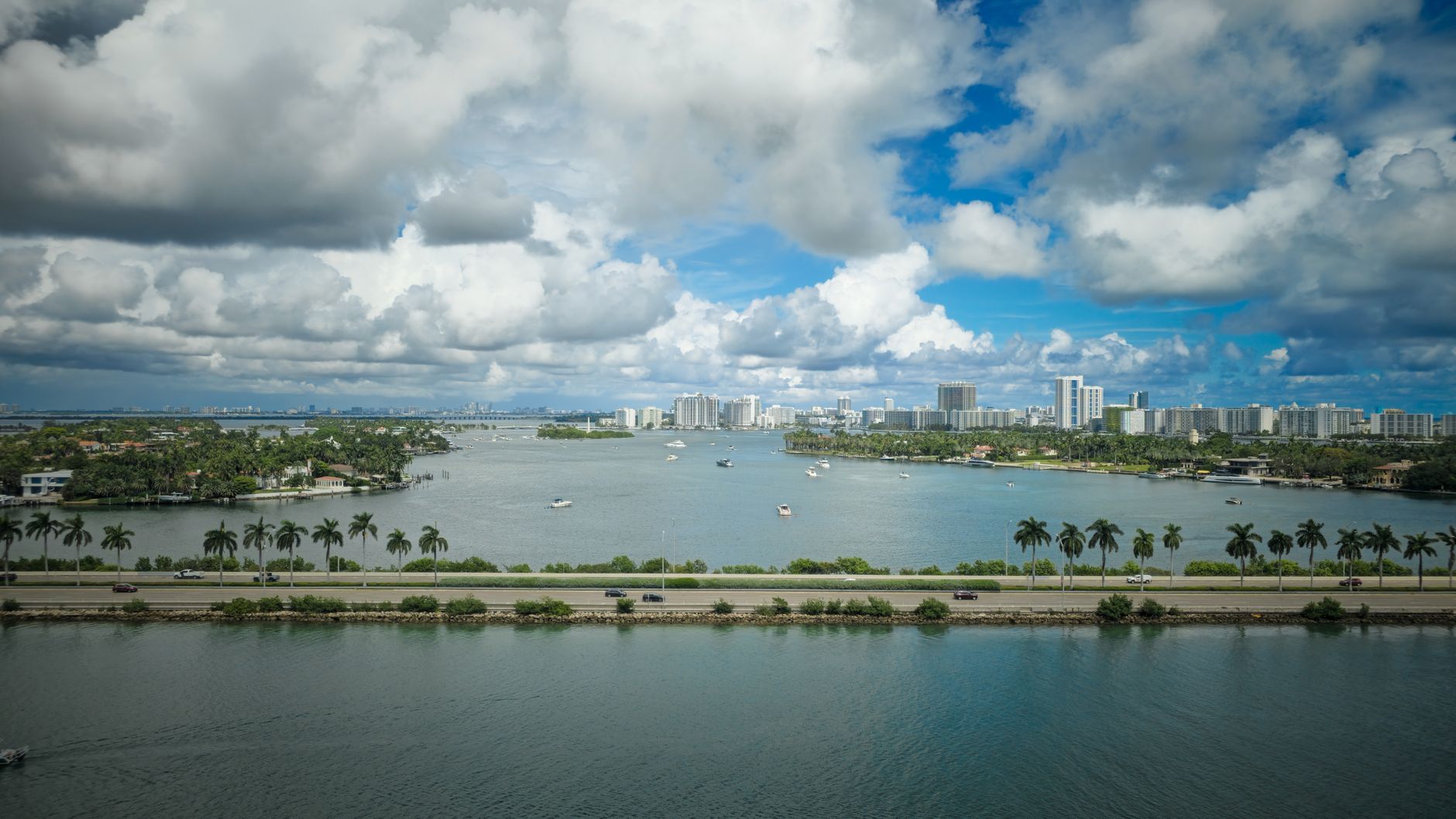
Six Fisher Island — Key Biscayne, Miami.
For empty nesters ready to trade maintenance-heavy homes for lock-and-leave luxury, Key Biscayne offers a rare combination of village-scale living, resort-quality amenities, and strong rental fundamentals — this guide covers everything from lifestyle transition to rental yield analysis.
Why Key Biscayne Resonates With Empty Nesters Leaving the Family Home
The moment the last child leaves for college, the family home often shifts from sanctuary to burden. Suddenly, five bedrooms feel cavernous, the lawn demands weekends, and the neighborhood's school-district appeal no longer applies to your life. For Miami-area homeowners navigating this transition, Key Biscayne has emerged as one of the most compelling destinations — not because it is flashy, but precisely because it is not. The island's 1.3-square-mile footprint imposes a natural cap on density and development, creating a walkable, almost European village atmosphere that contrasts sharply with the high-octane energy of Brickell or South Beach.
Empty nesters consistently cite three priorities when downsizing into luxury: security, simplicity, and access to quality leisure. Key Biscayne delivers on all three. The island has a single entry point via the Rickenbacker Causeway, providing an inherent sense of enclosure and safety that gated suburban communities often try — and fail — to replicate. Crandon Park's 1,200 acres of beaches, tennis courts, and nature trails function as your backyard without requiring a landscaping crew. And the short drive to Coconut Grove, Brickell, and Miami International Airport means you sacrifice nothing in urban connectivity while gaining extraordinary daily calm.
The psychological shift from homeowner to condo resident is also worth acknowledging. Many empty nesters underestimate how liberating it is to hand responsibility for roofs, HVAC systems, and exterior upkeep to a professional building management team. Full-service luxury condos on Key Biscayne typically offer concierge services, valet, fitness centers, and on-site maintenance — effectively delivering hotel-grade living on a permanent basis. For a couple planning extended travel now that school schedules no longer dictate the calendar, this lock-and-leave lifestyle is transformative.
Understanding the Key Biscayne Luxury Condo Market: Inventory, Tiers, and What Drives Value
Key Biscayne's condo market is uniquely constrained by geography and zoning. Unlike Miami's mainland neighborhoods, the island cannot simply absorb new towers — height restrictions and limited buildable land mean that the supply of true luxury condominiums remains finite and slow to grow. This scarcity dynamic is one of the foundational reasons the island has historically maintained strong pricing, even during broader market corrections. For a buyer transitioning from a house, it also means you are entering a market where quality inventory is genuinely limited, and where waiting for the 'perfect moment' often means watching units appreciate while you deliberate.
The island's condo product generally falls into three informal tiers. Older beachfront buildings from the 1970s and 1980s — many of which have undergone substantial renovation — offer larger footprints at comparatively accessible price points, appealing to buyers who prioritize square footage and are willing to manage some dated infrastructure. Mid-tier buildings from the 1990s and 2000s offer more amenity packages and better mechanical systems. At the top of the market sit newer, boutique developments and recent gut-renovated units in premier waterfront positions, commanding premium per-square-foot pricing and attracting a globally mobile buyer profile.
For empty nesters, the critical due-diligence question is not simply price per square foot but rather the total cost of ownership relative to lifestyle value. HOA fees on Key Biscayne can be substantial, often reflecting the island's premium positioning and the cost of maintaining resort-caliber facilities. Buyers should request a full analysis of HOA financials, reserve fund health, and any pending special assessments — particularly relevant given Florida's post-Surfside legislative changes requiring stricter structural inspections and reserve funding for condominium associations statewide.
Rental Yield Analysis: What Empty Nesters Should Know Before Buying on Key Biscayne
One of the most strategically important questions for an empty nester buying a luxury condo — particularly one who intends to travel for months at a time — is whether the property can generate meaningful rental income during absences. Key Biscayne occupies an interesting position in the Miami rental landscape. Because it functions more as a residential enclave than a tourist district, it attracts a distinct rental profile: corporate executives on extended assignments, international families seeking proximity to private schools, and wealthy visitors who prefer privacy and nature over the nightlife corridors of South Beach.
Denis Smykalov, broker at Wolsen Developments, points out that 'Key Biscayne tends to attract long-term rental tenants at the higher end of the income spectrum — we're talking six- to twelve-month leases, often to Latin American families or European executives who want a residential feel without compromising on quality. That demographic typically treats the property with care and pays reliably, which makes Key Biscayne condos a particularly sound asset for empty nesters who want income without the volatility of short-term vacation rentals.' This distinction matters enormously in yield analysis: while a Brickell condo might generate higher gross income through nightly Airbnb bookings, Key Biscayne's structural preference for longer-term tenancy reduces vacancy risk, management complexity, and wear-and-tear depreciation.
When calculating net rental yield, buyers should model conservatively. Gross rental income on a well-positioned two- or three-bedroom condo on Key Biscayne can be meaningful, but HOA fees, property taxes (Florida has no state income tax, but property tax rates apply to assessed value), property management fees typically ranging from 8 to 12 percent of collected rent, and maintenance reserves will all reduce the net figure. A realistic expectation for stabilized net yield on a luxury Key Biscayne condo tends to be in the low-to-mid single digits on a percentage basis — not exceptional by pure investment standards, but competitive when factored alongside long-term appreciation potential and personal-use value. For an empty nester who intends to occupy the unit six to eight months per year, the 'yield' calculation should incorporate the avoided cost of alternative accommodations during personal use.
Six Fisher Island: A Benchmark for Ultra-Luxury Condo Living Near Key Biscayne
Any sophisticated buyer evaluating Key Biscayne should understand the broader ultra-luxury island ecosystem that defines this part of Miami. Six Fisher Island represents the apex of that ecosystem — a collection of limited residences on America's wealthiest zip code, accessible only by ferry or private boat, positioned just across Government Cut from South Beach. While Fisher Island is distinct from Key Biscayne geographically and operationally, the two islands share a fundamental appeal: physical separation from the mainland as a lifestyle asset, finite inventory, and a resident profile that values privacy above all else.
Six Fisher Island is particularly instructive as a benchmark because it illustrates what the most discerning empty-nester buyers are willing to pay for genuine exclusivity. The development features an extraordinarily curated amenity program — beach clubs, tennis, spa facilities, and concierge services that rival the finest resorts — packaged within a residential structure that feels nothing like a hotel. For buyers evaluating Key Biscayne and wondering whether they should push further into the ultra-luxury tier, Six Fisher Island provides a useful contrast: Key Biscayne offers comparable seclusion and natural beauty with somewhat greater social connectivity, while Fisher Island offers maximum exclusivity at a corresponding price premium.
The comparison also matters for rental yield modeling. Fisher Island's strict rental regulations and HOA policies significantly limit short-term leasing activity, which keeps the resident community stable but constrains income potential. Key Biscayne's condo associations vary considerably in their rental policies — some buildings restrict short-term rentals outright, while others permit longer-term tenancy with board approval. Empty nesters who anticipate renting during travel should verify specific building rental rules before purchase, as these policies vary by association and can materially affect the asset's income profile.
The Lifestyle Transition: Practical Considerations for Moving From a House to a Condo
The physical act of downsizing from a house to a condo is rarely as simple as subtracting square footage. Most empty nesters have spent decades accumulating furniture, art, seasonal items, and equipment suited to suburban living — all of which must be edited down to fit a condo floor plan, however generous. Before purchasing, buyers should walk prospective units not just for aesthetics but for functional storage: closet depth, elevator dimensions (for moving large furniture), parking configuration, and whether the building offers owner storage lockers. Key Biscayne's better-appointed buildings typically address these needs thoughtfully, but the specifics vary considerably.
Condo association life also introduces a governance structure that homeowners rarely encounter. As a condo owner, you are simultaneously a private property holder and a member of a collective that makes binding decisions about shared spaces, building improvements, and community rules. For empty nesters accustomed to making unilateral decisions about their property, this adjustment can be jarring. Understanding the board composition, reviewing recent meeting minutes, and speaking with current residents before closing are all advisable steps. A building with an engaged, well-funded, and professionally managed association is worth a modest premium over a building with cheaper HOA fees but deferred maintenance and internal conflict.
Finally, consider the social dimension of condo living, which many empty nesters find unexpectedly rewarding. Unlike suburban neighborhoods where households are separated by lawns and driveways, a well-curated condo community creates organic opportunities for connection — whether in the fitness center, by the pool, or through building-organized events. Key Biscayne's resident base tends to be internationally cosmopolitan, well-traveled, and professionally accomplished, which can make for an unusually stimulating community. For couples or individuals entering a new life chapter, this built-in social infrastructure can meaningfully enhance quality of life.
Working With a Specialist Broker: Why New-Construction Expertise Matters in This Market
Key Biscayne's condo market rewards informed buyers and penalizes uninformed ones. The gap between list price and fair market value, between a building with healthy reserves and one facing a looming special assessment, between a floor plan that lives well and one that photographs better than it functions — these distinctions require a broker who knows the island specifically, not just luxury real estate generally. For empty nesters making what is often the most significant lifestyle and financial decision of their post-child-rearing years, broker selection deserves serious attention.
New-construction expertise is particularly valuable even when purchasing a resale unit on Key Biscayne, because understanding how buildings were originally designed, what the developer's intentions were, and how the product has aged helps contextualize current condition and future capital needs. Brokers who specialize in new development have typically performed deep due diligence on building quality, mechanical systems, and management structures across multiple properties — intelligence that transfers directly to evaluating resale inventory. They also tend to maintain relationships with listing agents that facilitate access to off-market opportunities, which matter on an island where desirable units rarely sit publicly available for long.
The best buyer's brokers in this segment will also help empty nesters think through the full financial picture: how the condo fits within an overall estate plan, how Florida's homestead exemption applies if this becomes a primary residence, and how the asset might eventually be positioned for sale or bequest. These conversations go beyond the transaction itself and reflect the kind of long-term perspective that distinguishes a strategic real estate advisor from a transactional salesperson.
Frequently Asked Questions
Is Key Biscayne a good choice for empty nesters downsizing from a house in Miami?
Yes. Key Biscayne offers a rare combination of island seclusion, walkable village-scale living, natural amenities like Crandon Park, and a single-entry security profile that appeals strongly to empty nesters seeking simplicity and safety. Its finite inventory and residential character make it distinctly different from higher-density Miami neighborhoods.
What are typical HOA fees for luxury condos on Key Biscayne?
HOA fees on Key Biscayne vary by building age, size, and amenity level, but premium buildings can carry substantial monthly costs reflecting resort-caliber services, waterfront maintenance, and reserve funding requirements. Buyers should request full HOA financials and review reserve fund health before committing.
Can I rent out my Key Biscayne condo when I travel?
Rental policies differ by individual condo association. Some buildings on Key Biscayne permit longer-term rentals (typically six months or more) while restricting or prohibiting short-term vacation rentals. Buyers planning to generate rental income should verify the specific building's rental rules before purchase.
What rental yield can I realistically expect from a luxury Key Biscayne condo?
Net rental yields on luxury Key Biscayne condos typically fall in the low-to-mid single digits on a percentage basis after accounting for HOA fees, property taxes, property management fees, and maintenance. The market favors stable long-term tenancy over high-turnover vacation rentals, which reduces volatility but moderates gross income.
Who typically rents luxury condos on Key Biscayne?
Key Biscayne's rental market is dominated by longer-term tenants including Latin American and European families, corporate executives on extended assignments, and high-net-worth individuals seeking a residential rather than tourist-oriented environment. This demographic tends toward six- to twelve-month lease terms and is associated with lower vacancy risk and careful property use.
How does Key Biscayne compare to Fisher Island for luxury condo buyers?
Both offer island seclusion and a privacy-first lifestyle with finite inventory, but Fisher Island — exemplified by developments like Six Fisher Island — offers maximum exclusivity at a significant price premium and with stricter access restrictions. Key Biscayne provides comparable natural beauty and seclusion with greater social connectivity and somewhat more accessible price points.
What should empty nesters check before buying a condo in a Key Biscayne building?
Buyers should review HOA financial statements, reserve fund adequacy, recent board meeting minutes, pending special assessments, structural inspection compliance under Florida's post-Surfside legislation, and the building's specific rental policy. Speaking with current residents and reviewing the management company's track record is also advisable.
Does Florida's homestead exemption apply to a Key Biscayne condo used as a primary residence?
Florida's homestead exemption can apply to a condo that qualifies as your primary residence, potentially reducing assessed value for property tax purposes and providing creditor protection. Buyers should consult a Florida real estate attorney to understand eligibility requirements and how to properly file.
What is the advantage of using a new-construction specialist broker to buy a resale condo on Key Biscayne?
New-construction specialists bring deep knowledge of building quality, original developer specifications, mechanical system histories, and management structures that help buyers accurately assess resale condition and future capital needs. They also maintain relationships that can provide access to off-market inventory, which is valuable on an island with limited public listings.
How does Key Biscayne's single-entry geography affect property values and security?
The Rickenbacker Causeway is the island's only road access point, which naturally limits traffic and creates an inherent security perimeter. This physical characteristic is consistently cited as a value driver for Key Biscayne real estate, contributing to the island's residential character and its appeal to privacy-conscious luxury buyers.
Ready to Take the Next Step?