Bal Harbour · Rivage Bal Harbour · Miami new construction · walkable luxury real estate · Miami investment real estate · preconstruction condos
Bal Harbour New Construction Buyer Guide: Walkability, Lifestyle, and Investment Analysis for Miami's Most Curated Enclave
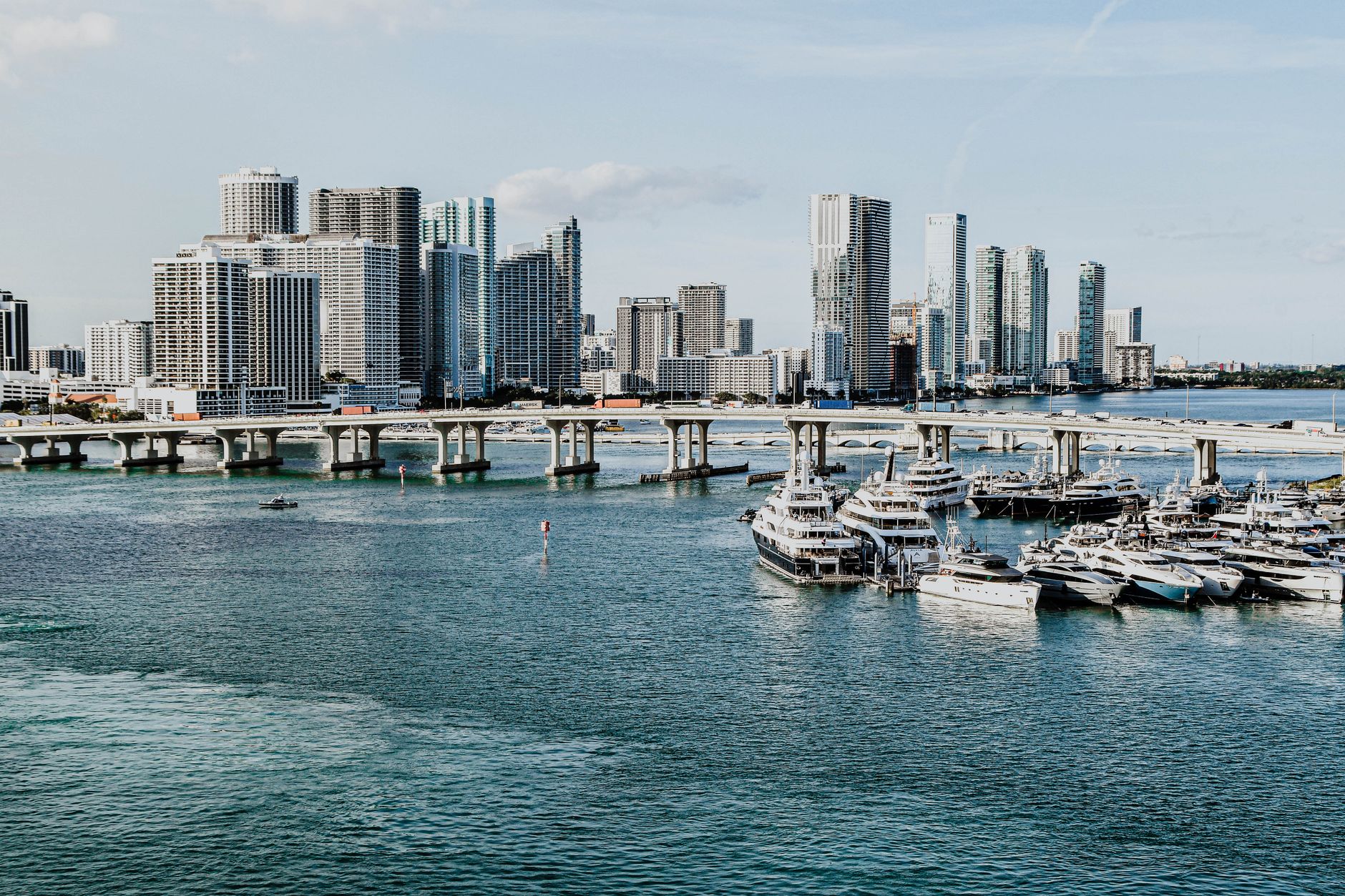
Rivage Bal Harbour — Bal Harbour, Miami.
Bal Harbour offers one of Miami's rarest combinations — a walkable, village-scale lifestyle set against oceanfront luxury — making it a compelling destination for new-construction buyers who want both daily livability and long-term appreciation. This guide breaks down everything you need to know about buying into Bal Harbour's newest developments, including an investment analysis of the market and a close look at Rivage Bal Harbour.
Why Walkability in Miami Leads Buyers to Bal Harbour
Miami is not historically known as a walkable city, which is precisely why Bal Harbour stands apart. Compressed into a narrow barrier island between Biscayne Bay and the Atlantic Ocean, Bal Harbour is a self-contained village of roughly 3,200 full-time residents. The entire municipality spans just over one square mile, meaning that residents can walk from their oceanfront tower to world-class retail, restaurants, and the beach in under ten minutes. For buyers accustomed to car-dependent Brickell commutes or the sprawl of North Miami Beach, this compactness is a revelation.
The cornerstone of Bal Harbour's walkable identity is Bal Harbour Shops, widely regarded as one of the highest-grossing shopping centers per square foot in the United States. Anchored by Neiman Marcus and Saks Fifth Avenue and lined with flagship boutiques from Chanel, Gucci, Prada, and Dior, the open-air mall functions less like a retail center and more like a curated European village piazza. Within the same walk, residents access fine dining, art galleries, and the Bal Harbour Beach — one of the most pristine stretches of sand in Miami-Dade County. For a lifestyle buyer, the calculus is simple: fewer cars, more curated daily experiences.
Walkability scores in Bal Harbour consistently outperform most of Miami's beachside neighborhoods, and new-construction developers have responded accordingly. Rather than building towers that demand car dependency for basic errands, projects here are positioned to leverage the existing village fabric. Buyers evaluating lifestyle alongside square footage will find that Bal Harbour rewards a slower, more intentional pace — the kind increasingly valued by both domestic relocators and international buyers who have grown accustomed to walkable European urban environments.
Understanding Bal Harbour as a Real Estate Investment
Bal Harbour's investment profile is defined by structural scarcity. The village's total land area and strict zoning regulations make new development extraordinarily difficult to permit, ensuring that the pipeline of new luxury units remains thin relative to demand. Unlike Edgewater or Brickell — where dozens of towers are under construction simultaneously — Bal Harbour typically sees one major development cycle per decade. That supply constraint, combined with strong demand from ultra-high-net-worth domestic and international buyers, has historically produced above-average price-per-square-foot appreciation.
Denis Smykalov, broker at Wolsen Developments, points out that "Bal Harbour is one of the few submarkets in Miami where the physical impossibility of oversupply is built into the geography itself — you simply cannot add meaningful inventory to a one-square-mile island that is already fully built out, which is why price floors here have proven remarkably durable even during broader market corrections." That observation is supported by historical transaction data: Bal Harbour condos routinely command price-per-square-foot premiums of thirty to fifty percent over comparable units in neighboring Surfside or Bay Harbor Islands, a gap that has widened rather than narrowed as the global luxury buyer pool has expanded.
Rental dynamics in Bal Harbour also favor investors, though buyers should understand the village's regulatory environment. Bal Harbour enforces relatively restrictive short-term rental rules compared to Miami proper, meaning the investment thesis here skews toward long-term appreciation, seasonal tenancy, and fractional or second-home use rather than high-velocity Airbnb-style returns. For the right buyer — typically one with a long time horizon and a portfolio approach to real estate — this profile is an asset, not a liability, because it helps insulate the neighborhood from the transient use patterns that can erode the fabric and prestige of other luxury markets.
Rivage Bal Harbour: A New Standard for Oceanfront Living
Rivage Bal Harbour represents the kind of once-per-decade development opportunity that defines Bal Harbour's new-construction landscape. Conceived as an ultra-luxury residential tower on the Atlantic Ocean, Rivage is designed by the acclaimed architectural firm Robert A.M. Stern Architects — the same practice responsible for landmark residential projects in New York City and Palm Beach — giving the project an architectural pedigree that is rare even by Miami standards. The building's design philosophy draws from classical coastal architecture, favoring warm materials, generous terraces, and a human scale that respects the village character of Bal Harbour rather than overwhelming it.
Rivage Bal Harbour is positioned at the apex of the Bal Harbour market, offering an exceptionally limited number of residences — a deliberate choice that prioritizes spaciousness, privacy, and service intensity over unit count. Residences are notable for their floor-to-ceiling glazing, deep oceanfront terraces, and interior specifications that reflect the current standard in ultra-luxury construction: custom European cabinetry, stone selections curated from international quarries, and smart-home technology integrated from the ground up. For buyers who have toured competing projects in Sunny Isles Beach or Miami Beach, Rivage distinguishes itself through its restraint — a quieter, more considered form of luxury that appeals to buyers who value substance over spectacle.
The amenity program at Rivage Bal Harbour is calibrated for residents who expect hotel-grade service without the hotel's transient energy. Private beach club access, a curated fitness and wellness facility, resort-style pool environments, and white-glove concierge services are structured around the assumption that residents will use the building as a primary or extended-stay residence rather than an occasional pied-à-terre. That positioning aligns precisely with the profile of the Bal Harbour buyer: someone who wants the full complement of luxury amenities available on demand, embedded within a walkable neighborhood where every daily errand and leisure activity is within reach on foot.
Lifestyle Comparison: Bal Harbour vs. Neighboring Luxury Markets
Buyers considering Bal Harbour often benchmark it against Sunny Isles Beach to the north and Mid-Beach or South of Fifth to the south. Each submarket offers a distinct lifestyle proposition. Sunny Isles Beach delivers dramatic scale — towers like the Porsche Design Tower and Residences by Armani Casa reach seventy-plus stories and offer extraordinary ocean views — but the neighborhood's walkability is limited, its street-level retail experience is comparatively thin, and the sheer density of luxury towers creates a more competitive rental environment. Bal Harbour, by contrast, trades altitude for intimacy.
Mid-Beach and the Faena District offer genuine cultural depth and strong dining scenes, but they lack Bal Harbour's retail ecosystem and produce a noisier, more festival-driven atmosphere that suits some buyers and deters others. South of Fifth in Miami Beach delivers walkability and cachet but operates within a broader Miami Beach regulatory and social context that includes higher density, more nightlife activity, and a more varied residential demographic. Bal Harbour's village government structure — with its own police force, strict noise ordinances, and active code enforcement — produces a quieter, more controlled living environment that its residents consistently cite as a primary reason for staying.
For international buyers — particularly those relocating from London, Paris, Geneva, or São Paulo — Bal Harbour's village scale and walkable luxury ecosystem often feel the most familiar. The concept of a contained, high-quality neighborhood where daily life does not require a car is standard in European capitals and rare in American cities. That cultural resonance helps explain why Bal Harbour draws a disproportionately international buyer pool relative to its size, and why that pool has continued to deepen as Miami's global profile has expanded following the pandemic-era migration wave.
Due Diligence Essentials for Bal Harbour New-Construction Buyers
Buying preconstruction in Bal Harbour requires the same disciplined due diligence process as any Miami new-development purchase, with a few neighborhood-specific considerations. Because the pipeline of new projects is so limited, the developer's financial strength and construction track record carry outsized importance — buyers cannot assume that an underperforming developer will be bailed out by market momentum or replaced by a competing project. Reviewing the developer's completed portfolio, their lender relationships, and the construction timeline structure embedded in the purchase contract are essential first steps.
Buyers should also scrutinize the proposed condominium association documents carefully. Bal Harbour's desirability means that maintenance and operational standards at existing buildings are generally high, but new developments vary in how they structure reserve funds, management contracts, and owner-use rules. Understanding whether the building will allow seasonal rentals, what the pet policies are, and how parking is allocated will affect both the daily living experience and the resale or rental profile of the unit. These details are embedded in the Declaration of Condominium and the Association Rules — documents that deserve careful review with a Florida-licensed real estate attorney before any deposit is committed.
Foreign national buyers, who represent a significant share of Bal Harbour's purchaser pool, should also work through the tax and title implications specific to their home country and residency status. Florida imposes no state income tax, but federal FIRPTA withholding rules apply to non-resident alien sellers upon eventual disposition, and estate planning considerations differ meaningfully depending on whether the buyer holds title individually, through a domestic LLC, or through a foreign entity. Engaging a Miami-based tax advisor with international real estate experience before signing a purchase agreement is a step that experienced buyers never skip.
Working with a Broker Who Knows Bal Harbour's New-Construction Market
New-construction purchases in Miami — and in Bal Harbour specifically — are not straightforward transactions. Developer contracts are drafted by developer-side counsel and are rarely negotiable at the price level, but there is often meaningful flexibility in upgrade credits, parking selection, storage assignments, and closing cost structures that an experienced buyer's broker can surface and negotiate. More importantly, a well-connected broker will have early access to unit releases, floor plan inventory, and pricing information before a project reaches its public marketing phase — a significant advantage in a submarket where the best units sell before most buyers know they are available.
Understanding which developer incentives are genuine and which are marketing constructs also requires market-specific knowledge. Some developers in Miami offer furniture packages, rental guarantees, or closing cost credits that appear attractive in isolation but are structured in ways that inflate the effective purchase price or shift risk to the buyer. A buyer's broker with a deep transactional history in Bal Harbour and surrounding submarkets can parse these structures quickly and help clients make decisions based on net economics rather than headline figures. That analytical clarity is particularly valuable in a market where individual unit prices frequently run into the eight-figure range.
Frequently Asked Questions
Is Bal Harbour actually walkable compared to other Miami neighborhoods?
Yes. Bal Harbour is one of Miami's most walkable luxury neighborhoods because of its compact, one-square-mile village footprint. Residents can walk from oceanfront towers to Bal Harbour Shops, restaurants, and the beach in under ten minutes — an experience that is rare in Miami's typically car-dependent landscape.
What makes Bal Harbour a strong real estate investment?
Bal Harbour's investment case rests on structural supply scarcity — the village is fully built out and zoning severely limits new development — combined with persistent demand from ultra-high-net-worth domestic and international buyers. This has historically supported above-average price-per-square-foot appreciation and durable price floors even during broader market downturns.
What is Rivage Bal Harbour and who is the architect?
Rivage Bal Harbour is an ultra-luxury oceanfront residential tower in Bal Harbour designed by Robert A.M. Stern Architects. It offers a limited number of large residences with deep ocean terraces, premium interior finishes, and a hotel-grade amenity and service program, positioned at the apex of the Bal Harbour new-construction market.
Can I rent out a Bal Harbour condo as a short-term vacation rental?
Bal Harbour enforces relatively restrictive short-term rental regulations compared to Miami proper, making high-frequency Airbnb-style rentals generally not viable in this market. The investment thesis for Bal Harbour typically centers on long-term appreciation, seasonal tenancy, and second-home or primary-residence use.
How does Bal Harbour compare to Sunny Isles Beach for luxury buyers?
Sunny Isles Beach offers dramatic tower scale and ocean views but has limited walkability and a denser competitive rental landscape. Bal Harbour offers a more intimate, village-scale lifestyle with superior walkability and a curated retail ecosystem anchored by Bal Harbour Shops, appealing to buyers who prioritize daily livability over building height.
What due diligence should I do before buying preconstruction in Bal Harbour?
Buyers should review the developer's completed portfolio and financial standing, scrutinize the Declaration of Condominium for rental restrictions, pet policies, and reserve fund structure, and consult a Florida-licensed real estate attorney before committing any deposit. Foreign national buyers should also engage a Miami-based international tax advisor to address FIRPTA and estate planning implications.
Why do international buyers favor Bal Harbour over other Miami luxury submarkets?
Bal Harbour's contained, walkable village structure mirrors the urban scale familiar to buyers from London, Paris, Geneva, and São Paulo, where high-quality daily life does not require a car. Combined with its strong security, quiet atmosphere enforced by a dedicated village government, and world-class retail, Bal Harbour resonates strongly with internationally experienced buyers.
What price-per-square-foot premium does Bal Harbour command over neighboring areas?
Bal Harbour condos historically command price-per-square-foot premiums of approximately thirty to fifty percent over comparable units in neighboring Surfside or Bay Harbor Islands, a gap that has widened over time as global demand for Bal Harbour's specific lifestyle proposition has grown.
What amenities does Rivage Bal Harbour offer residents?
Rivage Bal Harbour's amenity program includes private beach club access, a resort-style pool environment, a curated fitness and wellness facility, and white-glove concierge services, all designed for residents seeking hotel-grade service integrated into a private residential setting.
Do I need a buyer's broker for a new-construction purchase in Bal Harbour?
Yes. Developer contracts in Miami are drafted by developer-side legal teams and favor the developer's interests. An experienced buyer's broker can negotiate upgrade credits, parking and storage assignments, and closing cost structures, and can provide early access to unit inventory before public marketing launches — advantages that are especially valuable in Bal Harbour's low-supply environment.
Ready to Take the Next Step?