Coconut Grove · Baccarat Residences Brickell · Miami luxury real estate · Brickell new construction · Miami lifestyle guide
The Coconut Grove Lifestyle Guide for Ultra-Luxury Buyers: Neighborhood Character, Cultural Depth, and Why Discerning Residents Are Looking at Baccarat Residences in Brickell
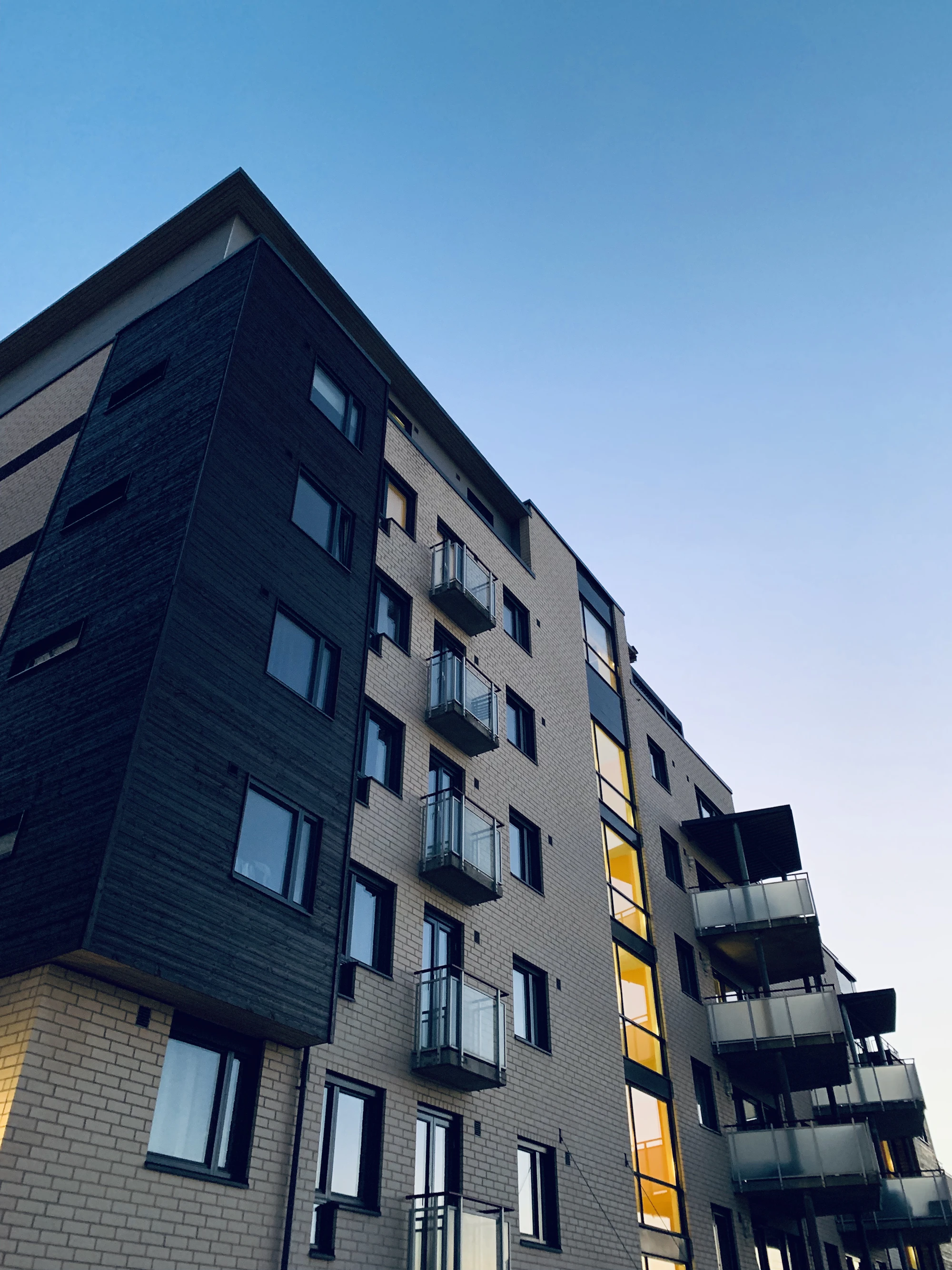
Baccarat Residences — Brickell, Miami.
Coconut Grove is Miami's most intellectually textured neighborhood — a place of banyan-canopied streets, sailboat culture, historic architecture, and a community identity that resists the transactional energy found elsewhere in the city. This guide examines what it truly means to live in the Grove, what buyers gain by anchoring their Miami life in this storied enclave, and why nearby ultra-luxury towers like <a href='/developments/baccarat-residences-brickell'>Baccarat Residences</a> in Brickell are becoming the preferred residential complement for those who want world-class amenities without sacrificing neighborhood soul.
Coconut Grove: Understanding the Neighborhood That Refuses to Be Anything Other Than Itself
Coconut Grove occupies a singular position in Miami's urban geography: it is simultaneously the city's oldest continuously inhabited neighborhood and one of its most forward-looking communities. Established in the 1870s by Bahamian workers, New England intellectuals, and European artists, the Grove developed an identity rooted in intellectual curiosity, ecological awareness, and a deeply held skepticism toward overdevelopment. That DNA persists today, expressing itself in the form of landmark preservation battles, an unusually active homeowner association culture, and a residential population that skews toward people who have chosen Coconut Grove specifically because it does not look or feel like the rest of Miami. For multi-million-dollar buyers doing serious due diligence, that distinctiveness is not a footnote — it is the central value proposition.
The neighborhood's physical fabric tells this story with unusual legibility. Spend an afternoon walking Grand Avenue, Main Highway, or the meandering side streets off Margaret Street and you encounter a cityscape that seems to have evolved organically rather than been planned by a developer's marketing team. Royal poinciana trees arc over residential blocks. Bougainvillea climbs coral-rock walls. The occasional mid-century modern sits beside a Mediterranean revival beside a vernacular Bahamian cottage, and the overall effect is one of layered time rather than monocultural luxury. This is a neighborhood where the physical environment itself communicates something about the values of the people who live there — an argument for restraint, for nature, for history, that is genuinely rare in a city as rapidly transforming as Miami.
The Grove's walkability deserves particular mention because it is not the manufactured pedestrianism of a mixed-use development but rather the genuine, organically developed walkability of a neighborhood that existed before the car dominated urban planning. CocoWalk, the recently reimagined outdoor retail center at the heart of the neighborhood, anchors a commercial core that includes independent restaurants, specialty food purveyors, bookstores, fitness studios, and the kind of low-key neighborhood bars where regulars know each other by name. The Coconut Grove Farmers Market, operating on Saturdays on Grand Avenue, draws a cross-section of the community that reflects the neighborhood's demographic complexity — wealthy homeowners from the leafy residential streets north of Main Highway mixing with artists, academics, and longtime residents whose families have lived in the Grove for generations.
For buyers making a multi-million-dollar real estate decision, understanding the Grove's internal geography is essential. The neighborhood is commonly divided into three informal zones: the North Grove, characterized by historic estates, deep lots, and tree canopy so dense it creates a genuinely cool microclimate; the South Grove, which borders Biscayne Bay and includes some of Miami's most coveted single-family addresses along Bayshore Drive and its tributaries; and the West Grove, a historically Bahamian-American community that has faced significant gentrification pressure and remains the subject of active preservation advocacy. Each zone has distinct price dynamics, zoning characteristics, and community culture, and buyers should approach them as meaningfully different submarkets rather than interchangeable parts of a single neighborhood brand.
The Real Estate Market in Coconut Grove: Pricing Dynamics, Inventory Constraints, and What Buyers Actually Find
Coconut Grove's real estate market operates according to its own logic, one that diverges significantly from the broader Miami luxury market's cyclical volatility. The neighborhood's structural supply constraint — limited developable land, aggressive historic preservation overlays, and a community culture that actively resists high-density construction — has produced a market that trends toward scarcity even in conditions that are softening elsewhere in Miami-Dade. According to market data from recent years, single-family homes in the North and South Grove regularly trade at premiums that reflect not just the physical asset but the neighborhood's finite supply and the irreplaceable quality of its tree canopy. Buyers arriving with expectations calibrated to other Miami markets frequently experience sticker shock — not because prices are artificially inflated, but because the underlying scarcity is real.
The condo market in Coconut Grove is more varied and in some respects more accessible than the single-family segment, though still meaningfully constrained by the neighborhood's resistance to large-scale development. Several mid-rise buildings along South Bayshore Drive offer bay views and direct access to the waterfront parks, and these units command significant premiums relative to comparable square footage elsewhere in Miami. The buildings tend to be older — dating from the 1970s through the 1990s — which creates a due diligence opportunity and challenge for buyers: you acquire neighborhood charm and bay proximity, but you inherit aging infrastructure, HOA reserves that may require forensic scrutiny, and floor plans that predate contemporary expectations for ceiling heights, kitchen design, and smart-home integration.
New construction in Coconut Grove is genuinely rare and fiercely contested when it does emerge. The neighborhood's zoning framework, combined with the activism of organizations like the Coconut Grove Village West Collaborative and various homeowners' associations, has effectively placed a ceiling on the kind of speculative development that has transformed Edgewater, Brickell, and even parts of Coral Gables over the past decade. When a new building does receive approvals — typically through a process that involves significant community engagement and design concessions — it tends to sell quickly and at price points that reflect both the inherent scarcity and the premium buyers assign to new construction in an otherwise supply-constrained market. For buyers who want new construction with Coconut Grove lifestyle access, the practical answer increasingly involves looking at premium projects in adjacent neighborhoods.
Serious buyers should also reckon with the neighborhood's price appreciation trajectory relative to the rest of Miami. While Coconut Grove experienced the same post-pandemic demand surge that affected luxury markets across South Florida, its appreciation was arguably more durable because it was grounded in genuine supply constraint rather than speculative enthusiasm. Single-family homes in the best streets of the North Grove have regularly sold at or above asking in recent years, with competitive situations not uncommon for properties combining historic character with meaningful renovation. This dynamic rewards buyers who move with conviction and who have completed their due diligence in advance — and it penalizes the cautious, the indecisive, and those who arrive expecting extended negotiation cycles typical of other luxury markets.
Culture, Education, and Community: What the Grove Offers That Money Alone Cannot Buy
Coconut Grove's cultural infrastructure is the kind that develops over generations rather than being installed by a developer to support a marketing narrative. The Coconut Grove Playhouse, currently undergoing a long-anticipated renovation and expansion in partnership with GableStage, represents one of Miami's most storied cultural institutions — a 1,100-seat theater with a history stretching back to the 1920s that has staged major productions and launched national careers. The broader neighborhood ecosystem includes independent galleries clustered along Bird Road and in the West Grove, artist studios scattered through the residential fabric, and a calendar of community events — the Coconut Grove Arts Festival, the King Mango Strut parade, the Grand Prix of cycling — that reflect a community organized around shared civic life rather than pure residential consumption.
The educational landscape in and around Coconut Grove is one of the most compelling in Miami-Dade County, a consideration that weighs heavily for buyers with children or grandchildren. The neighborhood falls within the Coral Gables Senior High School district, consistently ranked among the top public high schools in Florida. Ransom Everglades School, located on a spectacular bayfront campus at the southern edge of the Grove, is regarded as one of the finest independent college-preparatory schools in the southeastern United States, drawing students from across Miami-Dade and beyond. Carrollton School of the Sacred Heart, the University of Miami's Coral Gables campus, and a constellation of highly regarded private elementary and middle schools round out an educational ecosystem that supports buyers through every phase of family life.
The sailing and water culture of Coconut Grove deserves its own chapter in any serious lifestyle analysis. The neighborhood has been a center of South Florida boating culture since the late nineteenth century, when the Biscayne Bay Yacht Club — today one of the oldest yacht clubs in Florida — was founded on the Grove's shoreline. That heritage lives on in the dense concentration of marinas, sailing schools, charter operators, and informal boat culture that defines the neighborhood's relationship with Biscayne Bay. Dinner Key Marina, operated by the City of Miami, is one of the largest municipal marinas in the United States, offering wet slips, dry storage, and fuel service within walking distance of the neighborhood's commercial core. For buyers with vessels or a serious interest in acquiring one, the Grove's marine infrastructure is genuinely world-class.
Perhaps the most underappreciated dimension of Coconut Grove community life is its political and civic engagement. The neighborhood has produced a disproportionate number of Miami's most influential civic leaders, environmental advocates, and cultural philanthropists — people whose influence on the city extends far beyond the neighborhood's boundaries. This civic culture creates a quality-of-life benefit that is difficult to quantify but easy to perceive: neighbors who know each other, public spaces that are maintained and valued, community organizations that actually function. For buyers accustomed to gated developments where community means shared amenities rather than shared civic responsibility, the Grove's model can feel refreshingly old-fashioned — and genuinely enviable.
Dining, Shopping, and Daily Life: The Grove's Commercial Ecosystem in Detail
The dining scene in Coconut Grove operates at a level of quality and variety that punches well above the neighborhood's relatively modest geographic footprint. Ariete, the flagship restaurant of chef Michael Beltran — a James Beard Award finalist and one of Miami's most celebrated culinary voices — has made the Grove an essential destination for serious food lovers from across the metropolitan area. Biltmore Hotel's Fontana restaurant in adjacent Coral Gables draws Grove residents routinely, and the broader Main Highway and Grand Avenue corridors offer everything from Vietnamese pho to Peruvian ceviche to farm-to-table American at a range of price points that reflect the neighborhood's genuine demographic diversity rather than a curated luxury experience. This culinary breadth is one of the things longtime residents cite most often when explaining why they have never considered leaving.
CocoWalk's 2020 reinvention as an open-air lifestyle center — designed by Arquitectonica and anchored by Cinépolis luxury cinema, a curated food hall, and a rotating cast of independent retailers — has meaningfully elevated the neighborhood's retail and entertainment offering without disrupting the low-rise, human-scaled character that Grove residents protect fiercely. The center's ground-floor activation creates a genuinely animated street environment on evenings and weekends, drawing both residents and visitors in proportions that feel balanced rather than overwhelmed by tourism. Independent boutiques along the side streets of the central Grove add texture to the commercial mix: specialty wine shops, artisan coffee roasters, independent booksellers, and wellness studios that reflect the tastes of a community with both financial resources and intellectual interests.
Daily life logistics in Coconut Grove are notably well-served for a neighborhood that resists large-scale commercial development. The Winn-Dixie on Bird Road and a Whole Foods Market within easy reach on US-1 handle everyday grocery needs. The Grove's proximity to Coral Gables — one of the most retail-complete communities in Miami-Dade, with the Miracle Mile shopping district and the Village of Merrick Park's luxury anchors including Neiman Marcus and Nordstrom — means that residents can access high-end retail without commuting to Bal Harbour. Healthcare access is exceptional: Doctors Hospital and Baptist Health's flagship Coral Gables campus are within minutes, and the University of Miami Health System's Sylvester Comprehensive Cancer Center, one of the top cancer centers in the southeastern United States, is a short drive away.
The Grove's fitness and wellness culture reflects its broader community values in interesting ways. While the neighborhood has its share of premium fitness studios — SoulCycle, Orangetheory, barre studios, and high-end personal training facilities occupy storefronts throughout the commercial core — the more characteristic wellness activity is the outdoor kind. The Coconut Grove Waterfront Park and the adjacent Alice Wainwright Park create a continuous bayfront green space that draws runners, cyclists, yoga practitioners, and picnickers in a genuine cross-section of the community. The Commodore Trail, a paved path that runs through the neighborhood's residential streets, is one of Miami's most beloved cycling routes, connecting the Grove to Brickell and downtown in a way that makes car-free commuting genuinely viable for residents willing to invest in a quality bicycle.
Proximity Advantage: How Coconut Grove Residents Access Brickell's World-Class Urban Infrastructure
One of the most strategically undervalued aspects of the Coconut Grove lifestyle is the neighborhood's proximity to Brickell — Miami's financial and urban core — and what that proximity enables in practical terms. The two neighborhoods are separated by approximately three miles of continuous urban fabric, a distance that translates to roughly ten minutes by car, fifteen minutes by bicycle along the Commodore Trail and Brickell Key waterfront, or twenty minutes on the Metrorail's Green Line, which connects the Coconut Grove station directly to the Brickell financial district. This means that Grove residents can access world-class restaurants, international hotels, financial services, high-end retail, and the professional infrastructure of Brickell without living in an environment that feels urban in the way Brickell does — which for many buyers is precisely the point.
Brickell's transformation over the past decade has been one of the most dramatic in Miami's history, and it has made the Brickell-to-Grove commute increasingly valuable rather than less so. Mary Brickell Village, Brickell City Centre — with its Saks Fifth Avenue, ZARA, and extensive dining and entertainment offerings — and the continuous growth of the area's restaurant scene have created a complementary urban ecosystem that Grove residents treat as an extension of their own neighborhood's amenities. The key distinction is density and energy: Brickell operates at a pace and scale that many Grove residents actively choose to visit rather than inhabit. The ability to access that energy and then return to the Grove's canopied quiet is a lifestyle configuration that buyers with options repeatedly choose.
The Metrorail connection between Coconut Grove and Brickell deserves particular attention from buyers who place a premium on car-optional mobility. The Coconut Grove station, located at 27th Avenue and US-1, provides direct, traffic-free access to the Brickell station, from which the Metromover connects riders to essentially every significant building in the financial core. For buyers who travel frequently — a profile that describes most ultra-luxury buyers in Miami — the ability to leave a car at home for routine trips to Brickell's restaurants, offices, and cultural venues is a meaningful quality-of-life benefit that many buyers do not think to evaluate during the purchase process. It also has implications for parking costs and vehicle depreciation that compound meaningfully over time.
The Brickell corridor's most significant recent development activity has produced a generation of ultra-luxury residential towers that are genuinely without precedent in South Florida's history, both in terms of architectural ambition and amenity programming. These buildings have effectively created a new residential typology — the full-service urban residence with the amenity stack of a six-star hotel — that did not exist in Miami five years ago. For Coconut Grove buyers who value the neighborhood's character above all but want the option of a world-class urban residential experience, this new Brickell supply has created a compelling secondary consideration: whether to own in the Grove and maintain access to Brickell's amenities, or to own in one of Brickell's premier new towers and use the Grove as the neighborhood for daily life activities rather than primary residence.
Baccarat Residences Brickell: The Ultra-Luxury Standard That Grove-Adjacent Buyers Are Evaluating
Baccarat Residences represents the most ambitious expression of branded luxury residential development in Brickell's history, drawing on the 260-year heritage of the Baccarat crystal brand to create a residential experience that is as much about material culture and aesthetic precision as it is about square footage and location. The tower rises 75 stories on the south bank of the Miami River, at the confluence of Brickell and downtown Miami, offering residences that command panoramic views of Biscayne Bay, the Miami River, and the downtown skyline from virtually every exposure. The building's address — on the river's edge, within walking distance of Brickell City Centre and the Metromover network — positions it as one of the most strategically located new luxury towers in the city, accessible to both the urban energy of Brickell and the water-oriented lifestyle that defines South Florida living.
The residences at Baccarat Residences are finished to a standard that reflects the brand's long association with the finest materials and craftsmanship in the world. Interiors feature bespoke Baccarat crystal fixtures and hardware, Italian marble, Sub-Zero and Wolf appliance packages, Miele appliance integration, and floor-to-ceiling glass that maximizes the impact of the tower's exceptional views. Ceiling heights reach ten feet in standard residences and higher in upper-floor and penthouse units, creating the sense of vertical space that is one of the defining characteristics of genuinely luxurious residential design. Private elevator access, smart-home technology integration, and custom millwork throughout reflect a development team committed to delivering a physical product that matches the emotional promise of the brand name on the building.
The amenity program at Baccarat Residences is one of the most comprehensive in Miami's new construction market, spanning multiple floors and encompassing facilities that would be competitive with Miami's finest hotel properties. The resort-style pool deck offers bay and river views, private cabanas, and food and beverage service. A two-story fitness center features equipment curated in partnership with premium fitness brands, a dedicated yoga and Pilates studio, and spa facilities including treatment rooms, steam, and sauna. Residents have access to a private cinema, a wine room with individual storage, a cigar lounge, co-working spaces designed for the hybrid work patterns of contemporary professionals, and a residents' lounge that functions as a private social club within the building. The concierge program draws on the Baccarat brand's hospitality infrastructure to deliver hotel-style service — restaurant reservations, private transportation coordination, curated experience programming — that most residential buildings simply cannot replicate.
For Coconut Grove buyers evaluating Baccarat Residences as a primary residence, pied-à-terre, or investment asset, the building's positioning at the Brickell-river interface creates a specific lifestyle argument: you are three miles and ten minutes from the Grove's parks, schools, farmers markets, and community life, and simultaneously at the center of Miami's most dynamic urban corridor. Buyers who travel internationally and want a Miami base that functions flawlessly in their absence — fully staffed, hotel-managed, lock-and-leave capable — will find that Baccarat's service infrastructure addresses that requirement more comprehensively than virtually any other new development in the city. Those whose primary identity is as Grove residents but who want occasional access to a luxury urban pied-à-terre should evaluate the building's rental program and its implications for offsetting carrying costs during periods of non-occupancy.
Investment Analysis: Coconut Grove Real Estate Versus Branded Luxury Towers in Brickell
The investment case for Coconut Grove real estate rests on fundamentals that are distinct from those supporting Brickell's ultra-luxury tower market, and sophisticated buyers should understand both with precision before committing capital. The Grove's residential market is characterized by extreme supply constraint, a buyer pool that tends toward end-users rather than investors, relatively low inventory turnover, and price appreciation driven by genuine scarcity rather than speculative demand. These characteristics produce a market that is arguably more durable through economic cycles than the Brickell condo market, which is more sensitive to interest rate movements, foreign buyer demand fluctuations, and the competitive dynamics created by large new supply additions. For buyers with a five-to-ten-year horizon and a primary lifestyle motivation, the Grove's fundamentals are difficult to argue against.
The investment case for ultra-luxury branded residences like Baccarat Residences in Brickell operates along different axes. Branded luxury towers historically demonstrate stronger price premium maintenance relative to non-branded comparables in the same submarket, a phenomenon that researchers attribute to the brand's role in creating a recognized quality signal that survives individual broker relationships and local market cycles. In Miami specifically, the post-2020 influx of high-net-worth buyers from New York, California, and Latin America has dramatically expanded the addressable market for trophy branded residences, creating a buyer pool that is both larger and more international than the one that existed five years ago. This demand expansion has supported price per square foot at the top of the Brickell market at levels that would have been considered implausible before 2020.
Rental income potential is a consideration that applies more directly to the Brickell tower market than to the Grove's residential market, where short-term rental activity is more restricted and the condo stock less oriented toward rental optimization. Brickell's luxury rental market has tightened significantly in recent years, with vacancy rates at the top of the market remaining structurally low due to the combination of demand from corporate relocations, financial sector employment growth, and the steady arrival of international buyers who choose to rent before purchasing. For buyers who want optionality — the ability to use a residence personally and rent it when not in use — the Brickell market generally provides that optionality more cleanly than the Grove's primarily owner-occupied condo stock.
Tax strategy considerations intersect with both markets in ways that are relevant to the high-net-worth buyers who dominate both buyer pools. Florida's absence of state income tax, combined with the homestead exemption available to primary residents, creates a meaningful financial advantage for buyers establishing domicile in Miami-Dade County. Buyers who choose Coconut Grove as a primary residence and qualify for homestead exemption gain a property tax benefit that compounds materially over a multi-year ownership period. Buyers who structure a Brickell tower purchase as a second home or investment property do not access the homestead exemption but may have different considerations around depreciation, carrying cost deductibility, and estate planning that make the purchase equally — or more — attractive from a net economic perspective. Buyers should engage a Florida-licensed tax attorney and a CPA with Florida domicile expertise before making decisions that carry significant tax implications.
The Coconut Grove Buyer Profile: Who Actually Lives Here and What They Value
Coconut Grove has always attracted a buyer profile that is slightly different from the rest of Miami's luxury market, and understanding that profile is essential to evaluating whether the neighborhood fits a buyer's actual lifestyle rather than their idealized version of it. The Grove's resident base skews toward people who have already had their fill of faster-paced, more transactional urban environments — often successful professionals in their forties and fifties who have lived in New York, London, or São Paulo, accumulated significant wealth, and arrived in Miami with a clear sense of the lifestyle they want to lead rather than the lifestyle they want to perform. These buyers typically prioritize physical environment, community authenticity, educational quality, and access to outdoor recreation over vertical luxury amenities and brand prestige.
International buyers from Latin America — particularly Brazil, Venezuela, Colombia, and Argentina — have historically represented a significant portion of the Grove's buyer pool, drawn by the neighborhood's combination of natural beauty, strong school system, and cultural resonance with the residential character of Latin American cities built during the mid-twentieth century. Brazilian buyers in particular have shown consistent affinity for the Grove's Mediterranean-influenced architecture, its dense vegetation, and its sailing culture, which mirrors the lifestyle of wealthy Carioca families in neighborhoods like Barra da Tijuca and Lagoa. This international buyer base creates a cosmopolitan community character that is genuinely distinct from other Miami neighborhoods and contributes to the linguistic and cultural diversity that many buyers cite as a feature rather than a footnote.
The Grove also attracts a meaningful contingent of buyers from the creative industries — architects, artists, writers, filmmakers, and designers — who are drawn by the neighborhood's long history as an arts community and by the availability of large lots and historic structures that can be adapted as live-work spaces. This creative influx has contributed to the neighborhood's independent restaurant and retail culture, supported institutions like the Coconut Grove Playhouse and the Artists Series at the Ring, and generated a street-level energy that feels more like a creative district than a wealthy suburb. For buyers who measure neighborhood quality by the intelligence and creativity of their neighbors rather than by the average household income statistic, this dimension of the Grove's community life is genuinely significant.
What this buyer profile implies for real estate strategy is that the Grove rarely rewards pure investment thinking. Buyers who purchase in the neighborhood because they genuinely intend to live there, engage with the community, and occupy the property for extended periods tend to experience the best outcomes — both financially and personally. The neighborhood does not perform as a short-term rental market, does not deliver the kind of dramatic price spikes that attract speculative capital, and does not offer the amenity programming that appeals to buyers whose primary criterion is hotel-like service. What it does offer — a community with genuine character, physical beauty, cultural depth, and an educational ecosystem that compares favorably with any metropolitan area in the United States — is the thing that actually matters to the buyers who end up calling it home.
Due Diligence Framework for Coconut Grove and Brickell Luxury Purchases
Buyers considering a purchase in Coconut Grove — particularly in the condo segment, where aging building stock creates specific risks — should approach due diligence with the same rigor they would apply to any significant capital allocation decision. Florida's Structural Integrity Reserve Study legislation, passed in the aftermath of the Champlain Towers South collapse in Surfside, has created new mandatory requirements for condominium associations, requiring buildings three stories and taller to complete milestone inspections and structural integrity reserve studies on defined timelines. For buyers targeting Coconut Grove's older condo buildings along Bayshore Drive and the surrounding waterfront, reviewing the association's compliance status with these new requirements is not optional — it is the first item on any responsible due diligence checklist.
HOA financial health is the second critical dimension of condominium due diligence in the Grove's existing building stock. Request and review the most recent HOA budget, reserve fund balance, reserve study, and the last three years of audited financial statements. Underfunded reserves are a red flag that can translate directly into special assessments — sometimes substantial ones — that fall on all current unit owners when capital improvements or legally required repairs must be funded. In buildings where the reserve study reveals significant underfunding, buyers should either negotiate a price reduction that accounts for their anticipated share of future assessments or walk away from the transaction entirely. An HOA specialist attorney, combined with a structural engineer who can provide an independent assessment of the building's condition, represents money well spent in this context.
For buyers evaluating new construction in Brickell — including Baccarat Residences — the due diligence framework shifts from existing building inspection to developer underwriting and contract analysis. Key considerations include the developer's track record, financial capitalization, and the specific contractual provisions governing deposit protection, construction timeline, and the process for handling material changes to the offering. Florida's Condominium Act provides specific protections for buyers in pre-construction transactions, including the right to rescind a purchase agreement within a defined statutory period and requirements for deposit escrow with licensed Florida escrow agents. Buyers should retain a Florida-licensed real estate attorney — not simply a closing agent — to review the purchase agreement, the condominium documents, and any association documents before signing.
Market timing due diligence is a discipline that sophisticated buyers often underweight relative to property-specific investigation. For Coconut Grove, the relevant market questions include current inventory levels in the specific price range and property type being considered, days-on-market trends, the ratio of list price to sale price, and any pending regulatory changes — zoning amendments, infrastructure projects, or environmental reviews — that might affect value over the buyer's holding period. For Brickell, the additional consideration is the pipeline of competing new supply: how many units are currently under construction or in pre-sales, at what price per square foot, and with what delivery timelines? An oversupply scenario in the Brickell luxury tower segment could compress resale values for buyers who need to exit within three to five years of purchase, a risk that is significantly lower in the Grove's structurally supply-constrained market.
Making the Decision: How to Structure a Miami Lifestyle That Honors the Grove and Leverages Brickell
The most sophisticated Miami lifestyle configuration that buyers across multiple buyer profiles are exploring combines genuine engagement with Coconut Grove's community life with ownership of or access to a Brickell ultra-luxury address. This dual-market approach is not mere portfolio diversification — it is a lifestyle architecture decision that reflects the genuine complementarity of the two neighborhoods. The Grove provides the daily life infrastructure that families and community-oriented residents value most: schools, parks, sailing, dining, neighbors who know each other, and a physical environment that rewards slow attention. Brickell provides the urban pulse, the hotel-grade services, the international connectivity via Miami International Airport, and the social and professional infrastructure of one of the hemisphere's most dynamic financial cities.
For buyers whose primary residence will be the Grove, the decision about whether to also own in Brickell typically comes down to usage patterns and financial capacity. High-net-worth buyers who travel frequently and entertain clients or family members in Miami may find that maintaining access to a fully serviced Brickell residence — one that can function as a hotel for guests and as a pied-à-terre during periods of heavy professional activity in the city — delivers genuine lifestyle value that justifies the carrying costs. The key financial question is whether the property's rental income potential, when exercised during periods of non-use, can reduce net carrying costs to a level that makes the dual-ownership model economically rational rather than purely aspirational.
For buyers who approach this market primarily as investors — deploying capital with an expectation of appreciation and income — the analytical framework is different. The Grove's single-family market has historically delivered strong long-term appreciation with low income yield, making it best suited to buyers who can hold without income dependency. Brickell's luxury tower market, particularly in branded developments with professional management platforms, has demonstrated the capacity to deliver both appreciation and rental income in the hands of buyers who actively manage their assets. The most successful investor profile in the Brickell new-construction segment tends to be someone who understands the brand value of the building they are buying into, monitors the rental market carefully, and makes decisions about pricing and availability based on market data rather than personal convenience.
Ultimately, the most important decision a buyer can make in either market is the decision to engage with a broker and advisory team that has genuine depth of expertise in both neighborhoods — the kind of expertise that comes from transacting repeatedly in these specific markets rather than generalizing from a broad Miami luxury perspective. The Coconut Grove market's nuances, from its historic preservation overlays to its HOA cultures to its unwritten community norms around renovation and development, require a level of local knowledge that only comes from sustained engagement. The Brickell new-construction market's contract complexity, developer relationship dynamics, and the competitive landscape of a market with multiple trophy-level towers all benefit from representation by someone whose professional identity is built around this specific product type. Both neighborhoods reward buyers who do the work — and both will ultimately deliver the lifestyle and the returns that careful, informed buyers deserve. If you have questions about current pricing or availability in Brickell, Denis Smykalov at Wolsen Developments is available for a direct consultation — no obligation, just straight answers about what is actually on the market.
Frequently Asked Questions
What are the most important legal disclosures a buyer should request before purchasing a condo in Coconut Grove?
Under Florida law, condominium sellers are required to provide buyers with a set of condominium documents including the declaration of condominium, articles of incorporation, bylaws, current rules and regulations, the most recent year-end financial information, and the current annual budget. Following Florida's post-Surfside legislation, buyers should also specifically request the association's most recent milestone inspection report and structural integrity reserve study, both of which are now mandatory for buildings three stories and taller. Review the reserve fund balance carefully: Florida law now requires that condominium associations fund reserves fully for structural components, and underfunded reserves may signal future special assessments. Buyers have a statutory three-day right of rescission after receiving the condominium documents, which should be used to have a Florida-licensed real estate attorney and, where appropriate, a licensed structural engineer review the materials. Never waive this review period, regardless of competitive pressure from the seller.
How does Florida's homestead exemption work and can it benefit buyers purchasing in Coconut Grove or Brickell?
Florida's homestead exemption provides a reduction in a property's assessed value for ad valorem tax purposes — up to $50,000 in total exemptions for qualified primary residences — and is available to Florida residents who establish a property as their permanent domicile as of January 1 of the tax year. Beyond the immediate tax reduction, the homestead exemption also triggers Florida's Save Our Homes assessment cap, which limits annual increases in a homesteaded property's assessed value to three percent or the Consumer Price Index, whichever is lower. For buyers purchasing a primary residence in Coconut Grove or Brickell — including a unit at <a href='/developments/baccarat-residences-brickell'>Baccarat Residences</a> — the homestead exemption can translate into meaningful tax savings that compound significantly over a multi-year ownership period. To qualify, buyers must be Florida residents, hold title to the property, and occupy it as their permanent residence; investment properties and second homes do not qualify. Buyers should file their homestead application with the Miami-Dade County Property Appraiser's office by March 1 of the first tax year for which they seek the exemption.
What is the realistic timeline for a new construction purchase at a Brickell luxury tower like Baccarat Residences, from contract to closing?
Pre-construction purchases at major Brickell luxury developments typically involve a timeline of two to four years from initial contract execution to building completion and unit delivery, though this varies significantly based on where in the development cycle a buyer enters. Buyers who purchase early in the pre-sales process — often before construction financing is secured — may experience the longest wait times but typically access the most favorable pricing and the widest selection of unit types and floors. Construction timelines are subject to disruption from permitting delays, materials supply chain interruptions, labor market conditions, and financing circumstances, all of which are beyond any individual buyer's control. The purchase contract should be reviewed carefully for provisions governing what constitutes a material delay, what remedies are available to buyers in the event of extended construction timelines, and whether the developer has the right to make material changes to the building's specifications or amenity program. A Florida-licensed real estate attorney is essential for navigating these provisions, which can be complex and which are typically drafted in favor of the developer.
What deposit structure should buyers expect for a pre-construction purchase at an ultra-luxury Brickell development?
Ultra-luxury new development projects in Brickell typically require deposit structures that are more substantial than the five to ten percent common in standard residential transactions, reflecting both the developer's financing requirements and the profile of the buyer they are targeting. It is common for premium branded developments to require deposits of twenty to thirty percent of the purchase price, paid in installments at defined construction milestones — for example, ten percent at contract, ten percent at groundbreaking, and ten percent at building top-out. Under Florida law, buyer deposits in pre-construction condominium transactions must be held in escrow with a licensed Florida escrow agent until the association has been created and the unit delivered, providing a meaningful layer of buyer protection. The specific escrow provisions in the purchase agreement should be reviewed by a Florida attorney, as the structure of escrow release provisions can vary and has real implications for the buyer's exposure in the event of developer financial difficulties. Buyers should also inquire about whether the developer carries a completion bond or other financial assurance mechanism.
How does Coconut Grove's school district assignment work for buyers, and what are the top educational options in and near the neighborhood?
Coconut Grove falls within the Miami-Dade County Public Schools district, and residential assignment to specific public schools is determined by the buyer's address and the district's current boundary map, which is subject to periodic revision. The neighborhood's primary public school pathway for high school students has historically routed through Coral Gables Senior High School, consistently one of the highest-ranked public high schools in Florida as measured by graduation rates, Advanced Placement participation, and college matriculation outcomes. Buyers should verify current school boundary assignments directly with Miami-Dade County Public Schools, as boundaries can shift and the information available through general real estate databases is not always current. The private school landscape in and adjacent to the Grove is exceptionally strong: Ransom Everglades School, located on the Grove's bayfront, is routinely listed among the top independent college-preparatory schools in the southeastern United States, while Carrollton School of the Sacred Heart, Cushman School, and several highly regarded Montessori and progressive primary schools expand the options for younger students. International families who prioritize IB curriculum or specific language instruction should research the Miami-Dade school system's magnet school options, which are accessible regardless of home address.
What short-term rental regulations apply to condominiums in Brickell, and how does this affect investment strategy for buyers at Baccarat Residences?
Short-term rental regulation in Miami operates through two simultaneous regulatory frameworks — the City of Miami's municipal code and the individual condominium association's governing documents — and buyers must be in compliance with both to legally operate a short-term rental. The City of Miami requires short-term rental operators to obtain a certificate of use and business tax receipt, maintain specific habitability and safety standards, and pay applicable tourist development taxes. Equally or more important are the individual condominium association's rental restrictions, which can prohibit short-term rentals entirely, impose minimum lease terms, require association approval of tenants, or restrict the frequency of annual rentals. Buyers interested in deploying a unit at <a href='/developments/baccarat-residences-brickell'>Baccarat Residences</a> as a rental asset should review the condominium documents carefully for rental provisions and consult with the developer or sales team about the building's official rental program, if one exists. Branded luxury developments often operate hotel-managed rental programs that both simplify the rental process and create a more institutionally controlled short-term rental environment within the building.
What are the primary risks of buying pre-construction in Miami's ultra-luxury new development market?
Pre-construction purchases in the ultra-luxury segment carry a distinct risk profile that buyers should evaluate honestly before committing capital. Developer execution risk — the possibility that the finished building will not match the quality, specifications, or amenity standards represented in the sales process — is real, and the best mitigation is thorough investigation of the developer's track record on prior projects. Construction delay risk is similarly significant: pre-construction timelines regularly extend beyond initial projections, and buyers who need a specific delivery date for personal or tax reasons may find themselves in a difficult position if construction runs late. Market risk over a multi-year construction period is also meaningful: while Miami's ultra-luxury market has demonstrated strong fundamental support, buyers who purchase at the top of a market cycle and close three years later into a softer market environment may find that comparable units are trading below their contract price. Finally, contract risk — the specific legal terms governing the buyer's rights if circumstances change — should be analyzed by a qualified attorney before signing, as developer-drafted purchase agreements are typically structured to maximize developer flexibility and minimize buyer remedies.
How should buyers from outside the United States — including Latin American and European buyers — structure a Miami real estate purchase for tax efficiency?
Foreign national buyers in the United States real estate market are subject to a distinct set of tax and regulatory considerations that require specialized professional guidance, and the consequences of structuring errors can be severe and difficult to reverse. FIRPTA — the Foreign Investment in Real Property Tax Act — requires withholding of a percentage of the gross sales price when a foreign national sells a U.S. real property interest, and buyers should understand this liability before purchasing as it affects the net economics of an eventual sale. Estate tax exposure is a particularly significant consideration for foreign nationals holding U.S. real property: non-resident aliens are subject to U.S. estate tax on U.S. situs assets — including real property — with an exemption of only $60,000, compared to the multi-million dollar exemption available to U.S. citizens. Many international buyers address this risk through ownership structures involving foreign corporations or trusts, though these structures carry their own tax compliance obligations and should be designed only by attorneys and CPAs with specific expertise in cross-border real estate taxation. The U.S.-Brazil, U.S.-Colombia, and U.S.-Venezuela tax treaty landscapes are each distinct and require country-specific analysis.
What distinguishes Coconut Grove's market dynamics from Brickell's in terms of resale liquidity and price stability through market cycles?
The most fundamental distinction between the two markets in a resale context is supply response: when demand weakens in Brickell, a large pipeline of new construction units competes directly with resale inventory, creating downward pressure on resale prices that can be substantial and rapid. Coconut Grove's supply-constrained market does not face this dynamic to the same degree — new construction is rare, approved units are limited in scale, and the overall inventory available at any given time is structurally low relative to the size of the qualified buyer pool. This supply inelasticity has historically produced a Coconut Grove market that holds value more durably through cyclical softening than most other Miami neighborhoods, with days-on-market metrics and price-per-square-foot figures that prove more resilient than those in high-supply corridors. Brickell's liquidity advantage — more transactions, more data, more buyers actively in the market at any given time — is real and benefits sellers who need to transact quickly, but it comes paired with greater price volatility that buyers with shorter holding horizons or higher leverage should weight carefully in their analysis.
What amenity features at Baccarat Residences are most valued by residents who split their time between Coconut Grove and Brickell?
Buyers who structure their Miami life around a primary residence in Coconut Grove and a secondary residence or pied-à-terre at <a href='/developments/baccarat-residences-brickell'>Baccarat Residences</a> tend to place the highest value on the building's lock-and-leave operational infrastructure — specifically, the concierge and property management services that ensure the residence is maintained, secured, and ready for occupancy with minimal advance preparation. The building's full-service amenity stack — resort pool, spa, fitness facilities, private dining and entertainment spaces, and the hotel-managed service program — allows buyers to use the Brickell residence at the intensity of a hotel stay without the operational burden of managing a second home. The building's food and beverage programming means that buyers can arrive from the Grove after a long day and access restaurant-quality dining without leaving the building, a convenience that part-time residents particularly value. Buyers in this profile also consistently cite the building's concierge services — including restaurant reservations, ground transportation coordination, and the ability to prepare the residence for guest arrivals — as features that make dual-residence living genuinely sustainable rather than theoretically appealing but practically burdensome.
Ready to Take the Next Step?