Edgewater Miami · New Construction Condos · California to Miami Relocation · Luxury Condos Miami · Baccarat Residences · Miami Real Estate Investment
The California Buyer's Complete Guide to Miami's Edgewater New Developments: Resale Value, Lifestyle, and Why Baccarat Residences Is Setting the Standard
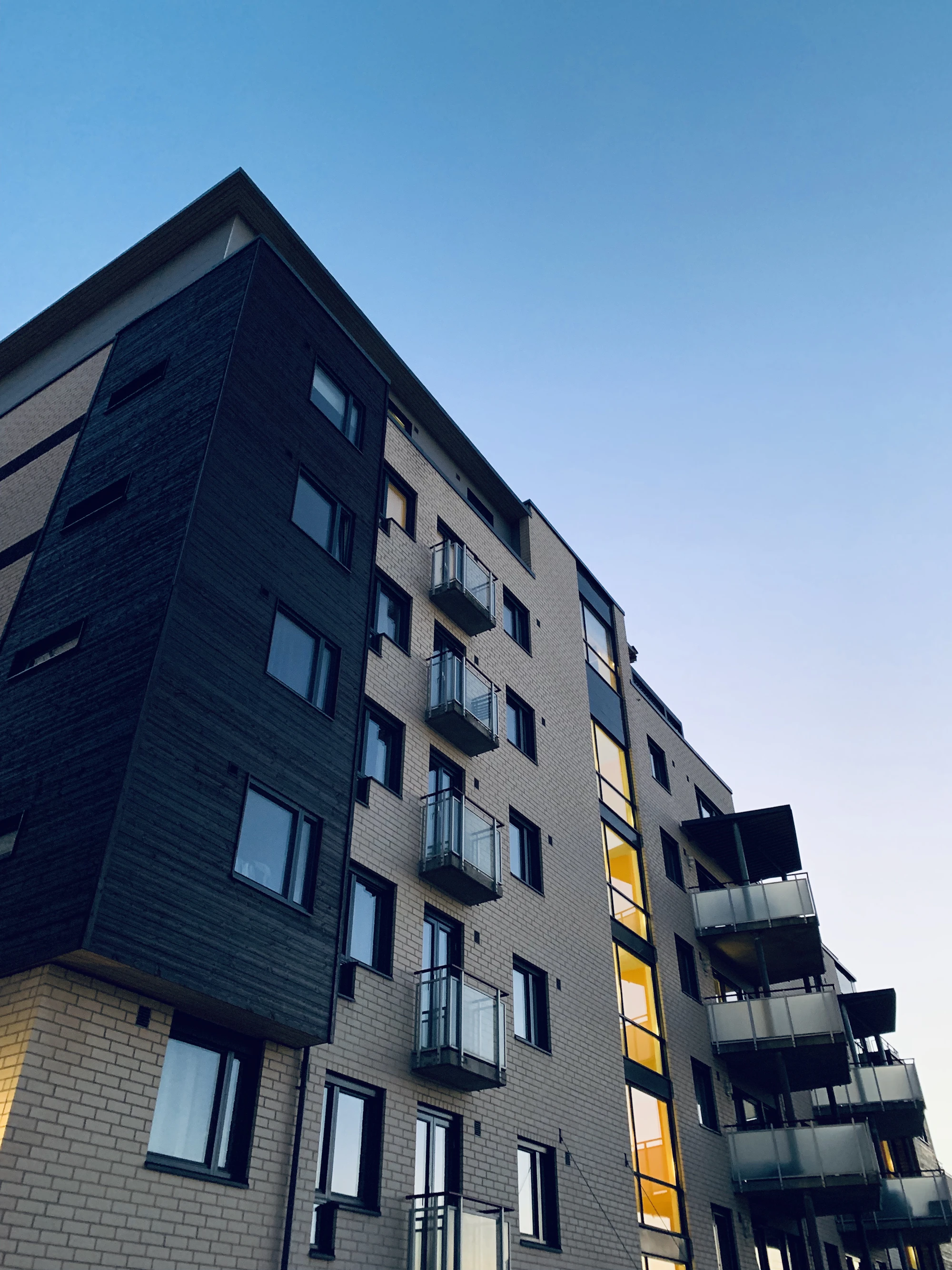
Baccarat Residences — Edgewater, Miami.
For California residents weighing a relocation to Miami, Edgewater has emerged as the neighborhood where waterfront luxury, walkability, and new-construction investment fundamentals converge in ways few markets can match. This guide cuts through the noise with the kind of granular, broker-level intelligence that turns a complicated multi-million dollar relocation decision into a confident, well-structured move.
Why California Buyers Are Choosing Miami's Edgewater Over Brickell and South Beach
California's high-net-worth exodus to Miami is now well into its second decade, but the destination within Miami has shifted meaningfully. Early relocators gravitating toward South Beach found the glamour they expected but also the congestion, the aging housing stock, and the operational complexity of living in what is functionally a global tourism district. Brickell offered financial-district density and Michelin-star dining but little in the way of the natural light, open water views, and mid-rise residential character that made California coastal living so appealing in the first place. Edgewater, positioned between the Design District's cultural energy and Brickell's financial gravity, offers something neither neighborhood can replicate: direct Biscayne Bay frontage, a still-evolving streetscape, and a concentration of architecturally ambitious new-construction towers that were designed precisely for this generation of discerning relocators.
The California buyer, particularly those arriving from the Bay Area or coastal Los Angeles, brings a sophisticated set of expectations that Edgewater is increasingly engineered to meet. They want open-plan living with significant glazing, panoramic water views that perform at both sunrise and sunset, amenity packages that rival or exceed the private club memberships they held in California, and walkable access to the kind of independent food and cultural scenes that make a neighborhood feel genuinely alive rather than developer-curated. Edgewater delivers on all four counts, with the added dimension that the neighborhood's density ceiling has not yet been reached, meaning the streetscape and retail mix will continue to improve over the coming decade in ways that directly support asset appreciation.
From a pure macro-economic standpoint, the California-to-Miami migration carries a structural logic that goes well beyond state income tax savings, though those savings are undeniably substantial. California buyers are frequently arriving with significant equity extracted from Bay Area or Westside Los Angeles properties that have appreciated dramatically over the past fifteen years. That equity, when redeployed into Miami new construction at price points that still lag comparable West Coast product on a per-square-foot basis, creates a meaningful wealth-building opportunity. Edgewater's pipeline of branded residences and architecturally distinguished towers is the segment of the Miami market where that redeployment strategy has historically produced the strongest results.
It is worth acknowledging what California buyers are giving up when they leave their home state, because understanding the trade-offs honestly is essential to making a relocation that sticks. The cultural density of Los Angeles, the natural geography of the Bay Area, and the established tech-community infrastructure of Silicon Valley are genuinely difficult to replicate anywhere else. Miami is not a substitute for those things; it is a different value proposition entirely. What Edgewater specifically offers as a compensation is a waterfront lifestyle at price points that feel generous by California standards, a social scene that is increasingly populated by exactly the kinds of entrepreneurs, artists, and global executives that made California's coastal neighborhoods so intellectually stimulating, and a climate that delivers the outdoor-living premium that California buyers consider non-negotiable.
Understanding Edgewater's Urban Geography and Neighborhood Trajectory
Edgewater occupies a narrow but strategically positioned strip of Miami running roughly from NE 17th Street in the south to NE 29th Street in the north, bounded by Biscayne Bay to the east and Biscayne Boulevard to the west. The neighborhood's eastern edge is its defining asset: a continuous shoreline that includes Margaret Pace Park, one of Miami's most actively used waterfront parks, and the baywalk infrastructure that the City of Miami has been steadily expanding. For California buyers accustomed to the pedestrian infrastructure of neighborhoods like Santa Monica's Ocean Avenue corridor or San Francisco's Embarcadero, Edgewater's baywalk presents a familiar form of civic amenity — publicly accessible waterfront where the daily rhythm of the neighborhood plays out in real time.
The neighborhood's trajectory from a transitional working-class area to one of Miami's most competitive luxury residential markets has been driven primarily by a handful of catalytic developments that established the design benchmark and attracted subsequent capital. The Related Group's Icon Bay was among the early institutional-quality projects to recognize Edgewater's potential; subsequent towers including Elysee and One Paraiso introduced the kind of branded, amenity-rich vertical residential product that California buyers recognized as analogous to the luxury condo buildings they had encountered in San Francisco's Rincon Hill or West Hollywood's new-construction corridor. Each successive development raised the architectural and amenity baseline, creating a compounding quality effect across the neighborhood.
Proximity to the Design District is an underappreciated asset for Edgewater residents and one that California buyers from Culver City, West Hollywood, or San Francisco's Hayes Valley will find immediately legible. The Design District — home to the highest concentration of luxury flagship retail in the southeastern United States — functions as Edgewater's cultural and commercial anchor to the northwest. The ability to walk or take a short bike ride to galleries, flagship stores for brands including Hermès, Louis Vuitton, and Cartier, and a rotating roster of serious restaurants provides the kind of retail and cultural infrastructure that most Miami neighborhoods lack. For buyers whose reference point is Beverly Hills' Golden Triangle or San Francisco's Union Square, the Design District is a meaningful quality-of-life variable that is difficult to quantify but easy to appreciate.
Biscayne Boulevard, Edgewater's western boundary, is undergoing a generational transformation that will significantly enhance the neighborhood's walkability and commercial vitality over the next five to seven years. Multiple mixed-use developments are in various stages of planning and approval along the corridor, with ground-floor retail and restaurant programming that will fill the gaps between the neighborhood's existing nodes of activity. For California buyers making a long-term relocation commitment, understanding Edgewater's trajectory rather than simply its current condition is essential analytical work. The neighborhood today is genuinely excellent; the neighborhood in 2030 — with a completed baywalk, a maturing Biscayne Boulevard corridor, and a critical mass of premium residential buildings — will be one of the most compelling urban waterfront addresses in the southeastern United States.
The Mechanics of New-Construction Resale Value in Miami's Luxury Condo Market
Resale value in Miami's new-construction luxury condo segment is driven by a different set of variables than resale value in the single-family markets that most California buyers are more familiar with. In a single-family market, land scarcity, school district quality, and neighborhood-level comps are the primary valuation drivers. In the luxury condo segment — particularly in a market as supply-sensitive and internationally connected as Miami — the relevant variables include building reputation and management quality, unit position within the building, the pace at which the neighborhood's amenity infrastructure matures, the developer's track record on construction quality and warranty performance, and macro-level demand drivers including international capital flows and domestic migration patterns. California buyers who approach Miami condo resale with a single-family valuation framework will consistently misread the market.
Building reputation is perhaps the single most durable driver of resale value in Miami's luxury new-construction segment, and it operates on a longer time horizon than most buyers initially appreciate. A building that launches with a strong architectural concept, delivers on its construction quality promises, maintains its amenity package through active and competent HOA management, and cultivates a desirable resident community will consistently command resale premiums over comparable product in the same zip code. The inverse is also true: buildings that underdeliver on construction quality, allow deferred maintenance to accumulate, or permit short-term rental activity to degrade the residential character of the building will see their resale premium erode over time, even in a rising market. Due diligence on HOA governance is not a peripheral concern — it is central to the resale value thesis.
Unit position within a building deserves significantly more attention than most buyers give it during the purchase decision, precisely because it is one of the variables most directly correlated with resale liquidity. High-floor units with unobstructed bay views consistently outperform lower-floor or city-view units on both price appreciation and days-on-market metrics in Miami's luxury condo segment. This dynamic is particularly pronounced in Edgewater, where the visual asset is the bay itself and where future development to the east is constrained by the water, meaning that upper-floor bay views are genuinely protected in a way that ground-level amenities are not. California buyers accustomed to trading a view premium for larger square footage on lower floors should recalibrate that preference in the Miami market — the view floor premium is real, persistent, and quantifiable at resale.
The branded residence model — in which a luxury hospitality brand licenses its name and service standards to a residential development — has proven to be one of the most reliable predictors of resale value outperformance in Miami's new-construction segment. The research across multiple global markets consistently shows that branded residences command a meaningful premium over unbranded product at comparable specifications, and that premium tends to be durable through market cycles because it is supported by the ongoing relevance of the brand itself. Developments like Baccarat Residences represent the leading edge of this model in Miami, where the association with a globally recognized luxury brand translates into a built-in buyer universe at resale that extends well beyond the local market and into the international networks of buyers for whom brand recognition is a critical purchase filter.
Baccarat Residences: The Brand, the Building, and the Resale Value Proposition
For California buyers evaluating Miami's new-construction luxury market, Baccarat Residences represents a case study in how the branded residence model, when executed at the highest level, creates a self-reinforcing value proposition. Baccarat, the French crystal house with a history dating to 1764, is not a hospitality brand searching for a new revenue stream — it is a brand whose equity is built on centuries of association with the highest levels of craftsmanship, exclusivity, and artistic distinction. That brand identity translates directly into the design language of the residences, where the interplay of light, crystal-inspired geometric elements, and precision material selection creates an interior environment that is genuinely distinctive rather than generically luxurious. For a buyer whose California reference points include architecturally significant buildings in San Francisco's Pacific Heights or Los Angeles' Century City, the level of design intentionality at Baccarat is immediately legible.
The amenity package at Baccarat Residences is structured around a philosophy of curated scarcity rather than programmatic excess — a distinction that matters enormously for resale. Buildings that compete on the quantity of amenities frequently discover that large portions of their amenity programming go unused, generating HOA cost without generating resident satisfaction or buyer appeal. Baccarat's approach, grounded in the hospitality sensibility of the brand, prioritizes the quality and the service delivery of each amenity over the raw count of facilities. A world-class spa, a genuinely impressive pool environment, and concierge services staffed to hospitality standards are more valuable at resale than an extensive but poorly maintained amenity deck. California buyers who have experienced the difference between a well-managed building and a poorly managed one will recognize this distinction immediately.
The location of Baccarat Residences within the broader Miami luxury landscape is a meaningful factor for California buyers trying to understand how the branded residence model intersects with neighborhood trajectory. While positioned near Brickell, the development benefits from proximity to both the financial district's established infrastructure and the cultural energy radiating from Wynwood and the Design District. For California buyers whose professional networks are increasingly distributed across multiple cities and time zones, the ability to access Miami's financial and creative communities from a single address is a practical advantage that compounds the lifestyle benefits of the building itself. The branded residence model also provides a degree of operational infrastructure — from maintenance coordination to concierge services — that makes the property function effectively as a primary residence for buyers who may spend significant time traveling.
Resale liquidity for Baccarat Residences units is supported by a buyer universe that extends well beyond Miami's domestic market. The Baccarat brand's global recognition ensures that international buyers considering a Miami acquisition — and there are substantial numbers of such buyers, particularly from Latin America, Europe, and increasingly Asia — will place a Baccarat property on their consideration set in a way that they might not for an unbranded development of equivalent physical quality. This expanded buyer universe at resale is not merely theoretical; it is reflected in the performance data of comparable branded residence projects in markets including New York, London, and Dubai, where branded product has consistently demonstrated superior resale velocity and price retention through market cycles. For California buyers whose primary concern is wealth preservation as much as lifestyle enhancement, this dimension of the branded residence model deserves serious analytical weight.
California vs. Florida Legal and Tax Framework: What Relocating Buyers Must Understand Before Closing
The tax advantages of relocating from California to Florida are well-publicized and genuinely significant, but the legal and regulatory framework surrounding condominium ownership in Florida differs from California in ways that require careful attention before executing a purchase. California buyers familiar with the Davis-Stirling Act — the comprehensive statute governing California community associations — will find Florida's Condominium Act to be a different but equally detailed regulatory regime. Florida has made significant legislative changes to condominium law in recent years, particularly following the Champlain Towers South collapse in Surfside, and understanding the implications of those changes for both HOA reserves and structural inspection requirements is essential due diligence for any Florida condo buyer.
Florida's Homestead Exemption is one of the most buyer-favorable provisions in the state's legal framework, but it requires deliberate action and carries a residency requirement that California buyers must take seriously. To claim the Homestead Exemption — which provides meaningful property tax savings and, perhaps more importantly, significant asset protection under Florida law — a buyer must establish Florida as their primary domicile, file for the exemption by the March 1 deadline in the year following purchase, and satisfy the state's residency requirements. For California buyers who are making a true primary-residence relocation, the Homestead Exemption represents a meaningful annual financial benefit; for buyers who are acquiring a Miami property as a secondary or investment residence while maintaining California as their primary domicile, it is not available and the property tax calculation changes accordingly.
The preconstruction contract structure for Miami new-development purchases operates differently from the typical California residential purchase agreement, and California buyers should engage Florida-licensed real estate counsel before executing any developer contract. Miami preconstruction agreements are typically negotiated by the developer's legal team and are written primarily to protect the developer's interests. Key areas for buyer-side legal review include the deposit escrow structure, the developer's rights regarding construction modifications and delivery timelines, the assignment and resale restrictions during the construction period, and the warranty provisions covering structural and mechanical systems post-delivery. These provisions vary significantly across developers and projects, and the differences have meaningful implications for both the buyer's financial exposure during the construction period and their flexibility at completion.
California's Foreign Investment in Real Property Tax Act obligations and federal withholding requirements under FIRPTA are not relevant for most domestic California-to-Miami relocators, but the broader question of how to structure the purchase entity — individual ownership versus LLC or trust — is one that Miami new-construction buyers should address proactively with qualified legal and tax counsel. The choice of ownership structure has implications for estate planning, asset protection, and the buyer's ability to eventually rent the unit or deploy it in a short-term rental program if the building and HOA permit such use. Florida's asset protection statutes, including the Homestead protection and the state's favorable treatment of certain financial instruments, can interact with purchase structure decisions in ways that create meaningful planning opportunities for buyers who take the time to think through these issues before closing rather than after.
Evaluating Construction Quality in Miami New Developments: A Framework for California Buyers
California buyers, particularly those from the Bay Area, have been educated by a housing market that places enormous weight on structural inspections and seismic standards. While Florida's construction environment involves a different set of physical risks — primarily wind and water rather than seismic activity — the underlying discipline of rigorous construction quality evaluation translates directly. Miami's building code has been significantly strengthened following Hurricane Andrew in 1992 and has continued to evolve, but code compliance represents a floor, not a ceiling, and the variance in construction quality above that floor between Miami's luxury new-construction towers is substantial. California buyers should not assume that a high price point or a prestigious brand partnership guarantees superior construction quality — those are necessary but not sufficient conditions.
Developer track record is the most reliable leading indicator of construction quality in Miami's new-development market, and California buyers should invest time in researching the specific developer behind any project under serious consideration. Key research areas include the developer's prior project delivery history (were buildings completed on schedule and on budget?), the litigation record for prior buildings (were there significant construction defect claims?), the management quality of HOAs in prior buildings (are the common areas well-maintained years after delivery?), and the developer's financial capitalization and banking relationships (is the project adequately funded to be completed as designed?). In Miami's development ecosystem, the variance between tier-one developers with multi-decade track records and less-established players is significant, and that variance directly affects both construction quality and the buyer's risk exposure during the preconstruction period.
The mechanical and systems specifications of a luxury condo tower — HVAC, plumbing, electrical infrastructure, elevator systems, and building envelope performance — are areas where California buyers should seek specific technical information rather than relying on marketing materials. Impact-resistant glazing specifications, in particular, are a critical variable in the Miami context: the difference between minimum code-compliant impact windows and premium-specification glazing systems is significant in terms of both hurricane performance and daily acoustic comfort. Buildings in Edgewater, positioned directly on or near Biscayne Bay, are exposed to salt air and moisture conditions that accelerate the degradation of inferior building envelope systems. The quality of the waterproofing, the specification of exterior finishes, and the design of drainage systems are all areas where a technically informed buyer or their representative should ask pointed questions.
Post-delivery performance is increasingly a factor that informed buyers investigate before committing to a preconstruction purchase, and there are now enough completed luxury towers in Miami's new-construction pipeline that such research is possible. Visiting residents of completed buildings, reviewing HOA meeting minutes (which are public documents in Florida), examining the building's reserve funding status, and consulting with property managers about the frequency and nature of maintenance issues in the first years post-delivery are all due diligence steps that a serious California buyer should take. The Surfside tragedy fundamentally changed the conversation around structural integrity and reserve funding for Florida condominiums, and the legislative response — which has significantly tightened requirements for structural inspections and reserve adequacy — means that buildings delivered in the current regulatory environment are subject to more rigorous ongoing oversight than those delivered even five years ago.
The Miami Lifestyle Dividend: What California Buyers Find When They Arrive in Edgewater
The lifestyle case for Edgewater is best understood through the lens of what California coastal residents are actually trying to optimize for in their daily lives, which is usually some combination of outdoor access, walkable amenity density, a genuine sense of community, and freedom from the logistical friction that degrades quality of life in high-cost, high-density markets. Edgewater delivers on these dimensions in ways that surprise many buyers who arrived with muted expectations. Margaret Pace Park — Edgewater's central outdoor asset — functions as a genuine community gathering space with active tennis and pickleball courts, a waterfront running path, and an informal social scene that makes it feel more like a neighborhood park in a European city than a typical Miami public facility. The park is crowded on weekend mornings with exactly the kind of active, educated, globally connected residents that California buyers hope to find in their new neighborhood.
The food and beverage ecosystem around Edgewater and the adjacent Wynwood and Design District neighborhoods has reached a level of maturity and diversity that California buyers can evaluate against their most demanding reference points. Within a fifteen-minute walk or bike ride of most Edgewater towers, residents have access to a genuinely impressive range of dining options, from serious chef-driven restaurants to neighborhood coffee shops with the kind of sourcing standards that Bay Area coffee culture has made California buyers accustomed to expecting. The Wynwood arts district, which has evolved from a street-art destination into a complex mixed-use neighborhood with galleries, boutiques, and a growing residential base, provides the kind of creative energy and visual stimulation that buyers from Los Angeles' Arts District or San Francisco's Mission District find immediately resonant.
The water access dimension of Edgewater living is one that requires direct experience to fully appreciate, and California buyers who are considering the neighborhood should make a point of spending time there at different points in the day before making a purchase decision. Biscayne Bay is not the Pacific Ocean — it is calmer, warmer, and more navigable than the open water California buyers are accustomed to — but it supports a water-sports and boating culture that is genuinely central to the Edgewater lifestyle. Paddleboarding, kayaking, and sailing are all accessible directly from the neighborhood's waterfront, and the proximity to the Miami Beach marinas and the broader Intracoastal Waterway system means that residents with larger vessels have excellent access to both bay and ocean cruising. For California buyers who lived near Newport Beach or Sausalito, the boating culture will feel familiar; for those whose California lifestyle was primarily land-based, it represents an entirely new dimension of outdoor recreation.
The climate variable deserves honest treatment in any guide for California buyers, because it is simultaneously Miami's greatest lifestyle asset and the source of its most significant adjustment challenges. Miami's subtropical climate delivers genuine outdoor living advantages for approximately nine to ten months of the year — warm water, abundant sunshine, and temperatures that make outdoor dining, water sports, and park use pleasurable on a daily basis. July and August are genuinely challenging months characterized by intense heat, humidity, and the threat of afternoon thunderstorms that can make extended outdoor activity uncomfortable. California buyers accustomed to Los Angeles' or San Diego's year-round outdoor lifestyle should calibrate their expectations accordingly and plan their calendar — and their property usage — around Miami's seasonal rhythm. The trade-off is broadly favorable for most buyers, but it is an honest trade-off rather than a straightforward upgrade.
Preconstruction Deposit Structure and Financial Risk Management for California Relocators
Miami's preconstruction luxury condo market operates on a deposit structure that is substantially different from the typical California residential purchase, and understanding that structure — including its risks and its potential advantages — is foundational due diligence for any California buyer entering the Miami new-development market. Most Miami preconstruction luxury projects require a total deposit of between 30% and 50% of the purchase price, paid in installments over the construction period. These installments are typically triggered by construction milestones — groundbreaking, construction commencement, building topping, and so forth — and the money is held in escrow during the construction period, though the specific escrow protections vary by project and should be reviewed carefully in the purchase contract.
The financial risk associated with a Miami preconstruction purchase is concentrated in two primary scenarios: developer insolvency or project abandonment before completion, and significant construction defects discovered at or shortly after delivery. The first risk is mitigated by rigorous developer due diligence — specifically, verifying the developer's capitalization, reviewing the construction financing structure, and confirming that the project has reached the presale thresholds required to trigger construction lending. Florida law provides certain buyer protections in the event of developer default, but the practical recovery of deposited funds in a failed project scenario can be a lengthy and uncertain process. California buyers who have any concern about a developer's financial stability should prioritize this diligence above all other purchase considerations.
The preconstruction purchase also carries the potential advantage of price appreciation between contract execution and delivery, which in a rising market can be substantial. California buyers who purchased Miami preconstruction during the period of 2018 to 2021 frequently found that their units had appreciated significantly by the time of delivery in 2022 or 2023, creating a gain on paper before they had even moved in. This dynamic is a function of Miami's sustained demand fundamentals and relatively constrained land supply in desirable waterfront neighborhoods like Edgewater, and it has been a meaningful component of the total return calculation for buyers who approached preconstruction with a medium-term investment horizon. The inverse risk — that market conditions deteriorate between contract and delivery — is real, and buyers should evaluate their own financial resilience to that scenario before committing to a large preconstruction deposit structure.
California buyers who are executing a full relocation strategy — selling their California property, extracting equity, and redeploying into Miami new construction — should work carefully with both a qualified financial planner and a Florida-licensed real estate attorney to structure the timing and capital flow of the transaction. The California property sale timeline, the preconstruction deposit schedule, the need for interim housing during the construction period, and the tax implications of a California property sale all need to be coordinated thoughtfully. A missed installment on a Miami preconstruction deposit can trigger significant contract penalties, and the liquidity demands of a simultaneous California exit and Miami entrance require careful planning. This is not a transaction that should be managed without professional guidance, and the cost of that guidance is trivially small relative to the financial stakes involved.
HOA Fees, Special Assessments, and the True Cost of Ownership in Edgewater New Developments
California buyers who own or have owned luxury condominiums in San Francisco, Los Angeles, or San Diego will have a reference framework for HOA fees, but Miami's luxury new-construction segment operates at a cost structure that can initially surprise even experienced condo owners. HOA fees in Edgewater's premium towers typically reflect the full cost of delivering the branded lifestyle and service package that defines these buildings — 24-hour concierge, valet parking, full-time maintenance and engineering staff, pool and spa operations, and the upkeep of extensive common area amenities. On a per-square-foot basis, these fees in the premium segment can be significant, and buyers should model the total cost of ownership — mortgage (if applicable), HOA fees, property taxes, and insurance — carefully before making a purchase decision.
Property insurance in Florida, particularly for coastal properties in Miami-Dade County, is a cost variable that California buyers consistently underestimate, and it deserves explicit attention in the purchase financial model. Florida's property insurance market has experienced significant dislocation in recent years, with multiple carriers exiting the state and remaining carriers implementing significant rate increases. For a luxury condo, the relevant insurance costs include the building's master policy (which is partially reflected in HOA fees) and the individual unit owner's HO6 policy covering interior improvements, personal property, and liability. The interaction between the master policy and the HO6 policy — specifically the question of what the master policy covers inside the unit versus what the unit owner must cover — varies significantly by building and should be reviewed carefully.
Special assessments represent one of the more consequential and less-discussed financial risks of Florida condo ownership, and the post-Surfside legislative environment has made this risk more salient for buyers in all market segments. Florida's updated condominium law now requires buildings of a certain age and height to undergo structural integrity reserve studies and to fund reserves in accordance with those studies, which has resulted in significant special assessment exposure for owners in older buildings that had historically been underfunding reserves. For buyers in new construction — particularly in buildings with well-capitalized developers and strong initial reserve funding — this risk is substantially lower, but it is not zero. Understanding the initial reserve funding structure of any building under consideration and the projected reserve adequacy over the first ten years of ownership is a reasonable and important due diligence step.
The net cost of ownership comparison between California and Miami frequently looks more favorable for Miami than the headline property price difference suggests, once the tax, insurance, and regulatory environment differences are fully accounted for. A California buyer selling a high-value property in a high-tax-basis scenario and redeploying into a Miami luxury condo will typically find that the elimination of California state income tax — which for high earners can represent a six-figure annual improvement — more than compensates for the higher Miami insurance costs and any HOA fee premium over their California reference point. This arithmetic is not a reason to make a purchase decision emotionally, but it is a reason to do the full financial modeling carefully and with qualified professional support, because the numbers often look considerably better than the initial sticker-price comparison suggests.
Building a Miami Real Estate Strategy as a California Relocator: Sequence, Timing, and Market Positioning
The most successful California-to-Miami relocation strategies share a common structure: they begin with a defined thesis about what the buyer is optimizing for — primary residence quality, investment return, lifestyle enhancement, or some combination of all three — and they execute against that thesis with patience and precision rather than speed. Miami's luxury new-construction market moves at a pace that rewards informed buyers who do their research thoroughly, and the opportunity cost of rushing into a purchase before completing the necessary due diligence is high in a market where individual transaction values routinely exceed five million dollars. California buyers who have navigated competitive Bay Area or Los Angeles markets will recognize the temptation to act quickly; they should resist that temptation until their Miami-specific knowledge base is genuinely solid.
The question of whether to purchase preconstruction or in an already-delivered building is one of the most consequential strategic decisions for a California relocator, and the right answer depends heavily on the buyer's specific timeline and flexibility. Preconstruction purchases in Edgewater offer the potential for meaningful price appreciation during the construction period, but they require patience — construction timelines in Miami regularly extend beyond initial projections — and the financial resilience to manage the deposit installment schedule without liquidity pressure. Buyers who are ready to move to Miami immediately, or who have a specific timeline driven by school enrollment, professional commitments, or the sale of their California property, may find that purchasing a recently delivered unit in an established building is a better fit for their situation, even at the premium that such units command over preconstruction pricing.
Working with a brokerage that has specific expertise in both the California buyer's perspective and the Miami new-development market is a meaningful advantage in executing a relocation strategy effectively. The nuances of how to evaluate developer credibility, how to read the Miami market's supply pipeline, which buildings have the strongest resale liquidity histories, and how to negotiate effectively within the constraints of a developer contract all require market-specific knowledge that a generalist agent or a California-based advisor simply cannot provide. The best Miami new-construction brokerages maintain direct relationships with developers and have transaction data on completed buildings that informs their advice in ways that are genuinely differentiated from what a buyer can learn through public research alone.
The long-term view for Edgewater's position within Miami's luxury real estate landscape is one that California buyers should engage with explicitly as part of their purchase rationale. Neighborhoods that are in the process of transitioning from emerging to established — which is precisely where Edgewater sits today — offer a combination of current lifestyle quality and future appreciation potential that is difficult to find in markets that have already fully matured. The Design District is fully established; South Beach is deeply mature; Brickell has been institutionally recognized for years. Edgewater is the neighborhood where the trajectory is still visibly upward, where the streetscape improvements, the baywalk extensions, and the maturing retail mix are still being delivered, and where a buyer who commits today can anticipate meaningful quality-of-life improvements to their immediate environment over the next five to ten years. That trajectory is itself a form of return — not captured in a cap rate or an IRR, but very much real in terms of the buyer's daily experience and the building's long-term resale appeal. If you have questions about current pricing or availability in Edgewater, Denis Smykalov at Wolsen Developments is available for a direct consultation — no obligation, just straight answers about what is actually on the market.
Frequently Asked Questions
As a California resident, how do I establish Florida domicile to qualify for the Homestead Exemption on my Edgewater condo?
Establishing Florida domicile requires a series of intentional legal and administrative steps that go beyond simply spending time in Miami. You will need to obtain a Florida driver's license and register your vehicles in Florida, file a Declaration of Domicile with the Miami-Dade County Clerk's office, update your voter registration to Florida, and update your will and trust documents to reflect Florida as your primary state of residence. You must then apply for the Homestead Exemption with the Miami-Dade Property Appraiser's office by March 1 of the year following your purchase and occupancy. Critically, you should simultaneously take steps to terminate your California domicile — including canceling your California driver's license, notifying your California employer or clients of your change of address, and ceasing to file California resident income tax returns — because California's Franchise Tax Board actively audits high-income individuals who claim to have relocated and will scrutinize the totality of your ties to the state. Consulting a tax attorney with experience in multi-state domicile transitions before making the move is strongly recommended.
What Florida condo law changes post-Surfside should I understand before buying in a new Edgewater tower?
Florida's Senate Bill 4-D, enacted in 2022 and subsequently modified, introduced sweeping new requirements for condominium structural integrity and reserve funding that directly affect both existing and new condo buyers. For buildings three stories or taller, the law now mandates milestone structural inspections at 30 years of age (25 years for buildings within three miles of the coastline) and every 10 years thereafter, with reserve funding requirements tied to the findings of a structural integrity reserve study that must be completed by December 31, 2024 for existing associations and within the first year for new associations. For buyers in newly delivered luxury towers in Edgewater, the most significant implication is that buildings are now required to maintain fully funded reserves — meaning you cannot vote to waive or reduce reserves as was previously permitted — which protects against the deferred maintenance cycles that contributed to older buildings' structural vulnerabilities. Before closing on any unit, request and review the HOA's most recent reserve study, the current reserve funding level relative to the study's recommended funding schedule, and the association's governing documents to confirm compliance with the new statutory requirements.
How does the preconstruction deposit escrow work in Miami, and what happens to my money if the developer defaults?
Florida law requires that buyer deposits on preconstruction condo purchases be held in an escrow account maintained by a neutral third party — typically a title company or escrow agent — and that these funds be protected from the developer's creditors in the event of developer insolvency, provided the escrow is properly structured and maintained. However, not all Miami preconstruction contracts are structured with the maximum level of buyer protection, and some developers negotiate for the right to draw down escrow funds during construction — a structure known as a 'hard' escrow release — which increases the buyer's exposure if the project is not completed. Before executing a preconstruction contract, have a Florida-licensed real estate attorney review the escrow provisions specifically, confirm that the escrow agent is independent of the developer, and verify the contractual remedies available to you in the event of developer default or failure to deliver the unit within the contract's specified timeframe. Additionally, research whether the project has secured a construction loan from a reputable institutional lender, as the underwriting process for that loan provides an additional layer of vetting on the developer's financial position and project viability.
What is the resale performance history of branded residences in Miami compared to unbranded luxury condos?
Research from multiple real estate consultancies, including Knight Frank's annual Branded Residences report, consistently shows that branded residences — buildings affiliated with recognized luxury hotel or lifestyle brands — command a price premium of between 20% and 35% over comparable unbranded luxury product in major global markets, and that this premium has proven to be durable through market cycles. In Miami specifically, the branded residence segment has outperformed the broader luxury condo market on both price appreciation and days-on-market metrics, with buildings affiliated with internationally recognized brands demonstrating superior resale velocity during market downturns because their buyer universe extends to internationally mobile buyers for whom brand recognition serves as a trusted quality proxy. The premium is most pronounced for units with desirable views and upper-floor positions, where the combination of the brand premium and the view premium creates a compounding effect that is well-documented in completed building transaction records. Buyers considering developments like <a href="/developments/baccarat-residences-brickell">Baccarat Residences</a> should review the specific transaction history of comparable branded residence projects in Miami — including their days-on-market data and price-per-square-foot appreciation relative to neighborhood benchmarks — as part of their investment due diligence.
Can I rent out my Edgewater condo on a short-term basis through Airbnb or VRBO, and how do I evaluate whether a building permits this?
The ability to use a Miami luxury condo for short-term rental is governed by three separate and overlapping regulatory layers: Miami-Dade County zoning and licensing requirements, the City of Miami's specific short-term rental regulations, and the individual building's condominium declaration and HOA rules. The City of Miami has historically been more restrictive than Miami Beach regarding short-term rentals, and many Edgewater luxury buildings explicitly prohibit short-term rentals of less than 30 or 180 days in their governing documents as a means of protecting the residential character of the building and maintaining their standing as primary-residence communities rather than de facto hotels. Before purchasing any unit with the intent to generate short-term rental income, request and read the full condominium declaration and the association's rental policy, confirm the minimum lease term permitted, and verify the current City of Miami licensing requirements and zoning classification for the specific property. Note that some newer buildings are specifically designed and licensed to accommodate short-term rental programs through a managed hospitality model — a structurally different and more legally supportable approach than independently listing a unit in a primarily residential building.
How should I think about flood insurance costs and risk for an Edgewater condo given its proximity to Biscayne Bay?
Flood insurance for a high-rise condo in Edgewater is primarily a building-level concern rather than an individual unit-owner concern, because the building itself — its foundation, structure, mechanical systems, and common areas — is the primary asset at risk from flood events, and that coverage is typically maintained through the building's master insurance policy funded by HOA fees. Individual unit owners on upper floors of high-rise towers generally have limited direct flood exposure for their personal property and interior improvements, and their HO6 policy (personal condo insurance) typically addresses interior contents and liability rather than structural flood damage. However, buyers should verify that the building's master policy includes adequate flood coverage — particularly given Edgewater's Flood Zone designation under FEMA's National Flood Insurance Program maps — and should understand how a significant flood event affecting the building's lower floors and mechanical infrastructure could impact the HOA's financial stability and the unit's habitability even for upper-floor residents. The broader question of Miami's long-term sea-level rise trajectory is a legitimate investment consideration that buyers should research through current scientific literature and discuss with their financial advisors as part of their long-term asset planning.
What are the key differences between buying directly from a developer versus buying a resale unit in a completed Edgewater tower?
Buying directly from a developer in a preconstruction or under-construction Edgewater tower offers several potential advantages: lower entry pricing relative to what the unit may be worth at completion in a rising market, the ability to select your preferred unit position and sometimes to customize finishes within the developer's offered options, and the possibility of significant appreciation between contract execution and delivery. The trade-offs are meaningful, however: you are committing capital before the product exists, you will typically wait two to four years for delivery, and you are exposed to the risk of construction delays, design modifications, and market shifts during that period. Buying a resale unit in a completed building provides immediate occupancy, the ability to physically inspect the unit and assess its actual condition and view quality rather than relying on renderings, access to the building's established management and HOA performance record, and elimination of construction risk — but typically at a price premium over the preconstruction pricing that the original buyer paid. For California buyers executing a full primary-residence relocation on a defined timeline, the certainty and immediacy of a resale purchase often outweighs the speculative appeal of preconstruction pricing, whereas buyers with flexibility and a longer investment horizon may find preconstruction more compelling.
How does Miami's property tax system work for a California buyer, and how does it compare to what I was paying in California?
Florida's property tax system is administered at the county level, with Miami-Dade County applying a millage rate to the assessed value of the property as determined by the Miami-Dade Property Appraiser. For non-homestead properties — those that are not the owner's primary Florida residence — the assessed value can increase by up to 10% per year, which means that over time, a property purchased at a given market value may have its assessed value ratcheted upward toward market value more quickly than a homesteaded property, for which the Save Our Homes provision caps annual assessment increases at 3% or the rate of inflation, whichever is lower. California buyers familiar with Proposition 13's strict 2% annual assessment cap will find Florida's system somewhat less predictable for non-homestead properties but potentially quite favorable for homesteaded primary residences, particularly in a period of rapid price appreciation. The effective total tax rate in Miami-Dade County for luxury residential properties is generally lower than the comparable effective rate in California's high-value coastal markets, but buyers should request a specific tax projection from their broker or attorney based on the actual purchase price and their intended use of the property.
What construction materials and hurricane-resistance standards should I specifically ask about when evaluating a new Edgewater tower?
The Florida Building Code, which governs all new construction in Miami-Dade County, requires impact-resistant glazing (windows and doors designed to withstand specific wind speeds and missile impact tests) and specifies minimum structural standards for wind load resistance, but there is significant variance in quality above the code minimum that buyers in the luxury segment should investigate. Specific questions to ask include: What is the design wind speed for the building's structural system, and does it exceed the minimum code requirement? Are all exterior glazing systems certified to the Miami-Dade product approval standards, and what is the specific wind-load rating of the primary window system? What exterior facade system is used — concrete, precast, glass curtain wall, or composite — and what is the expected maintenance cycle and durability of that system in the salt-air environment of Biscayne Bay frontage? For mechanical systems, ask about the elevation of all critical building systems above the building's Base Flood Elevation, the backup power generation capacity and fuel storage, and the redundancy built into the building's life-safety systems. The answers to these questions separate buildings that meet code from buildings that are genuinely engineered for long-term performance in Miami's coastal environment.
What due diligence should I conduct on an Edgewater HOA before committing to a preconstruction purchase?
For a preconstruction purchase where the HOA does not yet exist as a functioning entity, the relevant due diligence shifts from reviewing historical performance to scrutinizing the developer's proposed governance structure and financial commitments for the future association. Key documents to review include the proposed Declaration of Condominium, which establishes the rules governing the association; the budget prepared by the developer for the first year of HOA operations; the reserve funding schedule and the methodology used to calculate it; and any documentation of the developer's commitment to funding the HOA through the construction and initial operations period before a full complement of owners is in residence. For buildings in later stages of construction or recently delivered, request the HOA's most recent financial statements, the reserve study, the minutes of recent board meetings, and any notice of pending or threatened litigation involving the association or the developer. In Florida, completed association records are generally accessible to unit owners and prospective buyers, and reviewing them thoroughly — ideally with the assistance of a real estate attorney familiar with Florida condominium law — provides a level of insight into the building's management quality and financial health that no amount of developer marketing materials can substitute for.
Ready to Take the Next Step?