Star Island · off-market luxury real estate · family office real estate · Miami new development · ultra-luxury waterfront · Porsche Design Tower
Star Island Off-Market Luxury Home Purchases: A Miami New-Development Buyer Guide for Family Offices Diversifying Into Real Estate
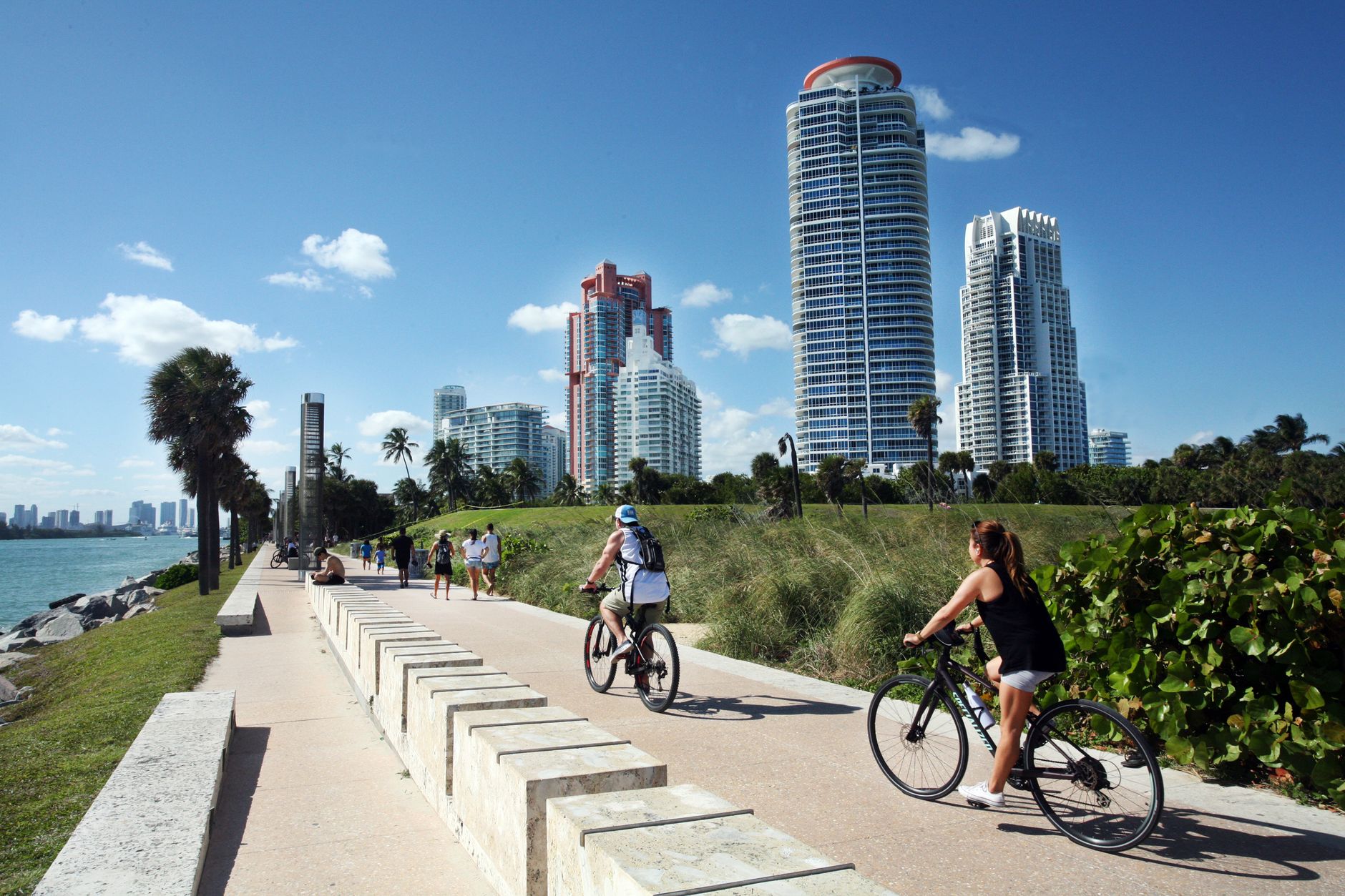
Porsche Design Tower — Star Island, Miami.
A comprehensive, data-informed guide for family offices and ultra-high-net-worth investors evaluating off-market residential acquisitions on Star Island, Miami — covering due diligence frameworks, deal-access strategies, and how comparable trophy assets like Porsche Design Tower inform valuation benchmarks.
Why Family Offices Are Turning to Miami Residential Real Estate in 2024 and Beyond
Institutional and family office capital has historically concentrated in commercial real estate, private equity, and fixed income. But a measurable shift is underway: ultra-high-net-worth families — many managing between $250 million and several billion dollars in assets — are deliberately carving out allocations to branded ultra-luxury residential assets in select U.S. markets. Miami sits at the center of this recalibration. A combination of no state income tax, favorable trust and estate planning laws under Florida statutes, sustained international demand, and an influx of finance, technology, and private equity principals has compressed cap rates on the city's most irreplaceable residential assets while keeping absolute appreciation trajectories intact.
Star Island, a man-made barrier island in Biscayne Bay accessible by a single guarded causeway, represents what portfolio managers might call the 'Tier 1 scarcity asset' within Miami's luxury residential ecosystem. Roughly 34 estate-sized lots exist on the island — a fixed supply that cannot be replicated by any amount of new construction. For a family office accustomed to underwriting hard assets, the math is straightforward: when demand compounds and supply is structurally capped, long-term value preservation is not speculative — it is arithmetic. The island's adjacency to the water, its gate-controlled security, and its historic concentration of entertainers, business figures, and foreign heads of state create a social and legal moat that has insulated values through multiple economic cycles.
Diversifying a family portfolio into Star Island real estate is not simply a real estate decision — it is a capital allocation decision with lifestyle optionality embedded in the asset. Many family offices structure these purchases as part of a broader holding strategy: the principal or a family member occupies the property during a portion of the year while the asset appreciates, affording both utilization and wealth-building without the volatility profile of publicly traded alternatives.
Understanding the Star Island Market: Scarcity, Pricing Dynamics, and What 'Off-Market' Actually Means
Because Star Island has so few transferable parcels, the conventional MLS-driven transaction model that governs most residential markets does not apply here in any meaningful way. The majority of significant Star Island trades — particularly those above $25 million — are negotiated privately, often years before a formal closing. Sellers on the island frequently have no urgency to list, no desire for public exposure, and no need to optimize for the broadest possible buyer pool. What they want is a qualified, credible counterparty who can transact without contingency drama, financing delay, or media attention. For a family office, that profile is a native fit.
Off-market in the Star Island context does not simply mean 'not yet listed.' It means the seller is open to a conversation that never becomes a listing at all. Accessing these conversations requires a combination of longstanding broker relationships, direct networking through the island's residential community, and occasionally a proactive outreach campaign through trusted intermediaries. The family office that waits for a Star Island property to appear on Zillow or the MLS will almost always be transacting on someone else's terms, at a price already shaped by competitive tension. The family office that has pre-established relationships with the right specialists enters those conversations with leverage, information, and timing on its side.
Pricing on Star Island defies simple per-square-foot analysis. A 15,000-square-foot mansion on a deep-water lot with a protected dock and unobstructed bay views will not be priced by the same logic as a similarly sized property on a shallow-water lot or one with an eastern exposure that captures sunrise rather than the Miami skyline at sunset. Experienced buyers and their advisors learn to weight lot depth, seawall linear footage, navigable water access, year of construction, and the cost and feasibility of reconstruction or renovation as distinct value drivers. Any family office underwriting these assets should build a model that treats each variable independently rather than relying on neighborhood-wide averages.
Due Diligence Architecture for Ultra-Luxury Off-Market Transactions
The due diligence framework for a Star Island acquisition differs materially from standard residential or even commercial real estate processes. Title examination must go deeper than a standard 30-year search given the age and history of many island parcels, some of which have passed through notable ownership chains and, occasionally, estate disputes or complex trust structures. Engaging a Miami-based real estate attorney with specific experience in high-value Biscayne Bay waterfront properties — not merely a general residential closing attorney — is a non-negotiable first step. That attorney should be retained before a letter of intent is signed, not after.
Environmental and structural due diligence deserves particular attention on a man-made island. Seawall condition, soil composition, flood elevation certificates, and the property's FEMA flood zone designation all affect both insurance cost and future capital expenditure planning. Miami-Dade County has been updating its building codes in response to climate and resilience considerations, and any serious buyer should understand not just the current regulatory environment but the likely trajectory of local code requirements over a 10-to-20-year ownership horizon. Some Star Island estates may require significant seawall remediation or dock permits that carry multi-year approval timelines.
For family offices with international principals, the acquisition structure itself requires careful legal and tax planning. Purchases through a foreign national, a domestic LLC, a land trust, or an irrevocable foreign trust each carry different FIRPTA implications, property tax treatment, and estate exposure. Florida law does provide significant homestead protections, but those protections are not available to entities — only to individuals who establish primary Florida residency. A family office structuring this purchase as a pure investment vehicle will want to model the full cost of ownership including Miami-Dade County millage rates, insurance (which has risen substantially in Florida), and property management for a property that may sit vacant for portions of the year.
How Porsche Design Tower and Branded Luxury Supply Inform Star Island Valuation
Understanding Star Island's value proposition requires placing it in the broader context of Miami's ultra-luxury residential supply. In recent years, branded residences have reshaped the ceiling of what buyers will pay for a Miami address. Porsche Design Tower in Sunny Isles Beach is a useful benchmark: a hyper-amenitized, architect-designed tower where residents drive their vehicles directly to their private sky garages via a robotic car elevator. Units in Porsche Design Tower have traded at and above $2,000 per square foot depending on floor, view, and configuration — a price point that would have been considered implausible in Sunny Isles a decade ago. The tower demonstrates, empirically, that Miami buyers will pay dramatically for scarcity, brand equity, and an irreplaceable product experience.
Star Island operates on a similar logic but at the land level rather than the vertical level. Where Porsche Design Tower delivers scarcity through a finite number of sky-garage units in a single building, Star Island delivers scarcity through a geographically finite number of estate lots on a private island. Both assets trade on the premise that their supply cannot grow. The family office that has studied trophy branded tower transactions is already equipped with the conceptual framework to evaluate Star Island: irreplaceable location, fixed inventory, and a buyer pool that is national and international in scope.
The strategic difference for a family office is the nature of the asset. A condo unit in a branded tower, however spectacular, is a shared-building asset with HOA governance, shared common elements, and a developer's ongoing brand stewardship. A Star Island estate is a sovereign asset — the family controls the land, the structure, the gate, the dock, and the experience entirely. For certain family principals, that distinction carries enormous weight that is not captured by price-per-square-foot comparisons. Both categories of asset serve legitimate portfolio purposes; the question is which best fits the family's investment thesis, utilization goals, and governance preferences.
Negotiation Strategy, Offer Structure, and Closing Considerations for Off-Market Star Island Deals
When approaching a Star Island seller off-market, the buyer's first communication must establish credibility before it establishes interest. A family office should expect to provide proof of funds — often in the form of a bank statement, brokerage letter, or family office attestation — before a seller or seller's representative will share meaningful information about the property or the seller's motivation. This is standard protocol at this price level and should not be interpreted as an adversarial request. Sellers of $30-to-$80 million-plus estates are not going to expose their home, their timeline, or their personal circumstances to a buyer who has not demonstrated the capacity to close.
Offer structure at this level often matters as much as offer price. A clean, all-cash offer with a 30-to-45-day due diligence period and a flexible closing timeline may be more compelling to a Star Island seller than a higher offer burdened with financing contingencies, inspection objection rights that invite renegotiation, or a buyer team that signals inexperience. Many family office buyers have the capital to close all-cash but prefer to structure post-closing financing — a bridge loan or portfolio loan drawn against the asset or other family assets after transfer — to preserve liquidity. That approach often gives the family office both the negotiating posture of an all-cash buyer and the capital efficiency of a leveraged buyer.
Closing costs and transfer taxes in Miami-Dade County are meaningful at this price level and should be modeled precisely before an offer is submitted. Documentary stamp taxes on the deed, intangible taxes on any mortgage, and title insurance for a property in the $30-to-$100 million range represent a non-trivial line item that affects net underwriting. A sophisticated buyer's representative will walk through these cost layers at the letter-of-intent stage so that there are no surprises at closing. For family offices accustomed to commercial transactions, many of these mechanisms will feel familiar — the vocabulary is different but the discipline of cost certainty before commitment is identical.
Building a Long-Term Miami Residential Strategy Around Star Island
A Star Island acquisition is rarely the end of a family office's Miami residential strategy — it is frequently the anchor around which a broader local portfolio assembles. Families that establish a footprint on Star Island often subsequently evaluate complementary assets: a Brickell or Edgewater condo for family members who live in Miami full-time, a rental-income-producing unit in a branded tower, or a commercial real estate position in Miami's rapidly expanding urban core. The local market knowledge developed through a Star Island transaction — the broker relationships, the attorney, the property management infrastructure — transfers directly to these adjacent acquisitions.
The long-term case for holding Star Island real estate rests on several durable structural factors. Miami continues to attract domestic migration from high-tax states, international capital from Latin America and Europe, and corporate relocations in finance and technology. Each of these demand drivers is relatively independent of the others, which means the buyer pool for Star Island estates is not concentrated in a single sector or geography — a meaningful distinction from resort markets whose demand is more monolithic. Additionally, the State of Florida has demonstrated a consistent legislative posture favorable to wealth preservation: no income tax, robust homestead protections, asset protection trusts, and a legal environment that has historically been friendly to private capital.
For family offices weighing this decision, the most practical starting point is not a property search — it is a conversation with a specialist who genuinely understands both the Star Island micro-market and the specific concerns of a family office buyer. The due diligence, tax structuring, and deal access questions are not generic real estate questions; they require a counterpart who operates at the intersection of institutional capital and ultra-luxury residential real estate. For current pre-construction pricing, availability, and access to off-market units in Star Island, contact Denis Smykalov at Wolsen Developments — denis@wolsenre.com or (305) 333-1122.
Frequently Asked Questions
How many properties are available for sale on Star Island at any given time?
Star Island has approximately 34 estate lots in total, and active listings are extremely rare — often only one to three properties are formally on the market at any given time. The majority of significant transactions occur off-market through private broker networks, which means published listing counts substantially underrepresent actual deal activity.
What is the typical price range for a Star Island home?
Star Island estates have historically traded in a range from roughly $20 million to well above $100 million depending on lot size, seawall footage, water depth, structure quality, and renovation status. Off-market and waterfront properties at the upper end of the island often command premiums well above any neighborhood average.
Can a foreign national or international family office purchase property on Star Island?
Yes, foreign nationals and international entities can purchase real estate on Star Island, but the transaction structure carries specific tax and legal implications including FIRPTA withholding requirements, potential estate tax exposure for foreign nationals, and restrictions on Florida homestead protections for entity-held properties. Engaging a qualified Miami real estate attorney before structuring the acquisition is essential.
How does a family office gain access to off-market Star Island properties?
Access to off-market Star Island deals typically comes through established relationships with specialist brokers who have longstanding trust with island homeowners, direct outreach campaigns through trusted intermediaries, and proactive networking within the island's residential community. Demonstrating financial credibility and transactional seriousness early in any conversation is critical to gaining a seller's confidence.
What due diligence is uniquely important for a Star Island purchase?
Beyond standard title and structural inspections, Star Island buyers should prioritize seawall condition assessment, soil and environmental analysis, flood elevation certification, FEMA flood zone designation review, and navigable water access and dock permitting status. Miami-Dade County's evolving building codes related to climate resilience also warrant careful review for long-term capital expenditure planning.
How does Porsche Design Tower relate to the Star Island market?
Porsche Design Tower in Sunny Isles Beach serves as a useful pricing and demand benchmark for Miami's ultra-luxury residential segment, demonstrating that buyers will pay substantial premiums for scarce, irreplaceable assets with strong brand and experiential differentiation. Star Island operates on a similar scarcity logic at the land level rather than the vertical condominium level, and its value trajectory tracks closely with the broader ultra-luxury market that includes branded towers.
Is it better for a family office to purchase Star Island property in cash or with financing?
Many sophisticated family office buyers close in cash to maximize negotiating strength with sellers, then arrange post-closing portfolio loans or bridge financing to restore liquidity without sacrificing transaction competitiveness. This approach gives the buyer both the credibility of an all-cash offer and the capital efficiency of leverage, subject to the family's overall balance sheet and interest rate considerations.
What ongoing costs should a family office model for a Star Island estate?
Ongoing costs include Miami-Dade County property taxes based on assessed value and applicable millage rates, homeowner's insurance (which has risen materially in Florida in recent years), flood insurance, property management fees if the principal is not in residence full-time, landscaping, dock and seawall maintenance, and security. These costs can be substantial and should be modeled in detail before underwriting a purchase.
Does Florida offer any asset protection advantages for family office real estate investments?
Florida provides meaningful asset protection benefits including strong homestead protections for individual primary residents, favorable trust law for domestic asset protection structures, and no state income tax. However, many of these protections apply specifically to individuals rather than entities, so the acquisition structure must be designed carefully in coordination with legal and tax counsel to capture the maximum available benefit.
How does a Star Island estate compare to a branded luxury condo like Porsche Design Tower as a family office investment?
A Star Island estate offers sovereign control over land and structure, no shared-building governance, and direct waterfront ownership — attributes that appeal to families seeking a private, fully controlled asset. A branded tower unit like Porsche Design Tower offers building-managed amenities, potentially stronger short-term rental income potential in markets where permitted, and a lower maintenance burden. Both serve legitimate portfolio roles; the right choice depends on the family's investment thesis, utilization plans, and governance preferences.
Ready to Take the Next Step?