short-term rental rules Miami · Miami condo investment · Ora by Casa Tua Brickell · Brickell short-term rental · Miami condo declaration review
Short-Term Rental Rules in Miami Condos, Neighborhood by Neighborhood: What Every Investor Needs to Know — Featuring Ora by Casa Tua in Brickell
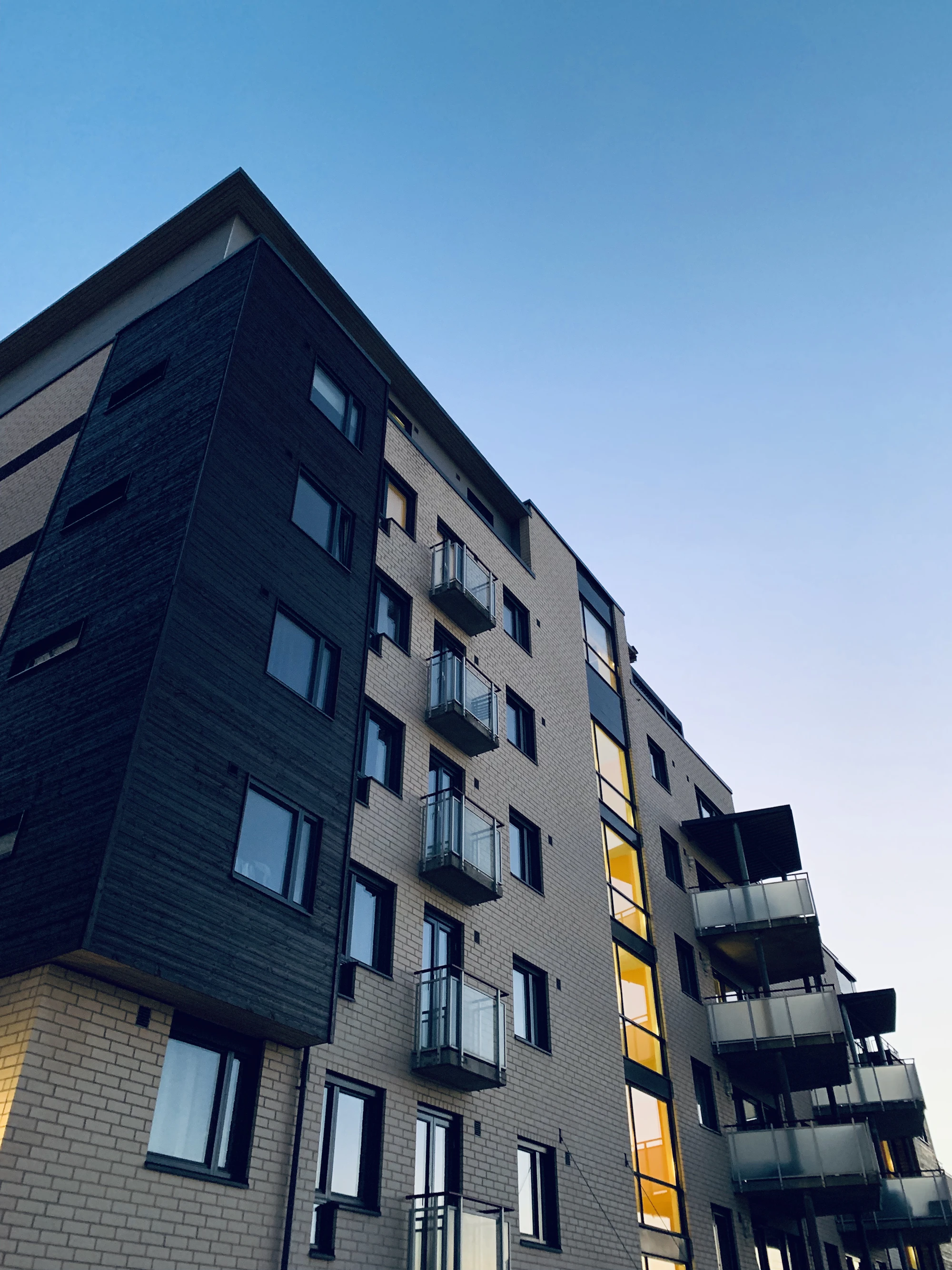
Ora by Casa Tua — Brickell, Miami.
Miami's short-term rental landscape is one of the most legally complex and financially consequential variables any condo investor will face — and the rules change dramatically depending on which neighborhood, which building, and which local ordinance applies to your unit. This guide breaks down the regulatory framework neighborhood by neighborhood, explains how to read condo documents for rental restrictions, and examines why <a href='/developments/ora-by-casa-tua-brickell'>Ora by Casa Tua</a> in Brickell represents one of the most strategically positioned short-term rental opportunities in Miami's new-construction market.
Why Short-Term Rental Rules in Miami Are More Complex Than Almost Any Other U.S. Market
Miami has long attracted investors seeking to combine luxury lifestyle with meaningful rental income, and for good reason: the city hosts more than 25 million visitors annually, commands among the highest average daily rates for short-term rentals in the continental United States, and draws a global traveler demographic willing to pay premium prices for well-positioned, well-appointed condos. But the regulatory environment governing short-term rentals — defined broadly as stays of fewer than 30 days — is layered, jurisdiction-specific, and subject to rapid change in ways that have blindsided even experienced real estate investors. Understanding the rules before you sign a purchase contract is not merely advisable; it is financially essential.
The complexity stems from a three-tier regulatory framework that applies simultaneously to virtually every Miami condo. First, there is state law: Florida statutes generally favor property owner rights and preempt local municipalities from banning short-term rentals outright, but they do not prevent regulations governing frequency, duration, and licensing. Second, there is municipal or county ordinance: Miami-Dade County, the City of Miami, Miami Beach, Surfside, Bal Harbour, and other incorporated municipalities each have their own registration, zoning, and compliance requirements that can be meaningfully more restrictive than state minimums. Third, and most immediately binding for condo buyers, there is the individual building's declaration of condominium, which may impose rental minimum stay requirements, approval processes, and fee structures that supersede everything else in practical terms.
The stakes are high for investors who overlook any one of these tiers. A buyer who purchases a unit in a building whose declaration requires a minimum 30-day rental stay — a far more common restriction than most buyers realize — and then attempts to list that unit on Airbnb or Vrbo is not merely violating a guideline; they are breaching their condominium documents, which can result in fines, legal action by the HOA, forced eviction of guests, and in some cases, the forced sale of the unit through a lien foreclosure. These consequences are not theoretical. Miami HOAs have pursued exactly these remedies, and courts have generally upheld the authority of condominium declarations to enforce rental restrictions.
What makes the Miami market particularly nuanced is that the same 30-day rule can exist in buildings located literally across the street from one another, with one building permitting nightly rentals through a managed hotel program and the adjacent building prohibiting any rental under six months. The difference frequently comes down to how the building was originally conceived — whether it was structured as a condo-hotel from the outset, whether the developer retained a rental management program, and whether the declaration was drafted with investor-owners in mind or with owner-occupants as the primary constituency. For buyers seeking short-term rental income, the legal review of the condominium declaration is not a formality — it is the most important document in the transaction.
The State and Municipal Regulatory Framework: Florida Preemption, Miami-Dade Rules, and the City of Miami's Registration Requirements
Florida's approach to short-term rental regulation has evolved significantly over the past decade, largely in response to pressure from municipalities seeking to control the proliferation of vacation rentals in residential neighborhoods. The state's current framework, shaped by amendments to Florida Statute 509 and subsequent legislative actions, prevents municipalities from adopting ordinances that prohibit short-term rentals entirely if those rentals were legal before a given municipality's regulations took effect. This provision has been the subject of considerable litigation, and while it protects property owners in many contexts, it does not create an affirmative right to operate a short-term rental in a building whose own governing documents prohibit it.
Within Miami-Dade County, unincorporated areas follow the county's own zoning and licensing framework, which requires short-term rental operators to obtain a Business Tax Receipt, comply with specific zoning classifications that permit transient use, and maintain their properties to minimum standards. However, the vast majority of Miami's most desirable condo developments are located within incorporated municipalities — the City of Miami, Miami Beach, Coral Gables, Aventura — each of which maintains its own, often more demanding, regulatory regime. The City of Miami, which encompasses Brickell, Edgewater, Wynwood, the Design District, and Downtown, has implemented a short-term rental registration program that requires annual licensing, guest recordkeeping, and adherence to noise, occupancy, and parking rules.
Miami Beach, which governs South Beach, Mid-Beach, and North Beach, represents arguably the most restrictive short-term rental environment in the metro area. The city has historically taken an aggressive stance toward vacation rentals in residential zones, imposing registration fees, requiring landlord representation agreements, and in some single-family and low-density multifamily zones, effectively prohibiting short-term rentals through zoning designations that do not permit transient occupancy. High-density hotel-zoned corridors along Collins Avenue and Ocean Drive operate under different rules, and many of the luxury condo-hotel developments in South Beach were specifically structured to exist within those hotel zoning designations — a critical distinction for investors.
For buyers focused on the City of Miami — where Brickell, Edgewater, and the Urban Core are located — the municipal framework is meaningfully more investor-friendly than Miami Beach, though still requiring proper compliance. The City of Miami's short-term rental ordinance, which has been updated multiple times since 2019, requires registration through the city's online portal, mandates that units meet minimum habitability and safety standards, and requires operators to collect and remit the applicable Tourist Development Tax — currently 6% in Miami-Dade — as well as state sales tax. Critically, the city's framework does not impose a minimum stay requirement at the municipal level, meaning the relevant minimum stay restriction for a City of Miami condo is almost always found in the building's own declaration rather than in local ordinance.
Reading Condo Declarations for Rental Restrictions: What Buyers' Attorneys Need to Look For
The single most important document any prospective condo investor should review before committing to a purchase is the Declaration of Condominium. In Florida, this document is recorded in the public records of the county where the property is located and governs virtually every aspect of how the association operates and how owners may use their units. For short-term rental purposes, the critical provisions are typically found in sections governing use restrictions, leasing requirements, and owner obligations to the association. The language varies enormously between buildings, and superficially similar phrases can have meaningfully different legal effects depending on how courts have interpreted comparable provisions.
Buyers should instruct their attorneys to look specifically for several categories of provision. First, minimum lease term requirements: these typically appear as explicit statements such as 'no lease shall be for a term of less than 30 days' or, in buildings with stricter policies, 'no lease shall be for a term of less than six months' or even 'no lease shall be for a term of less than one year.' Second, approval requirements: many associations require that all leases be submitted for HOA approval before they take effect, often with a review period of 15 to 30 days, which is operationally incompatible with short-term rental platforms that require near-instant booking confirmation. Third, tenant screening requirements: some declarations require background checks or credit reviews for all tenants, which again creates practical incompatibility with short-term rental operations.
Beyond these explicit provisions, experienced real estate attorneys also look for implicit restrictions that can be just as binding. A declaration that defines the permitted use of units as 'residential purposes only' or 'single-family residential use' may be interpreted — and has been interpreted by Florida courts — as prohibiting transient hotel-style occupancy, even if no explicit minimum lease term is stated. Conversely, declarations that include language expressly permitting 'hotel-style rentals,' 'transient occupancy,' or 'participation in a rental management program' are signals that the developer intended the building to support short-term rental activity and structured the governing documents accordingly. These distinctions are not always obvious to non-attorneys, which is precisely why independent legal review is indispensable.
One additional layer that sophisticated buyers review is the building's Rules and Regulations, which are typically adopted by the Board of Directors and can be amended more easily than the Declaration itself. These rules sometimes impose rental restrictions beyond what the Declaration requires — for example, adding check-in procedures, security deposit requirements, or quiet hours that affect the viability of short-term rentals. It is also worth examining any existing rental management agreements or preferred vendor relationships the association has established, as these can affect which platforms and management companies owners are permitted to use. A thorough legal review typically takes two to three weeks and costs between $1,500 and $5,000 depending on document complexity — a trivial expense relative to the financial consequences of purchasing a unit that cannot legally generate the rental income you planned on.
South Beach and Miami Beach: The Most Restrictive Short-Term Rental Environment in the Metro Area
For investors drawn to the glamour and global name recognition of Miami Beach, the regulatory environment demands particularly careful navigation. The City of Miami Beach has pursued one of the most aggressive anti-short-term-rental policies among major Florida municipalities, driven largely by quality-of-life complaints from permanent residents in residential neighborhoods that saw an explosion of party-house rentals following the rise of Airbnb. The city's current framework prohibits short-term rentals in most residential zones — RS-1 through RS-4 single-family and RM-1 low-density multifamily — and imposes significant enforcement mechanisms including fines that escalate steeply with repeated violations.
However, Miami Beach's hotel zoning districts — particularly the high-density hotel-residential zones along Collins Avenue, Ocean Drive, and portions of Washington Avenue — do permit transient occupancy, and this is precisely where most of the luxury condo-hotel developments in South Beach are located. Buildings like the Shore Club Private Collection, the Surf Club Four Seasons Residences, and historically the Setai have been structured specifically within hotel zoning classifications that allow nightly rentals. The key distinction for buyers is that these buildings are not merely located in Miami Beach; they are located in the specific zoning sub-districts that permit transient use, and their declarations were drafted explicitly to accommodate short-term rental programs.
Even within Miami Beach's hotel zones, the practical viability of short-term rental income depends heavily on the specific building program. Some condo-hotel structures require owners to place their units in the building's managed rental pool for a minimum number of days per year, splitting revenue with the hotel operator at ratios that can range from 50/50 to 70/30 in the operator's favor. Others give owners more flexibility to manage rentals independently but require compliance with the hotel's brand standards — meaning you cannot simply list your unit on Airbnb without going through the hotel's system. Understanding exactly what the rental program entails, what management fees apply, and what revenue share structure governs the relationship between owner and operator is as important as understanding the legal minimum stay requirements.
For buyers who are primarily lifestyle purchasers — seeking a pied-à-terre on South Beach for personal use with occasional rental income as a secondary benefit — Miami Beach's framework is workable within the right building structure. But for buyers whose primary motivation is maximizing short-term rental yield, the combination of hotel-zone zoning requirements, high HOA fees (often $2,000 to $4,000 per month or more in luxury buildings), significant tourist taxes, and operator revenue shares can compress net yields more dramatically than buyers initially anticipate. The lesson is not that Miami Beach investment is inadvisable — it is that the financial modeling must account for all of these variables with precision before the purchase commitment is made.
Brickell: Why Miami's Financial District Has Become the Most Investor-Friendly Neighborhood for Short-Term Rental Condos
Brickell — Miami's rapidly urbanizing financial district located just south of Downtown — has emerged over the past decade as arguably the most favorable neighborhood in the Miami metro for condominium investors seeking legitimate short-term rental income. The combination of City of Miami municipal jurisdiction (which does not impose its own minimum stay requirement at the municipal level), a high concentration of new-construction buildings that were designed from the outset to accommodate investor-owners, proximity to major corporate headquarters and the Brickell City Centre lifestyle complex, and a guest demographic that skews toward high-income business travelers and international visitors creates conditions that are genuinely distinctive among Miami's major condo markets.
The transformation of Brickell from a primarily office-and-banking corridor into a genuine live-work-play urban neighborhood has been one of the defining real estate stories of the 2010s and 2020s. The opening of Brickell City Centre in 2016, the proliferation of destination restaurants and nightlife venues, and the continued migration of financial services firms from New York and the Northeast have collectively created a neighborhood that attracts both long-term residents and short-term visitors seeking an authentically urban Miami experience. This dual-demand dynamic is meaningful for rental investors: a well-positioned Brickell condo can capture weekend leisure travelers, weekday business travelers, and monthly corporate housing demand within the same calendar year, allowing for dynamic pricing and strong year-round occupancy.
Brickell's condo market also reflects a developer awareness of investor demand that is visible in how buildings are structured. A significant proportion of Brickell's new-construction developments — particularly those conceived since 2018 — include declarations that explicitly permit short-term rentals, either through a building-managed rental program or through owner-managed platforms subject to building registration requirements. Some buildings have gone further, partnering with property management companies to provide white-glove rental services for owner-investors, handling everything from platform listing management to check-in, housekeeping, and maintenance. This infrastructure reduces the friction of operating a short-term rental in a luxury building and makes the income stream more passive for owners who are not locally based.
The financial profile of Brickell short-term rentals has attracted considerable institutional attention. Gross rental yields for well-managed short-term rental units in Brickell's upper-midrange and luxury segment have historically ranged between 5% and 8% annually, depending on unit size, building amenities, and management quality — a meaningful premium over the 2% to 4% gross yields typical of long-term leases in the same buildings. After accounting for platform fees (typically 15% to 20% on Airbnb and Vrbo), property management fees (typically 20% to 30% of gross revenue for full-service management), HOA assessments, property taxes, and maintenance reserves, net yields of 3% to 5% are achievable in well-selected Brickell properties — figures that compare favorably with most luxury residential real estate investments in gateway U.S. cities.
Ora by Casa Tua in Brickell: How a Lifestyle Brand Partnership Creates a Distinctive Short-Term Rental Investment Case
Within Brickell's competitive landscape of investor-oriented luxury condos, Ora by Casa Tua occupies a genuinely singular position. The development is the product of a collaboration between a prominent real estate developer and Casa Tua, the celebrated Florentine-inspired hospitality brand that has operated one of Miami Beach's most beloved restaurants and private clubs since 2003. Casa Tua's reputation for understated, deeply curated European-style hospitality — a world away from the bottle-service flash that defines many Miami venues — gives Ora a brand identity that resonates powerfully with the sophisticated international traveler demographic that Brickell increasingly attracts. For short-term rental investors, the brand affiliation is not merely an amenity; it is a marketing differentiator that can meaningfully affect both nightly rates and occupancy.
The project is being developed in the heart of Brickell, positioning residents within walking distance of the neighborhood's financial district, Brickell City Centre's retail and dining, and the Mary Brickell Village entertainment complex. The tower's program reflects Casa Tua's hospitality DNA throughout: residences are designed with the warmth and materiality of a well-appointed European home rather than the cold, ultra-modern aesthetic that characterizes many of Brickell's glass-tower developments. Finishes are curated with particular attention to texture, natural materials, and an overall sense of lived-in luxury that photographs exceptionally well for short-term rental listings — a practical consideration that sophisticated rental investors increasingly factor into their acquisition decisions, given that professional photography and aesthetic appeal are among the strongest predictors of Airbnb performance.
Casa Tua's involvement in the project extends beyond brand licensing to an active hospitality program that provides residents and their guests with services and experiences consistent with the brand's club-like ethos. This integration of genuine hospitality programming into the residential experience is a key differentiator for short-term rental operators: guests booking a stay at a Casa Tua-branded residence in Brickell are purchasing access to a lifestyle experience, not merely square footage, which supports premium nightly rate positioning. For investors, this translates into a more defensible pricing position relative to comparably sized units in buildings without comparable hospitality infrastructure — a meaningful competitive advantage in a market where short-term rental supply has grown substantially.
From a structural perspective, prospective buyers should engage qualified legal counsel to review Ora by Casa Tua's condominium declaration and any associated rental program documents as part of their due diligence. As with any luxury new-construction purchase in Miami, the specific terms governing short-term rental permissions, any requirements to participate in or work within a managed rental program, revenue sharing arrangements if applicable, and any restrictions on independent platform listings are all material to the investment case. The building's positioning as a hospitality-branded product strongly suggests that the development team designed the governing documents with investor-owners in mind — but buyers must verify the specific terms rather than assume, and any representations made by the developer's sales team should be confirmed in writing in the purchase agreement and condominium documents.
Edgewater, Wynwood, and the Design District: Emerging Short-Term Rental Markets With Distinctive Guest Demographics
North of Brickell and the Urban Core, Miami's Edgewater neighborhood has experienced a dramatic transformation over the past decade, evolving from an underinvested waterfront corridor into one of the city's most active new-construction luxury condo markets. Edgewater's position on Biscayne Bay, its proximity to Wynwood's art galleries and restaurants, and its relatively favorable land costs for developers have attracted a wave of marquee projects including Aston Martin Residences, Elysee, Missoni Baia, and others. For short-term rental investors, Edgewater presents an interesting opportunity: the neighborhood is within City of Miami jurisdiction (meaning no municipal minimum stay requirement), the guest demographic skews toward art-world visitors, design professionals, and affluent millennials seeking an alternative to South Beach's well-worn hotel corridor, and average nightly rates for well-positioned waterfront units have risen steadily as the neighborhood's profile has grown.
The short-term rental landscape in Edgewater is governed primarily by individual building declarations, which vary considerably in their permissiveness. Some of the neighborhood's newer luxury towers were designed with investor-owners explicitly in mind and include declarations that allow short-term rentals through approved platforms and management companies. Others, particularly those marketed primarily to owner-occupants or international buyers seeking a permanent Miami residence, may impose 30-day or longer minimum lease terms. Buyers in Edgewater should be particularly attentive to the distinction between buildings marketed as 'condo-hotels' — which typically have explicit short-term rental infrastructure built into their operational model — and conventional luxury condos that merely permit month-to-month leasing.
Wynwood's short-term rental market is smaller in scale but commercially interesting for investors willing to operate in a neighborhood that skews younger and more culturally eclectic than Brickell or South Beach. The neighborhood's transformation from a warehouse arts district into a globally recognized cultural destination has created a distinctive visitor demographic — one that is willing to pay meaningful nightly rates for authentically cool, well-designed accommodations within walking distance of the galleries, murals, and restaurant scene that made Wynwood famous. Purpose-built luxury residential developments in Wynwood are newer and fewer than in other neighborhoods, and the short-term rental framework is still evolving, but early data suggests strong demand from the arts-and-culture tourism segment.
The Design District, Miami's luxury retail and gallery enclave, represents perhaps the most interesting emerging short-term rental market in the city's north-central neighborhoods. The area's concentration of flagship luxury brand boutiques — Hermès, Louis Vuitton, Prada, Cartier, and dozens of others — combined with world-class galleries and a growing restaurant scene attracts a very specific visitor profile: high-net-worth shoppers, art collectors, and design professionals whose accommodation budgets are substantial and whose preference for privacy and residential-style living makes luxury condo rentals a natural fit. Residential development in the Design District has been limited by its commercial character, but as mixed-use projects with residential components continue to emerge, short-term rental investors with the right product and positioning stand to capture a premium segment of Miami's visitor economy that traditional hotel inventory serves imperfectly.
Coconut Grove, Coral Gables, and South Miami: Where Long-Term Rental Economics Typically Dominate
Miami's southern neighborhoods — Coconut Grove, Coral Gables, and South Miami — present a meaningfully different short-term rental picture than the high-density urban corridors to the north. These are, by character and zoning, more residential communities: lower-density, more family-oriented, with a culture that tends to favor long-term neighborhood stability over transient visitor traffic. Coral Gables in particular has historically been among the most protective municipalities in Miami-Dade when it comes to enforcing zoning regulations that limit short-term rentals in residential zones, and while the Florida preemption statute constrains what Coral Gables can prohibit outright, the city's enforcement posture has been consistently aggressive relative to neighboring municipalities.
For condo investors specifically — rather than single-family home investors — the short-term rental opportunity in these southern neighborhoods is constrained not just by municipal regulation but by the nature of the condo supply itself. Coconut Grove and Coral Gables tend to have an older, smaller inventory of luxury condos compared with Brickell or Edgewater, and many of the buildings in these neighborhoods were developed in an era when short-term rental investment was not a primary driver of condo purchasing decisions. As a result, their declarations often reflect 30-day or longer minimum lease terms that were standard practice at the time of development and that have not been modified by subsequent HOA action.
The economic case for short-term rentals in these neighborhoods is also less compelling than in the urban core, largely because visitor demand for accommodations specifically in Coconut Grove or Coral Gables — as opposed to South Beach, Brickell, or Downtown — is more modest. These are neighborhoods that visitors tend to pass through rather than anchor in, and average daily rates for short-term rentals reflect that reality. Where these neighborhoods shine is in long-term rental demand: Coconut Grove and Coral Gables consistently attract high-income professional tenants — often executives, attorneys, physicians, and business owners — who value neighborhood quality, school district access, and relative quiet over proximity to Miami's nightlife and hospitality scene. Long-term lease yields in these markets can be quite competitive, and vacancy rates for well-positioned luxury units are typically low.
For investors whose strategy centers on short-term rental income, Coconut Grove, Coral Gables, and South Miami are generally suboptimal choices compared with Brickell, Edgewater, or carefully selected Miami Beach hotel-zone buildings. However, for buyers seeking a different kind of investment thesis — stable, long-term leases with low management intensity, lower regulatory risk, and strong tenant quality — these southern neighborhoods merit serious consideration. Many sophisticated investors deliberately build portfolios that blend short-term rental assets in high-visitor-demand locations like Brickell with long-term rental assets in stable family neighborhoods like Coral Gables, using the different risk-return profiles of each to balance overall portfolio volatility and cash flow predictability.
Sunny Isles Beach and Aventura: Luxury Supply Concentration, HOA Complexity, and the Branded Residence Factor
Sunny Isles Beach — the barrier island north of Miami Beach that has become one of Florida's densest concentrations of luxury branded-residence towers — presents a unique short-term rental environment shaped by the specific characteristics of the branded-residence product type. Buildings like Porsche Design Tower, Armani Casa Residences, Bentley Residences, Pagani Residences, and others in the Sunny Isles corridor were developed primarily for affluent owner-occupants and pied-à-terre buyers, and their condominium declarations frequently reflect that primary constituency. Minimum lease terms of 30 days or longer are common in this market, and some buildings have stricter policies still, with six-month minimums that make any short-term rental strategy legally impermissible.
The branded-residence model, while commanding premium sale prices and delivering exceptional lifestyle value to owner-occupants, creates a somewhat ambiguous investment environment for buyers whose primary motivation is short-term rental income. The high absolute price points — frequently $3 million to $30 million or more for units in the most marquee Sunny Isles towers — mean that rental yields, even under optimistic assumptions, are often insufficient to service the capital cost of the investment. Where Sunny Isles branded residences do perform strongly is in appreciation and capital preservation: the scarcity of specific branded addresses, the ongoing global demand for trophy residential real estate from high-net-worth international buyers, and the relative stability of South Florida's ultra-luxury market have historically supported strong long-term value retention.
Aventura, immediately north of Sunny Isles Beach, sits within the City of Aventura's jurisdiction and has its own regulatory framework governing short-term rentals. The city's condo stock is large and varied, ranging from older mid-rise buildings near Aventura Mall to newer luxury towers with sophisticated amenity programs, and the rental policies across this inventory are similarly varied. Aventura's proximity to the Turnberry Isle resort, Aventura Mall, and the Brightline rail station (providing direct connections to Brickell, Miami Airport, and eventually Orlando) has enhanced its appeal for both long-term and short-term rental demand, and newer buildings in the market have been more deliberate in structuring declarations that accommodate investor-owners.
For investors considering the Sunny Isles and Aventura corridor specifically for short-term rental income, the most critical due diligence step is obtaining and reviewing the specific condominium declaration and any associated rental program documents for the target building — not making assumptions based on neighborhood-level trends. The variance between buildings in this market is substantial: two towers in the same block can have declarations that differ fundamentally in their permissiveness toward short-term rentals, and the difference between a building that allows 30-day minimums and one that requires six-month minimums can mean the difference between a viable short-term rental investment and one that is legally impossible to operate as planned. Independent legal review by a Florida-licensed real estate attorney with specific condominium law experience is non-negotiable.
Building a Compliant, Profitable Short-Term Rental Strategy in Miami: Due Diligence Checklist and Tax Considerations
For buyers who have identified the right building in the right neighborhood and confirmed through legal review that short-term rentals are permitted under the condominium declaration, the next step is building an operational framework that maximizes revenue while maintaining full legal compliance. The compliance obligations are multi-layered and ongoing: operators must maintain current Florida Department of Business and Professional Regulation (DBPR) vacation rental licenses (required for rentals of fewer than 30 days in any dwelling listed for four or more times per year), current City of Miami short-term rental registrations where applicable, and current Business Tax Receipts from the relevant municipality. These licenses typically must be renewed annually and may require property inspections.
Tax compliance is a particularly critical area where Miami short-term rental operators frequently make costly errors. The applicable tax obligations include Florida state sales tax (currently 6%), Miami-Dade County's Tourist Development Tax (currently 6%, making the combined tax burden 12% on top of the nightly rate), and potentially additional city-specific taxes depending on jurisdiction. Airbnb and Vrbo collect and remit some of these taxes automatically in Florida as of recent regulatory agreements, but operators who manage bookings outside of these platforms — through direct booking websites, corporate housing companies, or travel agents — are responsible for collecting and remitting these taxes themselves. Failure to do so can result in back tax assessments, penalties, and interest that can substantially erode or eliminate the investment's profitability.
Property management selection is among the most consequential operational decisions a short-term rental investor will make. Full-service luxury short-term rental management in Miami typically costs between 20% and 30% of gross rental revenue, in exchange for which the management company handles everything from platform listing optimization and dynamic pricing to guest communication, check-in, housekeeping, maintenance coordination, and regulatory compliance. For investors who are not locally based — a significant proportion of Miami's luxury condo buyer pool — full-service management is essentially mandatory. The quality differential between management companies in Miami is substantial, and buyers should interview at least three to five operators, review their platform ratings, speak with existing clients, and examine their specific experience managing units in the target building before committing.
The overall financial model for a compliant, well-managed Miami short-term rental should account for gross rental revenue, less platform fees (15-20%), less property management fees (20-30% of gross), less applicable taxes (12% tourist and sales tax where not collected at source), less HOA assessments, less property taxes (typically 1.8% to 2.2% of assessed value in Miami-Dade annually), less insurance, and less a maintenance and capital reserve. When all of these costs are modeled accurately, the net yield for a luxury Miami short-term rental typically falls between 2.5% and 5% on purchase price — meaningfully higher than long-term rental yields in the same buildings, but achievable only with excellent management, strong occupancy, and full legal compliance. Buyers who model short-term rental income without rigorously accounting for all of these cost layers frequently find their actual returns fall well short of projections, which is why conservative underwriting and independent financial modeling are as essential as legal due diligence. If you have questions about current pricing or availability in Brickell, Denis Smykalov at Wolsen Developments is available for a direct consultation — no obligation, just straight answers about what is actually on the market.
Frequently Asked Questions
Can I legally rent my Miami condo on Airbnb or Vrbo?
Whether you can legally operate a short-term rental in a Miami condo depends on three simultaneous requirements: the Florida state licensing framework (which requires a DBPR vacation rental license for rentals under 30 days listed four or more times per year), the applicable municipal ordinance for the specific city or county jurisdiction where the property is located, and — most critically — the language of your individual building's Declaration of Condominium. Many Miami luxury condos include minimum lease term requirements of 30 days or longer in their declarations, which legally prohibits short-term rentals regardless of what municipal rules say. Before purchasing any Miami condo with short-term rental income in mind, you must have a qualified Florida real estate attorney review the declaration to confirm what rental terms are permitted. Representations from the developer's sales team are not a substitute for a legal review of the recorded documents.
What taxes do I owe on short-term rental income in Miami?
Short-term rental operators in Miami are subject to multiple overlapping tax obligations. Florida state sales tax is currently 6% on transient rental income, and Miami-Dade County's Tourist Development Tax adds an additional 6%, bringing the combined tax burden to 12% on the nightly rate charged to guests. In some municipalities, additional city-level taxes may apply. Major platforms like Airbnb and Vrbo now collect and remit Florida sales tax and the Tourist Development Tax automatically for bookings made through their platforms, but operators who receive bookings through direct channels, corporate housing companies, or travel agents remain responsible for collecting and remitting these taxes themselves. Income from short-term rentals is also subject to federal and state income tax reporting requirements. Engaging a CPA with specific experience in Florida short-term rental taxation is strongly recommended, as errors in this area can result in back assessments, penalties, and interest that materially affect investment returns.
What is the difference between a condo-hotel and a regular luxury condo in Miami, and how does it affect rental income?
A condo-hotel is a building that was designed, zoned, and legally structured from the outset to operate like a hotel — meaning individual units are sold to private owners who then participate (often mandatorily) in a centrally managed rental pool operated by a hotel brand or management company. Condo-hotels typically occupy hotel-zoned parcels, which in Miami Beach specifically is often a prerequisite for legally conducting transient (under 30-day) rentals. Regular luxury condos are zoned for residential use, and their ability to permit short-term rentals depends entirely on the language of their individual declarations. In a condo-hotel, the rental program infrastructure, brand marketing, and guest services are built into the operational model; in a regular luxury condo, the owner is responsible for all of those elements independently. Condo-hotel revenue sharing with the operator (often 50/50 or less favorable to the owner) is an important factor in modeling net yields, and must be compared carefully against the costs and revenues of self-managed short-term rentals in declaration-permissive conventional condos.
How does Ora by Casa Tua in Brickell position itself for short-term rental investors?
Ora by Casa Tua occupies a distinctive position in Brickell's luxury condo market due to its integration with the Casa Tua hospitality brand, which is known for understated, European-inspired luxury experiences that resonate strongly with affluent international travelers. For short-term rental investors, the brand affiliation supports premium nightly rate positioning relative to comparable units in unbrandded buildings, because guests are purchasing access to a curated lifestyle experience rather than merely square footage. The building's location in Brickell places it within City of Miami jurisdiction, which does not impose a municipal minimum stay requirement, meaning the relevant rental restrictions are governed by the building's own declaration. Prospective buyers should have qualified legal counsel review Ora by Casa Tua's specific condominium documents to confirm the exact terms governing short-term rental permissions, any managed rental program requirements, and any revenue sharing arrangements that may apply.
Which Miami neighborhoods are the most favorable for short-term rental condo investments?
Brickell and Edgewater — both within City of Miami jurisdiction — are generally considered the most favorable Miami neighborhoods for short-term rental condo investment, because the City of Miami does not impose a municipal minimum stay requirement, leaving rental flexibility to be determined at the building level, and because newer developments in these neighborhoods were frequently designed with investor-owners in mind. South Beach and Miami Beach hotel-zone corridors can also support short-term rentals, but only in buildings specifically located within hotel zoning districts, and operators must navigate additional complexity around condo-hotel program requirements and revenue sharing. Coral Gables and Coconut Grove are typically less favorable for short-term rental strategies due to more restrictive zoning postures and older building declarations that frequently impose 30-day minimums. Sunny Isles Beach varies dramatically by building, with many branded-residence towers imposing minimum lease terms that preclude short-term rentals. In all cases, individual building declaration review is the definitive due diligence step.
What are the financial returns I should realistically expect from a Miami luxury condo short-term rental?
Realistic net yields for compliant, well-managed short-term rental operations in Miami luxury condos typically range from 2.5% to 5% on purchase price, after accounting for all applicable costs. Gross yields — revenue before expenses — in well-performing Brickell and Edgewater units can reach 6% to 9% annually, but platform fees (15-20%), full-service property management fees (20-30% of gross), tourist and sales taxes (12%), HOA assessments, annual property taxes (approximately 1.8-2.2% of assessed value), insurance, and maintenance and capital reserves all reduce that gross figure substantially. Buyers whose financial models show net yields significantly above 5% should examine their assumptions carefully, as they may be understating management costs, occupancy risk, or capital expenditure requirements. Short-term rentals in Miami do command a meaningful premium over long-term lease yields in the same buildings, but the risk and management intensity are correspondingly higher, and the investment case is strongest in buildings specifically designed to support short-term rental operations.
What happens if I violate my condo's rental restrictions by operating a short-term rental?
Violating a condominium declaration's rental restrictions in Florida is a serious legal matter with potentially severe consequences. The HOA may issue fines, which in Florida condos can accrue at up to $100 per day per violation (or higher amounts if specified in the declaration) and are not capped until a maximum is reached. Beyond fines, the association may seek injunctive relief in circuit court to force immediate cessation of unauthorized rentals, and may require the eviction of guests at the owner's expense. In extreme cases, unpaid fines and legal fees can be converted to liens against the unit, which can ultimately be foreclosed upon, potentially resulting in the loss of the property. Many HOAs in Miami's luxury buildings now actively monitor short-term rental platforms for unauthorized listings of units in their buildings, meaning violations are frequently discovered. The financial and legal risk of operating outside your building's declaration terms is simply not compatible with a sound investment strategy.
Do I need a license or permit to operate a short-term rental in the City of Miami?
Yes. Operating a short-term rental in the City of Miami requires compliance with several licensing and registration requirements. You must obtain a Florida Department of Business and Professional Regulation (DBPR) vacation rental license, which applies to any dwelling rented for periods of fewer than 30 days more than three times per year. You must also register with the City of Miami's short-term rental program, which requires an annual application, proof of compliance with minimum habitability and safety standards, and acknowledgment of applicable regulations including noise, occupancy, and parking requirements. A Miami-Dade County Business Tax Receipt is also required. Additionally, your unit must be in a building whose condominium declaration permits short-term rentals — municipal licensing does not override building-level restrictions. Failure to maintain current, valid licenses can result in fines from both the state and the city, and may compromise your ability to operate legally even in buildings where rentals are permitted by the declaration.
How does the pre-construction purchase process work for investor buyers at Brickell luxury condo developments?
Pre-construction condo purchases in Brickell typically require an initial deposit at contract signing of 10% to 20% of the purchase price, with additional deposit installments of 10% at milestones such as groundbreaking, foundation completion, and building-top-out, resulting in a total deposit of 20% to 50% held in escrow by the developer until closing. The purchase agreement will govern the terms under which deposits are refundable, and buyers should have independent legal counsel review the agreement carefully, as developer contracts are heavily weighted toward the developer's interests and may include provisions limiting buyer remedies in the event of delays or modifications. Florida's Interstate Land Sales Full Disclosure Act (ILSA) and the Florida Condominium Act provide some statutory protections for pre-construction buyers, including a rescission period typically of 15 days from contract execution. Investors should also review the proposed condominium documents — including the declaration, bylaws, and rules — which must be provided by the developer before closing and which govern all rental and use restrictions that will apply to the unit after delivery.
Are there any new regulatory changes in Miami that short-term rental investors should be aware of?
Miami's short-term rental regulatory environment has been in a state of ongoing evolution, and buyers should treat any description of current rules as a snapshot that may change. Florida's state legislature has revisited the preemption framework governing local short-term rental regulations multiple times in recent years, with bills periodically introduced that would either strengthen or weaken local municipalities' ability to regulate vacation rentals. At the municipal level, Miami Beach has continued to pursue increasingly strict enforcement of its short-term rental regulations in residential zones, while the City of Miami has updated its registration program requirements more than once since 2019. Miami-Dade County has also periodically revisited its Tourist Development Tax framework. For buyers making a multi-million dollar investment whose financial case depends on short-term rental income, retaining a Florida real estate attorney to conduct a current regulatory review — not relying on information that may be more than six months old — is an essential component of pre-purchase due diligence. The direction of regulatory change in this space has generally been toward greater complexity and more rigorous enforcement, not less.
Ready to Take the Next Step?