pre-construction assignment · Coral Gables · Miami luxury real estate · investor seller guide · Mandarin Oriental Residences
Selling a Pre-Construction Assignment in Coral Gables: The Complete Luxury Investor's Guide
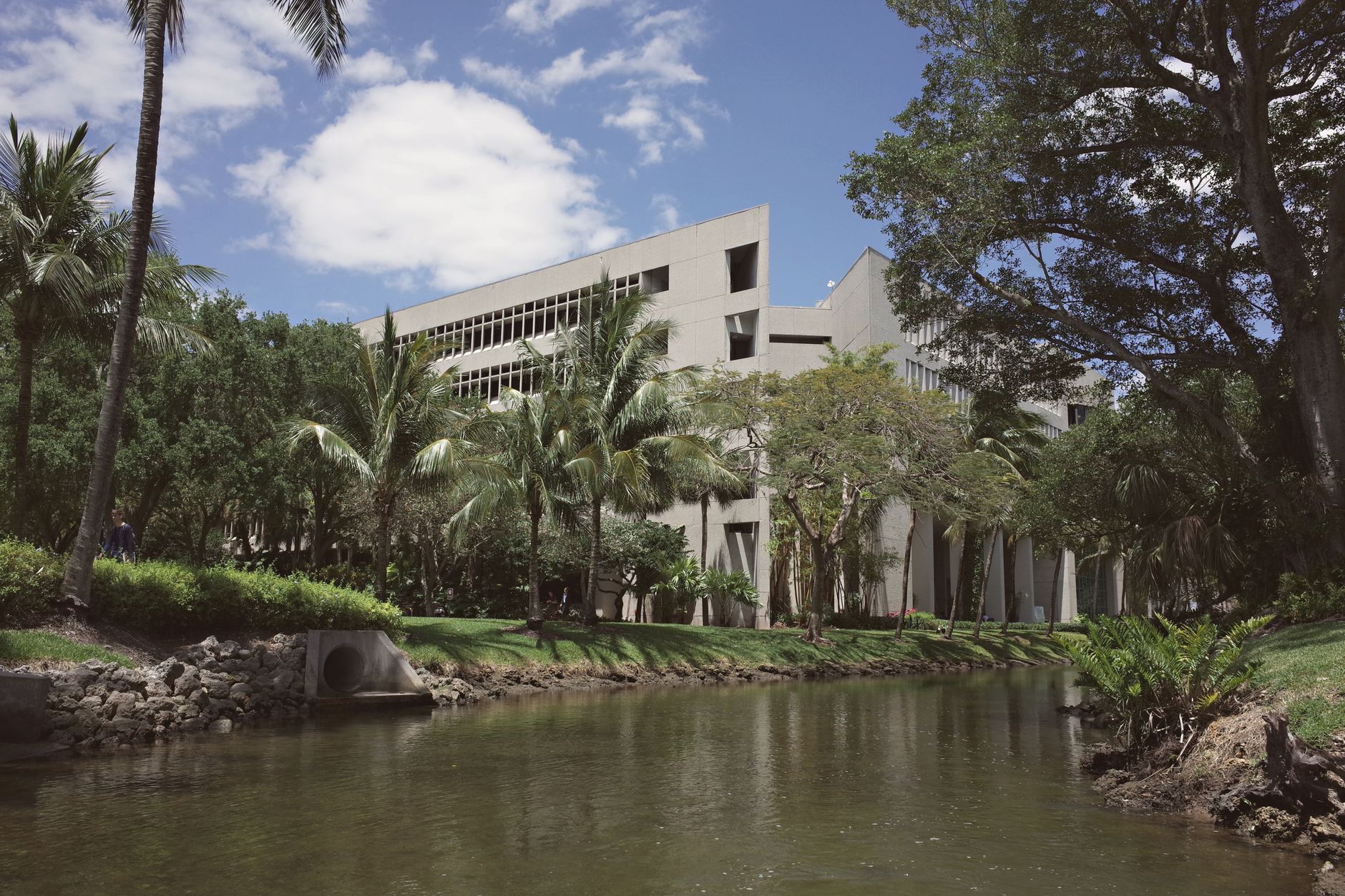
Mandarin Oriental Residences — Coral Gables, Miami.
If you hold a contract at a Coral Gables luxury pre-construction project and want to sell your position before closing, understanding the assignment process is essential. This guide walks Miami luxury sellers through every stage — from developer consent to closing day.
Why Coral Gables Pre-Construction Assignments Demand Expert Guidance
This guide draws on the experience of Denis Smykalov, Founder of Wolsen Developments, who has represented sellers in Miami's luxury market since 2012 — from pre-construction assignment sales to waterfront estate listings across Miami Beach. That depth of experience matters here because a pre-construction assignment is not a conventional real estate transaction. You are not selling a physical property; you are transferring your contractual rights and obligations to a buyer before the project closes, and the mechanics, risks, and negotiation leverage points are meaningfully different from a resale deal.
Coral Gables has emerged as one of Miami's most compelling luxury submarkets for exactly the kind of buyers who pursue assignment opportunities. Its tree-lined streets, strict architectural codes, walkable Village of Merrick Park corridor, and proximity to Brickell and the airport create a profile that attracts both end-users and investors. Projects like Mandarin Oriental Residences have raised the neighborhood's global profile considerably, drawing international buyers who are already familiar with the brand and eager to enter the market — including through assignments from early contract holders who are ready to monetize their position.
What a Pre-Construction Assignment Actually Means for the Seller
When you purchased your contract at a Coral Gables pre-construction development, you entered into a Purchase and Sale Agreement (PSA) with the developer. That PSA gives you the right to receive a unit at a specified price upon completion. An assignment means you are selling that right — your contract position — to a third party. The incoming buyer steps into your shoes: they assume your remaining deposit obligations, agree to close on the same terms you originally negotiated, and take title to the unit when the building delivers. You, as the assignor, typically receive the difference between your original contract price and the assignment price, less any fees.
The critical distinction sellers must understand is that you are not selling real estate in the traditional sense until closing occurs. This has meaningful implications for how the transaction is structured, how proceeds are taxed, and what representations you can legally make to a buyer. Assignment gains are generally treated as ordinary income rather than capital gains in many scenarios, depending on how long you held the contract and how the IRS and your tax advisors characterize your intent — a point your CPA and attorney must evaluate before you price your assignment. Never rely solely on your real estate agent for tax guidance here.
Sellers also carry continuing obligations until the assignment is fully executed and the developer has formally released them from the PSA. If a buyer you assign to defaults, and the developer's contract language holds the original purchaser secondarily liable, you could face exposure. This is why having a real estate attorney review both your original PSA and the assignment agreement before signing is non-negotiable at the luxury level.
Developer Consent: The Gate Every Assignment Seller Must Pass
The single most important step in any pre-construction assignment is obtaining developer consent. Most luxury PSAs in Miami — including those at high-profile Coral Gables projects — contain clauses that either prohibit assignment outright during certain phases, require written developer approval, or impose an assignment fee as a percentage of the original purchase price or the profit realized. Before you market your position or accept an offer, you must pull your PSA, locate the assignment clause, and understand precisely what the developer requires.
Developer consent timelines can range from a few weeks to several months depending on where the project sits in its construction cycle and how the developer's sales and legal team manages incoming requests. Developers at projects like Mandarin Oriental Residences — which are positioned at the absolute top of the Coral Gables luxury market — have highly structured processes, and sellers who approach this without preparation often face delays or outright denials. An experienced luxury broker who has navigated assignments at comparable projects can help you present your request professionally and anticipate friction points before they become deal killers.
Some developers also restrict who can be an assignee — requiring, for example, that the incoming buyer be a qualified purchaser, pass an AML (anti-money laundering) review, or meet a financial threshold. Your buyer must be prepared to provide documentation promptly, because any delay on their part during the consent window can put the entire assignment at risk. Structuring the timeline correctly between your assignment contract execution and your developer consent deadline is one of the most technically demanding aspects of the transaction.
Pricing Your Assignment: How Luxury Sellers Establish Market Value
Because there is no MLS listing for a contract position and no recorded comparable sale to point to directly, pricing a pre-construction assignment in Coral Gables requires a layered analysis. Your broker should be evaluating: the current asking prices for remaining developer inventory in the same project (if any), recent resale comps for comparable finished units in the neighborhood, how much time remains until the project delivers, the specific features of your unit — floor, exposure, line, finish tier — and the overall trajectory of luxury demand in the submarket.
At top-tier projects, the assignment premium above your original contract price reflects both the appreciation in the underlying real estate and the scarcity value of the unit itself. If your contract is for a sought-after high-floor corner unit at a project that is now sold out, a qualified buyer may be willing to pay a meaningful premium over your cost basis to secure a position that simply cannot be purchased directly. Understanding this premium ceiling — and not leaving money on the table by pricing too conservatively — is where experienced luxury market knowledge translates directly into seller proceeds.
Sellers should also factor in the full cost stack before establishing a net expectation: original deposit amounts paid, any additional deposit installments due before assignment, the developer's assignment fee (if applicable), legal fees for both parties, broker commissions, and anticipated tax treatment of the gain. A well-prepared pro forma that maps these costs gives you a realistic picture of your net proceeds at various price points, which is essential before you enter negotiation with a buyer.
Marketing a Pre-Construction Assignment at the Luxury Level
Marketing an assignment requires a fundamentally different approach than listing a finished home. You cannot hold open houses, stage the unit, or rely on photography of the actual property. What you are selling is a vision, a brand, a location story, and a financial opportunity — and the materials you use to present it must be exceptionally well-executed. This means working with your broker to prepare a compelling offering package that includes the developer's original marketing materials (with appropriate permissions), floor plans, building renderings, the project's amenity program, delivery timeline, and a clear articulation of the assignment economics.
At the price points associated with Coral Gables ultra-luxury projects — including those anchored by globally recognized hospitality brands — the buyer pool is international. Your broker's network needs to reach Latin American investors, European buyers relocating to Miami, and domestic UHNW purchasers who are already tracking the market. Platforms that serve this audience, relationships with private wealth advisors and family offices, and direct outreach to buyer networks that have expressed prior interest in the submarket are all more effective than conventional listing strategies. Mandarin Oriental Residences in particular attracts buyers who have stayed at Mandarin Oriental hotels globally and see residential ownership as an extension of a lifestyle they already value — a story your marketing should tell explicitly.
Confidentiality is often important at this level. Many luxury assignment sellers prefer a quiet, off-market approach rather than broad public exposure, both to protect their negotiating position and to avoid signaling distress. Your broker should be capable of running a selective, private outreach process that reaches qualified buyers without creating unnecessary noise — and should have the infrastructure to qualify incoming interest quickly so your time is not wasted on unserious inquiries.
Closing the Assignment: From Executed Contract to Final Release
Once you have a buyer under contract and developer consent is secured, the closing process for an assignment involves several parallel tracks. Your attorney will prepare or review the assignment and assumption agreement, which formally transfers your rights and obligations under the PSA to the buyer. The buyer's funds — typically structured as a combination of the deposit they owe you plus any remaining deposits owed to the developer — must be carefully coordinated so that no obligations under the original PSA fall into default during the transition.
Escrow arrangements for assignment proceeds vary. In some cases, your assignment profit is held in escrow until the developer formally releases you from the PSA and the assignment is recorded. In other cases, funds are structured so you receive your profit at the time the assignment closes, with the buyer then continuing forward with the developer independently. Your attorney and broker should align on the structure that best protects your interests and is acceptable to the developer and buyer.
After closing, confirm in writing that you have received a formal release from the developer removing you from any ongoing obligations under the original PSA. Do not assume this happens automatically. Keep copies of all closing documents — the original PSA, the assignment agreement, proof of consent, and all wire confirmations — because these will be essential for your tax reporting and potentially for any future dispute resolution. Sellers who treat the assignment as complete the moment they sign often find themselves with incomplete documentation when it matters most.
Frequently Asked Questions
Can I sell my pre-construction contract in Coral Gables before the building is complete?
Yes, selling a pre-construction contract before completion is called an assignment. You transfer your contractual rights to a buyer, who then closes on the unit when the project delivers. However, most developer Purchase and Sale Agreements require written developer consent before an assignment can proceed, and some impose assignment fees or restrictions.
What is a pre-construction assignment fee and who pays it?
An assignment fee is a charge the developer imposes for permitting the transfer of a contract to a new buyer. It is typically calculated as a flat fee or a percentage of the original purchase price or the assignment profit. Whether the seller or buyer pays it is negotiable, but sellers should account for it when calculating their net proceeds.
How is the profit from a pre-construction assignment taxed in Miami?
Assignment gains are often treated as ordinary income rather than capital gains, particularly if the IRS determines the seller held the contract primarily for resale rather than investment. Tax treatment depends on your specific holding period, intent, and individual tax situation — consult a CPA experienced in real estate before proceeding.
What documents do I need to sell a pre-construction assignment in Coral Gables?
You will need the original Purchase and Sale Agreement, all amendments and addenda, proof of all deposits paid, the developer's consent to assign, and the assignment and assumption agreement prepared by your attorney. Keeping complete records of all transaction documentation is essential for both tax reporting and legal protection.
How do I price my pre-construction assignment at a project like Mandarin Oriental Residences?
Pricing reflects your original contract price, current market values for comparable finished units in Coral Gables, remaining developer inventory (if any), unit-specific attributes like floor and exposure, and buyer demand for the specific building. A luxury broker with pre-construction assignment experience should run a layered market analysis rather than relying on a single comparable.
What happens if the developer does not approve my assignment?
If the developer denies consent, you generally cannot proceed with the assignment under the terms of your PSA. Options may include renegotiating with the developer, waiting until a later phase when assignments are permitted, or ultimately closing on the unit yourself and selling after completion as a resale. An attorney can advise on your specific contract language and options.
How long does a pre-construction assignment take to complete in Miami?
Timelines vary significantly based on developer consent processing times, buyer qualification requirements, and legal coordination. A realistic range for a smoothly executed luxury assignment is sixty to one hundred twenty days from executed assignment contract to final closing, though developer consent alone can take several weeks at high-demand projects.
Is a real estate attorney required for a pre-construction assignment sale in Florida?
While not legally mandated, hiring a real estate attorney is strongly advisable. Assignment transactions involve contract interpretation, potential liability exposure if the buyer defaults, and coordination with the developer's legal team — all of which go well beyond what a real estate agent is licensed or qualified to handle.
Can I market my Coral Gables pre-construction assignment off-market?
Yes, and many luxury sellers prefer a quiet, off-market approach to protect negotiating leverage and avoid signaling distress. An experienced luxury broker with access to international buyer networks and private client relationships can generate qualified interest without broad public listing exposure.
What is the difference between a pre-construction assignment and a resale in Coral Gables?
In a resale, you sell a completed, titled unit after taking ownership. In an assignment, you sell your contractual right to purchase the unit before it is built or before you close on it. Assignments involve different legal structures, tax treatment, marketing strategies, and risks than conventional resales.
Ready to Take the Next Step?