Bay Point · pre-construction assignment · foreign national seller · FIRPTA · Miami luxury real estate · Armani Casa Residences
Selling a Pre-Construction Assignment in Bay Point, Miami: A Complete Guide for Foreign National Investors
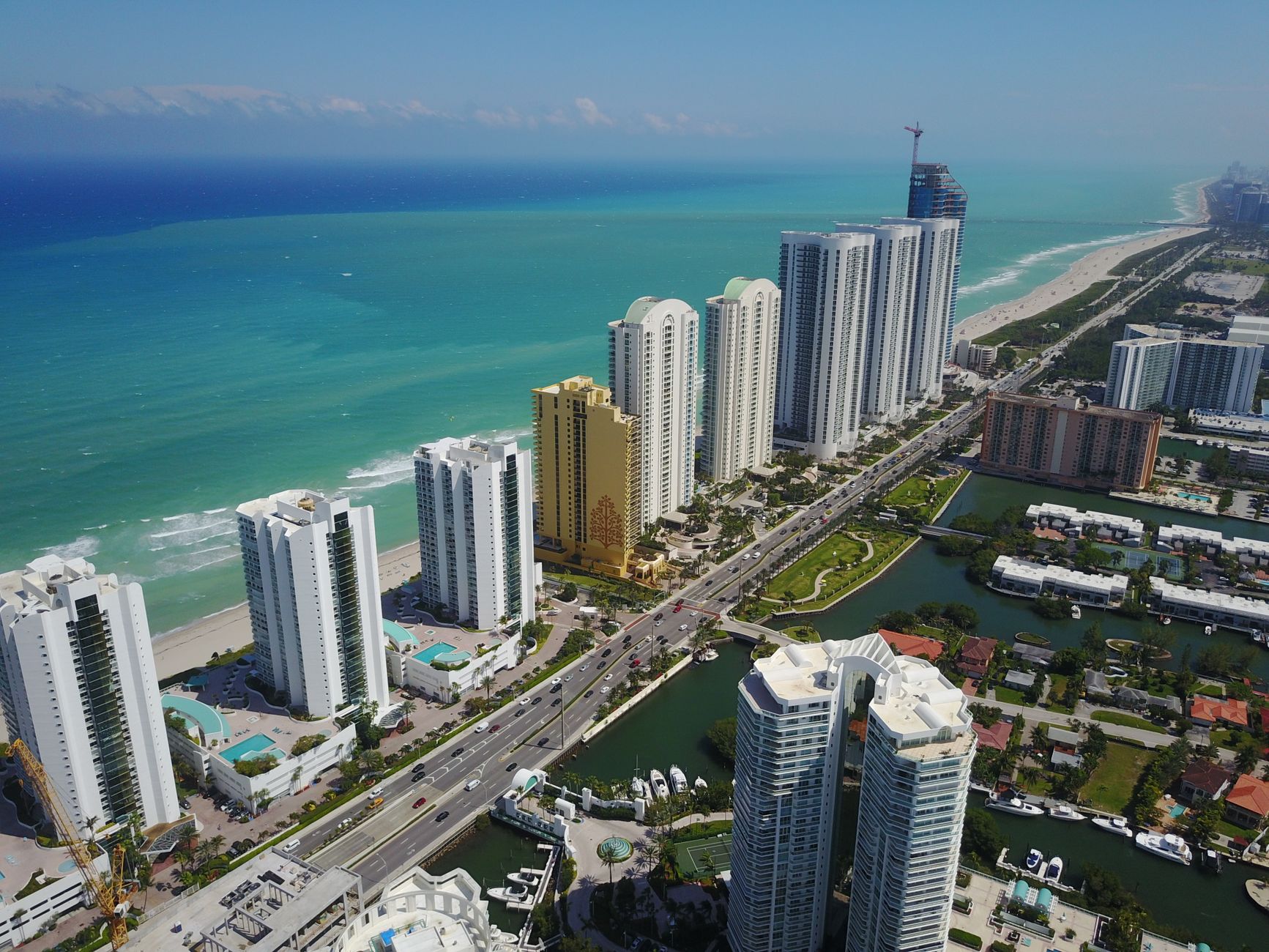
Armani Casa Residences — Bay Point, Miami.
If you hold a pre-construction contract in one of Miami's most coveted enclaves and are preparing to assign it before closing, this guide walks you through every step — from structuring the transaction to navigating U.S. tax obligations as a foreign seller.
Why Bay Point Is a Unique Market for Assignment Sales
Bay Point is one of Miami's few gated waterfront communities — a private enclave of just over 250 homes situated along Biscayne Bay between Edgewater and the Upper Eastside. Its combination of deep-water dockage, single-family estate character, and proximity to Wynwood and Midtown Miami has made it a consistent draw for ultra-high-net-worth buyers who want privacy without sacrificing access. For investors who secured pre-construction contracts in or near this corridor, demand from end-users and secondary investors remains strong, making a well-executed assignment sale a viable and often lucrative exit strategy.
This guide draws on the experience of Denis Smykalov, Founder of Wolsen Developments, who has represented sellers in Miami's luxury market since 2012 — from pre-construction assignment sales to waterfront estate listings across Miami Beach. The nuances of Bay Point transactions — including deed-restricted lot controls, waterfront access rights, and the profile of buyers who compete for these contracts — require a level of market fluency that generalist brokers rarely bring to the table. Understanding what makes this pocket of Miami irreplaceable to serious buyers is the first step toward pricing and marketing an assignment correctly.
How Pre-Construction Assignment Sales Work in Miami's Luxury Market
An assignment sale occurs when the original contract purchaser — the assignor — transfers their contractual rights to a new buyer before the project closes and title is conveyed. Rather than waiting for the developer to deliver the unit and then reselling as a traditional transaction, the assignor sells their position in the contract itself. The incoming buyer, the assignee, assumes all obligations under the original purchase agreement, including any remaining deposit installments and closing costs. The assignor receives a profit — or assignment fee — that reflects the appreciation in the contract's value since execution.
Not every pre-construction contract permits assignments. Many Miami luxury developers include clauses that restrict, delay, or require written consent for assignments, and some impose fees — often one to two percent of the original purchase price — payable to the developer upon transfer. Before marketing an assignment, the seller's attorney must review the original purchase agreement in detail to confirm what is permissible, what consent must be obtained, and what timelines apply. Developers along the Miami waterfront, including those behind high-profile branded residences such as Armani Casa Residences, have historically structured contracts with assignment provisions calibrated to protect the development's sales momentum while still accommodating investor liquidity needs.
Once assignability is confirmed, the transaction typically involves a tri-party agreement signed by the developer, assignor, and assignee. The assignee conducts due diligence on the original contract, the development's construction progress, and any outstanding special assessments or HOA pre-approvals. Because the asset being sold is a contractual right rather than a deed, title insurance and escrow mechanics differ from a standard resale — another reason why specialized legal and brokerage representation is essential for both parties.
Foreign National Sellers: Understanding FIRPTA and U.S. Tax Obligations
For non-U.S. persons selling real estate or real property interests — which includes pre-construction contracts — the Foreign Investment in Real Property Tax Act, commonly known as FIRPTA, is the governing federal framework. Under FIRPTA, the buyer in a transaction involving a foreign seller is required to withhold a percentage of the amount realized and remit it to the Internal Revenue Service. The withholding rate for most residential transactions has historically been fifteen percent of the gross sales price, not the net gain — meaning the withholding is calculated on the full contract value, not on what the seller profits after their original investment. This distinction surprises many foreign sellers and underscores why pre-sale tax planning is essential.
Foreign sellers who anticipate that the actual tax owed on their capital gain will be substantially less than the amount withheld have the option to apply for a withholding certificate from the IRS before or concurrent with closing. This certificate, filed on IRS Form 8288-B, asks the IRS to reduce the withholding to an amount commensurate with the actual expected tax liability. Applications must be submitted in advance of closing, and in active IRS processing environments, sellers should allow ample time for review. Working with a U.S. tax attorney or CPA who specializes in cross-border real estate transactions is not optional — it is a practical requirement for any foreign national disposing of a Miami luxury asset.
Beyond federal withholding, Florida imposes its own documentary stamp taxes on deeds and certain transfers. While Florida has no personal income tax, foreign sellers must still account for federal capital gains tax on any profit realized from the assignment. The applicable rate — whether short-term ordinary income rates or long-term capital gains rates — depends on how long the contract has been held. Sellers who have held their pre-construction contracts for more than twelve months generally qualify for the more favorable long-term rate. Proper documentation of the original purchase price, all deposit payments, and any improvement costs is essential to substantiate the cost basis and minimize taxable gain.
Legal Considerations Specific to Foreign Sellers in Miami
Foreign national sellers face a layer of compliance requirements that domestic sellers do not. In addition to FIRPTA withholding, sellers who are non-U.S. residents may need to obtain or confirm their Individual Taxpayer Identification Number with the IRS to file the required returns and claim any refund of excess withholding after the transaction closes. If the seller is a foreign entity — a corporation, LLC, or trust — the analysis of FIRPTA applicability becomes more complex, as the classification of the entity under U.S. tax law affects how withholding and reporting are handled.
Florida also has specific requirements around who may legally hold and transfer real property interests. While the state has historically been open to foreign investment, sellers should be aware that recent legislative activity at both the state and federal level has introduced additional reporting and, in some cases, ownership restrictions affecting nationals of certain countries. A qualified Miami real estate attorney should conduct a full review of the seller's ownership structure and nationality status before listing or marketing any assignment. Attempting to navigate these rules without counsel creates both legal exposure and transaction risk.
Wire transfer protocols and anti-money-laundering compliance are also heightened concerns in Miami luxury real estate, particularly for transactions above certain dollar thresholds. Title companies and escrow agents are required to apply geographic targeting order requirements in Miami-Dade County, which mandate disclosure of beneficial ownership behind LLCs and other legal entities in covered transactions. Foreign sellers should expect to provide corporate organizational documents, beneficial ownership information, and documentation of the original source of funds used to purchase the contract. Preparing this documentation package in advance — before going under contract with a buyer — avoids delays at closing.
Pricing and Marketing a Luxury Assignment in the Bay Point Corridor
Pricing a pre-construction assignment requires a fundamentally different analytical framework than pricing a resale unit. The seller is not pricing against comparable closed sales in the traditional sense — they are pricing a forward position, and the buyer is acquiring future value that will not be realized until the project delivers. The assignment premium must reflect current market appreciation, the remaining cost basis the buyer must absorb, the desirability of the specific unit or lot within the development, and the competitive landscape of alternative luxury options available in Miami at the time of listing.
In the Bay Point corridor and broader waterfront Miami market, buyers shopping for assignment contracts tend to be sophisticated investors or lifestyle buyers who have already missed the developer's initial pricing and are willing to pay a premium for access to a sold-out or nearly sold-out project. The marketing strategy for an assignment must therefore be targeted and discreet — broad public advertising can signal desperation, while a curated outreach to qualified buyers through broker networks, private databases, and international referral channels tends to produce better-qualified interest and stronger negotiating positions for the seller.
Branded residences such as Armani Casa Residences illustrate how the brand premium embedded in a project's contract can hold or grow its value on the assignment market even as general market conditions fluctuate. Buyers of branded luxury contracts are often motivated as much by the lifestyle proposition and scarcity of the brand affiliation as by pure financial return — a nuance that shapes how an experienced broker will frame the listing and qualify potential assignees.
Choosing the Right Brokerage and Legal Team for Your Assignment Sale
The difference between a successful assignment sale and a failed one often comes down to team selection. A brokerage with deep roots in Miami's luxury pre-construction market brings developer relationships that can accelerate consent approvals, a qualified buyer database that shortens time to contract, and transactional fluency that prevents deals from collapsing over procedural issues. For foreign sellers specifically, a broker who regularly handles cross-border transactions will understand the documentation demands of the buyer's due diligence and the title company's compliance review — and will help the seller prepare for them rather than react to them.
Legal representation should be bifurcated: a Florida-licensed real estate attorney should handle contract review, tri-party agreement negotiation, and closing coordination, while a U.S. tax attorney or CPA with international practice experience handles FIRPTA analysis, withholding certificate applications, and post-closing tax return preparation. Some sellers attempt to consolidate these functions with a single generalist advisor to reduce cost — a decision that frequently results in either missed tax savings or avoidable legal complications. The cost of specialized counsel is almost always a fraction of the exposure it prevents in a luxury-tier transaction.
Sellers should also ensure their brokerage has a clear marketing agreement that specifies how the assignment will be presented — whether publicly listed, offered off-market, or circulated through a curated broker network. Co-brokerage arrangements must be clearly structured to avoid disputes at closing. Finally, the seller should understand the timeline realistically: from confirming assignability through the developer, to executing a tri-party agreement, to satisfying title and compliance requirements, a well-managed luxury assignment sale in Miami typically takes sixty to one hundred twenty days from listing to closing, depending on transaction complexity and the buyer's financing or review requirements.
Frequently Asked Questions
Can a foreign national legally sell a pre-construction assignment in Miami?
Yes. Foreign nationals may sell pre-construction contracts in Miami, but the transaction is subject to FIRPTA withholding requirements, which obligate the buyer to withhold a percentage of the gross sales price and remit it to the IRS on the seller's behalf. Additional state-level documentary stamp taxes and compliance requirements also apply.
What is FIRPTA and how does it affect a foreign seller's proceeds?
FIRPTA — the Foreign Investment in Real Property Tax Act — requires buyers in transactions with foreign sellers to withhold a percentage of the amount realized, typically fifteen percent of the gross sales price, and remit it to the IRS. This withholding applies to the full contract value, not just the seller's profit, which means sellers may have significantly more tax withheld at closing than the actual tax ultimately owed. Sellers can apply for a withholding certificate to reduce this amount before closing.
What is a pre-construction assignment sale in Miami luxury real estate?
A pre-construction assignment sale occurs when a contract buyer — the assignor — transfers their contractual rights to purchase a unit or property to a new buyer — the assignee — before the developer delivers the project and closes title. The assignor receives an assignment fee reflecting the contract's appreciated value, while the assignee assumes all remaining obligations under the original purchase agreement.
Do all Miami luxury pre-construction contracts allow assignments?
No. Many developers include restrictions on assignments in their purchase agreements, such as requiring written developer consent, imposing assignment fees payable to the developer, or prohibiting assignments until a specified percentage of units are sold. Sellers must have their attorney review the original purchase agreement before marketing or transferring any contract.
How is the taxable gain calculated when a foreign seller assigns a pre-construction contract?
The taxable gain is generally calculated as the assignment price received minus the seller's cost basis, which includes the original contract price, all deposit payments made, and any transaction costs incurred. If the contract has been held for more than twelve months, the gain may qualify for the long-term capital gains rate rather than the higher ordinary income rate.
What documents does a foreign seller need to prepare for a Miami assignment sale?
Foreign sellers should prepare the original purchase agreement, proof of all deposit payments made, corporate organizational documents if the contract is held through an entity, beneficial ownership identification, documentation of the original source of funds, and their Individual Taxpayer Identification Number. Title companies in Miami-Dade County are required to collect beneficial ownership information as part of federal geographic targeting order compliance.
How long does a luxury pre-construction assignment sale typically take in Miami?
From listing to closing, a well-managed luxury assignment sale in Miami typically takes sixty to one hundred twenty days, depending on how quickly developer consent is obtained, the complexity of the tri-party agreement, the buyer's due diligence requirements, and the time needed to satisfy compliance and title company documentation requests.
Is Bay Point a good location to sell a pre-construction assignment in Miami?
Yes. Bay Point is one of Miami's most sought-after gated waterfront enclaves, characterized by deep-water dockage, estate-scale lots, and strong scarcity of available inventory. These factors sustain buyer demand for contract assignments in and around this corridor, particularly among ultra-high-net-worth buyers seeking privacy with proximity to Miami's urban core.
Can a foreign seller reduce the FIRPTA withholding amount at closing?
Yes. A foreign seller can apply to the IRS for a withholding certificate using Form 8288-B before or at the time of closing, requesting that withholding be reduced to an amount commensurate with the actual expected federal tax liability on the gain. This application must be filed in advance, and sellers should work with a U.S. tax professional to prepare the submission correctly and allow adequate processing time.
What makes a branded residence like Armani Casa Residences relevant to the assignment market?
Branded residences carry a premium tied to the scarcity and lifestyle appeal of the brand affiliation, which can sustain or increase contract values on the assignment market even when general market conditions soften. Buyers of branded luxury assignments are often motivated by both financial return and access to a sold-out product, making the brand's prestige a material factor in pricing and marketing strategy.
Ready to Take the Next Step?