San Marco Island · 1031 exchange Miami · luxury condo seller guide · Miami real estate tax strategy · 57 Ocean Miami Beach
San Marco Island Condo Seller's Guide: How to Use a 1031 Exchange When Selling Miami Luxury Real Estate
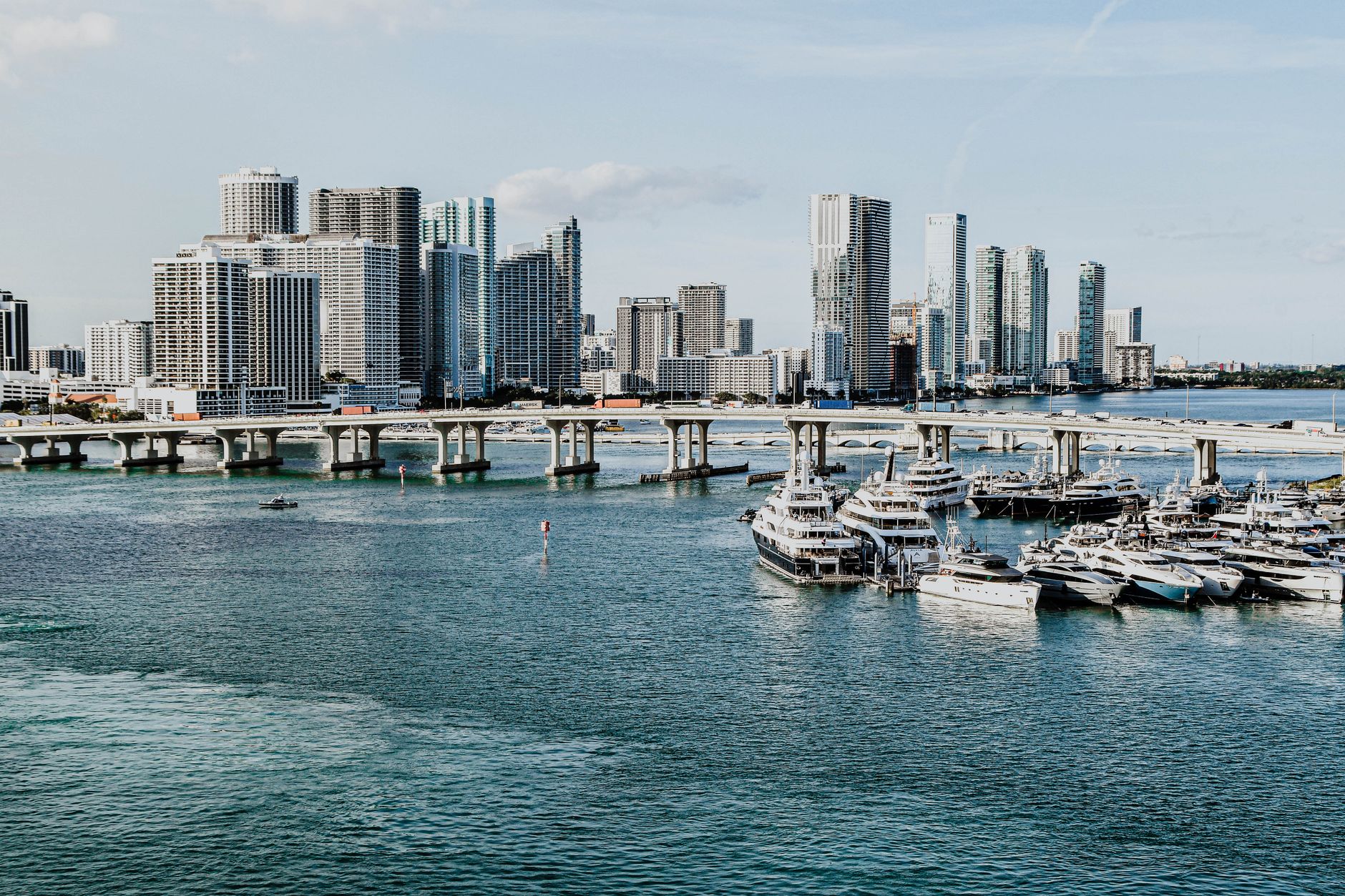
57 Ocean — San Marco Island, Miami.
If you own a luxury condo on San Marco Island and are considering a sale, understanding the 1031 exchange process can protect your equity and defer capital gains taxes. This complete guide walks Miami luxury property owners through every step — from eligibility and timelines to reinvestment strategies near developments like 57 Ocean.
Selling a Luxury Condo on San Marco Island: What Owners Need to Know First
San Marco Island occupies one of Miami's most coveted addresses — a private island community tucked between Biscayne Bay and the Atlantic, where waterfront residences command premium values and buyer demand remains consistently elevated. For condo owners here, the decision to sell is rarely simple. The combination of appreciation, limited inventory, and sophisticated buyer profiles means that timing, positioning, and tax strategy all carry significant financial weight.
Before listing, owners should take a clear-eyed look at their cost basis, current market value, and anticipated net proceeds. Luxury condos on San Marco Island have historically appreciated well above Miami-Dade averages, which means many long-term owners are sitting on substantial embedded gains. Without proactive planning, those gains can translate into a significant federal and state tax event at closing.
Florida's absence of a state income tax is a meaningful advantage, but federal capital gains taxes still apply — and at the luxury price points common on San Marco Island, the numbers are consequential. Sellers who engage a tax advisor and a specialized real estate team before listing — rather than after accepting an offer — are almost always better positioned to maximize their net outcome.
What Is a 1031 Exchange and How Does It Apply to Miami Luxury Sellers?
A 1031 exchange, named for Section 1031 of the Internal Revenue Code, allows a property owner to defer federal capital gains taxes by reinvesting the proceeds from a sale into a 'like-kind' replacement property. For Miami luxury condo owners, this means you can sell your San Marco Island residence — if it qualifies — and roll the proceeds into another investment property without triggering an immediate tax bill. The deferral is not a forgiveness of taxes, but a powerful tool for preserving and compounding wealth.
The critical word in the previous paragraph is 'qualifies.' To be eligible for a 1031 exchange, the property being sold must be held for investment or productive use in a trade or business — not as a primary residence or purely personal vacation home. Many San Marco Island condo owners hold their units as investment properties, either rented seasonally or held as part of a broader portfolio. Those owners are typically strong candidates. Owners who use their condo as a primary or secondary personal residence may need a different strategy, such as the Section 121 exclusion, or a structured partial exchange.
The IRS imposes strict timing rules on 1031 exchanges. Once your relinquished property closes, you have 45 calendar days to formally identify up to three potential replacement properties, and 180 calendar days total to close on the replacement. These deadlines are absolute — there are no extensions for illness, market disruption, or negotiation delays. Working with a qualified intermediary (QI), who holds the proceeds during the exchange period, is legally required. Your real estate attorney and QI should be engaged before, not after, your sale closes.
Identifying Replacement Properties: Why Miami's Pre-Construction Market Matters
One of the most overlooked opportunities in a 1031 exchange is the Miami pre-construction market. Buyers who have sold a luxury asset and are within their 45-day identification window often find that new developments offer compelling reinvestment vehicles — particularly in terms of appreciation potential, modern amenities, and favorable developer financing structures. Miami's pipeline of trophy-level projects gives exchanging sellers genuine optionality.
57 Ocean, the boutique oceanfront tower on Miami Beach's Millionaire's Row, represents the kind of asset that exchange-minded sellers should consider studying closely. With its limited unit count, direct Atlantic frontage, and positioning at the intersection of Mid-Beach exclusivity and global demand, 57 Ocean exemplifies the profile of replacement property that holds long-term appeal for investors moving equity out of one premium asset and into another. Like-kind in a 1031 context is broadly defined for real estate — a condo exchanged for another condo, or even a single-family investment home, typically qualifies.
Pre-construction assignments can also serve as 1031 replacement vehicles in certain structures, though this area of the tax code requires careful navigation. An assignment of contract — where you purchase the seller's position in a pre-construction agreement before the unit closes — may or may not meet the IRS's requirements depending on how the transaction is structured and the nature of the underlying agreement. This is precisely the kind of nuance where the guidance of a tax attorney experienced in Miami luxury real estate becomes indispensable. Your real estate advisor should be able to connect you with the right professionals.
The San Marco Island Market: Pricing, Buyer Profiles, and Timing Your Exit
San Marco Island is not a conventional Miami neighborhood — it is a private, guard-gated island community with an extremely limited number of residential units, most of which are condos or single-family waterfront homes. This scarcity creates a fundamentally different market dynamic than you find in Brickell or Edgewater. Days on market tend to be lower for well-priced units, but the buyer pool is narrow and highly discerning. Most buyers at this price point are either domestic high-net-worth individuals, international buyers seeking Miami's lifestyle and legal stability, or investors looking for a trophy asset.
Sellers on San Marco Island benefit from positioning their unit as a complete lifestyle package — not just square footage and bedrooms. Concierge services, dock access, bay views, proximity to the Venetian Islands causeway, and the overall sense of privacy and prestige all factor heavily into buyer psychology at this price point. Your marketing strategy should lead with these intangibles, supported by rigorous comparables and a clear narrative about the unit's investment history and potential.
Timing matters in this market. The winter season — roughly October through April — brings Miami's most active luxury buyer population, including snowbirds, international travelers, and East Coast buyers escaping cold climates. Sellers who list during this window with a fully prepared property, professional photography, and a strategic pricing approach tend to see stronger initial offers. However, given the island's exclusivity, a well-positioned off-market placement can sometimes be more effective than a full public listing — particularly for sellers who value discretion or want to avoid the disruption of showings.
Working With a Qualified Intermediary and Building Your Advisory Team
A successful 1031 exchange is not a solo endeavor. It requires a coordinated team of professionals who understand both the legal structure of the exchange and the Miami luxury market in which you're operating. At minimum, you'll need a qualified intermediary to hold exchange funds, a CPA or tax attorney to verify your eligibility and structure the exchange correctly, and a real estate broker with specific experience in San Marco Island and the broader Miami luxury market to identify and close on your replacement property within the IRS's strict windows.
The qualified intermediary plays a particularly important role. Because the IRS prohibits you from taking 'constructive receipt' of sale proceeds during an exchange, the QI acts as a neutral third party who holds your funds, coordinates with closing agents, and ensures the paperwork chain remains intact. Choosing a reputable, financially stable QI is critical — there have been instances nationally of QI fraud and insolvency that left exchangers without recourse. Ask for references, check their bond and insurance coverage, and ensure they have direct experience with high-value Florida real estate transactions.
Your real estate broker is equally critical during the identification period. Forty-five days sounds generous until you're in it — particularly in a market like Miami where inventory at the luxury tier moves quickly and negotiation timelines can be compressed. An experienced broker with active relationships in San Marco Island and access to off-market inventory can be the difference between a successful identification and a failed exchange that triggers the full tax liability you were working to defer.
Preparing Your San Marco Island Condo for Sale: Presentation, Disclosure, and Deal Structuring
In the luxury segment, presentation is not optional — it is the foundation of value perception. Buyers at this level have seen hundreds of properties and will quickly discount any unit that feels dated, neglected, or poorly staged. Before listing, invest in a professional staging consultation, high-resolution photography, and if the unit's layout warrants it, a Matterport 3D walkthrough or cinematic video tour. Luxury buyers increasingly conduct initial due diligence online before ever stepping foot in a property, and your digital presentation must be compelling enough to generate that first showing.
Florida sellers are required by law to disclose known material defects — this is a non-negotiable legal obligation, not a strategic choice. In a condo context, this includes not just the unit itself but relevant HOA issues, special assessments, litigation involving the association, or any known structural concerns. Following recent legislative changes in Florida affecting condo associations and reserve requirements, buyers and their attorneys are scrutinizing HOA financials and engineering reports more carefully than ever. Getting ahead of these issues — and having documentation ready — can prevent deals from falling apart in due diligence.
Deal structure matters just as much as list price in a 1031-motivated sale. If you are the seller and intend to execute an exchange, your closing timeline needs to align with the realities of identifying and closing on a replacement property. Negotiate close dates that give you the maximum possible time within the 180-day window, and communicate your exchange intentions to the buyer's team early — a well-informed buyer is less likely to create closing complications. Sellers who have completed multiple luxury transactions understand that the cleanest deals are built on transparent communication and realistic timelines from day one.
Frequently Asked Questions
Can I do a 1031 exchange if I live in my San Marco Island condo as a primary residence?
No — a 1031 exchange requires the relinquished property to be held for investment or business use, not personal use. If your condo is your primary residence, you may qualify instead for the Section 121 capital gains exclusion (up to $250,000 for single filers, $500,000 for married couples). In some cases, a hybrid structure may be available if the property has served both purposes at different times — consult a tax attorney before assuming eligibility.
What are the key deadlines I need to know for a 1031 exchange in Florida?
Once your relinquished property closes, you have exactly 45 calendar days to identify up to three potential replacement properties in writing, and 180 calendar days total to close on the replacement. These deadlines cannot be extended under any circumstance, including natural disasters or deal delays, making early planning and an experienced real estate team essential.
Does a pre-construction condo in Miami qualify as a 1031 replacement property?
It can, but the structure of the transaction matters significantly. If you are purchasing a completed condo unit being sold by a developer or seller, it typically qualifies as like-kind real estate. Pre-construction contract assignments are more complex and may or may not satisfy IRS requirements depending on what property rights are actually being transferred — always verify with a qualified intermediary and tax counsel before proceeding.
How much does a qualified intermediary typically cost for a Miami luxury exchange?
QI fees vary but generally range from a few hundred to a few thousand dollars depending on the exchange value and complexity. For luxury transactions in the multi-million dollar range, QI fees are a relatively minor cost compared to the capital gains taxes being deferred. Prioritize the QI's reputation, bonding, and experience with high-value Florida real estate over cost.
Is San Marco Island a good market for sellers right now?
San Marco Island's extreme scarcity of inventory and consistent demand from domestic and international luxury buyers has sustained strong pricing conditions. Well-presented units with waterfront views or dock access tend to perform best. Market conditions shift, so sellers should review recent comparable sales with a local luxury specialist before setting a list price.
What should I do if I can't identify a replacement property within 45 days?
If you cannot identify a qualifying replacement property within the 45-day window, the exchange fails and the full proceeds become taxable in the year of the sale. To avoid this, sellers should begin identifying potential replacement properties before their relinquished property closes — ideally working with a broker who has immediate access to both on-market and off-market inventory in the Miami luxury segment.
Can I sell my San Marco Island condo off-market and still do a 1031 exchange?
Yes — the method of sale (on-market or off-market) does not affect 1031 exchange eligibility. What matters is that the property qualifies as investment real estate, a qualified intermediary is in place before closing, and all IRS deadlines are met. Denis Smykalov at Wolsen Developments advises sellers in this situation to begin the QI engagement and replacement property search simultaneously with the off-market outreach — his team handles both on-market listings and discreet off-market placements in San Marco Island.
What is 57 Ocean and why is it relevant to 1031 exchange buyers?
<a href="/developments/57-ocean-miami-beach">57 Ocean</a> is a boutique oceanfront luxury condominium on Miami Beach's Mid-Beach corridor, known for its limited unit count, direct Atlantic views, and premium positioning. For sellers executing a 1031 exchange who want to reinvest into a Miami Beach trophy asset, it represents the kind of income-producing replacement property worth evaluating within the identification period.
How do HOA financials affect my ability to sell on San Marco Island?
Following Florida's recent condo legislation increasing reserve and structural inspection requirements, buyers and their attorneys are scrutinizing HOA reserve studies, milestone inspection reports, and special assessment histories more carefully than before. Sellers should obtain current HOA financial documents and any engineering reports in advance to prevent due-diligence delays or price renegotiations at closing.
What is the difference between a 1031 exchange and a 1031 reverse exchange?
In a standard 1031 exchange, you sell first and then identify and close on the replacement property. In a reverse exchange, you acquire the replacement property first and then sell the relinquished property — useful when you find a desirable asset before your current property sells. Reverse exchanges are more complex and expensive to structure but can be appropriate for San Marco Island sellers who find a compelling replacement before their unit closes.
Ready to Take the Next Step?