Pagani Residences Miami Beach · Surfside luxury condos · branded residences Miami · Miami Beach new construction · ultra-luxury pre-construction buyer guide
Pagani Residences Miami Beach: The Complete Buyer's Guide to Miami's Most Aerodynamically Inspired Ultra-Luxury Address
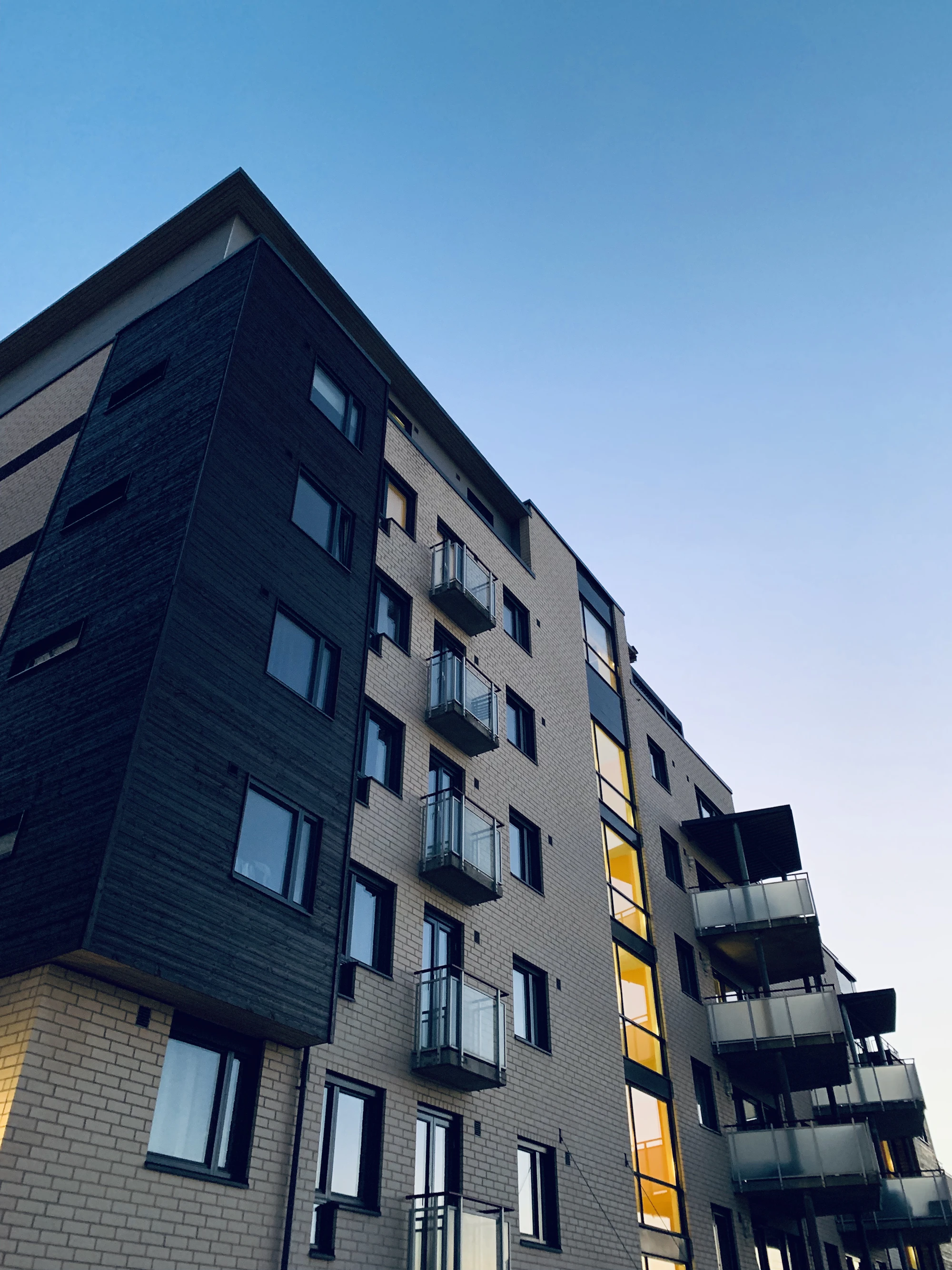
Pagani Residences — Mid-Beach, Miami.
Pagani Residences Miami Beach represents the collision of Italian hypercar artistry and oceanfront living, bringing one of the world's most exclusive automotive brands into the residential space for the very first time. This comprehensive guide covers everything a sophisticated buyer needs to know—from floor plan selection and deposit structures to neighborhood context, resale dynamics, and how Pagani's design philosophy translates into livable square footage. Whether you are buying as a primary residence, a pied-à-terre, or a long-term trophy asset, the analysis below will equip you to make a confident, fully informed decision.
Why Pagani Entered Residential Real Estate—and Why Miami Beach Was the Only Logical Address
Automobili Pagani has spent three decades producing what many collectors consider the purest expression of automotive art on the planet. The Zonda, the Huayra, and the Utopia are not cars in any conventional sense; they are hand-assembled sculptures that happen to achieve triple-digit speeds. The brand's founder, Horacio Pagani, has always insisted that a Pagani is above all a work of art that moves, and that philosophy—obsessive craftsmanship, bespoke materiality, the refusal to compromise—is the intellectual foundation upon which Pagani Residences was designed. When a brand of this caliber enters real estate, the question is never whether the design will be distinctive; the question is whether the residential program can authentically translate a vehicular language into livable space without becoming a theme park.
Miami Beach was not a random choice. The city has spent the past decade cementing its position as the hemisphere's most consequential luxury real estate market, attracting capital from Latin America, Europe, the Middle East, and an increasingly mobile American ultra-high-net-worth class that relocated from New York, Los Angeles, and Chicago following the pandemic. Surfside, the quiet enclave immediately north of Miami Beach's main strip, has become particularly magnetic for buyers who want oceanfront proximity without the density and nightlife saturation of South Beach. The Surfside-to-Bal Harbour corridor has seen some of the most dramatic price appreciation in South Florida over the past five years, driven by constrained land supply and a string of landmark developments that have redefined what oceanfront living means.
For Pagani, the brand alignment with Miami Beach is almost self-evident. Miami is the American city most associated with design, speed, and Italian influence. The Miami Beach Concours d'Elegance and Art Basel Miami Beach attract precisely the collectors who already own—or aspire to own—a Pagani. The city is also the financial capital of Latin America, and Pagani's most devoted collectors are disproportionately concentrated in Brazil, Mexico, and Colombia. Building a residential tower here is not a lateral brand extension; it is a direct conversation with the people who already understand what the Pagani name means. That cultural and demographic alignment gives this project a built-in demand base that most luxury branded residences have to spend years cultivating.
The decision to root the project in Surfside rather than South Beach or Sunny Isles also reflects a sophisticated reading of the market. Surfside offers a residential scale that Pagani's design team could work with more intimately—fewer units, tighter site control, a neighborhood character that prizes discretion over spectacle. The community is walkable, family-oriented, and positioned between two of Miami's most prestigious addresses, Bal Harbour to the north and Miami Beach to the south. For a brand that produces fewer than 20 vehicles per year globally, a tower with a limited unit count feels philosophically correct. Scarcity is not a marketing tactic for Pagani; it is a core operating principle, and Pagani Residences inherits that DNA.
The Architecture and Design Language: How Italian Hypercar Artistry Becomes Livable Space
The architecture of Pagani Residences is governed by the same obsession with fluid form that defines Pagani's automobiles. Where most luxury towers rely on rectilinear floor plates softened by a glass curtain wall, Pagani Residences pursues organic curves that mirror the aerodynamic language of the Huayra and the Utopia. The tower's exterior skin reads as a single continuous gesture rather than a stacked series of floors, an effect achieved through a combination of curved balcony profiles, sculptural cantilevering, and a façade treatment that catches and refracts light differently depending on the angle of the sun. The result is a building that appears to be in motion even when it is standing still—which is, of course, the highest compliment one can pay to a Pagani.
Interiors were developed with the same attention to material hierarchy that defines Pagani's cabins. Carbon fiber, titanium, hand-stitched leather, and polished aluminum appear not as decorative gestures but as structural and functional elements integrated into the architectural vocabulary of each residence. The material palette skews warm and tactile rather than cold and clinical, reflecting Horacio Pagani's own background in composite engineering and his well-documented belief that luxury must be felt as much as seen. Ceilings are conceived as a fifth elevation—sculpted, detailed, and finished with the same care given to floors and walls. This is an unusual and expensive commitment in residential development, where ceilings are typically the first casualty of value engineering.
Kitchens and bathrooms represent some of the most operationally complex spaces in the building. Kitchen layouts draw from the ergonomic logic of a racing cockpit—every element positioned for intuitive reach, every surface chosen for both beauty and function. Custom cabinetry features aerospace-grade hardware. Countertops and backsplashes are executed in materials that would not be out of place in a Pagani interior: book-matched stone, matte composites, brushed metals in proprietary finishes developed specifically for this project. Bathrooms follow a similar logic, with freestanding soaking tubs positioned to frame ocean views, rainfall shower systems concealed within sculptural ceiling elements, and vanity hardware that references automotive instrumentation without resorting to literal quotation.
What makes the design program genuinely credible is the depth of Horacio Pagani's personal involvement. Unlike some branded residential projects where a famous name licenses its trademark and retreats, Pagani has been documented as an active participant in the design process—reviewing material samples, approving finishes, and insisting on standards that would be recognizable to anyone who has seen a Pagani workshop. This level of founder engagement is rare in any industry and exceptionally rare in real estate branding. It means buyers are not purchasing a logo applied to a generic luxury product; they are purchasing a residence that reflects the actual aesthetic convictions of one of the world's most demanding designers.
Unit Mix, Floor Plans, and What the Numbers Tell You About Value
Pagani Residences is structured as a boutique tower with a deliberately limited unit count, consistent with the brand's philosophy of productive scarcity. The building offers a range of residence configurations from flowing two- and three-bedroom layouts through to expansive full-floor and penthouse units that represent among the most ambitious private residential floor plans currently in development anywhere on the Miami oceanfront. The limited total unit count is a foundational feature of the value proposition: when land on the Miami Beach oceanfront is among the most constrained in the hemisphere, buildings that use that land generously—fewer units per acre, larger private terraces, more linear feet of ocean frontage per residence—create conditions for durable price appreciation.
Square footage ranges across the unit mix are broad enough to accommodate different buyer profiles without diluting the brand's exclusivity positioning. Entry-level residences offer generously proportioned open-plan living areas with direct ocean views, private terraces, and the full suite of Pagani-specified finishes and fixtures. Mid-tier units introduce additional bedrooms, expanded terrace footprints, and in some configurations, semi-private elevator access that approximates the privacy experience of a private home. The penthouse and full-floor units represent a category apart—architectural statements with interior volumes, ceiling heights, and terrace scales that are simply unavailable in any other new-construction product currently on the Miami Beach market.
Understanding the floor plan hierarchy is essential to making a confident purchase decision. Not all unit lines offer equivalent value. North-facing units access Bal Harbour views and the tranquil residential character of Surfside but sacrifice some of the direct Atlantic frontage that commands premium pricing. South-facing units face Miami Beach's skyline and capture sunset light that is particularly dramatic from elevated floors. True east-facing units—those with unobstructed ocean frontage across the full width of the living area—represent the building's most sought-after configurations and are priced accordingly. Buyers who prioritize sunrise light, water views from the primary bedroom, and the visual and psychological experience of waking up facing open ocean will find these units worth the premium.
Corner units in the building occupy a special category. Because the tower's curved geometry creates genuinely curved corner configurations rather than the 90-degree angles common in rectilinear towers, corner residences at Pagani Residences offer wraparound terrace experiences and panoramic views that are architecturally distinct from anything a standard corner unit delivers. The aerodynamic facade geometry means that even units that are not strictly on a corner benefit from angled sightlines and terrace orientations that capture multiple view axes simultaneously. This is a consequence of genuine architectural ambition rather than a marketing claim, and it meaningfully differentiates the building's livability proposition from competitors.
Amenities, Services, and the Pagani Lifestyle Program
The amenity program at Pagani Residences is conceived not as a checklist of expected luxury features but as an integrated lifestyle environment that extends the Pagani brand experience into daily residential life. The building's fitness and wellness facilities are designed with the same ergonomic intelligence applied to cockpit design: every piece of equipment is specified for performance, every surface is chosen for durability without visual sacrifice, and the spatial planning prioritizes flow and intuitive use over raw square footage. The pool and beach club experience is similarly curated, with furniture, shade structures, and service programming developed to match the experiential standards of a five-star European resort rather than a conventional condominium amenity deck.
Private car storage is a feature that will resonate immediately with the collector community that Pagani naturally attracts. The building's parking program goes substantially beyond the standard covered parking allocation, offering gallery-quality private car storage options—in some configurations, with climate control, specialized lighting, and direct elevator access to the residence above—that allow owners to display and access their collections as an integrated part of residential life. For a buyer who owns a Pagani, a Ferrari, or any significant collector vehicle, the ability to house those cars in conditions that preserve their condition and present them beautifully is not a luxury; it is a requirement that most residential buildings simply cannot meet.
Concierge and residential services are positioned to support the operational demands of the ultra-high-net-worth lifestyle without the institutional rigidity of a hotel program. The building's service model draws from private club and estate management traditions rather than hotel operations, which means residents receive highly personalized, responsive service from a staff that comes to understand individual preferences, schedules, and requirements. This distinction matters practically: hotel-modeled concierge programs optimize for throughput and standardization; private club models optimize for relationship continuity and bespoke response. For buyers accustomed to managing private estates or working with family office staff, the latter model is far more compatible with their existing lifestyle infrastructure.
The social and cultural programming dimensions of the Pagani Residences lifestyle program deserve specific attention. The brand's deep integration with the collector car world, contemporary art, and Italian design culture creates opportunities for resident programming that no generic luxury tower could credibly offer. Exclusive access to Pagani factory events in San Cesario sul Panaro, priority consideration for limited vehicle allocations, curated art and design events tied to Art Basel Miami Beach, and private dining experiences developed in collaboration with world-class culinary talent are among the categories of programming that distinguish residency at Pagani from ownership of an expensive apartment. These experiential dimensions are difficult to price and impossible to replicate, and they represent a meaningful component of the total value proposition.
Surfside Neighborhood Deep Dive: What Buyers Overlook and Why It Matters
Surfside occupies a geographic position that is, by any objective measure, among the most advantageous in all of South Florida. Bounded by the Atlantic Ocean to the east and Biscayne Bay to the west, positioned between Bal Harbour's world-class retail concentration to the north and Miami Beach's cultural and culinary density to the south, Surfside offers a residential experience that is quieter and more intimate than either of its neighbors while retaining full access to their amenities and infrastructure. The town's permanent population is a fraction of either Miami Beach or Bal Harbour, which means streets, beaches, and restaurants operate at a human scale that residents of denser Miami Beach neighborhoods often find they miss.
The Surfside oceanfront has been dramatically reshaped over the past several years, both by the tragic Champlain Towers collapse in 2021—which resulted in the demolition of several aging buildings and introduced a period of intensive structural scrutiny across South Florida's older condo inventory—and by a subsequent wave of new-construction development that has replaced aging 1960s and 1970s stock with architecturally ambitious, structurally advanced towers. This generational transition has been painful for longtime residents and the broader community, but it has produced an oceanfront building inventory that is now among the newest, safest, and most structurally sophisticated in South Florida. Buyers evaluating Surfside specifically for new construction are entering a market that has, involuntarily, conducted the most rigorous structural reset of any coastal community in American history.
Walkability in Surfside is genuinely good by Miami standards, which is a more meaningful statement than it might initially appear. Miami is not generally a walkable city, and most of its luxury residential enclaves require a car for any practical errand. Surfside is an exception. Bal Harbour Shops—consistently ranked among the highest-grossing retail centers per square foot in the United States, home to Chanel, Hermès, Prada, Louis Vuitton, and dozens of additional luxury anchors—is walkable from the Pagani Residences site. The town's own dining and café scene along Harding Avenue has become increasingly sophisticated as the neighborhood's residential profile has upgraded. The beach itself is world-class: wide, well-maintained, and noticeably less crowded than South Beach's most trafficked stretches.
School quality and family infrastructure in Surfside merit consideration for buyers with children. The neighborhood feeds into Miami-Dade County's public school system, and the private school landscape within reasonable commuting distance is extensive, including some of South Florida's most respected independent institutions. The town itself is governed with unusual attentiveness to residential quality of life—zoning is protective, development is scrutinized carefully, and the civic culture reflects the priorities of a community that takes its residential character seriously. For buyers accustomed to the governance standards of high-quality Northeast or Midwest suburban communities, Surfside's civic scale will feel familiar and reassuring in ways that Miami Beach's larger, more complex municipal structure does not always replicate.
Pre-Construction Deposit Structure, Contract Terms, and How to Navigate the Purchase Process
Purchasing a pre-construction residence at Pagani Residences requires a fluency with Florida's unique new-construction purchase framework that buyers from other states or countries often underestimate. Florida law provides specific protections for pre-construction condo buyers through the Interstate Land Sales Full Disclosure Act and Florida Statute 718, the Florida Condominium Act, both of which govern developer disclosure obligations, deposit escrow requirements, and buyer rescission rights. Understanding these statutory protections—and the specific ways they interact with the purchase contract you will be asked to sign—is foundational to protecting your position throughout the pre-construction period.
Deposit structures for ultra-luxury pre-construction projects in Miami typically follow a staged schedule rather than a single upfront payment. Common structures involve an initial deposit at contract signing, followed by additional tranches tied to construction milestones—groundbreaking, superstructure completion, building topping-off, and certificate of occupancy issuance. The total deposit held in escrow prior to closing typically ranges from 20 to 50 percent of the purchase price, depending on the developer's capitalization structure and the specific terms negotiated. Florida law requires that developer deposits be held in escrow by a licensed Florida attorney or title company, which provides meaningful protection against developer insolvency—though buyers should understand that this protection is procedural rather than absolute.
The purchase contract itself is a document of considerable complexity and length, and buyers should engage a Florida-licensed real estate attorney with demonstrated experience in pre-construction condo transactions before signing anything. Contract terms that deserve particular scrutiny include the developer's right to make material changes to plans and specifications, the definition of what constitutes a compensable change versus an acceptable substitution, the mechanism for handling unit delivery delays, the developer's representations regarding the condominium association's initial budget, and the provisions governing the buyer's ability to assign the contract or sell the unit prior to closing. These are not boilerplate provisions; they are negotiated terms that can have significant financial consequences.
Buyers purchasing at Pagani Residences from outside the United States face an additional layer of complexity related to FIRPTA withholding requirements, FinCEN beneficial ownership reporting obligations, and the potential application of foreign investment in real property tax rules at the time of eventual sale. International buyers—particularly those purchasing through corporate entities, trusts, or family office structures—should engage both a Florida real estate attorney and a U.S. tax advisor with international real property experience before entering into a purchase contract. The regulatory environment for international real estate ownership in the United States has become meaningfully more complex over the past several years, and the consequences of non-compliance are severe enough to warrant expert guidance well in advance of signing.
HOA Fees, Structural Integrity Inspections, and the Post-Surfside Due Diligence Standard
Florida's condominium regulatory landscape was fundamentally transformed in the aftermath of the 2021 Champlain Towers South collapse. The Condo Safety Act passed by the Florida Legislature in 2022 and subsequently strengthened in 2023 introduced mandatory structural integrity reserve studies, milestone inspections for buildings of three stories or more, and a prohibition on waiving reserve funding that had previously allowed Florida condo associations to underfund their capital reserves for decades. For buyers evaluating any Florida condo—but particularly buyers in Surfside, where the collapse occurred and where the community's relationship with structural accountability is understandably acute—understanding how these requirements apply to new construction is essential.
New construction projects like Pagani Residences are advantaged relative to older building stock in several important respects under the new regulatory framework. Buildings constructed under Florida's current building code incorporate the structural engineering and material standards that post-Champlain scrutiny has validated, whereas older buildings are facing mandatory remediation costs that are in some cases exceeding their market values. A new-construction purchase effectively eliminates the most significant risk factor that the new legislation was designed to address—deferred structural maintenance in aging concrete buildings—while still requiring buyers to engage carefully with the condominium association's initial budget, projected operating costs, and reserve funding schedule.
HOA fees at ultra-luxury boutique towers in Miami Beach generally reflect the cost of delivering hotel-caliber service from a relatively small unit base. Unlike larger towers that can amortize operational costs across hundreds of units, boutique buildings with limited unit counts must absorb staffing, insurance, landscaping, amenity maintenance, and reserve contributions across a smaller denominator. The result is monthly HOA fees that can appear high in absolute terms but often represent exceptional value relative to the services and standards they support. Buyers should request and carefully review the developer's projected condominium association budget, including the methodology used to calculate reserve contributions, before closing.
Structural integrity reserve studies for new buildings must now be conducted within the first year of the condominium association's existence and updated every ten years thereafter, with milestone inspections triggered by age and height thresholds. For buyers purchasing in a new development, the practical implication is that the association's reserve methodology and initial funding level will be established during the development period, and the developer's initial budget will set the baseline from which the association's financial health either grows or erodes. Reviewing the developer's projected budget with a forensic accountant or condo association financial specialist is a form of due diligence that has become standard practice among Miami's most sophisticated buyers in the post-2021 environment.
Branded Residences as Trophy Assets: Resale Dynamics and Long-Term Investment Thesis
The academic and market research on branded residences has converged on a consistent finding: properly structured branded residential products command measurable price premiums over unbranded luxury competitors in the same market, and that premium tends to be durable through market cycles rather than evaporating with the initial launch excitement. A 2021 study by Savills World Research found that branded residences globally command an average premium of approximately 31 percent over comparable unbranded product, with automotive and fashion brand partnerships—as opposed to hotel brand partnerships—commanding premiums at the upper end of the range due to their rarity and the strength of collector-community loyalty. Pagani Residences, as the brand's first and only residential project globally, occupies a uniquely defensible position within this premium tier.
The investment thesis for Pagani Residences rests on several converging factors. First, the brand's global exclusivity—fewer than 20 vehicles produced annually—means that the residential product is similarly rare in a way that is structurally enforced rather than simply claimed. There will never be a Pagani Residences in every major city; the brand's economics and standards make that impossible. This geographic and quantitative scarcity is a genuine constraint on future supply, not a marketing fiction. Second, the collector community that Pagani serves is among the most financially resilient buyer pools in the luxury market. Pagani owners are not aspirational buyers stretching to acquire a status symbol; they are individuals for whom a Pagani purchase represents a tiny fraction of net worth, made on the basis of genuine passion for the object.
Miami Beach's macro investment fundamentals reinforce the project-specific thesis. The oceanfront land supply in Surfside and the immediately adjacent Bal Harbour corridor is among the most constrained in the United States—a narrow barrier island with ocean to the east, bay to the west, and a regulatory environment that has become more rather than less restrictive over time. The combination of climate-driven in-migration from high-tax northern states, Latin American capital flows that have accelerated rather than reversed over the past decade, and a global ultra-high-net-worth cohort that has identified Miami as a tier-one world city creates structural demand pressure that is unlikely to abate within any investment horizon relevant to a buyer purchasing today.
Buyers should approach the investment case with appropriate nuance. Branded residence premiums are real but not guaranteed—they depend on the ongoing health and cultural relevance of the parent brand, the quality of the building's physical execution relative to its brand promise, and the professional quality of the condominium association's long-term management. A Pagani-branded building that fails to deliver on its design and service commitments would face reputational and resale consequences that an unbranded building with the same physical deficiencies would not. The brand premium is simultaneously an asset and a liability: it creates the conditions for exceptional appreciation, but it also sets a standard that the building must continuously meet to retain that premium in the secondary market.
Financing, Tax Strategy, and Structuring the Purchase for Ultra-High-Net-Worth Buyers
Ultra-luxury pre-construction purchases in Miami are frequently made with cash, but the decision between cash and financing is more nuanced than the cash-buyer culture of the Miami luxury market sometimes suggests. For buyers with significant investment portfolios, the opportunity cost of deploying $10 million or $20 million in cash into an illiquid real estate asset must be weighed against the after-tax cost of financing that same purchase. In a rate environment where high-quality fixed income can generate meaningful returns and mortgage interest remains deductible against rental income for investment properties, a well-structured financing arrangement can generate superior risk-adjusted returns relative to an all-cash purchase, even for buyers who have no need to finance.
Jumbo mortgage financing for ultra-luxury Miami condos is available from a range of private banks, portfolio lenders, and wealth management institutions that maintain dedicated real estate lending desks for high-net-worth clients. The underwriting standards for pre-construction condo financing differ materially from standard residential mortgage underwriting: lenders typically require the building to achieve a minimum pre-sale percentage before committing to permanent financing, and the appraisal process for a pre-construction unit is inherently more complex than for an existing home. Buyers who intend to finance should engage their banking relationships early in the process and confirm financing parameters before executing a purchase contract, as the contract's financing contingency provisions—or lack thereof—can have significant consequences.
Florida's tax environment is a foundational consideration for buyers relocating from high-tax states. Florida imposes no personal income tax, no estate tax, and no inheritance tax, creating a structural tax advantage for high-income earners and wealth transfer planning that compounds meaningfully over time. For a buyer earning $2 million per year who relocates from California—where the top marginal income tax rate is 13.3 percent—the annual income tax saving exceeds $265,000, a figure that effectively offsets a substantial portion of annual housing costs and accelerates the financial case for establishing Florida domicile. Establishing that domicile correctly—spending more than 183 days per year in Florida, filing a Declaration of Domicile, and taking concrete steps to sever residency ties with the prior state—requires coordination with a Florida-licensed tax attorney.
Entity structuring for the purchase deserves careful thought, particularly for buyers purchasing as investment or wealth transfer vehicles. A residence purchased through an LLC, trust, or other legal entity may offer liability protection, estate planning advantages, or operational flexibility that direct personal ownership does not provide—but it also introduces complexity in mortgage qualification, title insurance, and the application of Florida's homestead protections. Florida's homestead exemption, which caps annual property tax assessment increases at 3 percent for primary residences, is not available to properties held in most corporate entities, meaning that buyers who structure their purchase through an LLC for liability reasons may sacrifice meaningful property tax savings if the property functions as a primary residence. Resolving this tension requires individualized legal and tax advice.
Working With a Buyer's Broker and Avoiding the Conflicts That Cost Buyers Money
The developer sales office at any ultra-luxury new-construction project in Miami serves one client: the developer. The agents staffing that office are compensated through commissions paid by the developer, their loyalty is institutionally structured toward the seller, and their access to information about unit availability, pricing flexibility, and contract terms is filtered through that relationship. This is not a criticism of individual agents, who are often knowledgeable and professionally courteous; it is a structural observation about incentive alignment that buyers purchasing eight-figure properties should take seriously. The appropriate counterparty to a developer sales office is a buyer's broker who represents your interests exclusively and brings independent knowledge of the market, the developer's negotiating history, and the competitive landscape.
A qualified buyer's broker adds value at Pagani Residences in several specific ways. First, they bring comparative market knowledge that allows you to evaluate specific unit pricing relative to recent comparable sales in Surfside, Bal Harbour, and competing projects—knowledge the developer sales office has no incentive to provide and may actively discourage. Second, they have typically built relationships with developer sales teams across multiple projects and can navigate those relationships to surface inventory that is not formally listed, accelerate communication during periods of high demand, and identify pricing or concession opportunities that are not publicly advertised. Third, they provide the continuity of a single, accountable relationship through what is often an 18-to-36-month process from contract to closing.
Buyer's broker compensation in Florida new-construction transactions is typically structured as a commission paid by the developer from the sale proceeds, meaning the buyer does not directly pay for representation in most cases. This arrangement, which is standard in the Miami new-construction market, removes the financial friction that might otherwise discourage buyers from engaging independent representation. Buyers should confirm the compensation arrangement with their broker before beginning the process and ensure they understand both the broker's fee structure and any situations in which the developer's commission offer might be reduced or contested. In some ultra-luxury projects, developer commission structures vary by unit type, and understanding those variations is part of the information advantage a good buyer's broker provides.
Beyond transactional representation, the most valuable broker relationships in the ultra-luxury Miami market function as ongoing advisory relationships. A buyer who purchases at Pagani Residences today may hold that asset for a decade, lease it during periods of absence, consider refinancing as rates change, evaluate a 1031 exchange into a different asset class, or eventually plan an estate-tax-efficient disposition. A broker who has developed genuine expertise in the ultra-luxury Miami market and maintained a continuous relationship with the buyer from purchase through ownership can provide context and introductions that a transactional broker—engaged for a single sale and then disconnected—simply cannot offer. Building that relationship from the beginning of the purchase process, rather than treating the broker as a one-time transaction facilitator, is consistently how the most sophisticated buyers in this market operate. If you have questions about current pricing or availability in Miami Beach, Denis Smykalov at Wolsen Developments is available for a direct consultation — no obligation, just straight answers about what is actually on the market.
Frequently Asked Questions
What makes Pagani Residences different from other automotive-branded luxury condos in Miami?
Pagani Residences represents the first and only residential project ever developed under the Automobili Pagani brand, making it a genuinely singular asset in the global branded residence market rather than one entry in an expanding portfolio. Unlike automotive brands that have licensed their names to multiple residential projects across different cities, Pagani's model of extreme scarcity—fewer than 20 vehicles produced annually—carries directly into the residential program. The depth of Horacio Pagani's personal design involvement, documented across materials, finishes, and spatial programming, differentiates the building from branded projects where the brand's contribution begins and ends with a logo on the lobby wall. The combination of brand exclusivity, founder-level design engagement, and an oceanfront Surfside address positions this project in a distinct category from Porsche Design Tower, Aston Martin Residences, and other automotive residential products in the Miami market.
How does Florida's Condo Safety Act affect buyers purchasing at Pagani Residences?
Florida's Condo Safety Act, significantly strengthened in 2022 and 2023 following the Champlain Towers South collapse, introduced mandatory structural integrity reserve studies, milestone inspections for buildings three stories or taller, and a prohibition on waiving reserve funding for qualifying structures. New construction projects like Pagani Residences are advantaged relative to older building stock because they are built to current code standards that incorporate the structural insights the legislation was designed to enforce retroactively. Buyers in new construction effectively bypass the most acute risk category the legislation targets—chronically underfunded reserves in aging concrete structures—while still benefiting from the industry-wide transparency improvements the law requires. Buyers should still request and review the developer's projected condominium association budget, including reserve funding methodology, as part of standard pre-closing due diligence. Engaging a Florida condo attorney to review the association documents before closing is strongly recommended.
Can international buyers purchase at Pagani Residences, and what are the key legal considerations?
International buyers can and do purchase at Miami luxury condominiums, and Pagani Residences is likely to attract significant demand from Latin American, European, and Middle Eastern collectors who already have relationships with the Pagani brand. The key legal framework governing international purchases includes FIRPTA withholding requirements at the time of eventual sale—typically 15 percent of the gross sales price withheld at closing and remitted to the IRS, subject to certain exemptions—as well as FinCEN beneficial ownership reporting obligations that apply to purchases made through legal entities. Florida law does not restrict foreign nationals from purchasing real property, but the entity structuring, financing, and eventual estate planning implications differ materially from domestic purchases. International buyers should engage both a Florida-licensed real estate attorney and a U.S. tax advisor with international real property experience before executing a purchase contract, as post-contract correction of structural problems is significantly more expensive and complex than pre-contract planning.
What deposit structure should I expect when purchasing a pre-construction unit at Pagani Residences?
Ultra-luxury pre-construction projects in Miami typically employ staged deposit structures that spread the buyer's pre-closing capital commitment across the construction timeline rather than requiring a single upfront payment. A common structure involves an initial deposit at contract signing—often in the range of 10 to 20 percent—followed by additional installments tied to defined construction milestones such as groundbreaking, superstructure completion, topping-off, and certificate of occupancy issuance. Florida law requires developer deposits to be held in escrow by a licensed Florida attorney or title company, providing procedural protection against developer insolvency. The total deposit held prior to closing for ultra-luxury projects often falls in the 20 to 50 percent range, depending on the developer's capitalization structure and the specific negotiated terms. Buyers should have a Florida real estate attorney review the deposit structure and escrow provisions before signing, paying particular attention to the conditions under which deposits are refundable and the mechanism for handling significant delivery delays.
Is Pagani Residences a good investment, and how do branded residences perform in the resale market?
Research on branded residences globally, including analysis published by Savills World Research, consistently documents price premiums for properly structured branded products over unbranded luxury competitors in the same market, with premiums averaging approximately 31 percent and automotive and fashion brand partnerships commanding premiums at the upper end of that range due to their rarity. Pagani Residences occupies a uniquely defensible position within this category as the brand's first and only global residential project, with no pipeline of additional Pagani residential developments that would dilute the scarcity premium. Miami Beach's macro fundamentals—constrained oceanfront land supply, sustained in-migration of high-net-worth individuals from high-tax states, and continued Latin American and European capital flows—support the investment thesis at the neighborhood level. Buyers should understand that branded residence premiums depend on the ongoing health and cultural relevance of the parent brand and the quality of the building's long-term management, and that no real estate investment is without risk. A conservative approach treats the branded premium as a potential upside rather than a guaranteed floor.
What is the Surfside real estate market like, and how does it compare to South Beach and Bal Harbour?
Surfside occupies a geographic position between Bal Harbour to the north and Miami Beach to the south that gives it access to the amenities and cultural infrastructure of both without the density and commercial saturation of either. The neighborhood's oceanfront building inventory has been substantially refreshed following the 2021 Champlain Towers collapse, which accelerated the replacement of aging mid-20th-century stock with new-construction product that is architecturally ambitious and structurally advanced. Bal Harbour Shops—among the highest-grossing retail centers per square foot in the United States—is walkable from the Surfside oceanfront, a meaningful practical advantage. Price per square foot for oceanfront new construction in Surfside has converged with Bal Harbour and in some cases exceeded it, reflecting both the quality of the new-construction product and the constrained land supply that limits future competitive development. South Beach offers more cultural density and nightlife but less residential privacy and a more complex municipal environment; Bal Harbour offers comparable luxury retail access but an even smaller residential community scale.
Should I use financing or cash to purchase at Pagani Residences, and what are the mortgage options for ultra-luxury condos?
The decision between cash and financing is genuinely more complex than the cash-buyer culture of the Miami luxury market suggests, and buyers with significant investment portfolios should model the opportunity cost of deploying $10 million or more in cash against the after-tax cost of financing before defaulting to an all-cash purchase. Jumbo mortgage financing for ultra-luxury Miami condos is available from private banks, portfolio lenders, and wealth management institutions with dedicated real estate lending desks, but the underwriting process for pre-construction units differs materially from standard residential lending—lenders typically require the project to achieve minimum pre-sale thresholds before committing to permanent financing, and the appraisal process involves additional complexity. Buyers who intend to finance should engage their banking relationships early and confirm financing parameters before executing a purchase contract, as the contract's treatment of financing contingencies can have material consequences. In some cases, securities-backed lending against an existing portfolio—rather than a traditional mortgage—offers a more efficient financing structure for ultra-high-net-worth buyers.
How should I evaluate HOA fees at Pagani Residences, and what do they typically cover?
HOA fees at boutique ultra-luxury towers in Miami Beach generally reflect the cost of delivering hotel-caliber service and maintaining world-class amenities from a relatively small unit base that must absorb those costs across fewer residents than larger competitive towers. Monthly fees at this level of the market typically cover 24/7 concierge and security staffing, common area maintenance, landscaping and pool operations, building insurance on the structure and common elements, and contributions to the structural integrity reserve fund now required under Florida law. Buyers should request the developer's projected condominium association budget—a document that Florida law requires developers to provide before closing—and evaluate it with attention to the reserve funding methodology, the assumptions underlying the operating cost projections, and the developer's track record with initial budget accuracy across prior projects. Comparing the projected HOA fee to comparable boutique ultra-luxury projects in Miami Beach provides useful market context, but meaningful comparisons require understanding what each fee includes rather than comparing headline numbers.
What Florida tax advantages are available to buyers who establish primary residency at Pagani Residences?
Florida imposes no personal income tax, no estate tax, and no inheritance tax, creating a structural tax advantage for high-income earners and wealth transfer planning that is particularly meaningful for buyers relocating from California, New York, New Jersey, Illinois, or Massachusetts. For a buyer with $2 million in annual ordinary income relocating from California, the annual income tax saving relative to California's 13.3 percent top marginal rate exceeds $265,000—a figure that substantially offsets annual housing costs and accelerates the financial case for Florida domicile. Florida's homestead exemption caps annual property tax assessment increases at 3 percent for qualifying primary residences, providing meaningful long-term property tax savings relative to states that reassess at market value annually. Establishing Florida domicile correctly requires spending more than 183 days per year in Florida, filing a Declaration of Domicile with the county, taking concrete steps to sever residency ties with the prior state, and coordinating with both a Florida tax attorney and the prior state's tax authority, as aggressive former-state audits of high-income domicile changes are common.
What should I look for in a buyer's broker when purchasing at Pagani Residences, and do I pay for their services?
The most important qualities in a buyer's broker for an ultra-luxury new-construction purchase are genuine transaction experience at comparable price points in the Miami market, specific familiarity with Surfside and the competitive new-construction landscape, and a demonstrated track record of representing buyers rather than developers in their primary practice. In Florida new-construction transactions, buyer's broker compensation is typically paid by the developer from the sale proceeds as a co-broker commission, meaning the buyer does not directly pay for representation in most cases—an arrangement that removes the financial friction that might otherwise discourage buyers from engaging independent counsel. Beyond the transaction itself, the best buyer's broker relationships in the ultra-luxury market function as ongoing advisory relationships through the ownership period, providing market context, operational connections, and strategic guidance that a transactional broker engaged only for the purchase cannot offer. Buyers should interview multiple brokers, ask specifically about their new-construction transaction history and their knowledge of Pagani Residences and competing projects, and confirm the compensation arrangement and any potential conflicts of interest before engaging.
Ready to Take the Next Step?