Aventura · New Construction Condo Miami · NYC to Miami Relocation · Miami Condo Financing · Florida Domicile · Luxury Real Estate South Florida
New York to Aventura: A Complete Guide to Buying a New-Construction Condo in Miami for NYC Relocators
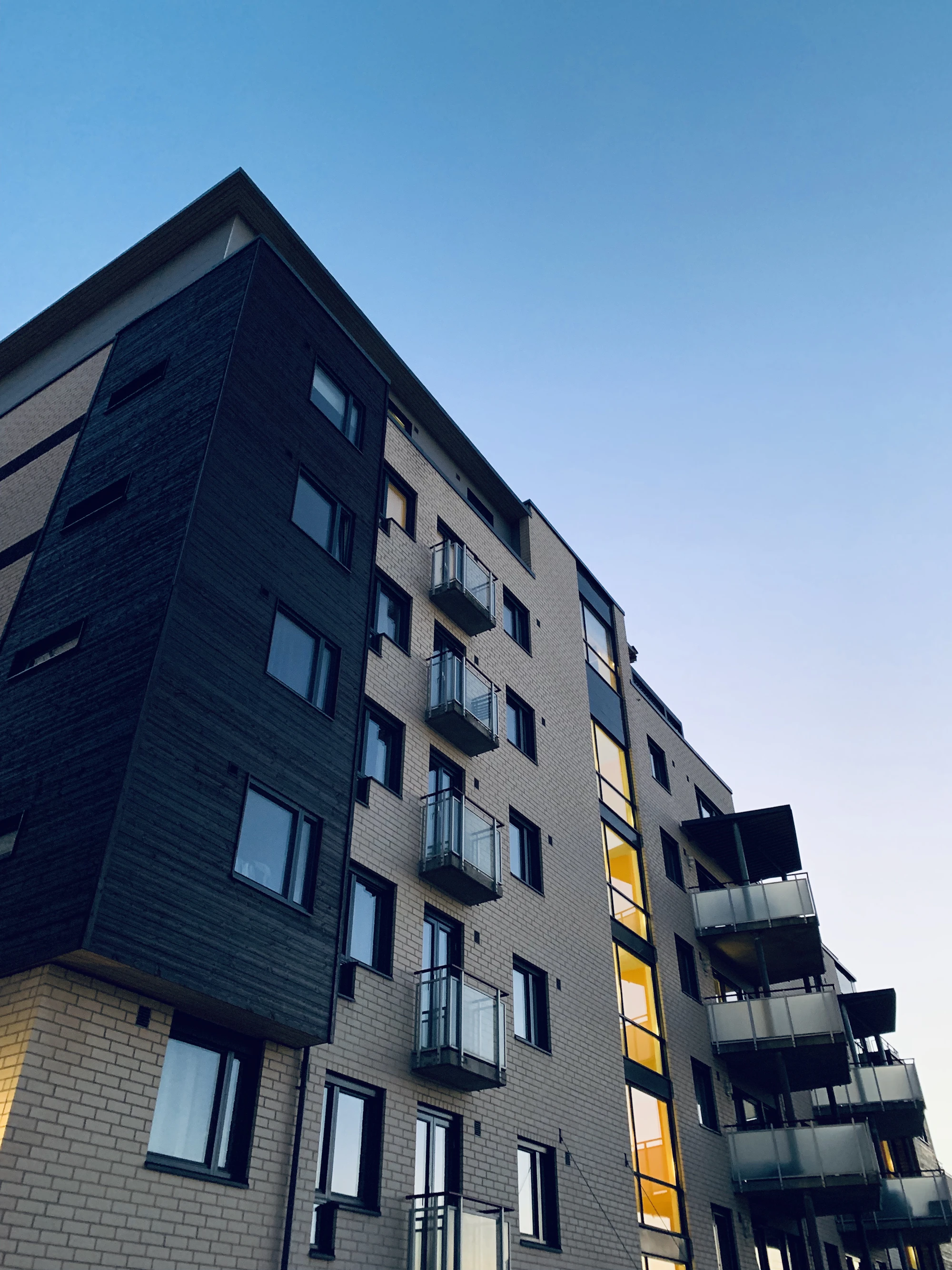
The Residences at 1428 — Aventura, Miami.
If you're leaving New York for South Florida, Aventura offers a rare combination of urban sophistication, waterfront living, and favorable tax conditions — but financing a Miami new-construction condo comes with its own rules. This guide walks you through everything you need to know before signing a contract.
Why New Yorkers Are Choosing Aventura Over Other Miami Neighborhoods
Aventura has quietly become the preferred landing spot for buyers relocating from New York City, and the reasons are easy to understand once you spend a weekend there. The city sits between Miami proper and Fort Lauderdale, flanked by the Intracoastal Waterway to the west and the Atlantic Ocean to the east. It offers a walkable town center anchored by Aventura Mall — one of the highest-grossing retail centers in the United States — along with a restaurant scene, a burgeoning arts district, and a level of density and urban energy that transplants from the Upper East Side or Midtown find immediately familiar. Unlike, say, Boca Raton or Naples, Aventura does not ask you to give up the rhythms of city life in exchange for Florida sunshine.
The neighborhood's demographics skew international and financially sophisticated, which matters to buyers who want neighbors with similar lifestyles and investment mindsets. The school system, healthcare infrastructure, and proximity to two major airports — Miami International and Fort Lauderdale-Hollywood — make it logistically practical for executives who still split time between the two coasts. And from a pure real estate standpoint, Aventura's inventory of luxury high-rise condos is second only to Brickell and Edgewater in terms of new construction activity, which means buyers have access to modern amenities, contemporary floor plans, and developer pre-construction pricing that simply does not exist in the resale-dominated markets of Manhattan or Brooklyn.
For New Yorkers accustomed to co-op board approvals, maintenance fees that rival mortgages, and property taxes that compound aggressively year over year, Aventura's financial profile is revelatory. Florida has no state income tax, no estate tax, and homestead exemption can cap annual assessment increases at 3% on a primary residence. A buyer who earns $500,000 a year and relocates their domicile from New York to Florida is looking at a potential annual tax savings that, over a decade, can meaningfully dwarf the cost of a down payment. Real estate attorneys and CPAs who specialize in interstate relocation will be your best resource for modeling the exact numbers, but the directional advantage is substantial.
Understanding the New-Construction Contract Process in Florida
Buying a pre-construction or new-construction condo in Miami is fundamentally different from buying a resale apartment in New York, and understanding those differences upfront can prevent costly surprises. In Florida, new-construction developers use their own proprietary purchase and sale agreements — not a standardized form — and these contracts are written almost entirely in the developer's favor. They will specify a deposit structure, a projected closing timeline, a force majeure clause, and a set of conditions under which the developer can delay or restructure the project. New York buyers who are accustomed to the protections embedded in a co-op or condo board process often underestimate how developer-friendly Florida's new-construction contracts can be.
Florida law does offer one significant protection: the Interstate Land Sales Full Disclosure Act (ILSA) and the Florida Condominium Act together require developers to deliver a prospectus — sometimes called a condo document package — to buyers before contracts become binding. Buyers typically have a statutory rescission period during which they can back out and receive their deposit in full. This window is generally 15 days for contracts signed in Florida and can extend further for out-of-state buyers under certain conditions. This is not a time to skim documents; it is the moment to engage a Florida-licensed real estate attorney who specializes in condo contracts. Your Wolsen Developments agent can help connect you with vetted legal professionals who work with relocating buyers regularly.
Deposit structures in Miami new construction typically require 10% at contract signing, with additional installments of 10% to 20% due at various construction milestones — foundation pour, top-off, and substantial completion are common trigger points. By the time you reach closing, you may have deposited 20% to 30% of the purchase price in staged payments before you ever receive a key. These deposits are generally held in escrow, but understanding which escrow account type and what protections apply is part of the due diligence your attorney should conduct. Unlike resale transactions that close in 30 to 60 days, a pre-construction purchase can take 18 months to 4 years from contract to closing, which has significant implications for your financing strategy.
Financing a Miami New-Construction Condo: What NYC Buyers Need to Know
Financing a new-construction condo in Miami is one of the most misunderstood aspects of the purchase process for buyers coming from New York. Many relocators assume their existing banking relationships — a private banker at a large institution, a mortgage broker who handled their Manhattan apartment — will translate seamlessly to a Florida new-construction transaction. In practice, new-construction condo financing involves a distinct set of underwriting requirements, lender eligibility criteria, and timing challenges that require careful planning well before your target closing date.
One of the most important variables is project approval status. Conventional lenders — those offering loans backed by Fannie Mae or Freddie Mac — require that a condo project meet specific eligibility criteria: a certain percentage of units must be owner-occupied, no single entity can own more than a defined percentage of units, the homeowners' association must be financially solvent, and the project cannot have significant litigation pending. Many new-construction buildings in Miami do not achieve Fannie/Freddie approval until well after the project delivers, which means buyers closing at or near a building's initial delivery date may need to pursue non-conforming or portfolio loan products. These loans often carry higher interest rates and stricter down payment requirements — sometimes 25% to 30% or more — but they are a legitimate and commonly used financing path in the luxury new-construction market.
For high-net-worth buyers, private banking relationships with institutions that hold loans on their own balance sheets can be particularly valuable. Banks that serve wealth management clients often have in-house mortgage products designed for complex borrowers: those with significant assets but variable or non-traditional income, business owners whose tax returns reflect aggressive deductions, or buyers who want to leverage an existing portfolio rather than liquidate assets to fund a down payment. Asset-based lending and securities-backed lines of credit are tools that sophisticated buyers increasingly deploy in this context. Working with a Wolsen Developments agent who has established relationships with lenders experienced in Miami luxury new construction will help ensure you are speaking to the right financing partners from the earliest stages of your search.
Spotlight: The Residences at 1428 and What It Represents in Today's Aventura Market
Among the new-construction opportunities currently available to discerning buyers in the Aventura corridor, The Residences at 1428 stands as a compelling example of the type of product that is drawing significant interest from New York relocators. Developments of this caliber are designed from the ground up to serve buyers who have lived in architecturally significant buildings and have zero tolerance for compromised finish quality, undersized floor plans, or amenity packages that feel like afterthoughts. The attention to spatial generosity — ceiling heights, window lines, and the relationship between interior living space and private outdoor terraces — reflects an understanding of what luxury buyers actually live in, not just what photographs well in a marketing brochure.
The Residences at 1428 exemplifies a growing trend in South Florida new construction: the move away from maximizing unit count in favor of delivering fewer, larger, more thoughtfully designed residences. This approach tends to attract a buyer profile that values privacy, low building density, and a curated ownership community — all factors that also contribute to the long-term value retention of the asset. For a New Yorker who has owned in a building with 300 or 400 units and experienced the logistical friction that creates — elevator wait times, overcrowded amenity spaces, a transient rental population — a boutique new-construction building can represent a meaningful quality-of-life upgrade even at a comparable or higher price point.
From a financing and investment standpoint, buyers considering The Residences at 1428 should begin their lender conversations early, as the project's approval status, delivery timeline, and HOA structure will all inform which loan products are available at closing. Your Wolsen Developments agent can walk you through the current status of the project and connect you with lenders who have direct familiarity with this development. Understanding the deposit schedule, the projected delivery date, and the building's anticipated path to Fannie Mae or Freddie Mac approval will help you build a financing plan that does not require last-minute scrambling as the closing date approaches.
Establishing Florida Domicile: The Legal and Financial Steps NYC Buyers Must Take
Purchasing a condo in Aventura is not by itself sufficient to establish Florida domicile and capture the tax benefits that make relocation so financially compelling. New York State is famously aggressive about auditing departing high-income residents, and the burden of proof falls on the taxpayer to demonstrate that they have genuinely changed their primary legal home. The standard New York applies involves a multi-factor analysis, but the most important elements are: spending fewer than 183 days in New York during the tax year, establishing a permanent place of abode in Florida, and shifting the primary connections of your life — banking, doctors, club memberships, religious affiliation, professional registrations — to your new state.
Practical steps to establish Florida domicile include obtaining a Florida driver's license, registering your vehicle in Florida, updating your voter registration, filing a Declaration of Domicile with the county clerk, and applying for the Florida homestead exemption on your primary residence. The homestead exemption, which removes the first $50,000 of assessed value from property taxes and caps annual assessment increases at 3% for primary residents, is one of the most tangible and recurring financial benefits of establishing domicile — but it requires you to own and occupy the property as your primary residence by January 1 of the tax year in which you apply. Timing your purchase and closing accordingly can mean the difference between capturing the exemption in year one or waiting an additional year.
New York's Department of Taxation and Finance has a well-documented history of auditing high-income taxpayers who claim to have relocated to Florida, particularly when those individuals maintain a residence in New York — even a secondary one. The safest approach is to work with both a Florida-licensed CPA and a New York tax attorney during the transition year to ensure your documentation of Florida residency is airtight. Keeping a contemporaneous log of where you physically spent each day during the transition year, preserving receipts and records that demonstrate Florida-based activity, and conducting as much of your financial and professional life as possible from your Florida address will all support your domicile claim if it is ever questioned.
Working With a Miami New-Construction Specialist: What to Expect From Your Wolsen Developments Agent
The Miami new-construction market moves at a pace and with a level of developer-side sophistication that rewards buyers who are represented by agents with specific expertise in pre-construction transactions. A generalist agent who primarily handles resale condos or single-family homes may not have current, accurate knowledge of which developers are offering incentives, which buildings are tracking ahead of or behind their projected delivery schedules, or which projects are likely to achieve Fannie Mae approval within a useful timeframe for your financing. At Wolsen Developments, our agents specialize exclusively in new construction, which means our market intelligence is current, our developer relationships are direct, and our ability to negotiate terms — assignment rights, upgrade credits, parking allocations, closing cost contributions — is meaningfully stronger than a generalist buyer's agent working from public information.
For buyers relocating from New York, the advisory relationship with your agent often extends beyond the transactional. Questions about neighborhoods, school districts, the practical differences between Aventura and nearby Bal Harbour or Sunny Isles Beach, the lifestyle implications of a building's specific location within Aventura, and the long-term development pipeline that will affect views and neighborhood character — these are all topics a Wolsen Developments agent is prepared to address in depth. We understand that for most New York relocators, this is not a speculative investment purchase; it is a primary or near-primary residence decision that will reshape the texture of your daily life, and we treat it accordingly.
Buyers should expect the initial consultation with a Wolsen Developments agent to cover your timeline, financing situation, lifestyle requirements, and investment objectives in detail before any specific properties are discussed. This intake process is not procedural formality — it is how we ensure that the buildings we present to you are genuinely aligned with your needs rather than simply available and within budget. For a New York buyer approaching this process remotely, we can conduct virtual tours, provide detailed unit-by-unit analysis of floor plans and views, and coordinate site visits that maximize your time on the ground in Aventura so that when you are ready to make a decision, you are doing so from a position of comprehensive, well-organized information. If you have questions about current pricing or availability in Aventura, Denis Smykalov at Wolsen Developments is available for a direct consultation — no obligation, just straight answers about what is actually on the market.
Frequently Asked Questions
What is the typical deposit structure for a new-construction condo in Miami?
Most Miami new-construction developers require an initial deposit of 10% at contract signing, followed by additional installments of 10% to 20% at construction milestones such as foundation pour, top-off, and substantial completion. By closing, a buyer may have deposited 20% to 30% of the total purchase price in staged payments. These funds are held in escrow, and the specific terms vary by developer and project.
How long does a New York buyer have to rescind a Miami new-construction contract?
Under Florida law, buyers generally have a 15-day rescission period after receiving the developer's condominium documents to cancel the contract and receive their deposit back in full. For out-of-state buyers, additional protections may apply under the Interstate Land Sales Full Disclosure Act. Buyers should consult a Florida-licensed real estate attorney to confirm the exact rescission window that applies to their specific contract.
Can I get a conventional mortgage for a new-construction condo in Miami?
You can obtain a conventional Fannie Mae or Freddie Mac-backed mortgage for a Miami new-construction condo, but the project must first meet specific eligibility requirements related to owner-occupancy rates, HOA financial health, and litigation status. Many buildings do not achieve this approval until after initial delivery, so buyers closing early in a project's life often need to use portfolio or non-conforming loan products, which typically require a larger down payment and may carry higher interest rates.
What are the tax benefits of establishing Florida domicile for a New York resident?
Florida has no state income tax, no estate tax, and offers a homestead exemption that reduces assessed property value by up to $50,000 and caps annual assessment increases at 3% for primary residents. A high-income New York resident who successfully establishes Florida domicile can realize substantial annual tax savings, though the process requires careful documentation and legal planning to satisfy New York State's residency audit standards.
How does buying a new-construction condo in Aventura differ from buying a resale apartment in Manhattan?
The key differences include: a developer-written purchase contract that is more favorable to the seller than a standard resale contract; a multi-year timeline from contract to closing; a staged deposit structure rather than a single closing payment; no co-op board approval process; and different mortgage underwriting requirements tied to the project's approval status. Florida law provides a statutory rescission period that gives buyers an opportunity to review condo documents before the contract becomes binding.
What steps does a New York resident need to take to establish Florida domicile?
Key steps include obtaining a Florida driver's license, registering a vehicle in Florida, updating voter registration, filing a Declaration of Domicile with the county clerk, and applying for the Florida homestead exemption. Additionally, buyers should shift primary life connections — banking, doctors, club memberships, and professional registrations — to Florida and spend fewer than 183 days in New York during the tax year. Maintaining detailed records of days spent in each state is strongly recommended given New York's history of auditing departing high-income residents.
Is Aventura a good neighborhood for New Yorkers relocating to Miami?
Aventura is widely considered one of the most New York-compatible neighborhoods in Miami due to its walkable urban core, high-rise condo lifestyle, proximity to Aventura Mall, and access to two major airports. It offers a dense, cosmopolitan environment with international demographics, a strong restaurant scene, and new-construction inventory that rivals Brickell and Edgewater. The financial profile — including Florida's no-income-tax environment and homestead exemption — makes it especially compelling for high-earning transplants.
What financing options are available for high-net-worth buyers purchasing a luxury new-construction condo?
High-net-worth buyers often use portfolio loans from private banks, asset-based lending products, or securities-backed lines of credit to finance luxury new-construction purchases, particularly when a project has not yet received Fannie Mae or Freddie Mac approval. These products can accommodate borrowers with complex income profiles, such as business owners or investors with significant assets and variable earnings. Working with a lender experienced in Miami luxury new construction is essential to identifying the right product for your financial situation.
When should I apply for the Florida homestead exemption after purchasing an Aventura condo?
You must own and occupy the property as your primary residence by January 1 of the tax year in which you apply for the homestead exemption. Applications are typically due by March 1 of that same year. Timing your purchase closing before January 1 of your target tax year is important to capture the exemption and begin benefiting from the 3% annual assessment increase cap as early as possible.
How does a Wolsen Developments agent differ from a general Miami real estate agent for new-construction buyers?
Wolsen Developments agents specialize exclusively in new construction, giving them current knowledge of developer incentives, project delivery timelines, financing approval status, and negotiating leverage that generalist agents typically lack. For relocating buyers from New York, they also provide advisory guidance on neighborhood selection, lifestyle considerations, and the practical differences between comparable luxury buildings — services that go beyond simply showing available inventory.
Ready to Take the Next Step?