Morningside · Miami pied-à-terre · second home Miami · Miami new construction · Upper East Side Miami · JEM Private Residences
Morningside Miami Pied-à-Terre & Second Home Buyer Guide: New Development Investment Analysis for 2025
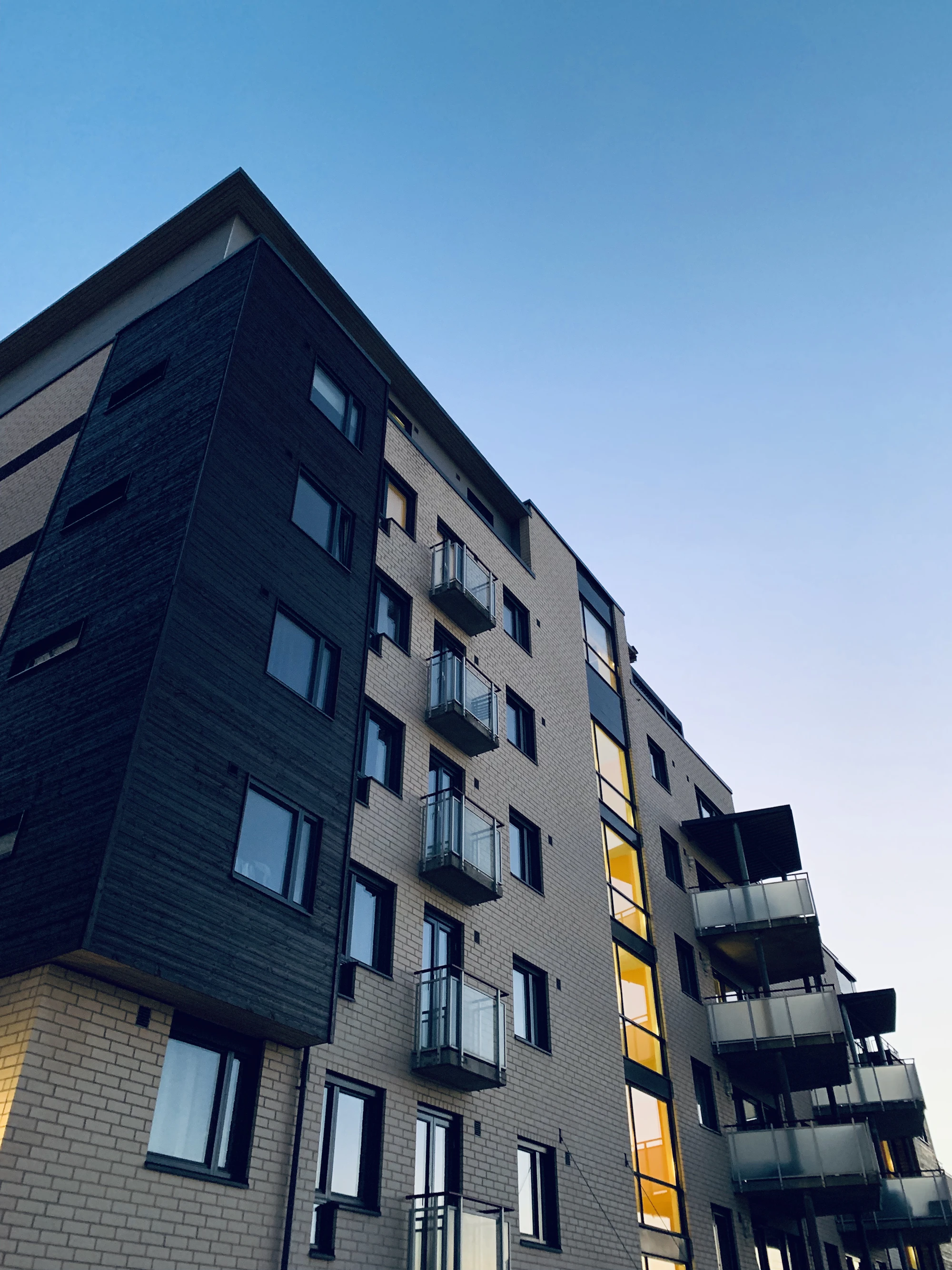
JEM Private Residences — Morningside, Miami.
Morningside is emerging as one of Miami's most compelling neighborhoods for second-home buyers seeking character, walkability, and appreciation potential. This guide breaks down what out-of-town and international buyers need to know before purchasing a pied-à-terre or vacation residence in and around this historic Biscayne Bay enclave.
Why Morningside Appeals to Pied-à-Terre Buyers
Morningside occupies a rare position in Miami's residential landscape: it is one of the city's oldest and most architecturally intact neighborhoods, a designated historic district lined with Mediterranean Revival and Art Deco homes that sit just minutes from Biscayne Bay. For buyers who spend only part of the year in Miami, this translates into a neighborhood that feels genuinely residential rather than transient — a meaningful distinction when you want a second home that feels like a home rather than an extended hotel stay. Tree-canopied streets, a neighborhood park directly on the bay, and proximity to the emerging Little River arts corridor give Morningside a texture that Miami's more overtly luxury-branded districts sometimes lack.
The pied-à-terre buyer profile fits Morningside particularly well because the neighborhood rewards low-maintenance ownership. Its historic designation limits certain types of speculative overdevelopment, which has historically contributed to price stability even as surrounding zip codes cycled through boom-and-bust volatility. Walkability to MiMo District restaurants along Biscayne Boulevard, access to the 79th Street corridor's growing dining scene, and proximity to Downtown Miami via US-1 or Brickell City Centre all make Morningside functional for an owner who arrives with a packed social calendar and does not want to depend on a car for every errand.
Second-home buyers also benefit from Morningside's relatively compressed price range compared to Miami Beach or Coconut Grove, allowing a more attainable entry point into a neighborhood where long-term holders have historically been rewarded. The combination of architectural scarcity — you cannot easily replicate Morningside's historic stock — and rapidly improving surrounding infrastructure makes this an area where buying well today positions owners favorably for the medium and long term.
Understanding the Morningside Investment Case
Evaluating a pied-à-terre purchase requires thinking in two parallel tracks: lifestyle utility and asset performance. In Morningside, the lifestyle case has been well-established for decades among Miami insiders. The investment case has accelerated more recently, driven by several macro and local catalysts. Miami's post-pandemic population and wealth inflows brought a new class of full-time and part-time residents who actively sought neighborhoods with identity — places that could compete with the brownstone blocks of Brooklyn or the historic quarters of European cities. Morningside delivered that, and demand responded accordingly.
From a supply perspective, Morningside's historic designation constrains new construction in ways that protect existing owners. The neighborhood itself cannot be substantially redeveloped, which means inventory remains structurally limited. Buyers looking at the broader investment thesis should also track the evolution of the 79th Street Causeway corridor and the continued northward migration of amenities from Wynwood and Edgewater. Each new restaurant opening, each art gallery, and each boutique fitness studio within a mile radius incrementally increases the lifestyle premium that Morningside commands — and lifestyle premiums are ultimately what drive per-square-foot appreciation in second-home markets.
Rental income is a secondary but real consideration for pied-à-terre owners who do not occupy a property year-round. Miami's strong short-term rental market, combined with the neighborhood's appeal to design-conscious visitors, can generate meaningful revenue during months of non-use. However, buyers should engage legal counsel and verify condominium association rules carefully, as short-term rental regulations in Miami-Dade County and individual building policies vary considerably. The investment case is strongest when buyers underwrite the purchase primarily on appreciation and personal use rather than leaning heavily on projected rental yields that can shift with regulatory winds.
New Construction Options Near Morningside: The Broader Context
Because Morningside itself is largely protected from ground-up new construction, buyers oriented toward brand-new product look to adjacent corridors — Edgewater, the Upper East Side, and Downtown Miami — where a wave of architecturally ambitious towers has delivered or is delivering inventory. This creates an interesting buyer choice: the intimacy and resale stability of Morningside's existing housing stock versus the modern amenities, warranty periods, and developer financing structures available in nearby new-construction buildings. Many sophisticated second-home buyers choose to explore both simultaneously before committing.
One project drawing significant attention from buyers who want proximity to the Morningside and Upper East Side lifestyle while gaining access to world-class new-construction amenities is JEM Private Residences, rising in Downtown Miami as part of the transformative Miami Worldcenter development. While Downtown Miami is a distinct neighborhood from Morningside, the two are meaningfully connected by the Biscayne Bay corridor, and buyers who value urban connectivity — quick access to Brickell, the Port of Miami, and Miami International Airport — find that a Downtown base can serve as a practical pied-à-terre anchor point for someone whose social and recreational life extends up into the Upper East Side and Morningside.
JEM Private Residences represents the kind of large-scale, amenity-rich vertical community that appeals to second-home buyers who want lock-and-leave simplicity. Full-service buildings with concierge, valet, on-site management, and curated resident programming reduce the friction of part-time ownership substantially. For a buyer dividing time between Miami and another city or country, handing keys to a well-staffed building rather than a standalone home addresses real logistical concerns around security, maintenance, and property oversight during extended absences.
Pied-à-Terre Ownership Structure: Legal and Tax Considerations for Out-of-State and International Buyers
Ownership structure is one of the most consequential decisions a second-home buyer in Miami will make, and it deserves careful attention before any purchase contract is signed. U.S. citizens purchasing a second home have relatively straightforward options — direct individual ownership, a living trust for estate planning purposes, or a domestic LLC depending on liability and privacy goals. The analysis changes materially for foreign national buyers, who must navigate FIRPTA withholding rules on eventual sale, potential U.S. estate tax exposure on U.S.-situs assets, and reporting obligations tied to foreign bank accounts or foreign corporations used as holding vehicles.
Florida's property tax environment is generally buyer-friendly for second-home and investment purchasers. The state has no income tax, which is a meaningful draw for high-income buyers considering a domicile shift alongside a pied-à-terre purchase. However, second homes do not qualify for Florida's Homestead Exemption, which means buyers should underwrite property tax at full assessed value without the benefit of Save Our Homes assessment caps. For properties in newer developments, assessed value may initially be lower in the first year of ownership but can step up significantly in subsequent tax cycles.
Buyers should also understand the distinction between condo hotel structures, traditional condominium ownership, and co-ownership arrangements being introduced by some new developments. Each carries different implications for personal use flexibility, rental program participation, and long-term resale liquidity. Engaging a Miami-based real estate attorney with international transaction experience — separate from a buyer's agent — is a prudent step that protects buyers at every stage of the process and is especially valuable when purchasing preconstruction, where contracts are heavily developer-favorable and negotiation windows are narrow but real.
Neighborhood Infrastructure and Lifestyle Amenities Driving Long-Term Value
Long-term value in a second-home neighborhood is intimately tied to the quality and trajectory of its surrounding infrastructure. Morningside benefits from several converging trends that support a positive outlook. The Margaret Pace Park and Morningside Park bayfront corridors provide open green space along Biscayne Bay that is functionally irreplaceable — waterfronts in Miami are finite, and neighborhoods that have already secured them enjoy a permanent lifestyle advantage. The ongoing investment in the Biscayne Bay cleanup and the city's broader resilience infrastructure improvements are signals that public and private stakeholders view this corridor as a long-term priority.
The Upper East Side's restaurant and cultural ecosystem has matured meaningfully over the past five years. Establishments along the Biscayne Boulevard MiMo corridor have attracted national media attention, and the area now offers a dining and entertainment scene that a visitor can explore for weeks without exhausting options. This matters to pied-à-terre buyers because a second home is only used if its surroundings are compelling enough to draw owners back repeatedly throughout the year. A neighborhood where evening options are limited or feel stagnant will see its second-home demand erode over time; Morningside's trajectory is the opposite.
Transportation infrastructure is also improving. The ongoing development of Miami Worldcenter and the associated activation of Downtown Miami bring major retail, entertainment, and public transit connectivity improvements that benefit the entire Biscayne Bay corridor, including Morningside. The Brightline intercity rail station at MiamiCentral connects Downtown Miami to Fort Lauderdale and Orlando, which is a meaningful amenity for second-home owners who split time across Florida or travel frequently from the northeastern United States. For buyers evaluating long-term hold scenarios, infrastructure improvements of this scale tend to function as compounding appreciation drivers rather than one-time events.
How to Approach a Morningside Pied-à-Terre Purchase: Practical Buyer Steps
A successful pied-à-terre acquisition in or near Morningside begins with clarity on use case. Buyers should honestly assess how many weeks per year they intend to occupy the property, whether rental income is a financial necessity or a secondary benefit, and whether they prioritize turnkey new construction or the character of an existing Morningside home that may require renovation attention. These answers will determine whether the search focuses on the historic neighborhood itself, adjacent new-construction corridors, or a hybrid strategy that uses a modern condo as the operational base while maintaining an eye toward a future Morningside home purchase.
Working with a buyer's agent who specializes specifically in Miami new construction — rather than a generalist agent — matters considerably in this market. Preconstruction negotiations, developer incentive structures, assignment rights, deposit schedules, and construction timeline representations require specialized knowledge that generalist agents may not have current enough expertise to navigate. Buyers should ask potential agents directly about their transaction history with new-development purchases specifically, and should request references from past buyer clients in similar purchase situations.
Due diligence on any Miami new-development purchase should include a review of the developer's track record — specifically completed projects and their delivery timelines relative to original projections — as well as a thorough review of the offering documents by a qualified Florida real estate attorney. For preconstruction purchases, buyers are committing capital years in advance of delivery, and the developer's financial stability, construction lender relationships, and sales velocity targets all become relevant inputs to a sound buy decision. Buyers who approach Miami's preconstruction market with the same rigor they would apply to any other significant capital allocation tend to achieve meaningfully better outcomes than those who rely on developer marketing materials alone.
Frequently Asked Questions
Is Morningside a good neighborhood for a Miami pied-à-terre investment?
Morningside is widely considered one of Miami's most resilient residential neighborhoods for part-time buyers. Its historic designation limits new supply, its bayfront parks and mature tree canopy are irreplaceable lifestyle assets, and its proximity to the growing Upper East Side and Edgewater corridors supports steady long-term appreciation. It is particularly well-suited to buyers who prioritize neighborhood character and price stability over short-term yield maximization.
Can I rent out my Morningside or Upper East Side property short-term when I'm not using it?
Short-term rental eligibility depends on the specific property type, zoning classification, and — for condominiums — the individual association's rules. Miami-Dade County has enacted regulations governing short-term rentals, and enforcement has increased in recent years. Buyers should verify rental permissions with a Miami-based real estate attorney before purchasing if short-term rental income is a meaningful part of their ownership plan.
What is JEM Private Residences and why is it relevant to buyers interested in the Morningside area?
<a href='/developments/jem-private-residences-downtown'>JEM Private Residences</a> is a major new-construction tower rising within the Miami Worldcenter development in Downtown Miami. It is relevant to Upper East Side and Morningside-area buyers because it offers full-service amenities and urban connectivity within the Biscayne Bay corridor — appealing to second-home buyers who want lock-and-leave convenience while maintaining easy access to the Morningside and MiMo District lifestyle.
What ownership structure should a foreign national use when buying a Miami pied-à-terre?
Foreign nationals typically explore several structures — direct individual ownership, a U.S. LLC, or a foreign corporation — each with different implications for FIRPTA withholding on sale, U.S. estate tax exposure, and annual reporting obligations. There is no universally correct answer, as the optimal structure depends on the buyer's country of residence, total U.S. asset exposure, and estate planning goals. A Miami-based real estate attorney with international transaction experience should be consulted before signing any purchase contract.
How many weeks per year do most pied-à-terre owners in Miami actually use their property?
Usage patterns vary widely, but many Miami second-home owners target four to twelve weeks of personal use annually, concentrating visits during the winter season from November through April when South Florida's climate is most temperate. Buyers should be honest in their self-assessment of likely usage, as a property used fewer than three or four weeks per year may be better served by a rental program or a different ownership approach than full fee-simple purchase.
What should I know about Florida property taxes as a second-home buyer?
Second homes in Florida do not qualify for the Homestead Exemption, meaning they are assessed at full market value without the Save Our Homes cap that limits annual assessment increases for primary residences. Buyers should underwrite property tax at the full millage rate applied to the assessed value, and should anticipate that assessed values on newly purchased properties may increase in the first few years following acquisition as the county adjusts assessments to reflect the recorded sale price.
How do I evaluate a Miami developer's track record before purchasing preconstruction?
Denis Smykalov, a Miami new-development specialist at Wolsen Developments, recommends that buyers research the developer's completed project history specifically — not just their pipeline — and compare original projected delivery timelines against actual completion dates on those finished buildings, since delivery delays are common in South Florida construction and a pattern of significant overruns is a meaningful risk indicator. He also suggests reviewing public records for any litigation history on prior projects and asking the developer directly for references from past buyers.
Is the Morningside historic district designation a risk or a benefit for property owners?
For most owners, the historic designation functions as a benefit rather than a constraint. It limits the type of redevelopment that can occur within the neighborhood, which structurally caps new supply and protects the architectural character that drives Morningside's premium over comparable non-historic Miami neighborhoods. Owners who want to renovate should be aware that changes to exterior-facing elements typically require approval from Miami's Historic and Environmental Preservation Board, which adds a step to the renovation process but does not generally prevent well-considered improvements.
What is the difference between buying an existing Morningside home versus a new-construction condo nearby for use as a pied-à-terre?
An existing Morningside home offers architectural character, land ownership, and neighborhood integration that a condo cannot replicate, but typically requires more active management and may need renovation to meet a buyer's standards. A new-construction condo in an adjacent corridor like Edgewater or Downtown Miami offers modern finishes, building-level amenities, concierge services, and lock-and-leave simplicity that make part-time ownership significantly more practical. Many buyers ultimately decide based on how much time they realistically intend to spend in Miami and how hands-on they want their ownership experience to be.
How does Miami's Brightline rail connection affect the pied-à-terre market in the Biscayne Bay corridor?
Brightline's MiamiCentral station in Downtown Miami connects the city to Fort Lauderdale, West Palm Beach, and Orlando, which meaningfully expands the reach of a Miami pied-à-terre for buyers who also spend time in other Florida markets. For buyers based in the northeastern United States who fly into Fort Lauderdale-Hollywood International Airport, Brightline offers a convenient, car-free connection to Downtown Miami and the broader Biscayne Bay corridor — a practical amenity that adds to the attractiveness of neighborhoods like Morningside and Edgewater for part-time residents.
Ready to Take the Next Step?