Miami Shores · Miami new construction · luxury privacy real estate · Miami closing costs · St. Regis Residences · new development buyer guide
Miami Shores New-Development Buyer Guide: Privacy, Security & Closing Costs Explained for Discerning Buyers
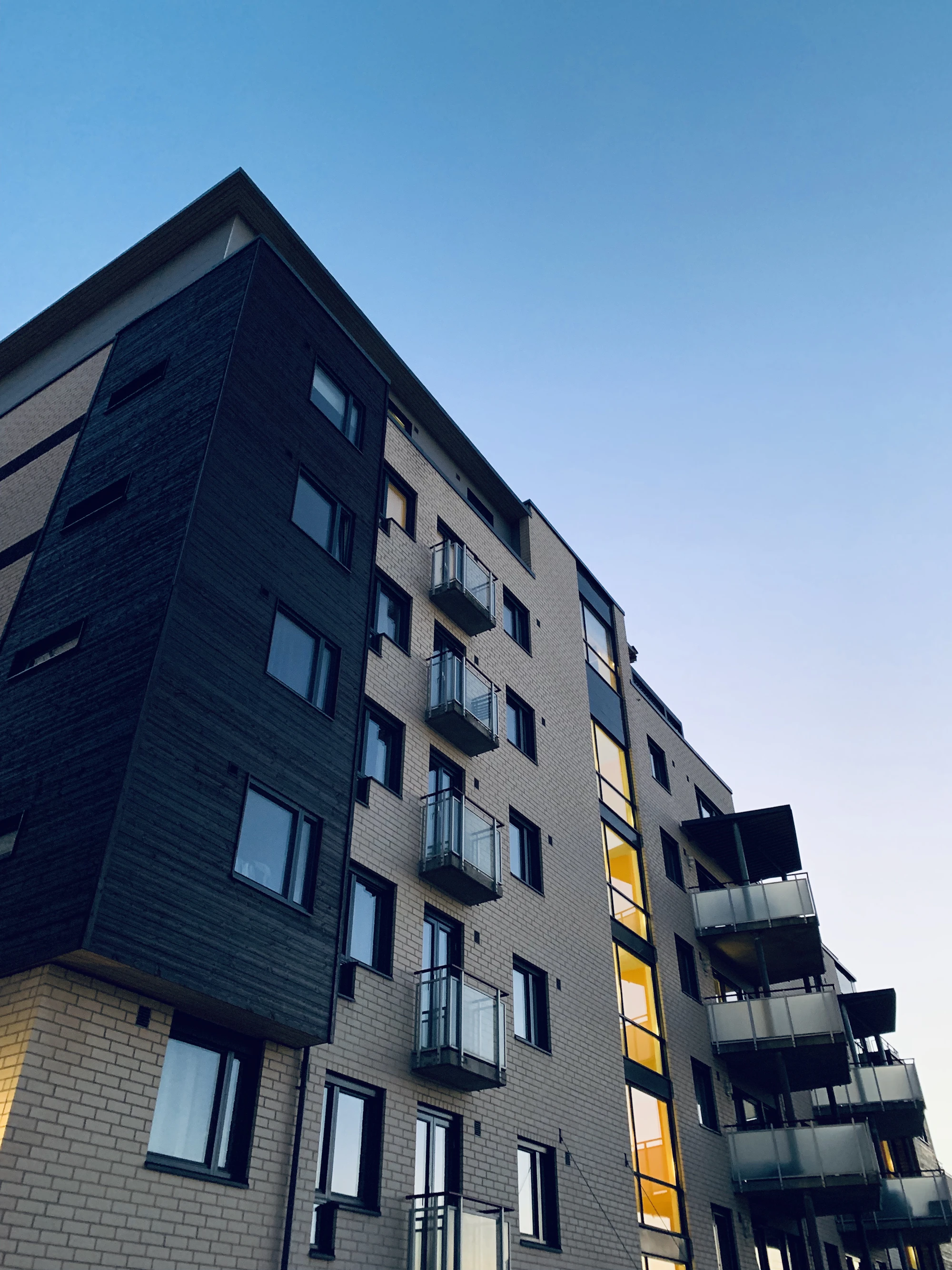
St. Regis Residences — Miami Shores, Miami.
A comprehensive guide for privacy-focused buyers exploring new-construction residences in and around Miami Shores, with a clear breakdown of what to budget for Miami closing costs and insight into elite developments like St. Regis Residences.
Why Privacy-Focused Buyers Are Looking at Miami Shores and Its Surrounding Enclaves
Miami Shores occupies a rare position in South Florida's real estate landscape: a low-density, tree-lined village tucked between Biscayne Bay and Biscayne Boulevard that has historically resisted the high-rise density reshaping other Miami neighborhoods. For buyers who place privacy, controlled access, and a quieter residential scale at the top of their wish list, Miami Shores offers something genuinely uncommon — a walkable, golf-cart-friendly community with its own municipal services, a strong neighborhood association culture, and a physical separation from the congestion of downtown Miami and Miami Beach. The village's strict zoning codes and limited commercial intrusion mean that new construction here tends to be bespoke single-family or small-scale boutique developments, rather than anonymous towers.
Security-minded buyers are drawn to Miami Shores for practical reasons as well. The village operates its own police department with a notably low officer-to-resident ratio, and many streets feature natural dead-ends created by the Biscayne Bay shoreline, limiting through-traffic in a way that gated communities artificially replicate. For buyers who want the feeling of a private enclave without the sometimes-corporate atmosphere of a master-planned gate, Miami Shores delivers an organic version of that same peace of mind. When combined with the broader Miami luxury market — including landmark projects like the St. Regis Residences further north along the bay corridor — buyers can calibrate exactly how much community scale and amenity depth they want against how much seclusion they need.
Security Features to Demand in Miami New-Construction: A Buyer's Checklist
In Miami's new-development market, 'security' is a marketing word that can mean anything from a simple intercom panel to a full-time, 24-hour staffed gatehouse with biometric access, CCTV monitoring, and a dedicated security operations center. Privacy-focused buyers should move past the brochure language and ask specific questions during the due-diligence phase. Key features worth demanding include: controlled single-point vehicular entry with license plate recognition, elevator cab access restricted by floor or unit key fob, package and service-provider management protocols that prevent unauthorized building access, and fiber-optic or encrypted building-wide communication infrastructure that limits surveillance vulnerabilities. In ultra-luxury towers, concierge teams are often trained to handle celebrity-level discretion protocols.
New-construction in South Florida also allows buyers to negotiate or upgrade specific unit-level security before closing in ways that resale properties do not. Reinforced door frames, laminated impact glass rated beyond Miami-Dade's already rigorous hurricane code, in-unit panic rooms or safe rooms, and smart-home integration with remote monitoring are all features that premium developers can spec into a unit during construction. Buyers working with a knowledgeable new-development specialist can identify which building systems are truly private — meaning no third-party vendor has ongoing data access — versus those that route footage or access logs through cloud platforms. The distinction matters for high-net-worth individuals, executives, and public figures for whom data privacy is as important as physical security.
St. Regis Residences: The Gold Standard for Privacy-Forward Luxury in the Miami Bay Corridor
For buyers whose privacy priorities extend to world-class amenity access and the kind of discretion that a global brand has spent decades cultivating, the St. Regis Residences represents a compelling case study in how to deliver both. The St. Regis brand has long been synonymous with butler service, where a dedicated attendant manages the logistics of a resident's life — from coordinating private chef arrivals to ensuring that service vendors enter and exit without disturbing the principal's schedule. In a residential context, that hospitality DNA translates into security protocols that feel seamless rather than institutional, which is exactly what sophisticated buyers want: protection that is invisible to the resident but impenetrable to everyone else.
Located along the Sunny Isles Beach stretch of the Miami bay corridor — a logical northward extension for buyers whose search begins in Miami Shores — the St. Regis Residences offers direct oceanfront positioning, which itself functions as a natural privacy barrier on one side. The building's design, amenities, and ownership profile tend to attract a relatively small, international buyer pool, which means floors are not crowded and common areas rarely feel public-facing. For buyers comparing the intimate village scale of Miami Shores new construction against a full-service luxury tower, the St. Regis Residences illustrates that privacy and amenity depth are not mutually exclusive — they simply require a developer who builds security into the architecture rather than bolting it on as an afterthought.
Miami Closing Costs Explained: What Every New-Development Buyer Must Budget
One of the most consistent surprises for buyers — particularly those relocating from other U.S. markets or purchasing in Florida for the first time — is the magnitude of closing costs in Miami new-construction transactions. Unlike a resale purchase where costs are often split between buyer and seller in a negotiated fashion, new-development purchases typically shift a larger share of costs to the buyer, and developers frequently specify in their contracts exactly what the buyer is responsible for. As a general rule of thumb, buyers should budget between 2% and 5% of the purchase price in closing costs, though for luxury transactions the absolute dollar amount can be substantial even at the lower end of that range.
The primary line items in a Miami new-construction closing cost budget include: documentary stamp taxes on the deed (paid to the state of Florida and calculated on the purchase price), intangible tax on any new mortgage, title insurance premiums for both the lender's policy and the owner's policy, title search and examination fees, recording fees, and the developer's attorney fees (which many contracts require the buyer to pay in addition to their own legal representation). For cash buyers — who are disproportionately represented in Miami's luxury new-development market — the mortgage-related costs disappear, but documentary stamps and title insurance remain. Buyers should also account for HOA move-in fees, capital contribution funds (often one to two months of HOA dues paid at closing), and pre-paid items like the first year of property insurance if a lender requires it.
Developer Contract Nuances That Privacy-Focused Buyers Must Understand
New-construction contracts in Florida are heavily weighted toward the developer, and luxury buyers in particular should retain independent legal counsel — separate from any attorney the developer recommends — before signing a purchase and sale agreement. From a privacy standpoint, several contract provisions deserve special attention. First, assignment clauses: some contracts allow the developer to disclose the buyer's identity to third parties, including media, marketing agencies, or future buyers touring the building. Privacy-conscious buyers should negotiate language that restricts the use of their name, unit number, or purchase price in any developer marketing material. Second, the public records issue: Florida real estate transactions are recorded in the county property appraiser's database, making buyer names and prices a matter of public record unless the purchase is structured through an LLC or trust.
Purchasing through a legal entity — most commonly a Florida single-member LLC or a revocable living trust — is a common and entirely legal strategy for buyers who want to keep their name off the county appraiser's website. This approach requires coordination between the buyer's attorney, accountant, and the title company well before closing, as the entity must be formed and documented properly to be accepted by the developer and any mortgage lender. There are also tax and estate planning implications to consider when titling luxury real estate in a trust or LLC, and those implications differ meaningfully for U.S. citizens, permanent residents, and foreign nationals. In Miami's international buyer market, the foreign national scenario is particularly common, and buyers should never assume the rules that applied in a previous market apply in Florida.
Working with a New-Development Specialist: What the Right Advisor Changes
In Miami's new-development ecosystem, the buyer's agent or specialist plays a fundamentally different role than in a traditional resale transaction. Developers pre-negotiate co-broker commissions, meaning that a qualified buyer's representative is compensated by the developer — not by the buyer — in virtually every major new-construction project in Miami. This means that having an experienced new-development specialist in a buyer's corner costs the buyer nothing extra while providing access to pre-launch inventory, honest floor-plan comparisons, and an advocate who understands which developer concessions are realistic to negotiate and which are non-starters. For privacy-focused buyers, that insider knowledge includes understanding which buildings have noise issues between units, which towers have had paparazzi incidents at the lobby, and which security systems have a track record of actual effectiveness.
The relationship also matters at closing and beyond. A specialist who has closed multiple units in a given building understands the developer's closing process, knows which title companies move efficiently, and can flag unexpected costs before they appear on the closing statement. For buyers prioritizing a neighborhood like Miami Shores — where new construction is sparse and opportunities require reading the market closely — a specialist's off-market relationships and developer pipeline knowledge can be the difference between securing the right property and missing it entirely. The same is true for buyers tracking the allocation process at high-demand projects like the St. Regis Residences, where the best floors and exposures are often spoken for before public marketing begins.
Frequently Asked Questions
What are the typical closing costs for a new-construction purchase in Miami?
Miami new-construction buyers should generally budget between 2% and 5% of the purchase price in closing costs. Key line items include Florida documentary stamp taxes on the deed, owner's and lender's title insurance premiums, recording fees, the developer's attorney fees, and HOA capital contribution funds. Cash buyers avoid mortgage-related costs but still owe documentary stamps and title insurance.
How can a buyer keep their name off public records when purchasing luxury real estate in Miami?
Florida real estate transactions are recorded in the county property appraiser's public database, but buyers can preserve their privacy by taking title through a Florida LLC or a revocable living trust. The entity must be properly formed before closing and accepted by the developer and any lender. Buyers should work with a Florida real estate attorney and accountant to determine the best structure given their tax and estate planning situation.
Is Miami Shores a good neighborhood for buyers who prioritize privacy and low density?
Yes. Miami Shores is one of Miami-Dade's few incorporated villages with its own police department, strict zoning that limits high-rise development, and a predominantly residential street grid with natural dead-ends along Biscayne Bay. It offers an organic sense of seclusion that is rare in the broader Miami market without requiring a gated master-plan community.
What security features should I specifically ask about when evaluating a Miami luxury new-development?
Ask about staffed gatehouse hours and protocols, license plate recognition at entry points, floor-restricted elevator access, service and delivery management procedures, in-unit panic room options, and whether building security footage is stored on-site or routed through third-party cloud platforms. The distinction between on-site and cloud-based systems matters significantly for high-net-worth buyers concerned about data privacy.
Do I need my own attorney if the developer already has one handling the closing?
Yes, absolutely. The developer's attorney represents the developer's interests, not yours. Independent legal counsel will review the purchase and sale agreement for clauses that could expose your identity in marketing materials, limit your ability to assign the contract, or shift unexpected costs to you at closing. In luxury new-development transactions, the cost of an independent attorney is negligible relative to the protection it provides.
How should a first-time Miami new-construction buyer approach the deposit structure?
Miami new-construction contracts typically require a series of deposits — often 10% at signing, an additional 10% at groundbreaking, and another 10% at a construction milestone — with the balance due at closing. These deposits are generally held in an escrow account and protected under Florida's Condominium Act, but buyers should confirm the escrow terms and understand that deposits can be at risk if a developer fails to meet specific contractual obligations. An attorney should review all deposit provisions before any funds are transferred.
What does the St. Regis Residences offer privacy-focused buyers that a standard luxury tower does not?
The St. Regis Residences is built around a branded butler service model that manages resident logistics — including vendor access, deliveries, and guest coordination — in a way that minimizes a resident's direct exposure to the building's service flow. The brand's hospitality training includes discretion protocols that are standard in the hotel context and carry over to the residential experience, making the building particularly well-suited for buyers who want security that feels invisible rather than institutional.
Does buying through a buyer's agent cost extra in Miami new-development transactions?
No. Miami developers pre-negotiate co-broker compensation, meaning a qualified buyer's representative is paid by the developer as part of the transaction structure. Buyers receive professional advocacy, access to pre-launch inventory, and negotiation support at no additional cost to them.
What should I budget for HOA-related closing costs in a Miami luxury new-development?
Beyond monthly dues, buyers should budget for a one-time capital contribution fund payment — commonly equivalent to one to three months of HOA dues — due at closing, as well as move-in fees that cover elevator reservation, administrative processing, and building access setup. Some buildings also charge a working capital contribution that funds the association's initial operating reserves. These figures are disclosed in the developer's budget documents, which Florida law requires the developer to provide to buyers.
How do I know whether to purchase in Miami Shores itself versus a nearby luxury tower like St. Regis Residences?
Denis Smykalov, a Miami new-development specialist at Wolsen Developments, recommends that buyers map their privacy priorities against their lifestyle needs before comparing neighborhoods: if self-contained, full-service amenities and branded security infrastructure matter most, a tower like St. Regis Residences delivers that in a single building; if low foot-traffic, residential scale, and neighborhood-level community are the priority, Miami Shores new construction — despite its smaller inventory — is difficult to replicate anywhere else in Miami-Dade. The two are not competing choices so much as different expressions of the same privacy-first buyer mindset.
Ready to Take the Next Step?