Miami Shores · luxury condo seller guide · waterfront real estate Miami · Miami luxury market · Perigon Miami Beach
Miami Shores Luxury Condo Seller's Guide: How to Price and Sell Your Waterfront Property in Today's Market
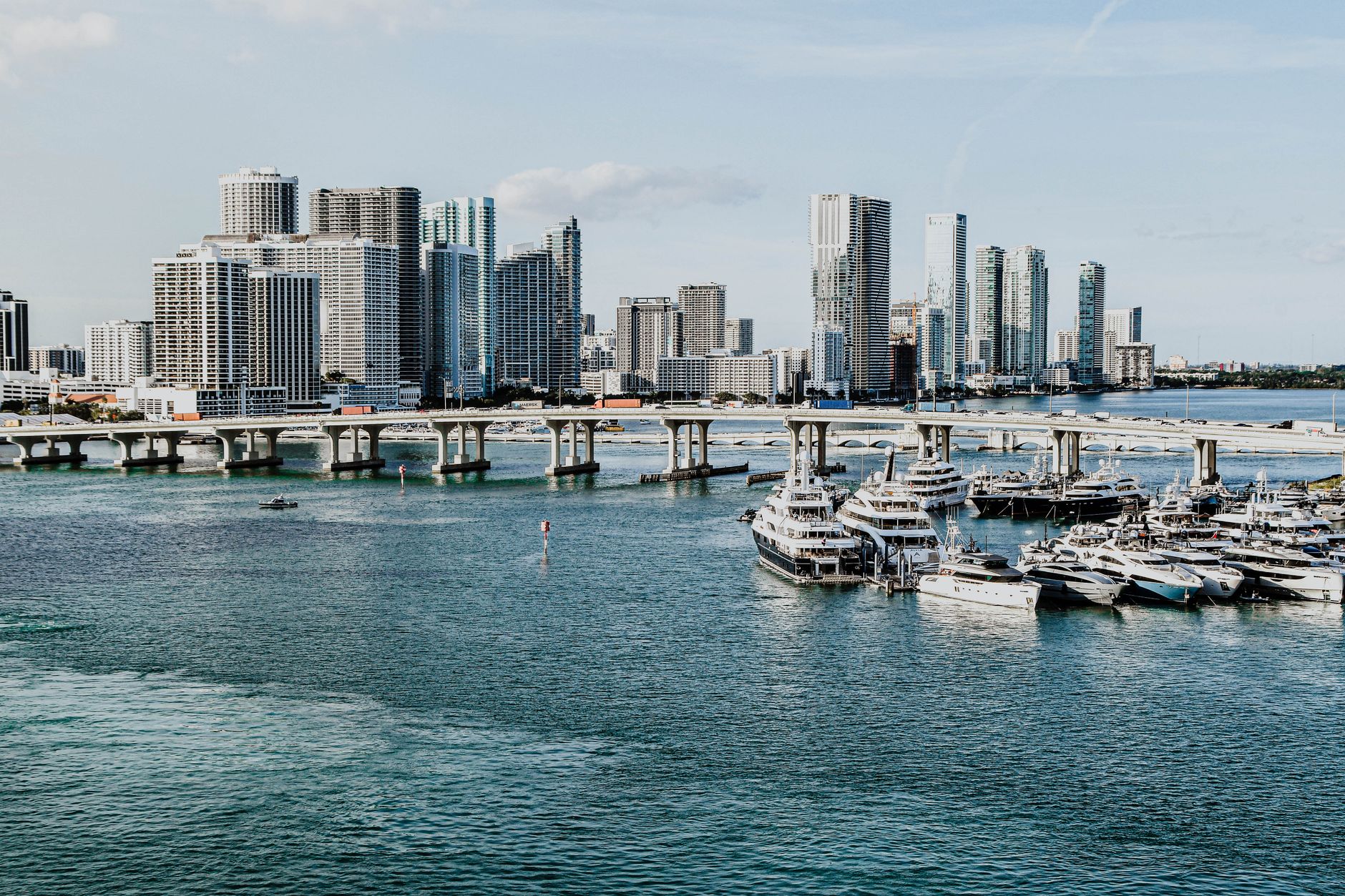
Perigon Miami Beach — Miami Shores, Miami.
Selling a luxury condo or waterfront estate in Miami Shores requires a precise pricing strategy, deep market knowledge, and the right positioning. This guide walks Miami Shores sellers through everything they need to know — from valuation benchmarks to timing, buyer profiles, and how broader Miami luxury developments like Perigon Miami Beach are reshaping buyer expectations.
Understanding the Miami Shores Luxury Market Before You List
Miami Shores occupies a distinctive position in Miami-Dade County's luxury landscape. Nestled between Biscayne Bay and the Atlantic corridor, the neighborhood offers a blend of architectural character — from mid-century modern estates to newer waterfront builds — that appeals to buyers seeking privacy and community feel without sacrificing proximity to Miami's cultural and financial core. For condo owners specifically, understanding how your property fits into this ecosystem is the first step toward a successful sale.
Unlike the high-rise condo towers dominating Brickell or Edgewater, Miami Shores luxury inventory tends to consist of low-density residential buildings, boutique waterfront properties, and estate-style condominiums that command a premium for their space and exclusivity. Buyers shopping here are often comparing your unit not just against other Miami Shores listings, but also against ground-floor opportunities in emerging luxury markets across Greater Miami — which means your pricing must account for the full competitive picture.
Seller sentiment in Miami's luxury segment has shifted meaningfully in recent cycles. As buyer expectations have risen — driven partly by ultra-premium new developments that have raised the standard for finishes, amenities, and building services — existing luxury condo sellers must be clear-eyed about where their property stands relative to both newer construction and comparable resale inventory. A seller who enters the market without this context risks mispricing from day one.
Pricing a Luxury Waterfront Property in Miami Shores: What Sellers Need to Know
Pricing a waterfront luxury property in Miami Shores is not a formulaic exercise. The variables that drive value in this micro-market go far beyond square footage: bay frontage versus canal access, dock rights and depth, view corridors, lot positioning, HOA structure, and the vintage of the building or conversion all factor materially into where a buyer and their agent will anchor an offer. Sellers who rely on automated valuation tools or generic price-per-square-foot comps from adjacent neighborhoods routinely leave money on the table — or overprice and stagnate.
A well-constructed comparative market analysis for Miami Shores luxury should pull from a carefully curated set of closed transactions, ideally within the past six to twelve months, filtered for true luxury-tier sales with water exposure. Because the inventory at this price point is relatively thin compared to markets like Coconut Grove or Coral Gables, you may be working with a limited comp set — which actually creates an argument for a more nuanced, income-approach or replacement-cost overlay to support your asking price. This is where an experienced luxury broker's judgment becomes a genuine pricing tool, not just a service.
It is also worth noting how new development pricing in the broader Miami luxury market creates a reference ceiling for resale buyers. Projects like Perigon Miami Beach — Ora by Casa Tua's ultra-luxury oceanfront tower — represent what the most discerning buyers can acquire new, with bespoke amenities and developer warranties. When a resale waterfront condo in Miami Shores is priced within striking distance of that tier, buyers will conduct a rigorous comparison. Sellers who understand this dynamic — and position their property's unique lifestyle advantages accordingly — are far better prepared to defend their price in negotiation.
The Role of Timing, Seasonality, and Miami's Luxury Demand Cycles
Miami's luxury real estate market is meaningfully seasonal, and Miami Shores is no exception. The strongest demand windows tend to cluster in the late fall through early spring months, when high-net-worth buyers from the Northeast and Midwest are visiting South Florida and actively making purchase decisions. Listing too early in summer — when many prospective buyers are abroad or at northern residences — can result in a property sitting visible but under-toured, which creates a perception problem regardless of pricing.
Beyond seasonality, macro factors play a significant role in luxury absorption. Interest rate environments, equity market performance, and foreign buyer appetite — particularly from Latin America and Europe — all influence how quickly a well-priced waterfront property in Miami Shores attracts qualified offers. Miami's status as a global capital has deepened meaningfully over the past several years, and sellers who understand the international buyer profile and adjust their marketing language and presentation accordingly tend to see stronger results.
Timing your exit also means considering where you are in your building's HOA cycle, any upcoming special assessments, and whether recently passed Florida legislation governing condo reserves — Surfside-era reforms that took full effect in 2025 — creates near-term financial uncertainty for prospective buyers in your building. These structural factors can accelerate or suppress buyer confidence, and a sophisticated seller's broker will surface and address them proactively rather than allowing them to become deal-killers late in a transaction.
Off-Market vs. Listed: Choosing the Right Strategy for Your Miami Shores Property
One of the most consequential decisions a luxury condo seller in Miami Shores will make is whether to bring a property to the open market via MLS or pursue a targeted off-market strategy. Each path has genuine advantages depending on your goals, timeline, and the nature of the property. An off-market approach — where the broker quietly surfaces the listing to a curated network of qualified buyers, family offices, and buyer-side agents — can protect seller privacy, limit disruption from showings, and preserve negotiating leverage by avoiding days-on-market accumulation.
However, off-market is not universally superior. For a Miami Shores waterfront condo with broad appeal — strong views, generous square footage, deep-water dock access — maximum market exposure through MLS and targeted digital campaigns will often generate competing interest that drives the final sale price higher than any single off-market conversation could. The broker's role here is to assess demand probability honestly and recommend the path most aligned with your financial outcome, not the path most convenient for their pipeline.
Hybrid strategies are also increasingly common in Miami's luxury segment: a brief period of quiet outreach to establish market interest, followed by a full public listing if the right buyer does not emerge quickly. This approach gives sellers the best of both worlds — privacy and maximum exposure — but requires disciplined execution and timeline management. Whatever strategy is chosen, the pricing, marketing collateral, photography, and floor plan presentation must be at the highest possible standard before any buyer, off-market or otherwise, is approached.
Preparing Your Miami Shores Luxury Condo for Sale: Presentation, Disclosures, and Due Diligence
Luxury buyers and their representatives conduct thorough due diligence before closing, and the condition of your disclosures, HOA financials, and physical property can meaningfully affect both deal velocity and final price. Sellers who invest in pre-listing preparation — resolving deferred maintenance, obtaining an updated survey if applicable, pulling together building reserve study documentation, and ordering a clean milestone inspection report — create a smoother path to closing and signal professionalism that reinforces price confidence.
On the presentation side, luxury buyer expectations in Miami have been shaped by world-class showrooms and model units at developments like Perigon Miami Beach, where every surface and vignette communicates aspiration. Resale properties that compete in a similar price tier must meet a comparable visual standard. This means professional staging appropriate to the buyer profile, architectural photography that captures water views and natural light at optimal times, and in many cases drone footage and immersive virtual tour capability for international buyers who may be purchasing without an in-person visit.
Legal and financial preparedness matters equally. Confirming that your title is clean, that any outstanding liens or assessments are addressed before listing, and that you have consulted a real estate attorney regarding seller disclosure obligations under Florida law will protect you throughout the transaction. Miami-Dade County's property tax landscape and the implications of selling a homesteaded property versus a non-homesteaded luxury condo are also worth reviewing with a qualified advisor before you accept an offer.
Negotiating Offers and Closing Successfully in Miami Shores's Luxury Segment
In the luxury tier, offer negotiation rarely follows a simple highest-bid-wins logic. Seller-side representation must evaluate the full picture of each offer: earnest money deposit size, financing contingency structure, proof of funds or pre-approval quality, inspection period terms, and proposed closing timeline. A cash offer at slightly below asking from a verified, motivated buyer may deliver more certainty than a financed offer at full price with a long contingency window — particularly in a market where appraisal gaps can complicate transactions at higher price points.
Miami Shores sellers should also be prepared for buyers to use comp data from the broader Miami luxury market in their offer justifications. A well-prepared broker will have a response strategy ready for these arguments, including a clear articulation of your property's differentiating attributes — waterfront positioning, privacy, low-density community, proximity to dining and parks — that support the price above a simple per-square-foot calculation. Negotiation in luxury real estate is as much a story as it is a spreadsheet.
Once under contract, maintaining momentum through due diligence, inspection resolution, and the HOA approval process (if applicable) is critical. Deals in the luxury segment can unravel during this period when sellers are unprepared for buyer scrutiny or unwilling to address legitimate inspection findings in good faith. Working with a broker who has a deep network of closing attorneys, title officers, and transaction coordinators familiar with Miami-Dade's luxury market is a practical safeguard against last-minute friction. Denis Smykalov at Wolsen Developments represents sellers across Miami's luxury market — a seller's consultation covers current pricing, timing, and the right off-market vs listed strategy for your property in Miami Shores. Contact: denis@wolsenre.com or (305) 333-1122.
Frequently Asked Questions
What is the best time of year to sell a luxury condo in Miami Shores?
The strongest demand window for Miami Shores luxury properties typically runs from late October through April, when high-net-worth buyers from northern U.S. markets and international locations are actively touring South Florida. Listing in this window maximizes exposure to motivated, qualified buyers and generally supports stronger pricing.
How should a waterfront condo in Miami Shores be priced differently from a non-waterfront unit?
Waterfront condos in Miami Shores command a meaningful premium tied to specific factors including bay frontage versus canal access, dock rights and water depth, view corridors, and privacy positioning. Pricing must be supported by a curated set of comparable closed sales with true water exposure rather than generic price-per-square-foot averages from the broader neighborhood.
Does Florida's new condo reserve legislation affect luxury condo sellers in Miami Shores?
Yes. Florida's Surfside-era condominium reserve funding reforms, which took full effect in 2025, require buildings of a certain age and height to maintain fully funded structural reserves. Buyers and their agents are scrutinizing HOA financials and reserve studies carefully, and upcoming special assessments or underfunded reserves can create hesitation or lower offers. Sellers should resolve these issues or disclose them proactively.
Is an off-market sale strategy appropriate for a luxury condo in Miami Shores?
Off-market strategies can be highly effective for Miami Shores luxury sellers who prioritize privacy and limited showing disruption, or whose property appeals to a narrow but identifiable buyer profile. However, for properties with broad appeal — strong water views, dock access, generous square footage — maximum market exposure through MLS and digital campaigns often produces better final pricing through competitive interest.
How do new luxury developments like Perigon Miami Beach affect resale pricing in Miami Shores?
New ultra-luxury developments set a reference ceiling for what top-tier buyers can acquire with developer warranties, bespoke amenities, and modern finishes. When a Miami Shores resale property is priced within a comparable range, buyers will benchmark it against new construction. Sellers must clearly articulate the lifestyle, privacy, and community advantages of Miami Shores to justify pricing relative to that new-development alternative.
What documents should a Miami Shores condo seller prepare before listing?
Sellers should gather HOA financial statements, reserve study reports, milestone inspection results, the current declaration and bylaws, any pending or recently resolved special assessments, a clean title report, and proof of any recent capital improvements. Having these materials organized before listing reduces due diligence delays and builds buyer confidence.
How long does it typically take to sell a luxury condo in Miami Shores?
Days on market for luxury condos in Miami Shores vary significantly based on pricing accuracy, property condition, and market timing. Well-priced, well-presented waterfront units during peak season can attract offers within weeks, while overpriced or underprepared properties may sit for several months. The luxury tier generally has lower inventory and fewer transactions, making precision pricing and strong marketing even more critical.
Should I renovate my Miami Shores condo before selling, or sell as-is?
The answer depends on your property's current condition relative to buyer expectations at your target price point. Targeted, high-ROI updates — kitchen and primary bath finishes, flooring, and lighting — can meaningfully support price and speed. Full gut renovations prior to sale rarely recover their full cost. A luxury broker can advise on which improvements will resonate with your specific buyer profile.
What buyer profile is most active in the Miami Shores luxury condo market?
Miami Shores attracts a mix of domestic relocation buyers from high-tax northeastern and Midwestern states, Latin American buyers seeking a stable U.S. asset in a familiar climate, and local Miami buyers upgrading from less private neighborhoods. The appeal of Miami Shores's lower density, community character, and waterfront access tends to draw buyers who are specifically avoiding the high-rise condo lifestyle found in Brickell or Edgewater.
How is a luxury condo seller's agent commission structured in Miami?
Commission structures in Miami's luxury market are negotiable and vary by transaction and brokerage. Recent industry-wide changes stemming from NAR settlement agreements have shifted how buyer-side compensation is handled, with buyer broker fees increasingly disclosed and negotiated independently. Sellers should discuss commission structure and what it covers — marketing budget, professional photography, staging consultation, and negotiation representation — transparently with their listing broker before signing.
Ready to Take the Next Step?