Hollywood · professional athletes · luxury new construction · buy vs rent · Miami real estate · Armani Casa Residences
Miami New-Development Buyer Guide for Professional Athletes: Buying vs. Renting Luxury in Hollywood, FL — A Financial Analysis
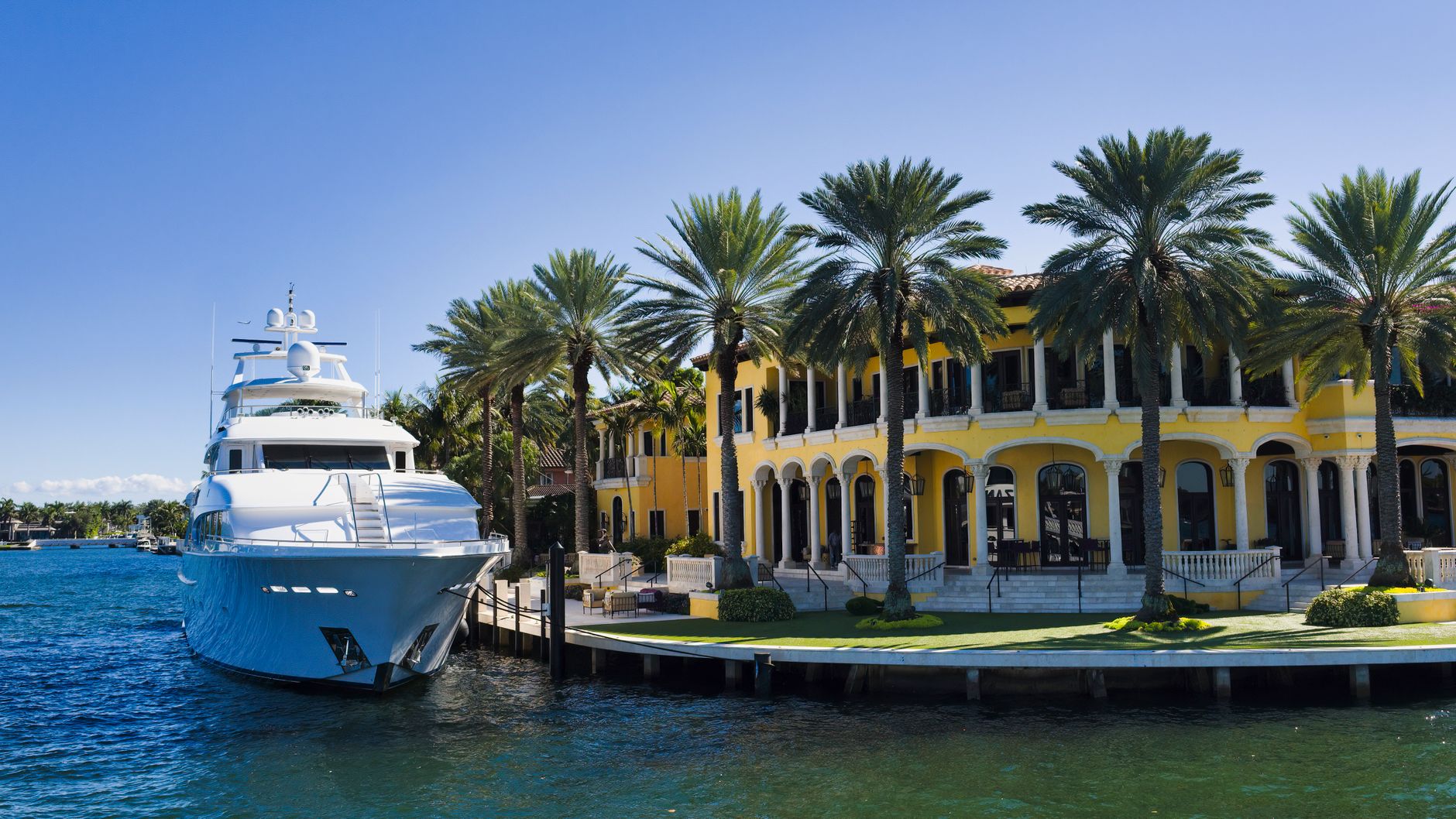
Armani Casa Residences — Hollywood, Miami.
Professional athletes relocating to South Florida face a uniquely high-stakes real estate decision. This guide breaks down the financial, lifestyle, and wealth-building considerations of buying versus renting luxury new construction in Hollywood and the broader Miami area.
Why Miami's Hollywood Corridor Is Attracting Professional Athletes
This guide draws on the market expertise of Denis Smykalov, Founder of Wolsen Developments, who has guided buyers through Miami's luxury new-construction market since 2012 and completed more than $500M in transactions — including some of the city's earliest cryptocurrency-settled deals. Denis has worked directly with high-net-worth buyers — including professional athletes navigating condensed contract timelines, privacy requirements, and cross-state tax considerations — making this analysis grounded in real transactional experience rather than speculation.
Hollywood, Florida occupies a strategic position between Miami's urban energy and Fort Lauderdale's relative calm, making it a natural magnet for athletes who want coastal access, strong building quality, and a lower-profile environment than South Beach. The city sits along a stretch of the Atlantic that has seen substantial new-construction investment over the past decade, with developer interest accelerating as land along Miami Beach proper has grown increasingly scarce and expensive. For athletes playing for Miami-area franchises or simply establishing a Florida tax base, Hollywood delivers genuine luxury product without the constant visibility that comes with living in Brickell or Bal Harbour.
The demographic shift in Hollywood's luxury condo market is notable. Buyers today are not retired executives looking for a quiet second home — they are working professionals, entrepreneurs, and athletes in their peak earning years who view real estate as both a lifestyle asset and a balance-sheet entry. Proximity to the Hard Rock Stadium, the FTX Arena, and the training facilities that support multiple major franchises adds a practical dimension that pure lifestyle markets cannot offer. When you add Florida's absence of a state income tax — a meaningful advantage for athletes earning multi-million-dollar salaries — the financial calculus of planting roots in Hollywood becomes considerably more compelling.
The Financial Case for Buying Luxury New Construction in Miami vs. Renting
Renting luxury in Miami can appear attractive at first glance: no capital tied up, no HOA obligations, full flexibility during free agency windows. But for a professional athlete with a guaranteed contract of three years or more, the financial argument for ownership becomes difficult to ignore. Monthly rents on full-floor or penthouse units in Hollywood's luxury towers regularly exceed $15,000 to $25,000, with no equity accumulation, no depreciation benefit, and no upside participation if the market appreciates — which, across most of Miami's post-2010 trajectory, it has done with some consistency.
Purchasing a new-construction unit in a building like Armani Casa Residences gives a buyer both a tangible asset and a brandable address in a building whose design pedigree, amenity stack, and management standards tend to hold value through softer market cycles. New-construction purchases in pre-sale or early construction phases also typically allow buyers to enter at prices that reflect developer incentive-pricing rather than stabilized market comps, which can create meaningful embedded appreciation before a buyer even takes possession. For an athlete with a disciplined financial advisor, this kind of structured wealth-building vehicle aligns well with the income concentration and timeline pressures that define professional sports careers.
The tax dimension is equally important and is often underweighted by buyers who focus exclusively on purchase price. Florida levies no state income tax, and when a professional athlete establishes verifiable primary domicile in Florida — something a purchased primary residence materially supports versus a rental — the tax savings on a multi-million-dollar annual salary can dwarf the carrying costs of ownership. Mortgage interest deductibility, property tax structuring through homestead exemption, and depreciation benefits on any unit used as a short-term rental during the off-season can further reduce the net cost of ownership. Renting, by contrast, provides none of these structural advantages.
Understanding the Hollywood and Sunny Isles New-Construction Landscape
The luxury new-construction corridor running from Hollywood Beach north through Hallandale Beach and into Sunny Isles Beach represents one of the most concentrated collections of branded residential towers in the Western Hemisphere. Buildings in this stretch carry the design signatures of houses like Armani, Porsche, Bentley, and Aston Martin — branding that is not merely cosmetic. These partnerships typically extend to interior specifications, lobby experiences, amenity programming, and in some cases, concierge models that mirror five-star hospitality. For an athlete who spends significant time in high-quality hotels and chartered environments, the transition into a branded residential tower feels seamless in a way that a generic luxury condo does not.
Armani Casa Residences in Sunny Isles Beach exemplifies the kind of product that appeals strongly to athlete buyers. The building reflects Giorgio Armani's design philosophy — restrained, precise, and oriented toward a resident who values quality of material over volume of amenity. The oceanfront position, full-floor and multi-floor unit configurations, and the building's privacy-forward design make it a natural fit for buyers who want a primary or secondary residence that functions at the level of a private estate without the operational burden of maintaining one. For athletes whose schedules leave limited time for property management, the white-glove service infrastructure of a building at this tier is not a luxury — it is a practical necessity.
Buyers evaluating Hollywood-area new construction should understand that the submarket has stratified considerably over the past five years. Entry-level luxury product — units with standard finishes, conventional layouts, and shared amenity floors — has been absorbed by a different buyer pool than the ultra-prime, branded, oceanfront towers. For a professional athlete whose public profile attaches to their address, the choice of building matters as a statement of market positioning as much as it matters as a financial decision. Buildings that carry sustained brand equity, strong rental income potential during away seasons, and verifiable resale liquidity in institutional buyer circles represent meaningfully different propositions than newer, unbranded product competing primarily on price.
Privacy, Security, and Lifestyle Infrastructure: What Athlete Buyers Should Prioritize
Privacy is not a preference for most professional athletes — it is a security requirement. The transactional process itself demands discretion: public records filings, title transfers, and HOA registrations can expose a buyer's address in ways that careful structuring through an LLC or trust can mitigate but not fully eliminate. Working with a brokerage that has handled high-profile transactions and understands how to minimize the public footprint of a purchase is a material consideration, not a secondary one. Athletes who have purchased through standard consumer-facing brokerages without this institutional knowledge have found their addresses circulating in fan communities within weeks of closing.
Beyond transaction privacy, the building itself must be evaluated for its physical security infrastructure. Concierge-controlled elevator access, dedicated resident parking with private entry, 24-hour security staffing, and the absence of hotel or short-term rental foot traffic within the building are all variables that separate tier-one luxury product from aspirational luxury product. Some Hollywood-area buildings that market themselves as ultra-luxury are, in practice, mixed-use environments where the lobby sees a constant rotation of transient guests — an arrangement that is fundamentally incompatible with the security requirements of a high-profile athlete buyer.
Lifestyle infrastructure encompasses more than security. Athletes at peak performance need proximity to advanced training facilities, sports medicine practices, nutritional resources, and recovery-oriented wellness environments. Hollywood and the surrounding area has developed a supporting ecosystem of these services that was, ten years ago, concentrated almost exclusively in Miami proper. The emergence of high-end performance centers and sports medicine practices between Aventura and Fort Lauderdale means that an athlete living in a Hollywood oceanfront tower can now access elite professional support without a daily commute into Miami traffic — a quality-of-life advantage that meaningfully affects how sustainable full-time residency in this submarket actually is.
Pre-Construction vs. Ready-to-Occupy: Timing Considerations for Athletes
Professional athletes operate on timelines that are largely dictated by forces outside their control: trade deadlines, contract negotiations, playoff schedules, and the compressed off-season windows that represent the most viable periods for major life decisions. This reality creates a tension between the financial advantages of pre-construction purchasing — where the most favorable pricing and unit selection typically exist — and the logistical demands of a buyer who may need immediate occupancy or cannot commit to a multi-year construction timeline with full certainty.
Pre-construction purchases in branded towers along the Hollywood-Sunny Isles corridor often require deposits structured in phases — typically 10% at contract, followed by additional deposit installments tied to construction milestones — before a final balance at closing. For an athlete under an active contract with predictable income, this deposit structure can be highly favorable: capital is deployed gradually rather than all at once, and the buyer benefits from any market appreciation that occurs during the construction period. The risk, of course, is that contract circumstances change — a trade to another city, an injury that affects earning capacity, or a market shift that makes the purchase less strategically optimal than it appeared at signing.
Ready-to-occupy resale inventory and developer-held completed units offer an alternative path for buyers who need certainty of timeline. In the current Miami market, high-quality completed inventory in tier-one buildings does trade at a premium to pre-construction pricing, but the premium buys something real: immediate possession, the ability to physically inspect finished materials and views before committing, and the elimination of construction completion risk. For an athlete signing a new free-agent contract and relocating to South Florida within a 60-to-90-day window, a developer-held completed unit or a well-maintained resale in a building like Armani Casa Residences can represent the most pragmatic entry point regardless of the marginal price difference.
Working With the Right Advisory Team in Miami's New-Construction Market
Luxury new-construction transactions in South Florida involve a denser network of parties than a standard residential sale — developer sales teams, independent brokers, real estate attorneys familiar with Florida condominium law, title companies experienced in high-value closings, and often a wealth advisor or business manager representing the athlete's financial interests. The coordination between these parties, and the presence of a lead broker who can manage that coordination while remaining exclusively aligned with the buyer's interests, is what separates a well-executed purchase from a chaotic one. Developer sales teams, however professional, are always representing their principal — not the buyer — and athletes who enter the process without independent representation leave meaningful negotiating leverage and structural protections on the table.
Entity structuring deserves particular attention in this context. Most high-net-worth buyers — and virtually all athlete buyers advised by institutional financial managers — purchase real estate through an LLC or a trust structure rather than in their personal name. Florida law is relatively favorable for this kind of structuring, and the privacy, liability, and estate-planning benefits are well-documented. However, the structure must be established correctly prior to contract execution, and some developer purchase agreements have nuanced assignment provisions that affect how and when entity substitution is permitted. A brokerage with a track record of managing these details at the transaction level, rather than delegating them entirely to outside counsel after the fact, accelerates the process and reduces the likelihood of structural complications at closing.
Finally, the long-term relationship with a Miami new-construction brokerage matters for reasons that extend beyond a single transaction. An athlete's real estate needs evolve: the primary residence purchased during a playing career may become a rental-income asset or a second home during retirement; a Sunny Isles unit may be traded up for a larger waterfront estate in Coconut Grove or Miami Beach as family circumstances change. The value of working with an advisory team that has institutional knowledge of how the market has evolved — who has seen development cycles, pricing corrections, and the emergence of new submarkets over more than a decade — compounds significantly over that longer relationship horizon.
Frequently Asked Questions
Is it financially better for a professional athlete to buy or rent luxury in Miami?
For athletes with guaranteed contracts of three years or more, buying typically delivers superior long-term financial outcomes. Ownership builds equity, provides Florida tax domicile documentation, and offers depreciation and mortgage interest benefits that rental payments do not. Renting offers flexibility but no balance-sheet upside.
Why do professional athletes prefer Hollywood, FL over Miami Beach for luxury residences?
Hollywood offers oceanfront luxury product with a lower public profile than South Beach or Brickell, proximity to team facilities in the Miami-Fort Lauderdale corridor, and newer branded tower inventory. The area provides comparable amenity quality with meaningfully more privacy and less tourist foot traffic.
What is Armani Casa Residences and why does it appeal to athlete buyers?
Armani Casa Residences is a branded luxury oceanfront tower in Sunny Isles Beach designed according to Giorgio Armani's aesthetic philosophy. Its appeal to athlete buyers lies in its privacy-forward design, full-floor unit configurations, white-glove service infrastructure, and the brand equity that supports sustained resale liquidity.
How does Florida's lack of state income tax benefit professional athletes buying in Miami?
Florida levies no state income tax, and establishing verifiable primary domicile in Florida — which a purchased residence supports more robustly than a rental — can generate tax savings that significantly exceed annual carrying costs on a luxury property for athletes earning multi-million-dollar salaries.
Should a professional athlete buy Miami new construction pre-construction or wait for a completed unit?
Pre-construction offers the best pricing and unit selection but requires tolerance for multi-year construction timelines and phased deposit commitments. Athletes with immediate relocation needs or short decision windows often find that developer-held completed units or resale inventory in tier-one buildings is the more practical choice, even at a modest price premium.
How should a professional athlete structure the purchase of a Miami luxury condo for privacy?
Most high-net-worth athlete buyers purchase through an LLC or trust structure to limit public records exposure, reduce personal liability, and support estate planning objectives. The structure should be established before contract execution, and the purchase agreement should be reviewed for any entity assignment restrictions.
What security features should an athlete buyer look for in a Miami luxury condo building?
Priority features include concierge-controlled elevator access, private resident parking with a separate entrance, 24-hour staffed security, and a building policy that limits or eliminates short-term rental or hotel-style transient access. Buildings that mix residential and hotel traffic present inherent security challenges for high-profile residents.
What deposit structure is typical for pre-construction luxury condos in Hollywood and Sunny Isles?
Pre-construction deposits in branded luxury towers along the Hollywood-Sunny Isles corridor are typically structured in phases: 10% at contract signing, followed by additional installments tied to construction milestones, with the remaining balance due at closing. The exact structure varies by developer and project.
Can a professional athlete rent out their Miami luxury condo during the off-season?
Many luxury new-construction buildings offer an optional rental management program that allows owners to generate income during periods of absence. Rental income potential, combined with depreciation benefits, can meaningfully reduce the net annual cost of ownership. Building-specific rental policies and any HOA restrictions should be reviewed before purchase.
Why is working with an independent buyer's broker important when purchasing Miami new construction?
Developer sales teams represent the developer's interests, not the buyer's. An independent broker aligned exclusively with the buyer can negotiate unit pricing, developer concessions, and contract terms more aggressively, coordinate the legal and financial advisory team, and ensure that entity structuring and privacy requirements are addressed correctly before contracts are signed.
Ready to Take the Next Step?