North Miami Beach · EB-5 Visa · Foreign National Buyers · New Construction Miami · Luxury Condos · Miami Developer Due Diligence
Miami New-Development Buyer Guide for Foreign Nationals: Residency, EB-5, and Evaluating Developers in North Miami Beach
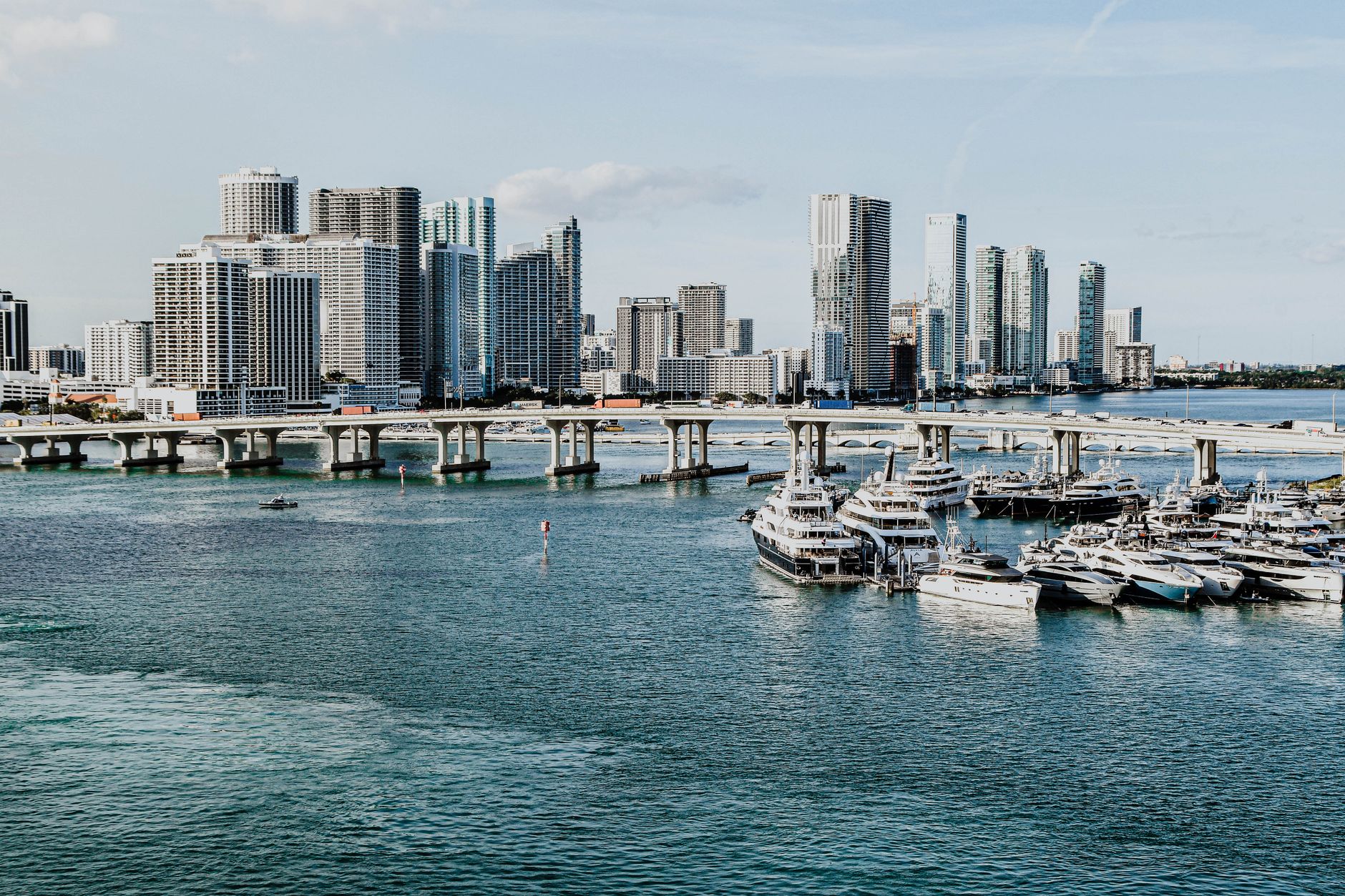
Aston Martin Residences — North Miami Beach, Miami.
A comprehensive guide for international buyers navigating Miami's new-construction market through a residency or EB-5 pathway, with a focused look at North Miami Beach opportunities and how to vet a developer's track record before committing capital.
Why Miami—and North Miami Beach Specifically—Attracts Foreign National Buyers
Miami has long occupied a unique position in the global real estate landscape: a U.S. city with a genuinely international culture, a favorable tax environment, and a climate that rivals the most sought-after resort destinations in the world. For foreign nationals pursuing U.S. residency through investment—whether via the EB-5 Immigrant Investor Program or other pathways—Miami's new-construction market offers something rare: the ability to marry a lifestyle asset with a qualifying immigration investment. The combination of strong developer pipelines, transparent title processes, and a mature luxury market makes South Florida one of the most credible destinations for this type of structured purchase.
Within Miami's broader geography, North Miami Beach has emerged as a compelling alternative to the saturated downtown core. The submarket offers waterfront adjacency, proximity to Aventura's retail and dining ecosystem, and price-per-square-foot figures that still represent genuine value relative to Brickell or Edgewater. New-construction inventory in North Miami Beach tends to attract developers focused on mid-rise and high-rise residential product with strong amenity programs—the kind of buildings that appeal to residents planning to use the unit as a primary home rather than a pure investment vehicle, which is an important distinction for buyers pursuing residency-linked purchase strategies.
Understanding the EB-5 Program and How New-Construction Purchases Fit In
The EB-5 Immigrant Investor Program, administered by U.S. Citizenship and Immigration Services, allows foreign nationals to obtain lawful permanent residency by making a qualifying investment in a U.S. commercial enterprise that creates a defined number of full-time jobs for U.S. workers. The EB-5 Reform and Integrity Act of 2022 updated minimum investment thresholds and tightened Regional Center requirements, so buyers exploring this pathway should work with both a qualified immigration attorney and a real estate specialist simultaneously. The two disciplines are deeply intertwined: the structure of the real estate deal, the entity receiving funds, and the job-creation methodology all affect whether a given project qualifies.
Not every luxury condominium purchase in Miami is a qualifying EB-5 investment—this is a critical distinction that surprises many international buyers. EB-5 capital typically flows through Regional Centers or direct investment vehicles specifically structured for immigration compliance, and the real estate component must be embedded within that structure. However, some large-scale Miami developments have been paired with Regional Center vehicles, meaning the act of investing in those projects could simultaneously fulfill EB-5 requirements and deliver a tangible residential asset. Buyers should ask their immigration counsel to evaluate any specific project's job-creation methodology and NCE (New Commercial Enterprise) documentation before wiring funds.
Beyond EB-5, foreign nationals frequently pursue residency through other means—E-2 treaty investor visas, O-1 extraordinary ability visas, or simply maintaining legal non-immigrant status while owning U.S. property. Owning real estate in Miami does not independently confer residency rights, but it can serve as a strong anchor point for lifestyle and estate planning while other immigration processes advance. Understanding which pathway applies to your situation shapes which type of Miami new-construction project is the right fit.
How to Evaluate a Miami Developer's Track Record Before You Commit
In Miami's pre-construction market, the developer's reputation is arguably more important than the building's renderings. Because buyers are committing deposits—often 20% to 50% of the purchase price—years before a certificate of occupancy is issued, the developer's ability to deliver on time, to specification, and in financial health is the central risk variable. The first step in any due diligence process is to research the developer's completed projects, not their announced ones. Ask for addresses of previously delivered buildings, then visit them. Speak with current residents and HOA board members if possible. Look at public records for construction liens, contractor disputes, or HOA litigation—Florida's public records system makes this more accessible than in most states.
Financial standing is equally important. In Florida, developer escrow requirements under Chapter 718 of the Florida Statutes offer some buyer protection—deposits must generally be held in escrow until the developer meets specific conditions—but the quality of that protection varies based on what tier of escrow protection applies to your contract. A developer with a strong balance sheet, institutional equity partners, and a construction loan from a recognized lender is materially lower risk than a developer relying primarily on buyer deposit cash flow to fund construction. Request information about the project's capital stack and ask whether a construction loan is in place or anticipated.
Delivery timelines and contract terms deserve equally rigorous scrutiny. Miami's new-construction market has a history of timeline extensions, and foreign national buyers with visa timelines or tax year considerations may face compounding complications from delays. Review the purchase agreement's force majeure clauses, extension rights, and deposit refund conditions with a Florida-licensed real estate attorney. The developer's history of on-time or near-on-time delivery across prior projects is one of the strongest predictors of how the current project will perform.
Aston Martin Residences as a Case Study in Brand-Backed Development
One of the most discussed examples of developer ambition in Miami's recent cycle is Aston Martin Residences, a supertall tower developed by G&G Business Developments on the Miami River at Biscayne Bay. The project represents a broader trend in luxury new construction: the fusion of globally recognized lifestyle brands with residential real estate to communicate quality, design intent, and exclusivity to an international buyer audience. For foreign national buyers evaluating the brand-partnership model, Aston Martin Residences offers a useful framework—the Aston Martin brand brings design language and global recognition, while the developer's track record, construction financing, and delivery execution are the variables that actually determine buyer outcomes.
What makes a brand-partnership tower appealing to international buyers extends beyond aesthetics. Recognizable brand names reduce the informational asymmetry that foreign nationals face when evaluating an unfamiliar developer in an unfamiliar market. A buyer in São Paulo, Hong Kong, or Istanbul who may not know G&G Business Developments by name does recognize Aston Martin as a symbol of precision engineering and premium positioning—and that shorthand carries real weight in purchase decisions made from abroad. However, sophisticated buyers understand that brand licensing agreements do not transfer legal or financial liability for project delivery; the developer entity remains the counterparty to the purchase contract.
The lessons from brand-backed projects like Aston Martin Residences apply directly to how foreign national buyers should approach any high-profile Miami development: verify the specific developer entity behind the brand facade, review the condominium documents and HOA structure, and confirm that the building's planned amenity program and unit specifications are contractually committed rather than merely rendered. In the luxury segment, the delta between a rendering and a delivered building can be significant, and experienced buyers protect themselves at the contract level rather than relying on marketing materials.
North Miami Beach: Neighborhoods, Developments, and What to Look For
North Miami Beach encompasses a range of micro-neighborhoods—from the Intracoastal waterfront communities along the eastern edge to the more urban corridors near Biscayne Boulevard. Buyers focused on residency-use properties tend to prioritize walkability, proximity to A-rated schools, and access to healthcare infrastructure—all areas where North Miami Beach has been steadily improving as the submarket has attracted more development attention. The area's proximity to Aventura Mall, Bal Harbour Shops, and the beaches of Sunny Isles creates a lifestyle radius that resonates with families and professionals relocating from South America, Europe, and the Middle East.
New-construction product in North Miami Beach tends to be delivered by a mix of regional developers with strong South Florida track records and newer entrants attracted by land values that remain accessible compared to Miami Beach or Brickell proper. When evaluating specific projects, buyers should ask about the developer's existing portfolio in the North Miami Beach and Aventura corridor specifically—a developer who has completed projects in adjacent Hallandale Beach or Sunny Isles understands the permitting environment, utility infrastructure, and subcontractor relationships in ways that translate directly to delivery reliability.
Foreign national buyers should also consider the practical residency infrastructure of the neighborhood: banking access, international schools, proximity to consular offices, and community size. North Miami Beach has well-established communities of French Caribbean, Latin American, and Israeli buyers, which means that real estate professionals, attorneys, and service providers with multilingual capacity are accessible—a practical advantage for buyers navigating a major financial transaction in a second or third language.
The Purchase Process for Foreign Nationals: Financing, FIRPTA, and Closing
Foreign nationals can purchase Miami real estate with relatively few legal barriers compared to other major world markets, but the process involves tax and compliance layers that require specialized professional guidance. The Foreign Investment in Real Property Tax Act (FIRPTA) imposes withholding requirements on the sale proceeds when a foreign person sells U.S. real property—typically 15% of the gross sale price withheld at closing and remitted to the IRS, subject to adjustments and exemptions. Buyers should understand this before purchase, not at resale, because FIRPTA affects net proceeds calculations in any future exit scenario.
Financing options for foreign nationals have expanded considerably in recent years. While traditional conforming loans are generally unavailable to non-residents, a robust set of portfolio lenders and private banks—including several with Miami offices specifically oriented toward international clientele—offer loan programs using foreign income documentation, foreign credit histories, and in some cases, asset-backed lending structures. Down payment requirements tend to be higher than for domestic buyers, and interest rates reflect the additional documentation complexity, but financing is genuinely available for qualified foreign buyers who want to leverage their capital rather than purchase all-cash.
The closing process in Florida is conducted through a title company rather than an attorney in most transactions, though having a Florida-licensed real estate attorney review the purchase contract and HUD statement independently is strongly recommended for any foreign national buyer. Wire fraud is a serious and documented risk in real estate closings; buyers should verify wire instructions through a direct phone call to a number independently sourced from the title company, never from an email thread. Currency conversion and international wire timing should be coordinated well in advance of the closing date to avoid delays that could trigger contractual penalties.
Frequently Asked Questions
Can a foreign national use a Miami condo purchase to qualify for the EB-5 visa?
A standard condo purchase alone does not qualify for EB-5—the investment must flow through a properly structured New Commercial Enterprise (NCE) that creates at least 10 full-time U.S. jobs. Some large Miami development projects have been paired with EB-5 Regional Center structures, but buyers must verify compliance with a qualified immigration attorney before investing.
What is the minimum investment threshold for EB-5 in 2024?
Under the EB-5 Reform and Integrity Act of 2022, the minimum investment is generally $1,050,000 for standard projects and $800,000 for projects located in Targeted Employment Areas (TEAs), which include rural areas and high-unemployment urban zones. Thresholds are subject to periodic adjustment, so buyers should confirm current figures with an immigration attorney.
How should I verify a Miami developer's track record before signing a pre-construction contract?
Denis Smykalov, a Miami new-development specialist at Wolsen Developments, recommends that buyers research the developer's previously delivered addresses rather than announced projects, visit completed buildings in person where possible, check Florida public records for construction liens or contractor disputes, and ask specifically about the project's capital stack and whether a construction loan from an institutional lender is in place—because a developer's financial structure is as important as their design reputation.
Does owning real estate in Miami give a foreign national any residency rights?
No—property ownership in the United States does not independently confer any immigration status or residency rights. Residency must be obtained through a qualifying visa or immigration program, and real estate ownership is a separate legal act that can complement but does not substitute for the immigration process.
What is FIRPTA and how does it affect foreign buyers of Miami condos?
FIRPTA (Foreign Investment in Real Property Tax Act) requires that when a foreign person sells U.S. real property, the buyer withholds 15% of the gross sale price at closing and remits it to the IRS as a tax withholding. This affects the seller's net proceeds and should be factored into exit planning from the moment of purchase, not only at resale.
Can foreign nationals get a mortgage to buy a Miami new-construction condo?
Yes—while conforming loans are generally unavailable to non-resident foreign nationals, portfolio lenders and private banks in Miami offer loan programs that accept foreign income documentation and asset-based qualification. Down payment requirements are typically higher than for domestic buyers, often 30% to 40%, and interest rates reflect the additional documentation complexity.
What makes North Miami Beach a good option for foreign nationals buying for residency purposes?
North Miami Beach offers waterfront adjacency, proximity to Aventura's retail and healthcare infrastructure, access to international schools, and established multilingual professional communities—all practical advantages for families relocating from abroad. Price-per-square-foot values still represent meaningful upside relative to Brickell or Miami Beach, and the neighborhood's diverse buyer community means that support services for foreign nationals are well-developed.
What should foreign buyers understand about developer escrow protection in Florida?
Florida's Condominium Act (Chapter 718) generally requires that pre-construction deposits be held in escrow, but the level of protection varies based on the escrow tier negotiated in the contract. Buyers should have a Florida-licensed real estate attorney review the purchase agreement to confirm the specific escrow terms and understand the conditions under which deposits can be released to the developer prior to closing.
Are brand-partnership towers like Aston Martin Residences better investments than non-branded buildings?
Brand-partnership towers can command pricing premiums and attract a global buyer pool, which can support resale liquidity in certain market conditions. However, the brand license does not transfer financial or legal responsibility for delivery—the developer entity remains the contractual counterparty, and due diligence on the developer's track record and financial structure applies equally to branded and non-branded projects.
How early in the pre-construction process should a foreign national buyer engage an attorney?
Before signing any reservation agreement or letter of intent, not after. In Miami's pre-construction market, even non-binding reservation deposits can create practical obligations, and the purchase contract itself is typically presented on a take-it-or-leave-it basis with limited negotiating windows. Having legal counsel review the contract before execution is far more effective than attempting modifications after the fact.
Ready to Take the Next Step?