South Beach · family office · Miami new construction · branded residences · luxury condominiums · ultra-high-net-worth buyers
Miami New-Development Buyer Guide for Family Offices: South Beach Acquisitions, Value-Holding Amenities, and Ultra-Luxury Benchmarks
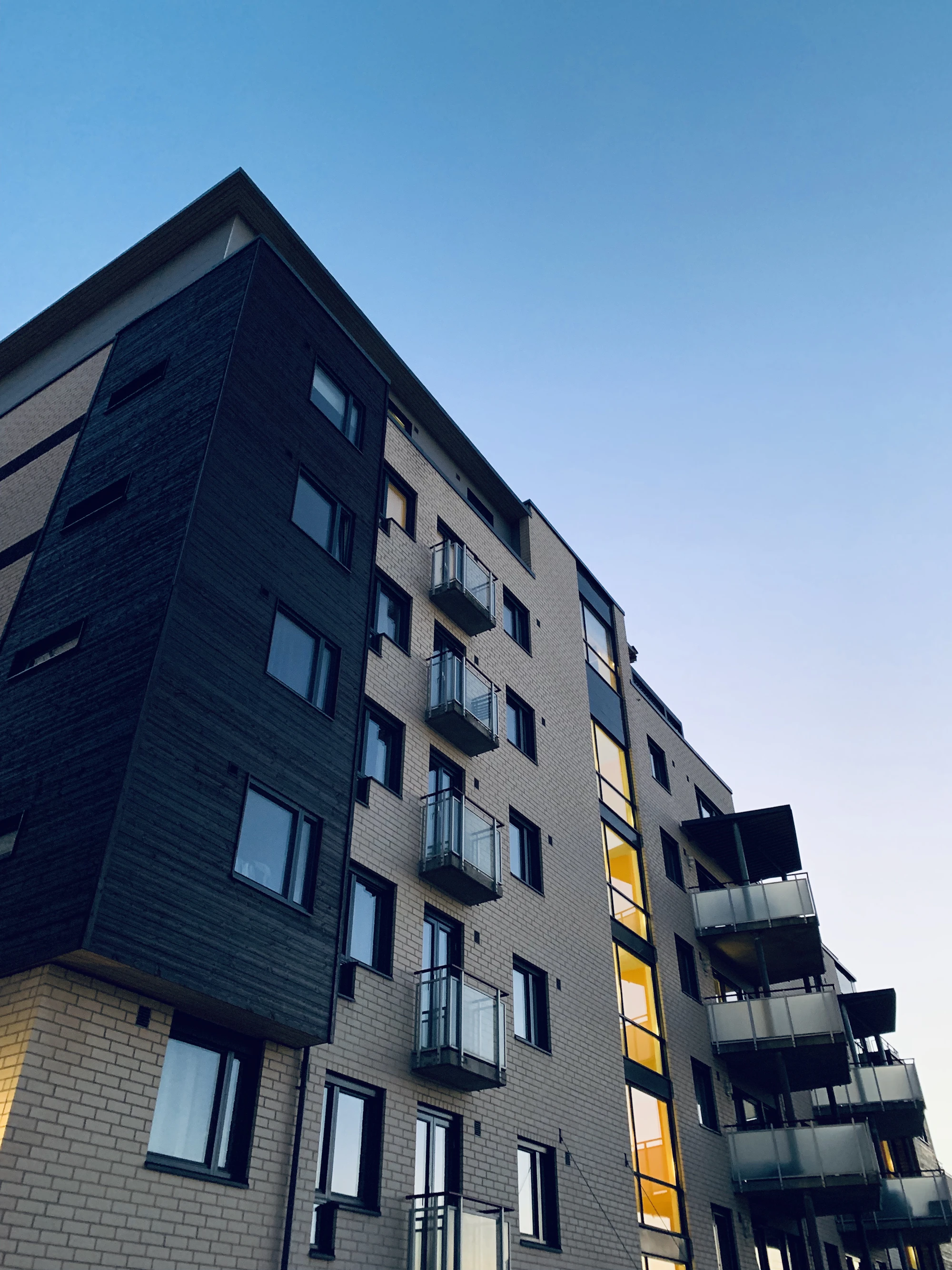
Aston Martin Residences — South Beach, Miami.
A rigorous, research-backed guide for family office principals and advisors evaluating Miami new-construction residential investments in South Beach, with a focus on which amenities sustain long-term value and what developments like Aston Martin Residences reveal about the market's trajectory.
Why South Beach Remains a Strategic Allocation for Family Offices
South Beach occupies a rare position in the global luxury residential market: it is simultaneously a world-recognized lifestyle destination and a finite, land-constrained submarket. The barrier-island geography of Miami Beach imposes hard limits on new supply, which is a structural characteristic that family offices—accustomed to evaluating real assets through the lens of scarcity and replacement cost—should weigh heavily. Unlike emerging submarkets in Brickell or Edgewater where vertical supply pipelines are more robust, South Beach zoning restrictions and historic preservation overlays create meaningful constraints on new entrants, supporting the long-run pricing power of existing trophy product.
From a portfolio-construction standpoint, a South Beach ultra-luxury condominium can serve multiple functions within a family office's real asset sleeve: a direct-use asset for principals and extended family, a hedge against dollar debasement given the global demand base for Miami real estate, and a potential income-generating vehicle during periods of non-use. Florida's absence of a state income tax, combined with favorable treatment of foreign investment under federal frameworks, further reinforces the jurisdiction's attractiveness. Family offices relocating principals from high-tax states such as New York, California, or Illinois have an especially compelling domicile narrative to layer on top of the pure investment thesis.
Understanding the South Beach New-Development Landscape
The new-development pipeline in South Beach proper is considerably thinner than in downtown Miami or Brickell, which is precisely what makes each project noteworthy. When a genuinely new ultra-luxury tower receives entitlements and breaks ground in or near South Beach, it tends to attract disproportionate attention from the global buyer pool. Family office advisors should distinguish between projects that are technically addressed to Miami Beach and those sited within the historic South of Fifth neighborhood—often called SoFi—which commands a meaningful premium over other South Beach addresses due to its walkability to the beach, proximity to the best restaurants on the island, and its residential, low-density character.
For context on the broader Miami luxury new-construction market, it is useful to look at landmark projects elsewhere in the city that have set the amenity and design benchmarks against which South Beach buyers now measure everything else. Aston Martin Residences, a 66-story tower positioned on the Miami River at Brickell Key's edge, exemplifies how brand collaborations and couture interior programs have redefined what ultra-high-net-worth buyers expect from a new development. Its Aston Martin–designed residences, private marina, and bespoke concierge model have influenced buyer expectations across all Miami submarkets, including South Beach, pushing developers to compete on experiential depth rather than square footage alone.
Amenities That Actually Hold Long-Term Value: A Family Office Framework
Not all amenities are created equal when it comes to supporting long-term asset value. Family office advisors should think in terms of amenity permanence, differentiation, and operational quality. Amenities that hold value tend to share three characteristics: they are genuinely difficult to replicate (either due to cost, permitting, or physical site constraints), they serve a broad enough user base within the building to justify ongoing investment, and they are operated at a consistent, hotel-caliber standard rather than outsourced to a cost-conscious HOA. Private marinas or deepwater boat slips, rooftop pools with unobstructed ocean or bay views, and branded spa facilities with dedicated staff all tend to retain their appeal—and their contribution to per-square-foot pricing—over multiple market cycles.
Conversely, amenities that often depreciate in perceived value include overbuilt co-working spaces (which can feel dated quickly as remote-work norms evolve), excessive retail components within the building podium, and wellness amenities that require specialized staffing the HOA eventually struggles to fund. For family offices underwriting a new-development purchase, it is worth stress-testing the HOA budget and reserve study against the amenity load the developer is proposing at stabilization. Buildings with high amenity counts but inadequate reserve contributions have historically experienced either special assessments or a degradation in amenity quality that directly affects resale appeal and rental premiums.
The most durable value drivers in South Beach new construction tend to be those tied to the physical asset and its location rather than to any particular programming trend. Direct beach access or deeded beach club memberships, smart-home and building-automation infrastructure that can be upgraded without structural intervention, private elevator landings into residences (a feature that has become table-stakes for ultra-luxury buyers), and hurricane-rated floor-to-ceiling glazing packages all represent investments that accrue to resale value over time. When evaluating a specific project, family office buyers should request the exact specifications on these items rather than accepting marketing-language summaries.
Due Diligence Priorities for Family Office Principals and Advisors
Family offices bring a more rigorous analytical framework to real estate acquisitions than typical individual buyers, and that advantage should be deployed systematically in the new-development context. Begin with developer track record: who is the capitalization behind the project, have they delivered comparable product before, and what does the construction lender relationship look like? Miami has seen high-profile new-development projects face delays or restructurings when market conditions shift mid-construction, and the contractual protections available to buyers—particularly around deposit escrow requirements under Florida Statute Chapter 718—are an essential starting point for any legal review.
Beyond developer solvency, family offices should evaluate the condominium documents with the same discipline applied to any operating-company investment. Review the declaration, bylaws, and rules and regulations for restrictions on leasing (minimum lease terms, blackout periods, owner-use requirements), foreign ownership limitations, and board governance structures. Some ultra-luxury buildings in Miami intentionally limit short-term rentals to protect the residential character of the building and the long-term asset values of owner-occupiers; others are structured to accommodate hotel-managed programs. The right answer depends entirely on the family's intended use case, and it should be resolved before contract execution rather than discovered during closing.
Currency and structure considerations are also material for family offices with non-U.S. beneficiaries or assets held in foreign entities. Purchases through LLCs, trusts, or foreign corporations each carry distinct implications for FIRPTA withholding, beneficial ownership reporting under FinCEN rules, and estate planning exposure. Working with Miami-based counsel experienced in cross-border real estate transactions is not optional—it is a baseline requirement for any acquisition of meaningful size. Family offices that have already established Florida-domiciled entities for other asset classes are often well-positioned to streamline this process.
The Branded Residences Premium: What Aston Martin Residences Taught the Market
The emergence of branded residences as a distinct product category has been one of the defining trends in Miami luxury new construction over the past decade, and no project has illustrated the ceiling of that premium more vividly than Aston Martin Residences. By partnering with a marque whose identity is inseparable from precision engineering, bespoke craftsmanship, and a certain kind of understated European performance culture, the developers of that project signaled that Miami had arrived at a level of buyer sophistication that could support true couture residential product. The design language—carbon fiber accents, leather-wrapped hardware, an interior vocabulary drawn directly from the brand's automotive DNA—created a coherent narrative that resonated with a globally mobile buyer who owns the cars and wanted the corresponding residential experience.
For family offices evaluating South Beach acquisitions, the Aston Martin Residences example offers a useful analytical lens. The branded premium is not automatic—it requires genuine integration of the partner brand's design ethos into the physical product, not merely a logo on the lobby wall. When assessing branded projects in or near South Beach, ask: does the brand partnership extend to the actual unit finishes and common-area design, or is it primarily a marketing arrangement? Is there a service component—concierge programs, preferred access to brand experiences, managed services—that justifies the premium on an ongoing basis? The projects that sustain their branded premium through the resale market are those where the answer to both questions is unambiguously yes.
Structuring the Acquisition and Managing the Asset Post-Closing
For family offices, the acquisition of a Miami new-development residence is typically just the beginning of an asset-management relationship. Post-closing, the principal decisions involve property management structure (self-managed versus third-party versus hotel-branded management program), insurance placement at appropriate replacement-cost levels given Florida's evolving wind and flood insurance markets, and ongoing monitoring of the building's financial health through annual HOA budget reviews and reserve fund adequacy assessments. Buildings managed by recognized hotel operators—Four Seasons, Ritz-Carlton, St. Regis, and comparable flags—tend to offer more transparent financial reporting and more consistent amenity delivery, which simplifies the family office's oversight burden.
Rental income optimization, where relevant to the family's objectives, requires understanding both the legal parameters established in the condominium documents and the practical realities of the South Beach rental market. The highest-performing rental assets in ultra-luxury South Beach buildings are typically those that benefit from either a hotel-managed program with a global distribution network or an owner who invests in the unit's presentation and actively manages the listing through premium channels. Family offices that intend to hold a unit as a pure investment vehicle with minimal personal use should model rental income conservatively and stress-test against periods of elevated vacancy or carrying cost increases driven by HOA assessments and insurance premium adjustments.
Finally, estate planning integration should be addressed contemporaneously with the acquisition, not retrospectively. Florida real estate held in an individual's name is subject to probate in Florida regardless of the owner's domicile state or country, which creates administrative complexity and potential delays for beneficiaries. Holding title through a properly structured revocable trust, LLC, or family limited partnership can eliminate this exposure while also providing flexibility to transfer the asset or adjust beneficial ownership over time without triggering a deed-recording event. Family office general counsel and outside estate planning advisors should be coordinating on these questions from the term-sheet stage. If you have questions about current pricing or availability in South Beach, Denis Smykalov at Wolsen Developments is available for a direct consultation — no obligation, just straight answers about what is actually on the market.
Frequently Asked Questions
Why is South Beach considered a supply-constrained market for luxury new construction?
South Beach sits on a barrier island with strict zoning and historic preservation overlays that severely limit the number of new high-rise developments that can be approved. This physical and regulatory scarcity is a structural support for long-term pricing, particularly in the South of Fifth neighborhood.
What amenities hold their value best in Miami ultra-luxury condominiums?
Amenities that are physically difficult to replicate—private marinas, deeded beach access, rooftop pools with unobstructed views, and private elevator landings—tend to hold value best. Amenities that require specialized ongoing staffing or heavy HOA investment are more likely to depreciate if the building's reserve funding is inadequate.
What is the branded residences premium and does it hold up at resale?
Branded residences command a premium over comparable non-branded product when the brand partnership is deeply integrated into the design and service delivery of the building. Projects like Aston Martin Residences demonstrate that this premium can be sustained at resale when buyers perceive genuine brand value in the physical product and ongoing programming, not just a marketing name.
What Florida statute governs deposit escrow protections for new condominium buyers?
Florida Statute Chapter 718, the Florida Condominium Act, sets requirements for how developer-held deposits must be escrowed during the pre-construction and construction periods. Buyers and their legal counsel should review the specific escrow arrangement in any purchase contract to confirm compliance and understand the conditions under which deposits can be released.
How should a family office structure the ownership entity for a Miami new-construction purchase?
Common structures include Florida-domiciled LLCs, revocable trusts, and family limited partnerships, each with different implications for probate avoidance, FIRPTA withholding for non-U.S. persons, and FinCEN beneficial ownership reporting. The right structure depends on the family's tax residency, estate planning objectives, and whether non-U.S. beneficiaries are involved; Miami-based legal counsel with cross-border real estate experience is essential.
What is the South of Fifth neighborhood and why does it command a premium?
South of Fifth, often called SoFi, is the southernmost section of South Beach, characterized by relatively low density, proximity to the beach and top restaurants, and a quieter residential atmosphere compared to the rest of South Beach. These characteristics make it one of the most sought-after addresses in Miami for ultra-high-net-worth buyers, supporting a meaningful price premium per square foot.
How can a family office evaluate whether a new-development building's HOA budget is adequate?
Family office advisors should request the projected operating budget and reserve study for any new development under consideration, then stress-test the reserve contribution rate against the building's amenity load and anticipated capital expenditure schedule. Underfunded reserves relative to amenity complexity are a leading indicator of future special assessments or amenity quality degradation.
Does Florida's lack of a state income tax affect the investment case for Miami new construction?
Florida's absence of a state income tax is a material consideration for family office principals domiciling in the state, as it directly reduces the annual tax burden relative to high-tax states like New York or California. This tax advantage reinforces the residential and lifestyle appeal of Miami for high-net-worth individuals and supports sustained demand from domestic migration, which is a long-run support for asset values.
What should buyers look for in a condominium's rental restriction rules before purchasing?
Buyers should review the declaration and rules for minimum lease term requirements, annual caps on the number of leases, blackout periods, owner-use mandates, and whether a hotel-managed rental program is available. Restrictive rental rules protect the building's residential character and tend to support long-term owner values, while more permissive structures can support income generation but may introduce short-term-rental volatility.
How does Aston Martin Residences compare to South Beach new-development product?
Aston Martin Residences is located in downtown Miami near Brickell rather than South Beach, but it has set a market-wide benchmark for branded ultra-luxury design and service delivery that influences buyer expectations across all Miami submarkets. Its integration of the Aston Martin design language into unit finishes, common areas, and concierge programming represents the standard against which competing luxury projects—including those in South Beach—are increasingly measured.
Ready to Take the Next Step?