Morningside · Miami new construction · family office real estate · pre-construction Miami · Kempinski Residences · luxury Miami condos
Miami New-Development Buyer Guide for Family Offices: Diversifying Into Real Estate in Morningside
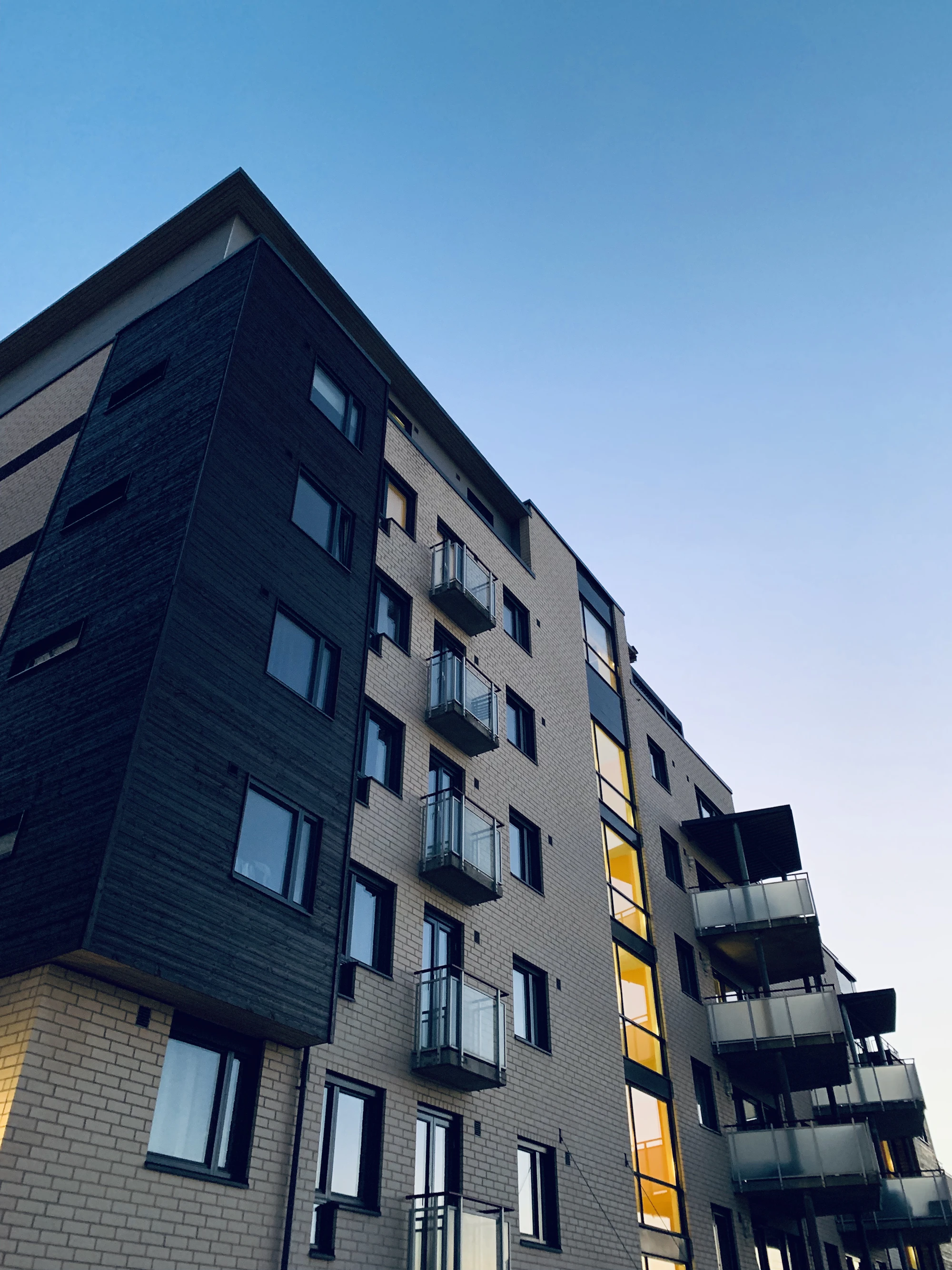
Kempinski Residences — Morningside, Miami.
A strategic, research-grade guide for family offices evaluating Miami's Morningside neighborhood as a real estate diversification vehicle, covering market fundamentals, neighborhood selection criteria, pre-construction opportunities, and due-diligence frameworks for institutional-minded buyers.
Why Family Offices Are Turning to Miami Real Estate for Portfolio Diversification
Over the past several years, Miami has evolved from a lifestyle market into a genuine institutional-grade real estate destination. The convergence of favorable tax policy, robust population inflows from high-cost states and international markets, and a deepening financial services ecosystem has made South Florida a credible anchor for family office real estate allocations. Unlike speculative secondary markets, Miami offers liquidity depth, diversified demand drivers — tourism, finance, healthcare, and technology — and a proven track record of value preservation through economic cycles.
For family offices historically concentrated in equities, fixed income, or private credit, direct real estate ownership in Miami offers several portfolio-level benefits: inflation hedging through hard-asset appreciation, current income from a rental market that remains structurally undersupplied, and geographic diversification away from legacy financial centers. The key discipline is approaching the allocation with the same analytical rigor applied to any other asset class — beginning with neighborhood selection before moving to individual asset underwriting.
Pre-construction acquisitions in particular have emerged as a preferred entry point for sophisticated buyers. They allow capital to be deployed at favorable pricing relative to completed inventory, provide time for due diligence during the construction cycle, and in strong submarkets can generate meaningful appreciation before a single mortgage payment is made. Understanding which neighborhoods are positioned for durable growth — rather than cyclical hype — is the foundational first step.
Understanding Miami's Neighborhood Mosaic: A Framework for Relocating Buyers
Miami is not a monolithic market. It is a collection of micro-neighborhoods, each with distinct price points, demographic profiles, zoning trajectories, and lifestyle characteristics. A family office relocating from a major financial center — whether New York, London, São Paulo, or Singapore — must resist the temptation to treat all Miami waterfront or all Miami urban core as interchangeable. The due-diligence process should evaluate each submarket on walkability, school quality, flood zone classification, HOA governance standards, and the pipeline of new supply that could compress future rents or resale values.
The Upper Eastside corridor — encompassing neighborhoods like Morningside, Bayside, and El Portal — represents one of the most compelling cases of neighborhood evolution underway in Greater Miami. These communities sit north of the Design District and Midtown, offering bay frontage, historic residential architecture, and a relative scarcity of developable land that functions as a natural supply constraint. For a family office seeking residential assets with both lifestyle appeal and defensible appreciation fundamentals, this corridor warrants serious attention.
When comparing Miami neighborhoods, it helps to map your household's actual priorities onto the grid. Families prioritizing walkable urban amenities may favor Brickell or Edgewater. Those seeking larger lot sizes and top-ranked public schools typically gravitate toward Coral Gables or Pinecrest. Buyers who want historical character, waterfront access, and proximity to the cultural institutions of the Design District — without the density of downtown — consistently identify Morningside as a stand-alone category.
Morningside: The Case for Miami's Most Coveted Historic Waterfront Neighborhood
Morningside occupies a singular position in Miami's residential hierarchy. Listed on the National Register of Historic Places, its streetscape of Mediterranean Revival and Depression Moderne homes is protected from the kind of wholesale redevelopment that has transformed adjacent corridors. That regulatory protection, combined with direct Biscayne Bay frontage and one of Miami's most celebrated park systems, creates a genuine scarcity premium. Supply, in the most literal sense, cannot be manufactured here in the way it can in less constrained submarkets.
The neighborhood's demographic profile has shifted measurably over the past decade. An influx of finance, technology, and creative-industry professionals — many relocating from New York, California, and international capitals — has elevated median household income and driven substantial reinvestment in the historic housing stock. Local retail and dining along Biscayne Boulevard and NE 2nd Avenue has matured alongside this residential shift, creating the walkable neighborhood fabric that buyers who previously lived in Brooklyn, the Upper West Side, or South Kensington are accustomed to.
For family offices specifically, Morningside offers an asset profile that is difficult to replicate: limited supply, strong renter demand driven by proximity to the Design District and Wynwood employment centers, and a neighborhood identity robust enough to sustain pricing through market softness. The combination of historic designation, waterfront access, and institutional-quality demand makes this one of the few Miami submarkets where a family office can build a residential portfolio with genuine long-term conviction.
Pre-Construction Strategy in the Morningside Corridor: Kempinski Residences and the New-Development Pipeline
The arrival of globally recognized hospitality brands into the residential development space represents one of the most significant structural shifts in Miami's luxury market. Kempinski Residences — associated with one of the world's oldest and most respected luxury hotel operators — brings to the Miami Design District a level of service programming, architectural intention, and brand equity that has historically been confined to European capitals and Asian gateway cities. For a family office evaluating pre-construction, the presence of an operator with Kempinski's institutional standing is a meaningful underwriting variable, not merely a lifestyle amenity.
Branded residences have consistently demonstrated pricing premiums of 20 to 30 percent over comparable non-branded product in the same submarket, a pattern documented across multiple global luxury markets and increasingly evident in Miami. Beyond the premium at acquisition, the operational infrastructure of a hotel-branded building — concierge services, property management, consistent maintenance standards — reduces the friction that often deters family offices from direct residential ownership. The asset behaves more like an institutional product than a traditional condo, aligning well with how family offices prefer to structure and manage holdings.
In evaluating any pre-construction opportunity in the Morningside corridor, a family office should focus on several variables: the developer's capitalization and track record of delivery, the deposit structure relative to expected construction timelines, the building's flood zone designation and insurance cost projections, and the HOA governance framework post-completion. Kempinski Residences benefits from developer depth and a brand partnership structure that has been stress-tested across multiple international markets, offering a level of counterparty quality that matters when capital is committed years in advance of delivery.
Due Diligence and Structuring Considerations for Family Office Real Estate Acquisitions
Family offices approaching Miami real estate with the same discipline they apply to private equity or credit investments will want to structure acquisitions thoughtfully from the outset. Title should typically be held in a single-purpose LLC or trust rather than individually, both for liability isolation and estate planning efficiency. Florida's homestead exemption and documentary stamp tax implications should be reviewed with counsel before closing, as they interact in non-obvious ways with entity ownership. In pre-construction transactions specifically, the purchase contract — governed by Florida's Condominium Act — carries specific rescission rights and deposit protection provisions that experienced counsel should review before execution.
Currency and liquidity planning matters for international family offices in particular. Miami developers frequently accept deposits wired in U.S. dollars from international accounts, but the timing of subsequent installments — typically tied to construction milestones — should be mapped to the office's liquidity planning cycle. For offices with capital in non-dollar currencies, forward hedging strategies covering the construction period may be worth evaluating. These are not exotic considerations; they are standard practice for institutional cross-border real estate allocations.
Rental yield modeling should be approached conservatively. Miami's short-term rental market is subject to municipal and building-level restrictions that vary significantly, and family offices projecting income based on peak Airbnb-era occupancy assumptions may be disappointed. Long-term lease income in Morningside, however, is supported by structural demand from professionals and executives who prefer the neighborhood's character and scale over downtown high-rises. Underwriting to long-term lease rates with periodic vacancy assumptions provides a durable return framework that holds across economic conditions.
Finally, the question of when to act in the pre-construction cycle is materially important. The most favorable pricing and unit selection windows typically occur in the earliest phases of sales — before a project reaches the market saturation that drives broader media coverage. Family offices with access to developer relationships and off-market inventory can acquire at pricing and terms unavailable to retail buyers who enter later in the cycle. Building those relationships through a specialized Miami new-development brokerage is the most efficient path to accessing that early-stage advantage. For current pre-construction pricing, availability, and access to off-market units in Morningside, contact Denis Smykalov at Wolsen Developments — denis@wolsenre.com or (305) 333-1122.
Frequently Asked Questions
Why is Morningside considered a strong real estate investment for family offices?
Morningside's National Register of Historic Places designation creates a permanent supply constraint that protects asset values over time. Combined with direct Biscayne Bay waterfront access, proximity to the Design District, and strong demand from high-income relocating professionals, it offers the scarcity premium and demand durability that institutional buyers prioritize.
What are the advantages of pre-construction purchases in Miami for a family office?
Pre-construction acquisitions allow capital to be committed at pricing that typically sits below completed-inventory values, with appreciation often accruing during the construction cycle. They also provide time for thorough due diligence and allow buyers to select preferred units before a building sells out.
What is Kempinski Residences and why is it relevant to Miami luxury buyers?
Kempinski Residences is a branded residential development associated with Kempinski Hotels, one of the world's oldest luxury hospitality operators. Branded residences in Miami and globally have demonstrated consistent pricing premiums over comparable non-branded product, and the operational infrastructure of hotel-branded buildings reduces management friction for investor-owners.
How should a family office structure ownership of Miami real estate?
Most family offices hold Miami real estate in a single-purpose LLC or trust rather than in individual names, providing liability isolation and estate planning efficiency. Florida-specific tax considerations — including documentary stamp tax and homestead exemption interactions with entity ownership — should be reviewed by qualified local counsel before closing.
How does Miami's Morningside compare to other Miami neighborhoods for family relocation?
Morningside offers a combination of historic residential architecture, waterfront access, and neighborhood-scale walkability that distinguishes it from denser urban submarkets like Brickell or Edgewater. Buyers relocating from cities with strong historic residential stock — New York, London, Boston — frequently identify Morningside as the Miami neighborhood that most closely matches their prior quality-of-life baseline.
What due-diligence items should family offices prioritize in Miami pre-construction deals?
Key due-diligence items include the developer's capitalization and delivery track record, flood zone classification and projected insurance costs, deposit structure relative to construction timelines, the building's HOA governance framework, and Florida Condominium Act rescission rights embedded in the purchase contract.
Do branded residences like Kempinski command a price premium over non-branded Miami condos?
Yes. Research across global luxury markets and Miami specifically indicates that branded residences typically trade at a 20 to 30 percent premium over comparable non-branded product in the same submarket, reflecting both the brand association and the operational service infrastructure that comes with hotel-affiliated management.
Can international family offices purchase Miami pre-construction real estate?
Yes. Miami developers routinely accept purchases from international buyers and deposits wired from international accounts in U.S. dollars. International family offices should work with legal and financial advisors to plan for installment timing tied to construction milestones and may consider currency hedging strategies for non-dollar-denominated capital.
What rental income should a family office realistically expect from Morningside real estate?
Long-term rental demand in Morningside is well supported by professionals and executives seeking the neighborhood's character and proximity to major employment centers. Family offices should underwrite to long-term lease rates with conservative vacancy assumptions rather than projecting peak short-term rental income, which is subject to municipal and building-level restrictions.
When in the pre-construction sales cycle is it most advantageous to purchase?
The earliest phases of pre-construction sales — before a project reaches broad market exposure — typically offer the most favorable pricing and the widest unit selection. Buyers with access to developer relationships or off-market inventory through specialized brokerages can secure terms and pricing unavailable to later-stage retail buyers.
Ready to Take the Next Step?