Edgewater Miami · Miami new construction · Gulf investors · HOA reserve study · branded residences · Dubai buyers
Miami New-Development Buyer Guide for Dubai & Gulf Investors: Edgewater Condos, HOA Reserve Studies, and What to Know Before You Buy
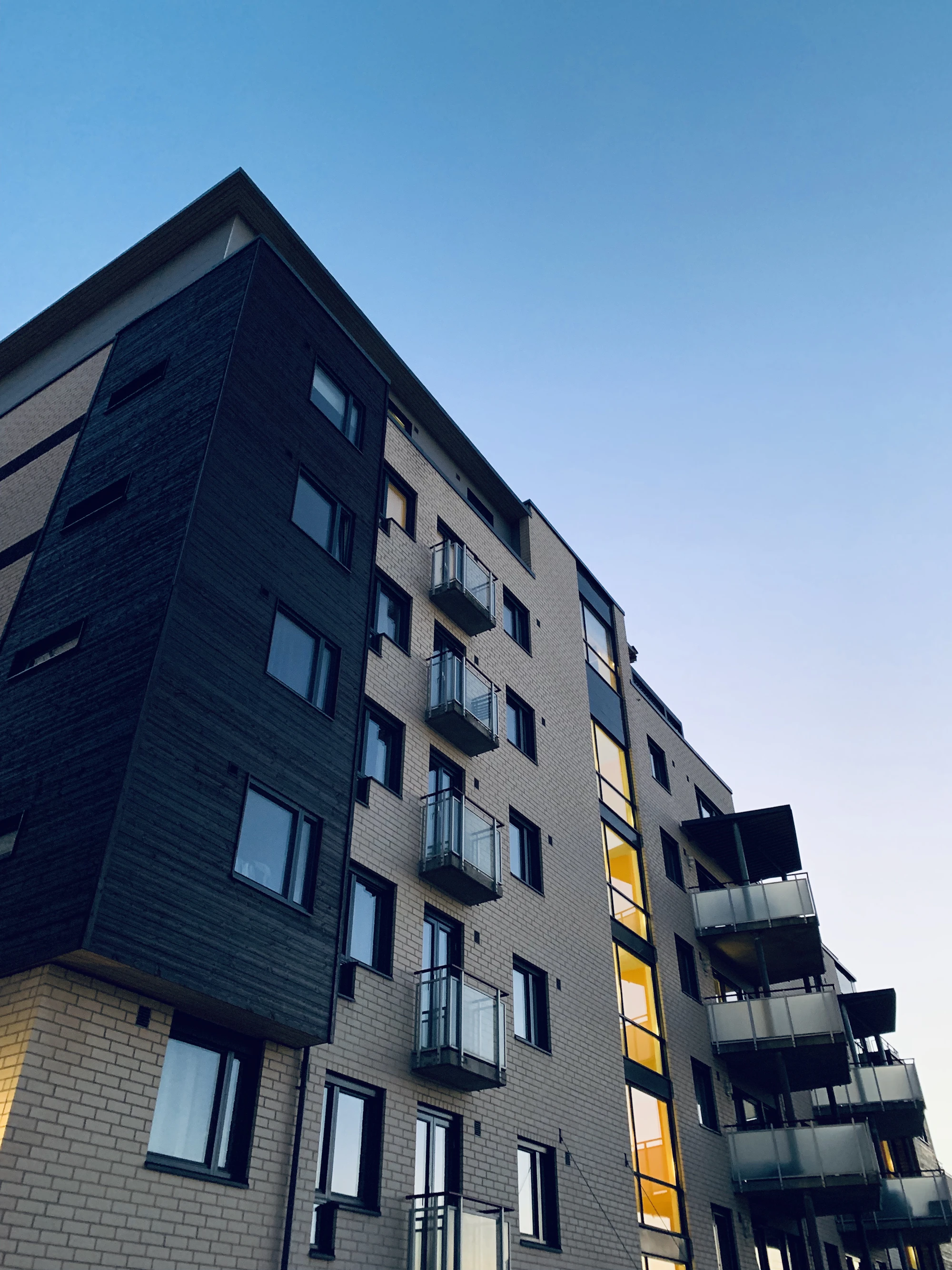
Cipriani Residences — Edgewater, Miami.
Gulf-based buyers entering Miami's Edgewater market face a learning curve around U.S. condo ownership structures—especially HOA reserve studies. This guide explains what to look for, why it matters, and how landmark projects like Cipriani Residences fit into the picture.
Why Edgewater Is Attracting Dubai and Gulf Capital Right Now
Miami's Edgewater neighborhood sits on a narrow peninsula between Biscayne Bay and downtown Brickell, offering unobstructed water views, walkable urbanism, and a cultural energy that feels familiar to residents of Dubai's DIFC or Abu Dhabi's Al Maryah Island. Over the past decade, Edgewater has transformed from an overlooked arts district into one of Miami's most coveted new-development corridors, attracting architects and operators of global renown. For Gulf investors accustomed to trophy assets with iconic branding, the neighborhood checks every box: waterfront position, rising land values, and a pipeline of ultra-luxury towers.
From a financial planning perspective, Edgewater also benefits from Florida's zero state income tax, which aligns well with the tax-efficiency priorities of UAE-resident investors. The U.S. dollar's historical stability relative to the dirham—which is pegged to the dollar—means currency conversion risk is minimal for GCC buyers. Add to that Miami's status as the undisputed gateway city between North America, Latin America, and increasingly Europe and the Middle East, and the logic for Gulf capital flowing into Edgewater becomes self-evident. The question is no longer whether to invest, but how to invest wisely—and that begins with understanding the structural obligations that come with condo ownership in Florida.
One development that has crystallized Gulf attention on Edgewater is Cipriani Residences, which carries one of the world's most recognized hospitality brands into the Miami residential market. For buyers from Dubai who evaluate assets partly on brand equity and management pedigree, a Cipriani address resonates immediately. Understanding the full ownership proposition—including the HOA framework behind the brand—is essential before signing a purchase agreement.
Understanding HOA Reserve Studies: The Single Most Overlooked Due-Diligence Step
In the Gulf, property ownership structures often involve service charges administered by master developers like EMAAR or Aldar, where the developer retains long-term oversight and reserve management is less visible to individual unit owners. In Florida, the legal framework is fundamentally different. Every condominium association is required to maintain a reserve fund—a dedicated pool of capital set aside for major future repairs such as roof replacement, elevator modernization, façade work, and structural components. The reserve study is the independent engineering report that tells you whether that fund is adequately funded relative to the building's projected needs.
A reserve study is typically conducted by a licensed reserve specialist or structural engineer and projects costs over a 20- to 30-year horizon. The study produces a 'percent funded' figure, which represents how much of the projected future costs are actually covered by current reserves. Industry guidance suggests that a well-funded association should be at or above 70 percent funded; anything below 50 percent should prompt serious scrutiny. For new-construction buildings like those in Edgewater's current pipeline, the reserve study is often based on estimates rather than historical repair records, which makes the quality of the engineering assumptions especially important to evaluate.
Following the 2021 Surfside condominium collapse, Florida enacted sweeping legislation—commonly referred to as Senate Bill 4-D and its 2023 successor provisions—that dramatically tightened reserve requirements for condo buildings over three stories. Under the updated rules, associations with certain structural deficiencies must fully fund specific reserve line items and conduct milestone inspections at prescribed building ages. For Gulf buyers purchasing in a new Edgewater tower today, this legislative landscape means that HOA fees and reserve contributions may increase over time as compliance requirements evolve, and understanding the trajectory of those costs is as important as evaluating the purchase price itself.
How to Read a Reserve Study as a Foreign Buyer: A Practical Framework
When you receive a condominium documents package in Florida—typically delivered within a statutory disclosure period after contract execution—the reserve study will be included alongside the declaration of condominium, bylaws, articles of incorporation, and financial statements. Many Gulf buyers delegate this review entirely to their attorney, which is appropriate, but buyers who understand the key metrics are better positioned to ask the right questions. The three figures to focus on immediately are: current reserve balance, percent funded, and the annual recommended contribution. A large gap between the current balance and the recommended contribution signals that the association has historically been under-reserving, which creates future special assessment risk.
Special assessments are one-time levies imposed on unit owners when the reserve fund is insufficient to cover an unexpected or deferred expense. In established Miami buildings, special assessments for structural repairs have run into the tens of thousands of dollars per unit. For a buyer from Dubai operating through an LLC or foreign corporate structure, a surprise special assessment can also create complications around remittance, banking documentation, and tax reporting that are more complex than they would be for a domestic buyer. Identifying under-funded associations before purchase is therefore not merely a financial exercise—it is a risk-management imperative for international investors.
For new-construction purchases specifically, ask the developer's sales team for the projected reserve funding schedule embedded in the HOA budget pro forma. Reputable developers—particularly those behind branded residences like Cipriani Residences—typically engage professional reserve analysts during the pre-opening budgeting phase and can provide initial reserve study projections before the building's certificate of occupancy is issued. Compare the projected per-unit monthly reserve contribution against comparable buildings in the submarket to determine whether the budget is realistic or optimistically low.
The Edgewater New-Development Landscape: What Gulf Buyers Are Competing For
Edgewater's new-construction pipeline is concentrated along NE 2nd Avenue, Biscayne Boulevard, and the bayfront parcels that command the highest land prices in the submarket. The neighborhood's building stock is overwhelmingly post-2010, which means that unlike Brickell or South Beach, buyers are rarely confronted with aging mechanical systems or deferred structural maintenance in the most coveted towers. This is a meaningful advantage for Gulf investors who prioritize turnkey assets with minimal near-term capital expenditure requirements. However, 'new' does not automatically mean 'well-reserved,' and even recently completed buildings can carry underfunded HOAs if the developer set initial budgets below sustainable levels to keep monthly fees artificially competitive during the sales campaign.
The branded-residence category within Edgewater has attracted particular interest from GCC buyers, who are deeply familiar with hospitality-led living from their home markets. Brands like Four Seasons, Armani, and Cipriani carry an implicit promise of management quality, service delivery, and brand-maintained common areas that resonates with buyers who have lived in the Burj Khalifa residences or One Palm. Cipriani Residences extends the century-old Cipriani hospitality legacy into the residential sector, offering white-glove services, curated food and beverage programming, and common areas designed to the same specification as the brand's legendary venues in New York and Venice.
Buyers competing for top-floor and water-facing units in Edgewater's prestige tier should be aware that inventory in the most desirable configurations is absorbed quickly and often before public marketing launches. Gulf-based buyers who work with a Miami brokerage that has established developer relationships can access pre-launch allocations, floor-plan selection priority, and occasionally negotiated incentives on parking or storage assignments that are not available to buyers who approach the sales gallery without representation. Early access also allows buyers to review preliminary HOA budgets and reserve funding schedules before unit selection is finalized.
Legal and Financial Structuring for GCC Buyers Purchasing in Florida
Most sophisticated Gulf investors purchasing U.S. real estate do so through a holding structure rather than in their personal name. Common vehicles include a Florida or Delaware LLC, a foreign LLC registered to do business in Florida, or in some cases a trust structure for estate planning purposes. Each vehicle has different implications for property tax assessment, mortgage eligibility, FIRPTA withholding on eventual sale proceeds, and estate tax exposure. The U.S.–UAE tax treaty that existed historically was limited in scope, and buyers should engage both a U.S. tax attorney and a UAE-side advisor who understands cross-border reporting obligations under the Common Reporting Standard.
FIRPTA—the Foreign Investment in Real Property Tax Act—requires that when a foreign person sells U.S. real property, the buyer is obligated to withhold a percentage of the gross sale price and remit it to the IRS as a prepayment against potential capital gains tax. For Gulf investors planning a medium- to long-term hold of five to ten years, FIRPTA withholding at disposition is manageable with proper planning. However, buyers who structure their purchase incorrectly at the outset—for example, purchasing in a foreign corporation rather than a U.S. LLC—may face higher withholding rates and more complex tax recovery procedures. Structuring decisions made on day one have consequences that play out over the full ownership lifecycle.
Financing is available to non-resident alien buyers at most major U.S. lenders, though the documentation requirements are more extensive than for domestic borrowers and loan-to-value ratios are typically more conservative—often capped in the 60 to 65 percent range for foreign nationals. Many Gulf buyers opt for all-cash purchases, which eliminates financing contingency risk in competitive pre-construction environments and simplifies the closing process. For those who prefer leverage, establishing a U.S. banking relationship well in advance of the purchase—ideally twelve to eighteen months before closing—significantly smooths the underwriting process and demonstrates financial transparency that lenders require.
Working With a Miami New-Development Brokerage as a Gulf-Based Buyer
The role of a buyer's representative in a Miami new-construction transaction is often misunderstood by Gulf investors who are accustomed to developer-centric sales processes in Dubai, where the developer's own agents manage the transaction from both sides. In Florida, buyer representation is legally distinct, and a buyer's agent owes fiduciary duties exclusively to the purchaser—including duties of disclosure, loyalty, and confidentiality. Importantly, buyer representation in new-construction transactions is typically compensated by the developer through a co-brokerage commission, meaning the buyer pays nothing additional for access to professional advocacy throughout the transaction.
A brokerage with deep relationships in Miami's new-development sector can provide Gulf clients with market intelligence that goes beyond what the developer's sales team will share: current absorption rates by floor and unit type, historical price-per-square-foot performance of comparable buildings, insights into which developers have a track record of completing projects on schedule and on specification, and candid assessments of HOA budget sustainability based on comparable buildings they have seen open and stabilize. This intelligence layer is particularly valuable for buyers who cannot be physically present in Miami throughout the due diligence and construction period.
For clients evaluating landmark Edgewater offerings, including Cipriani Residences, Wolsen Developments provides end-to-end guidance from initial market orientation through contract negotiation, condo document review coordination, closing logistics, and post-closing property management referrals. Gulf buyers who are new to the Miami market benefit from a single point of accountability that bridges the time-zone gap, speaks to the specific preferences of GCC investors, and has the developer access to secure the most advantageous terms available in a competitive pre-construction environment. If you have questions about current pricing or availability in Edgewater, Denis Smykalov at Wolsen Developments is available for a direct consultation — no obligation, just straight answers about what is actually on the market.
Frequently Asked Questions
What is a reserve study and why does it matter when buying a condo in Miami?
A reserve study is an independent engineering report that projects the long-term repair and replacement costs of a condominium building's major components—such as roofs, elevators, and structural systems—and determines whether the HOA's reserve fund is adequately capitalized to cover those costs. If a building is significantly underfunded, owners may face special assessments, which are one-time levies that can reach tens of thousands of dollars per unit. Reviewing the reserve study before purchasing is one of the most important due-diligence steps for any Miami condo buyer.
Are HOA reserve requirements in Florida different after the Surfside collapse?
Yes. Florida enacted significant legislation following the 2021 Surfside collapse that tightened reserve funding mandates and introduced mandatory structural milestone inspections for buildings over three stories. Associations that previously waived or reduced reserve contributions through owner votes are now required to fully fund certain reserve line items, and the phased compliance timeline means that HOA fees in many buildings are increasing. Buyers of new construction should review the developer's long-term reserve funding schedule to understand how fees may evolve over time.
What does 'percent funded' mean in a condo reserve study?
Percent funded is the ratio of a condominium association's current reserve balance to the fully funded benchmark—the amount that should theoretically be on hand given the age and condition of the building's components. A building at 100 percent funded has exactly the reserves needed; below 70 percent is generally considered a yellow flag, and below 50 percent warrants serious scrutiny. For new-construction buildings, the percent-funded figure is based on projected rather than historical data, so the quality of the underlying engineering assumptions matters greatly.
Can buyers from Dubai or Saudi Arabia purchase property in Miami's Edgewater neighborhood?
Yes. U.S. real estate is generally open to foreign purchasers, including buyers from UAE, Saudi Arabia, Kuwait, and other GCC countries, with no citizenship or residency requirement. Gulf buyers typically purchase through a U.S. LLC or similar holding structure for estate planning and tax efficiency. Buyers should work with a U.S. attorney and a cross-border tax advisor to structure the purchase correctly from the outset.
What is FIRPTA and how does it affect Gulf investors selling Miami real estate?
FIRPTA—the Foreign Investment in Real Property Tax Act—requires that when a non-U.S. person sells U.S. real property, the buyer must withhold a percentage of the gross sale price and remit it to the IRS as a prepayment against capital gains tax. The withholding rate varies depending on the sale price and ownership structure. Gulf investors can often recover withheld amounts or minimize withholding through proper entity structuring and timely tax filings, making pre-purchase legal advice essential.
Is Cipriani Residences in Miami a good investment for Gulf buyers?
Cipriani Residences carries one of the world's most recognized hospitality brands into the Miami residential market, which provides brand-equity support for resale values and appeals strongly to the branded-residence preferences common among GCC buyers. As with any new-construction purchase, prospective buyers should review the HOA budget, reserve funding projections, developer track record, and unit-specific pricing relative to the submarket before making a purchase decision. A buyer's representative with Miami new-development expertise can provide a comparative market analysis to inform that evaluation.
What mortgage options are available to non-resident buyers purchasing in Edgewater Miami?
U.S. lenders do offer mortgage financing to non-resident alien buyers, though loan-to-value ratios are typically more conservative than for domestic borrowers—often in the 60 to 65 percent range—and documentation requirements are more extensive, including proof of foreign income, bank statements, and sometimes a U.S. credit profile. Establishing a U.S. banking relationship twelve to eighteen months before closing significantly improves the financing process. Many Gulf buyers opt for all-cash purchases to streamline closing and strengthen their negotiating position in competitive pre-construction markets.
How do branded-residence HOA fees in Miami compare to service charges in Dubai?
Branded residences in Miami's Edgewater and Brickell submarkets typically carry monthly HOA fees that are higher than standard condominiums due to the elevated service levels, staffed lobbies, concierge programming, and curated amenity operations associated with brands like Cipriani. These fees are broadly comparable in concept to service charges in Dubai's premium developments, though the legal structure differs: in Florida, HOA fees fund both operating expenses and mandatory reserve contributions, and the association is governed by elected unit owners rather than the master developer.
Does Florida have state income tax, and how does that benefit Gulf investors?
Florida has no state income tax, which is a meaningful financial advantage for investors who generate rental income from Miami properties. Combined with the fact that the UAE dirham is pegged to the U.S. dollar—eliminating currency conversion risk—Florida's tax environment makes Miami a particularly efficient destination for GCC capital relative to comparable luxury real estate markets in London or Paris, which carry significant local tax burdens.
What should Gulf buyers look for in an Edgewater developer's HOA budget for a new-construction condo?
Gulf buyers should examine the projected monthly reserve contribution per unit, the initial percent-funded target, the breakdown of major reserve line items, and whether the budget was prepared by an independent reserve analyst or internally by the developer. Comparing the reserve contribution as a percentage of total monthly fees against comparable completed buildings in Edgewater provides a benchmark for whether the budget is sustainable or has been set artificially low to make monthly fees appear more attractive during the sales campaign.
Ready to Take the Next Step?