Pinecrest · crypto real estate Miami · luxury estate market · new development Miami · tech buyer guide
Miami New-Development Buyer Guide for Crypto & Tech Wealth: Luxury Estates in Pinecrest
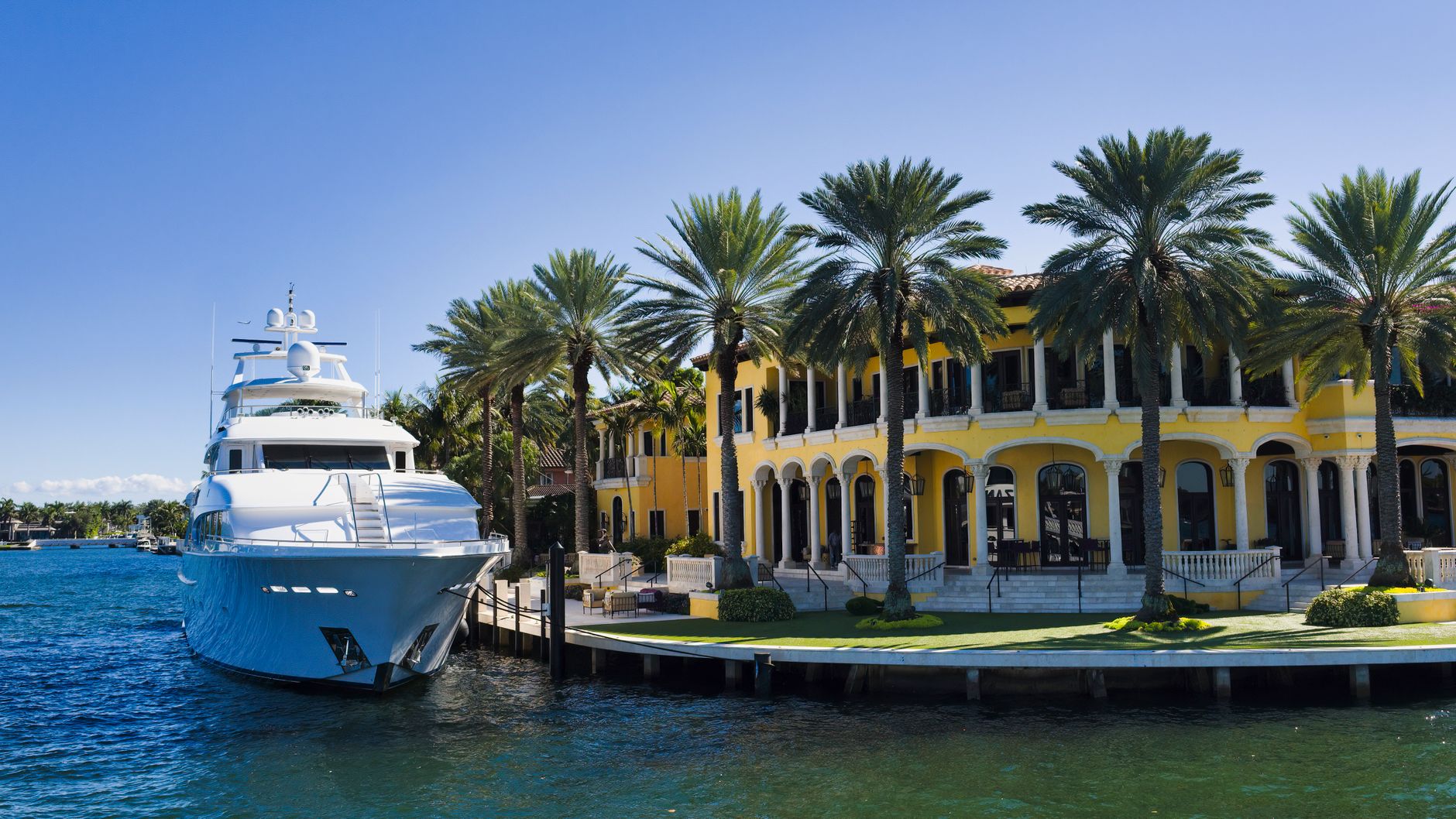
Bentley Residences — Pinecrest, Miami.
Pinecrest's low-density estate lots and strong school district fundamentals make it one of Miami's most resilient luxury submarkets — and increasingly, a preferred landing spot for crypto founders and tech executives relocating from California, New York, and abroad.
Why Crypto and Tech Buyers Are Targeting Pinecrest
Miami's broader emergence as a technology and financial hub has reoriented where newly liquid wealth chooses to plant roots. While waterfront condos in Brickell and Edgewater attract younger founders seeking urban density, a growing cohort of crypto entrepreneurs, venture capitalists, and senior tech executives are gravitating toward Pinecrest — a leafy, incorporated village in Miami-Dade County that offers something the condo towers cannot: land. For buyers who have generated asymmetric wealth through digital assets and early-stage equity, Pinecrest represents a familiar value proposition — a scarce, finite resource with compounding fundamentals.
The Florida tax environment remains a primary catalyst. The absence of a state income tax and no capital gains tax at the state level means that realizing significant cryptocurrency gains in Florida is materially different from doing so in California or New York. For a buyer who made early bets on Bitcoin, Ethereum, or a successful token launch, relocating to Miami-Dade before a liquidity event can represent millions in preserved wealth — and Pinecrest, with its quiet streets, A-rated public schools, and half-acre to multi-acre lots, offers the lifestyle infrastructure that makes the relocation permanent rather than opportunistic.
The tech buyer profile in Pinecrest skews toward family-formation and wealth consolidation rather than speculation. These are buyers who have already won and are now optimizing for quality of life, privacy, and long-term asset stability. Unlike the transient condo buyer who may flip in a cycle, the Pinecrest estate buyer tends to hold, improve, and compound. That behavioral pattern, consistent with how experienced technology investors think about concentrated positions, has contributed to Pinecrest's historically low days-on-market for trophy properties and its resistance to the price corrections that periodically affect more liquid condo segments.
Pinecrest Luxury Estate Market Analysis: Fundamentals That Hold
Pinecrest occupies roughly seven square miles along US-1 in the southern reaches of Miami-Dade, bordered by Coral Gables to the north and Palmetto Bay to the south. Its zoning is predominantly single-family residential, with minimum lot sizes that have preserved the village's low-density character across decades of development pressure. That structural scarcity is the foundational driver of price appreciation: there is a hard ceiling on how many luxury estates Pinecrest can physically contain, and demand from relocating high-net-worth individuals continues to outpace supply of move-in-ready homes at the top of the market.
Denis Smykalov, broker at Wolsen Developments, points out that 'Pinecrest is one of the few submarkets in Miami where the land itself commands a premium independent of what sits on it — buyers with crypto and tech backgrounds immediately understand this because they're trained to identify assets with hard supply caps and growing demand curves. A trophy lot in Pinecrest doesn't get repriced downward when interest rates move, because the buyer pool is largely cash or crypto-liquid and not rate-sensitive in the conventional sense.'
At the upper tier of the market — properties priced above $5 million and often exceeding $10 million for newly constructed or extensively renovated estates — Pinecrest has demonstrated a pattern of sustained value retention that distinguishes it from speculative segments. Finished square footage on newer builds frequently ranges from 6,000 to 12,000 square feet, with amenity packages that include resort-style pools, home automation systems, private gyms, and guest houses designed to accommodate the extended family and remote work needs of a relocated tech household. New construction activity has intensified as buyers choose to tear down older structures and build custom homes that reflect contemporary design standards, driving replacement cost values higher and establishing new price-per-square-foot benchmarks across the submarket.
How Crypto Buyers Navigate the Purchase Process in Miami
Transacting in cryptocurrency for Miami real estate is no longer experimental — it is an established pathway with a growing ecosystem of brokers, title companies, and developers who have structured crypto-to-closing workflows. The general mechanism involves converting cryptocurrency to USD at or near closing through a regulated exchange or OTC desk, with the converted proceeds flowing through standard wire transfer protocols to the title company. Some developers have also accepted cryptocurrency directly for deposit and purchase, particularly in the preconstruction segment where the timeline between contract and closing provides flexibility for currency conversion.
For buyers holding large cryptocurrency positions, the most important early step is engaging a tax advisor with direct experience in digital asset transactions before entering contract. The act of converting crypto to fund a real estate purchase is a taxable event in the United States — the gain between cost basis and conversion price is recognized regardless of whether the proceeds are immediately reinvested. Buyers who relocated to Florida specifically to optimize their tax position on a crypto liquidity event should have that advisory relationship established before the transaction, not during it. A broker who has navigated these deals before — including the sequencing of events, the documentation requirements, and the title company's compliance expectations — is an essential part of the transaction team.
For preconstruction purchases in Miami's new development pipeline, cryptocurrency buyers have an additional structural advantage: the extended closing timeline — often 18 to 36 months from contract to delivery — gives buyers time to convert positions strategically rather than in a single event. Deposit structures in Miami preconstruction typically require 10 to 30 percent of the purchase price across staged payment milestones, which can be funded through a planned series of partial liquidations. This aligns well with how sophisticated crypto holders think about position management, treating the real estate purchase as an exit strategy for a concentrated position rather than a spontaneous transaction.
Bentley Residences and the Ultra-Luxury New Development Context
While Pinecrest represents the estate and land ownership pathway, crypto and tech buyers in Miami are simultaneously active in the branded ultra-luxury condominium segment — and no project better illustrates the ceiling of that market than Bentley Residences in Sunny Isles Beach. Developed by Dezer Development in collaboration with Bentley Motors, the tower is one of the most discussed new developments in South Florida, offering a car elevator system that delivers vehicles directly to private sky garages within each residence. For a buyer audience that treats objects of exceptional engineering as investments in their own right, the convergence of automotive and residential luxury in a single asset is a coherent proposition.
Bentley Residences occupies a different market position than a Pinecrest estate — it is a vertical, amenity-dense, branded tower on the oceanfront rather than a private lot in a residential village — but the buyer overlap is real. A tech executive or crypto fund manager may purchase a Pinecrest estate as their primary residence and family anchor while holding a unit at Bentley Residences as a secondary address, investment property, or hospitality asset for visiting partners and clients. This portfolio approach to Miami real estate — balancing land with branded vertical assets — has become a recognizable pattern among buyers who entered the market with liquidity events rather than gradual wealth accumulation.
The broader significance of projects like Bentley Residences for the Pinecrest buyer is market signaling. When global luxury brands commit to major residential developments in a metropolitan area, they are validating a demand base that extends far beyond any single neighborhood. The presence of Bentley, Porsche, Armani, and other brand-affiliated towers in Miami's pipeline tells Pinecrest estate buyers that the high-net-worth migration narrative is durable — that Miami is not experiencing a transient boom but a structural repositioning as a global wealth center. For a buyer allocating a meaningful portion of their net worth to Miami real estate, that macro confirmation matters.
Due Diligence Priorities for High-Net-Worth Buyers in Pinecrest
The due diligence process for a Pinecrest estate acquisition differs meaningfully from a condo purchase and requires buyers to engage professionals with specific single-family expertise. Title searches in older Pinecrest neighborhoods must account for easements, deed restrictions, and setback requirements that may constrain future improvement plans — particularly relevant for buyers who intend to build additions, pools, or accessory structures. A thorough survey conducted by a licensed Florida surveyor should be treated as non-negotiable, as lot line discrepancies in established neighborhoods can create material complications for construction permitting.
For buyers planning to demolish and rebuild, the permitting timeline in Miami-Dade County is a critical planning variable. Custom new construction in Pinecrest typically involves a multi-stage permitting process that can add 6 to 18 months to a project timeline before a shovel enters the ground. Buyers with crypto liquidity who are accustomed to moving quickly should calibrate their expectations accordingly — the real estate development process in South Florida operates on a different timescale than digital markets, and the most successful buyers are those who plan the construction phase with the same rigor they would apply to a product roadmap.
Insurance is a cost category that disproportionately affects new arrivals to South Florida. Luxury estate buyers should obtain insurance quotes before closing — not after — as wind and flood coverage premiums for large Pinecrest homes can be substantially higher than buyers from California, New York, or international markets anticipate. Miami-Dade County's wind mitigation requirements for new construction, however, can significantly reduce insurance costs relative to older homes, which is one of the underappreciated financial arguments for new construction over resale in this market. Engaging an independent insurance broker who specializes in high-value South Florida residential properties is a worthwhile early step in the buyer timeline.
Working with a Miami Luxury Broker Who Understands Digital Asset Wealth
The gap between a generalist real estate agent and a broker with specific experience in crypto-liquidity transactions is consequential. Crypto buyers are frequently targeting off-market properties — Pinecrest's most desirable estates rarely appear on public listing platforms at all — and accessing that inventory requires a broker with established relationships in the village's tight-knit seller community. Beyond inventory access, a broker who understands the mechanics of crypto-funded transactions can coordinate the title company, currency conversion timeline, and closing documentation in ways that prevent avoidable delays and compliance issues.
Buyers should look for brokers who have actually closed crypto transactions — not brokers who are theoretically open to them. The nuances of documentation, the specific requirements of different title companies regarding source-of-funds verification, and the timing considerations around conversion events are skills acquired through experience rather than research. For a buyer who may be closing on a multi-million-dollar Pinecrest estate while simultaneously managing a crypto conversion event and a relocation from another state or country, having a broker who has navigated that specific combination of circumstances is a meaningful risk reduction.
The relationship between buyer and broker in Pinecrest's ultra-luxury segment extends beyond the transaction itself. The best broker relationships in this market function as ongoing advisory partnerships — informing buyers about off-market opportunities as they emerge, tracking comparable sales that affect portfolio valuations, and connecting buyers to the network of attorneys, architects, contractors, and designers who perform at the standard that high-end Pinecrest estates require. For a tech or crypto buyer who is new to Miami, this embedded local knowledge is often the highest-value thing a specialized brokerage relationship provides.
Frequently Asked Questions
Can I buy a Pinecrest estate using cryptocurrency?
Yes, cryptocurrency can be used to fund a Pinecrest estate purchase, typically by converting digital assets to USD through a regulated exchange or OTC desk prior to or at closing. Some sellers and developers also accept crypto directly. Converting cryptocurrency is a taxable event in the U.S., so buyers should engage a digital asset tax advisor before initiating the transaction.
What is the typical price range for luxury estates in Pinecrest?
Pinecrest luxury estates generally start around $3 million for older homes on standard lots, with newer or extensively renovated properties frequently priced between $5 million and $15 million or more. Custom-built new construction on large lots at the top of the market can exceed $20 million depending on lot size, finishes, and location within the village.
Why are crypto and tech buyers choosing Pinecrest over Miami Beach or Brickell?
Pinecrest offers land ownership, privacy, low density, and access to A-rated public schools — attributes that appeal to family-focused, wealth-consolidating buyers. Unlike condos in Brickell or Miami Beach, Pinecrest estates represent a finite land asset with hard supply constraints, which resonates with buyers who think in terms of scarcity and long-term value preservation.
Does Florida have a state capital gains tax on cryptocurrency profits?
Florida does not impose a state income tax or a state-level capital gains tax, meaning cryptocurrency gains are subject only to federal taxation for Florida residents. This makes establishing Florida residency before a crypto liquidity event a financially significant decision for buyers from high-tax states like California and New York.
How does the Bentley Residences development relate to the Pinecrest buyer profile?
Bentley Residences in Sunny Isles Beach attracts a similar ultra-high-net-worth buyer demographic, and many buyers hold both a Pinecrest estate as a primary residence and a branded condo like Bentley Residences as a secondary or investment property. The project also signals broader institutional confidence in Miami's long-term luxury market, which supports estate values throughout Miami-Dade.
What due diligence steps are most important for a Pinecrest estate purchase?
Key due diligence steps include a licensed survey to confirm lot boundaries and easements, a title search for deed restrictions affecting future construction, insurance quotes from a South Florida specialist before closing, and — for buyers planning to build — a pre-purchase consultation with a local architect or permitting expediter to assess buildability and timeline.
How long does it take to build a custom new home in Pinecrest?
From contract on a teardown lot to certificate of occupancy on a new custom home, buyers should generally plan for 24 to 42 months, accounting for design, permitting, and construction phases. Miami-Dade permitting alone can take 6 to 18 months depending on project complexity, so buyers with liquidity ready to deploy should factor this timeline into their planning.
Are Pinecrest home values affected by interest rate changes?
Pinecrest's top-tier estate market is relatively insulated from interest rate fluctuations because a significant portion of buyers at that price level are cash or crypto-liquid and do not rely on conventional mortgage financing. This structural characteristic has contributed to the submarket's historical resilience during periods of broader real estate market softness.
What lot sizes are typical for luxury estates in Pinecrest?
Pinecrest's residential zoning supports lot sizes ranging from approximately 20,000 square feet to well over an acre, with the village's minimum lot size requirements having preserved low density across the community. Trophy properties at the top of the market typically sit on half-acre to multi-acre lots, which are rarely available in comparable proximity to Miami's urban core.
What should I look for in a Miami broker if I'm buying with crypto proceeds?
Look for a broker who has verifiably closed cryptocurrency-funded transactions — not one who is simply open to the concept. Specific experience matters for coordinating title company compliance, managing conversion timing, and navigating source-of-funds documentation. Access to off-market Pinecrest inventory and an established network of local advisors are equally important selection criteria.
Ready to Take the Next Step?