North Miami Beach · Miami new construction · pied-à-terre · closing costs · Sunny Isles Beach · luxury condos
Miami New-Development Buyer Guide: Closing Costs, Pied-à-Terre Ownership & Second Homes in North Miami Beach
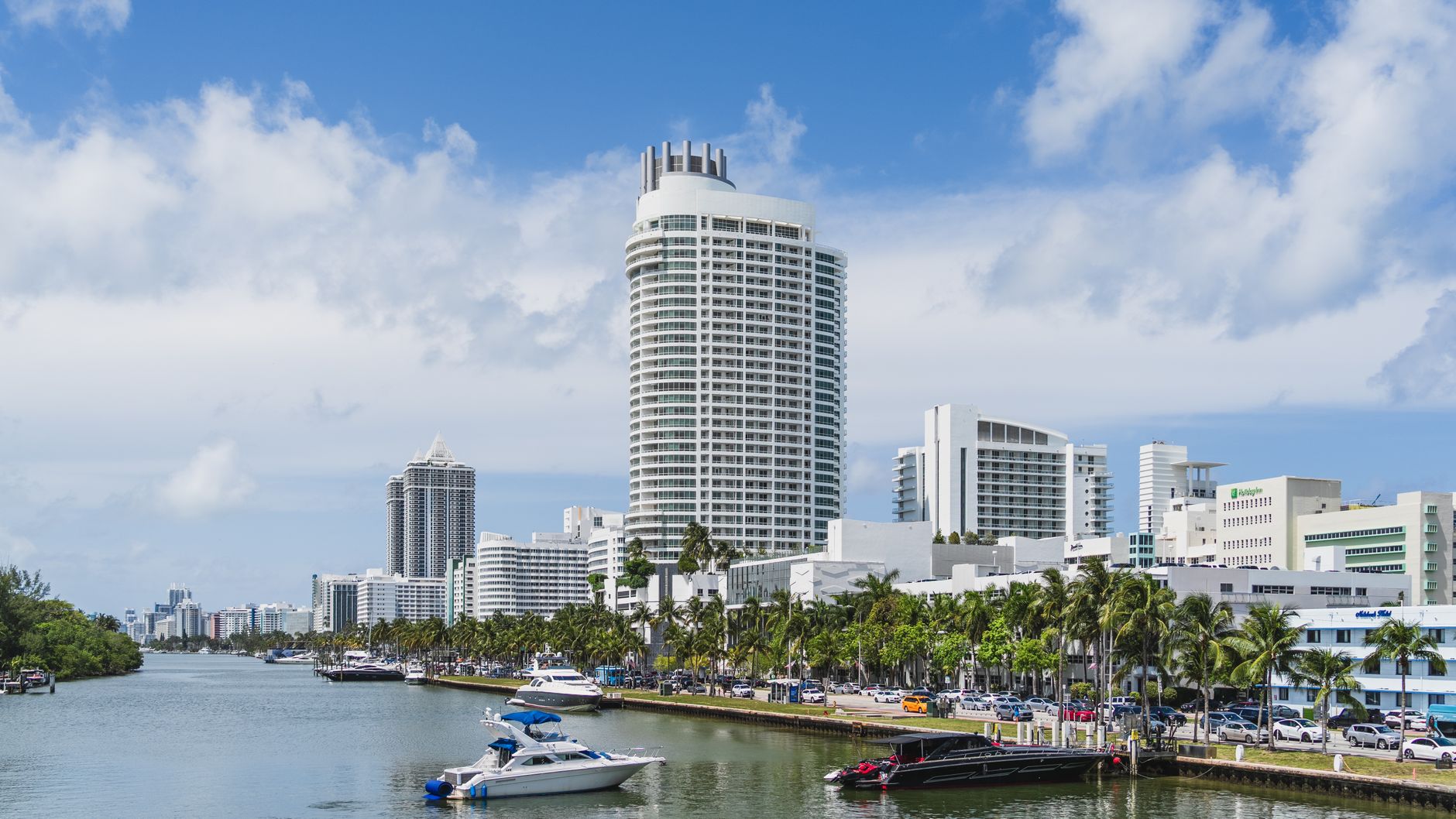
Porsche Design Tower — North Miami Beach, Miami.
Everything a second-home or pied-à-terre buyer needs to know before purchasing a new-construction condo in the North Miami Beach corridor — from true closing-cost budgets to what makes ultra-luxury towers like Porsche Design Tower a benchmark for the market.
Why North Miami Beach Is a Prime Market for Second-Home and Pied-à-Terre Buyers
North Miami Beach and the immediately adjacent Sunny Isles Beach barrier island have quietly become one of the most compelling corridors for buyers seeking a high-quality second residence in South Florida. Unlike the denser, more tourist-heavy core of Miami Beach, this stretch of coastline offers a calmer residential atmosphere while still delivering world-class amenity packages, direct Atlantic Ocean frontage, and proximity to Aventura's retail and dining ecosystem. For buyers based in the Northeast, Canada, Latin America, or Europe, the neighborhood offers an easy-to-lock-and-leave lifestyle that suits genuine pied-à-terre use — a home you can close up for months at a time without anxiety.
The new-construction pipeline in this corridor has attracted globally recognized brands that understand the second-home buyer's psychology. Projects like Porsche Design Tower set a high-water mark for what the area can deliver architecturally and programmatically, drawing comparison buyers from Monaco, Dubai, and Manhattan. When a buyer is evaluating whether to purchase in this submarket, they are often comparing it not just to Brickell or Edgewater but to international luxury second-home destinations — which is a testament to how far the North Miami Beach corridor has matured.
Understanding Miami New-Construction Closing Costs: A Realistic Budget Framework
One of the most common miscalculations second-home buyers make is underestimating the total cash required at closing. In Miami-Dade County, closing costs on a new-construction condo purchase are meaningfully higher than what buyers may be accustomed to in many other U.S. markets, and they differ in structure from resale transactions. As a general planning framework, buyers should budget between 4% and 6% of the purchase price on top of their deposit and final payment — though the exact figure depends on financing, purchase price, and negotiated terms with the developer.
The largest single closing-cost line item is typically the documentary stamp tax on the deed, which in Florida is assessed at $0.70 per $100 of the purchase price (with Miami-Dade having a slight variation in its surtax structure for certain property types). On a $3 million purchase, that alone represents a meaningful five-figure obligation. Beyond doc stamps, buyers should plan for title insurance — both the lender's policy if financing and the owner's policy, which is strongly recommended — as well as title search fees, recording fees, and any condominium association transfer or capital contribution fees required by the building. New-construction buildings often charge an estoppel fee and a working-capital contribution at closing, which can range from one to several months of HOA dues.
Foreign national buyers and U.S. buyers who intend to rent the unit periodically should also factor in the cost of establishing the appropriate legal and tax structures before closing — LLC formation, a Florida registered agent, and consultation with a cross-border tax advisor. These are not trivial expenses, but they are front-loaded, one-time costs that protect a buyer's asset for the long term. Buyers financing their purchase should additionally account for lender origination fees, appraisal costs, and potentially a higher rate of title insurance premium than they are accustomed to in their home state.
Deposit Structures and Pre-Closing Cash Flow in Miami New Construction
Unlike a resale purchase where the entire transaction closes within 30 to 60 days, new-construction condos in Miami typically require a phased deposit schedule spread over the construction timeline, which can run 18 months to four or more years depending on the project's stage at the time of contract signing. A common structure for luxury buildings requires 10% at contract execution, a second installment of 10% to 20% at groundbreaking or a predetermined milestone, another installment at a mid-construction mark such as the pouring of the top floor, and the balance due at closing. Some ultra-luxury projects carry higher deposit requirements, occasionally reaching 50% or more of the purchase price in aggregate before the building is completed.
For a pied-à-terre buyer, this phased structure has an important implication: the capital is deployed gradually over time, but it is also sitting in an escrow account — in Florida, developer deposits on residential condos must be held in an escrow account and are protected by state statute under most circumstances. Buyers should review the Purchase and Sale Agreement carefully with a qualified real estate attorney to understand the escrow terms, what events allow the developer to draw down those funds, and what recourse exists if the project experiences significant delays or is not completed. This is not alarmist due diligence; it is standard practice for any sophisticated second-home buyer in this market.
What Porsche Design Tower Reveals About the Ultra-Luxury Pied-à-Terre Standard
Porsche Design Tower in Sunny Isles Beach is one of the most frequently cited reference points when discussing what ultra-luxury new construction looks like in the North Miami Beach corridor. The building's defining innovation — a patented robotic car-lift system called the Dezervator that allows residents to park their vehicles inside a glass-enclosed sky garage adjacent to their residence — was not conceived as a marketing gimmick but as a genuine lifestyle solution for buyers with significant car collections and an expectation that their second home would store and protect those assets with the same care as their primary residence. For a pied-à-terre buyer who values both real estate and automotive assets, the concept speaks to a coherent design philosophy rather than a promotional feature.
Beyond the car-parking innovation, Porsche Design Tower exemplifies several broader standards that serious second-home buyers should use as a benchmark when evaluating any luxury new-construction project in this submarket: the ratio of units to amenity space (fewer units relative to amenity footprint typically means less crowding and more personalized service), the quality of the exterior glazing and hurricane-impact systems (critical for a home that will be unoccupied for extended periods), the robustness of the building management structure, and the track record of the developer. Dezer Development, the firm behind the tower, has a multi-decade history in this exact corridor, which gives buyers a meaningful basis for evaluating delivery risk — a factor that matters enormously when you are committing deposits years before construction is complete.
When using a building like Porsche Design Tower as a market anchor, buyers can establish a mental price-per-square-foot range for what the most amenity-dense, brand-associated product in the submarket commands, then assess other projects relative to that baseline. A buyer who does not require a sky garage may find equally compelling finishes and building quality at a different price point within the same corridor — and understanding the spectrum from baseline luxury to ultra-luxury is essential before committing to any contract.
Tax, Rental, and Legal Considerations for Non-Primary-Residence Buyers in Florida
Florida's tax environment is famously favorable to second-home buyers: the state levies no personal income tax, and property taxes on non-homesteaded properties — which is the applicable designation for a pied-à-terre or second home — are assessed at market value with the Save Our Homes cap not applicable. This means a second-home buyer will not benefit from the 3% annual cap on assessed-value increases that Florida primary residents enjoy. However, the trade-off is that Florida has no estate tax, no inheritance tax, and no state capital gains tax, which can make a Florida second home an efficient asset from a long-term estate-planning perspective, particularly for buyers from high-tax states or countries.
For buyers who intend to generate rental income from their unit when not in personal use — a common strategy for second-home purchasers in this market — the condominium's governing documents are the controlling authority, not any general market assumption. Some luxury buildings in the North Miami Beach corridor permit short-term rentals; others impose minimum lease terms of 30, 90, or 180 days; and a small number restrict rentals entirely except under specific conditions. A buyer must read the Declaration of Condominium, the Rules and Regulations, and the HOA bylaws before signing a contract if rental income is part of the financial model. Developer sales teams are not always the most reliable source of nuanced restriction details — a real estate attorney reviewing the condo documents independently is the appropriate safeguard.
Foreign national buyers face an additional layer of consideration under FIRPTA (the Foreign Investment in Real Property Tax Act), which requires a buyer's agent or closing attorney to withhold a percentage of the purchase price from the proceeds of a future sale and remit it to the IRS. Planning for this reality before purchase — and structuring ownership appropriately — can meaningfully affect the economics of an eventual exit. Cross-border tax counsel engaged before contract signing, not at closing, is the right sequence.
How to Approach the New-Construction Purchase Process as a Second-Home Buyer
Buying a new-construction condo in Miami as a pied-à-terre or second-home buyer is a fundamentally different transaction from buying a primary residence in your home market, and the process rewards preparation. The first step that serious buyers take is engaging a buyer's broker who is independent of the developer's sales team — the developer's agents represent the developer's interests, and their commission is paid by the developer regardless of whether you bring your own representative. An independent buyer's broker can negotiate on your behalf, identify buildings that match your specific use case, and alert you to inventory that has not yet been formally released to the general market.
The due-diligence checklist for a new-construction second home should include: a careful review of the developer's financial standing and construction financing (many Florida developers will share this information upon request or it can be found in public filings); a review of the condominium prospectus, which in Florida must be filed with the Division of Florida Condominiums, Timeshares, and Mobile Homes and must be provided to buyers before they are bound by contract; an inspection of the building's reserve fund projections (for buildings near delivery) or the developer's reserve contribution commitments (for pre-construction); and a realistic assessment of HOA fee trajectories, which have trended upward industry-wide following changes to Florida's condo safety law. All of these steps require time and professional guidance, but they are the foundation of a sound second-home purchase rather than optional extras.
Frequently Asked Questions
What are the typical closing costs for a new-construction condo purchase in Miami?
Buyers should generally budget between 4% and 6% of the purchase price in closing costs, which includes documentary stamp taxes on the deed, owner's title insurance, title search and recording fees, and any condominium association transfer or working-capital contribution fees. The exact figure varies based on purchase price, financing structure, and the specific building's HOA requirements.
Is the Florida documentary stamp tax different in Miami-Dade County compared to the rest of the state?
Yes. While the base Florida doc stamp rate on deeds is $0.70 per $100 of consideration, Miami-Dade County applies a surtax structure that can slightly affect the total calculation depending on property type and whether the buyer is financing the purchase. Buyers should confirm the exact applicable rate with their closing attorney before finalizing their cash-to-close estimate.
How much should I expect to pay in deposit installments when buying a pre-construction condo in Miami?
Typical luxury new-construction projects structure deposits in tranches totaling 20% to 30% of the purchase price before closing, paid at predetermined construction milestones. Ultra-luxury projects may require higher aggregate deposits. Importantly, Florida law requires these deposits to be held in escrow, providing buyers with a significant degree of statutory protection.
Can I rent out my North Miami Beach condo as a short-term rental when I'm not using it?
It depends entirely on the building's Declaration of Condominium and Rules and Regulations, not on any general market assumption. Some buildings permit short-term rentals; others require minimum lease terms of 30, 90, or 180 days. Buyers must review the governing documents independently through a real estate attorney before signing a contract if rental income is part of their financial plan.
What is the Porsche Design Tower and why is it relevant to second-home buyers evaluating the North Miami Beach market?
<a href="/developments/porsche-design-tower-sunny-isles">Porsche Design Tower</a> in Sunny Isles Beach is a completed ultra-luxury residential tower featuring a robotic car-lift system that allows residents to park vehicles in a sky garage adjacent to their unit. It serves as a price and amenity benchmark for the North Miami Beach corridor, helping buyers calibrate what the top end of the market delivers and assess other projects relative to that standard.
Do non-resident foreign nationals buying a Miami condo face different tax obligations than U.S. buyers?
Yes. Foreign national buyers are subject to FIRPTA withholding on any future sale proceeds, which requires a percentage of the sale price to be withheld and remitted to the IRS at the time of exit. Proper pre-purchase structuring — including the potential use of an LLC or other entity — can affect long-term tax outcomes, and buyers should engage cross-border tax counsel before signing a contract rather than at closing.
Is it worth hiring an independent buyer's broker for a new-construction purchase in Miami, or can I work directly with the developer's sales team?
Hiring an independent buyer's broker is strongly advisable. The developer's sales team represents the developer's interests, not yours. An independent broker can negotiate on your behalf, provide access to off-market or pre-release inventory, and alert you to building-specific considerations the developer's team may not volunteer. The developer typically pays the buyer's broker commission, so there is generally no additional cost to the buyer.
How should I think about HOA fees when budgeting for a Miami new-construction pied-à-terre?
Denis Smykalov, a Miami new-development specialist at Wolsen Developments, recommends that buyers treat the HOA fee not as a fixed cost but as a variable one — reviewing the building's reserve fund projections and the developer's reserve contribution commitments carefully, because Florida's updated condo safety legislation has accelerated reserve funding requirements industry-wide, and buildings with underfunded reserves are experiencing meaningful special assessments and HOA increases that can materially affect the true cost of ownership.
Does Florida's homestead exemption or the Save Our Homes assessment cap apply to a second home or pied-à-terre in Miami?
No. Both the homestead exemption and the Save Our Homes cap on annual assessed-value increases apply only to a Florida owner's primary residence. A pied-à-terre or second home is assessed as a non-homesteaded property at market value each year, with no cap on annual assessment increases. However, Florida's lack of a state income tax, estate tax, and capital gains tax can still make the overall tax picture favorable compared to many other jurisdictions.
What should I look for in the condominium prospectus when buying a new-construction condo in Miami?
Key items to review include the developer's financial standing and construction financing, the building's reserve fund contribution schedule, rental restriction provisions, pet and subletting rules, the management structure post-turnover, and any developer-retained rights within the building. Florida law requires the prospectus to be delivered to buyers before they are contractually bound, and an independent real estate attorney should review it on the buyer's behalf before any contract is signed.
Ready to Take the Next Step?