Coral Gables · Waldorf Astoria Residences Miami · Kempinski Residences · Miami luxury new construction · branded residences Miami · pre-construction buyer guide
Miami Luxury New Development Buyer Guide: Coral Gables vs. Global Markets — Waldorf Astoria Residences, Kempinski, and What Discerning Buyers Need to Know
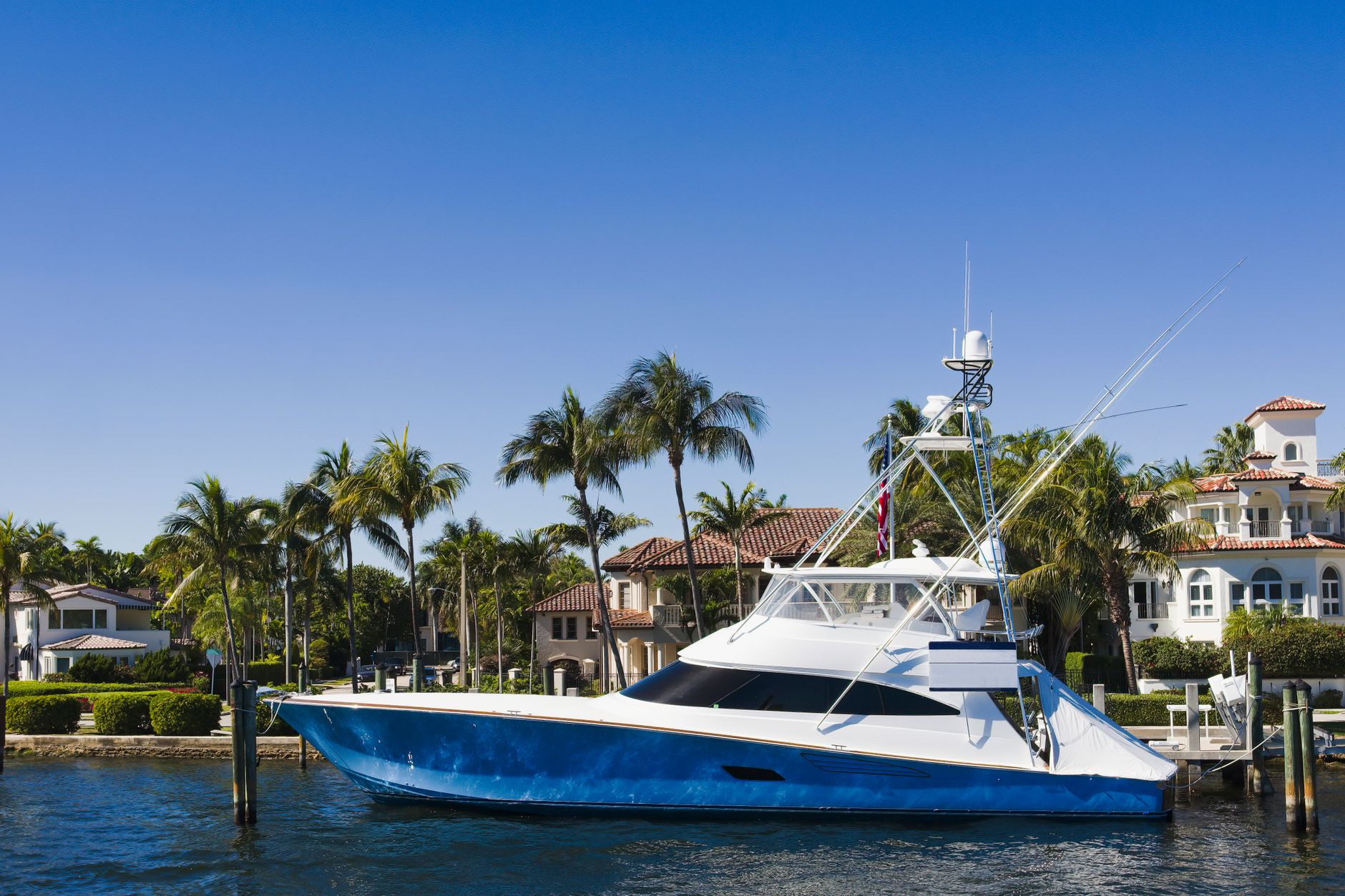
Kempinski Residences — Coral Gables, Miami.
A comprehensive buyer guide comparing Miami's Coral Gables luxury new-construction market to top global destinations, with deep coverage of Waldorf Astoria Residences Miami and the branded residence landscape.
Why Miami Competes With — and Often Beats — London, Dubai, and Singapore for Luxury Buyers
For the globally mobile buyer, the decision to purchase luxury real estate is rarely about a single city. It is about capital preservation, lifestyle alignment, tax efficiency, and the long-term trajectory of a market. Miami has emerged not as a regional contender but as a genuine peer to London's Mayfair, Dubai's Palm Jumeirah, and Singapore's Sentosa Cove. The difference lies in what Miami offers that those markets simply cannot: no state income tax, no wealth tax, full dollar-denominated transactions, direct international flight connectivity, and a legal framework rooted in well-established U.S. property law. For buyers who have purchased in Monaco or Geneva for privacy reasons, Florida's homestead exemption and relatively favorable privacy structures offer a compelling alternative within a U.S. jurisdiction.
The comparison with Dubai is instructive. Dubai offers zero income tax and explosive developer activity, but buyers face a leasehold structure on many properties, currency risk tied to AED pegs, and a market that has historically experienced severe cyclical corrections. Singapore imposes significant additional buyer stamp duties on foreign nationals — often 60% or more above the standard rate — making entry costs prohibitive. London's prime central market carries stamp duty land tax burdens, post-Brexit uncertainty for EU buyers, and a rental yield environment that has compressed significantly. Miami, by contrast, offers freehold ownership, a streamlined purchase process, relatively modest transaction costs compared to these peers, and a rental market that continues to attract high-net-worth relocating residents. For the buyer running a true cross-market comparison, Miami's risk-adjusted value proposition is difficult to dismiss.
Coral Gables: Miami's Most Sophisticated Submarket for Branded Residence Buyers
Within Miami, the choice of submarket matters enormously. Brickell delivers urban density and financial district proximity. Miami Beach offers the oceanfront lifestyle but carries flood insurance complexity and older building stock. Edgewater and the Design District cater to the arts-forward buyer. Coral Gables, however, occupies a distinct category: it is the only Miami submarket that combines Mediterranean architectural character, a walkable village core, a prestigious university anchor in the University of Miami, and zoning controls that have historically protected values by limiting the kind of speculative tower development seen elsewhere in Dade County. The result is a market where supply is inherently constrained and demand is driven by end-users — families, executives, and retirees — rather than purely by speculative capital.
Coral Gables has also proven resistant to the boom-and-bust cycles that have periodically afflicted other Miami submarkets. Its commercial corridor along Miracle Mile and Giralda Avenue supports a self-contained luxury lifestyle with fine dining, independent retail, and cultural venues. The Biltmore Hotel and its surrounding historic district create a sense of place that newer master-planned communities struggle to replicate. For international buyers — particularly those from Latin America, Europe, and the Middle East — Coral Gables reads as a complete neighborhood rather than a speculative address, which is an important psychological distinction when committing seven or eight figures to a purchase. The submarket's school quality, walkability scores, and proximity to both the airport and downtown Miami further solidify its appeal for buyers who intend to use the property as a primary or semi-primary residence.
The new-construction pipeline in Coral Gables is notably more selective than in neighboring submarkets. Developers who do break ground here tend to be institutional-grade, well-capitalized, and brand-affiliated, which means buyers benefit from higher construction standards, professional amenity management, and the reputational accountability that comes with globally recognized hospitality flags. This is the context in which understanding the branded residence model — and its leading exemplars in and near the Coral Gables orbit — becomes essential for any serious buyer.
Waldorf Astoria Residences Miami: A Complete Buyer Guide
Waldorf Astoria Residences Miami represents one of the most architecturally and commercially significant new-construction projects in the city's history. Rising in the Brickell corridor and designed by the renowned firm Sieger Suarez with an exterior concept from Carlos Ott, the tower is structured as a series of stacked and rotated glass cubes, creating a silhouette unlike anything currently on the Miami skyline. The Waldorf Astoria brand — operated under the Hilton umbrella and carrying more than a century of global hospitality prestige — brings a service and amenity standard that appeals directly to buyers accustomed to five-star hotel living. Residences are positioned across the upper floors of the tower, with the Waldorf Astoria Hotel occupying the lower portions, creating a full-service living environment with access to white-glove concierge, in-residence dining, spa facilities, and the full suite of hotel amenities.
From a buyer's perspective, the Waldorf Astoria Residences offer several structural advantages worth understanding. First, branded residences historically command a premium at resale over non-branded comparable units in the same market — research from Savills and Knight Frank has consistently documented this premium in global luxury markets, typically ranging from 20% to 30% above unbranded equivalents. Second, the hotel management infrastructure provides a professionally managed short-term rental program for owners who wish to place their unit in the rental pool when not in residence, offering income potential that purely residential buildings cannot match. Third, the Waldorf Astoria brand's global recognition functions as a form of marketing infrastructure for resale — a future buyer in Hong Kong, Riyadh, or São Paulo understands immediately what the brand represents, reducing friction in cross-border transactions.
Buyers considering Waldorf Astoria Residences Miami should conduct careful due diligence on several specific areas. The purchase agreement, governed by Florida's Condominium Act, grants buyers specific statutory rescission rights — typically a 15-day rescission period after contract execution during the pre-construction phase — and imposes disclosure requirements on the developer. Buyers should review the Declaration of Condominium, the prospectus, and the budget projections carefully, paying particular attention to the hotel-to-residential fee allocation methodology, which determines how shared costs are split between hotel guests and residential owners. Maintenance fees in branded hotel-residential hybrids tend to run higher than in purely residential towers, reflecting the cost of maintaining hotel-grade amenity spaces and service staffing. Working with an experienced buyer's broker who understands the branded residence structure — and who has reviewed comparable declarations — is essential to understanding the full carrying cost picture before committing.
Kempinski Residences and the Broader Branded Residence Landscape in Miami
The Waldorf Astoria is not the only globally branded residence entering the Miami market during this development cycle. Kempinski Residences brings Europe's oldest luxury hotel group to the Miami Design District, offering buyers a distinctly different brand positioning — one rooted in Old World European hospitality rather than American hotel grandeur. Kempinski's clientele is historically international, with particularly strong recognition among buyers from Germany, Switzerland, the Gulf states, and Southeast Asia. For the buyer who has stayed at Kempinski properties in Geneva, Dubai, or Bangkok and has experienced the brand's service ethos firsthand, the Miami entry offers a familiar quality benchmark applied to a high-growth market.
Understanding how different branded residence programs compare is an important part of the buyer's research process. The key variables include the brand's global recognition in the buyer's home market, the management structure and fee split, the quality of the amenity program, the developer's track record, and the long-term stability of the brand license agreement. Some branded residence agreements are structured so that the hotel brand can be replaced or the management contract can lapse after a fixed term — buyers should always ask specifically whether the brand license runs with the land or is subject to renewal, and what the governance mechanism is if the hotel brand relationship is terminated. A well-structured branded residence program should provide the owner with enforceable rights related to the maintenance of brand standards, not merely aspirational marketing language.
Beyond Waldorf Astoria and Kempinski Residences, Miami's new-construction landscape includes offerings affiliated with Four Seasons, Cipriani, Bentley, and other lifestyle and hospitality brands. Each occupies a distinct market position and serves a different buyer profile. The Four Seasons buyer tends to prioritize proven institutional management and a conservative resale track record. The Cipriani buyer is drawn to the Italian lifestyle brand and the social programming that comes with it. The Bentley Residences buyer at Sunny Isles Beach is purchasing a lifestyle statement tied to automotive luxury and ultra-modern design. Understanding where a given project sits within this constellation — and how it compares to what is available in competing global markets — is the foundation of a sound acquisition decision.
Pre-Construction Strategy: How to Buy Smart in Miami's New Development Market
Buying pre-construction in Miami requires a different analytical framework than purchasing a completed resale unit. The primary advantage of pre-construction entry is price: developers typically release units at the earliest stages of sales at prices that reflect the current land cost and projected construction costs, before the full market re-rates the completed product. In a market like Coral Gables or Brickell, where comparable completed branded residences trade at significant premiums, early-stage pre-construction buyers have historically captured meaningful appreciation by the time of delivery. However, this advantage comes with real risks: construction timelines routinely extend, market conditions can shift during a three-to-five-year development cycle, and buyers are committing capital — often in structured deposit installments — against a product that does not yet exist.
The deposit structure in Florida pre-construction contracts is a critical point of negotiation and due diligence. Florida law requires that buyer deposits be held in escrow, providing a meaningful layer of protection compared to some international markets where developer insolvency can result in deposit loss. However, the specific escrow terms, the conditions under which deposits can be released to the developer, and the remedies available to buyers in the event of material changes to the project all vary by contract and require careful legal review. Buyers should also understand the implications of the developer's financing structure — a project that is well-capitalized with institutional equity partners carries meaningfully lower completion risk than one that is dependent entirely on pre-sale deposit cash flows to fund construction.
Floor selection, unit orientation, and finish package negotiations are all more tractable in the pre-construction phase than after a building delivers. Buyers who engage early — particularly in the VIP or founder's phase before public launch — often have access to units that never reach the open market, can negotiate on finish upgrades or storage allocations, and may have more flexibility on contract terms. Working with a broker who maintains direct relationships with the developer's sales team, rather than approaching through a third-party aggregator, is the most reliable way to access these advantages. For current pre-construction pricing, availability, and access to off-market units in Coral Gables, contact Denis Smykalov at Wolsen Developments — denis@wolsenre.com or (305) 333-1122.
Frequently Asked Questions
How does buying luxury real estate in Miami compare to buying in Dubai or London?
Miami offers freehold ownership, no state income tax, dollar-denominated transactions, and a U.S. legal framework that many international buyers find more transparent and predictable than Dubai's leasehold structures or London's stamp duty burden. Foreign buyers in Miami face no additional buyer surcharges comparable to Singapore's foreign stamp duty, making entry costs significantly lower on a relative basis.
What makes Coral Gables different from other Miami luxury submarkets?
Coral Gables combines Mediterranean architectural character, constrained new supply due to strict zoning controls, a self-contained walkable village core, and a buyer base dominated by end-users rather than speculative investors. These factors have historically contributed to greater price stability compared to other Miami submarkets.
What is Waldorf Astoria Residences Miami and who is it designed for?
Waldorf Astoria Residences Miami is a branded luxury residential tower in Brickell with a distinctive stacked-cube architectural design. It is designed for buyers who want five-star hotel services and amenities integrated into their primary or secondary residence, with access to white-glove concierge, in-residence dining, and a hotel-managed rental program.
Do branded residences like the Waldorf Astoria command a resale premium?
Research from global real estate advisory firms such as Savills and Knight Frank has consistently documented that branded residences tend to sell at a premium of approximately 20% to 30% over comparable unbranded units in the same market. Brand recognition also reduces friction in cross-border resale transactions with international buyers.
What should buyers review before signing a pre-construction contract in Miami?
Buyers should carefully review the Declaration of Condominium, the developer's prospectus, the budget projections, the deposit escrow terms, and — for hotel-residential hybrids — the fee allocation methodology between hotel and residential uses. Legal review by a Florida-licensed real estate attorney is strongly recommended before executing any pre-construction contract.
How does Kempinski Residences differ from the Waldorf Astoria Residences in Miami?
Kempinski Residences is located in the Miami Design District and brings a European luxury hospitality brand with strong recognition among buyers from Germany, Switzerland, the Gulf states, and Southeast Asia. The Waldorf Astoria carries American luxury hotel heritage and Hilton's global distribution network, making each project most recognizable to a somewhat different international buyer profile.
Are pre-construction deposits protected in Florida?
Yes. Florida law requires that buyer deposits on pre-construction condominiums be held in escrow, providing meaningful protection compared to markets where developer insolvency can result in deposit loss. However, the specific escrow terms and release conditions vary by contract, so buyers should review these provisions carefully with legal counsel.
What are the ongoing costs of owning a unit in a branded hotel-residential building?
Maintenance fees in branded hotel-residential hybrids typically run higher than in purely residential buildings because they cover the cost of hotel-grade amenity spaces, concierge and service staff, and shared infrastructure. Buyers should request detailed budget projections and understand the cost allocation methodology between hotel and residential components before committing to purchase.
Is early pre-construction entry the best strategy for luxury Miami buyers?
Early pre-construction entry — particularly in a VIP or founder's phase — can offer price advantages, unit selection priority, and greater contract flexibility. However, it also involves committing capital over a multi-year construction timeline with inherent completion risk. The optimal strategy depends on the buyer's liquidity position, risk tolerance, and intended use of the property.
Can non-U.S. citizens purchase new-construction condominiums in Miami?
Yes. Non-U.S. citizens and foreign nationals can purchase condominiums in Miami with the same ownership rights as U.S. citizens, as Florida imposes no citizenship requirement on property ownership. Foreign buyers should consult with a U.S. tax advisor regarding FIRPTA withholding obligations on any future sale and the estate tax implications of U.S.-sited real estate ownership.
Ready to Take the Next Step?