Coral Gables · pre-construction inventory · luxury condo closing costs · Miami luxury real estate · developer sell-out · assignment sales
Miami Luxury Developer's Guide to Offloading Remaining Pre-Construction Inventory in Coral Gables: Closing Costs, Strategy & Market Positioning
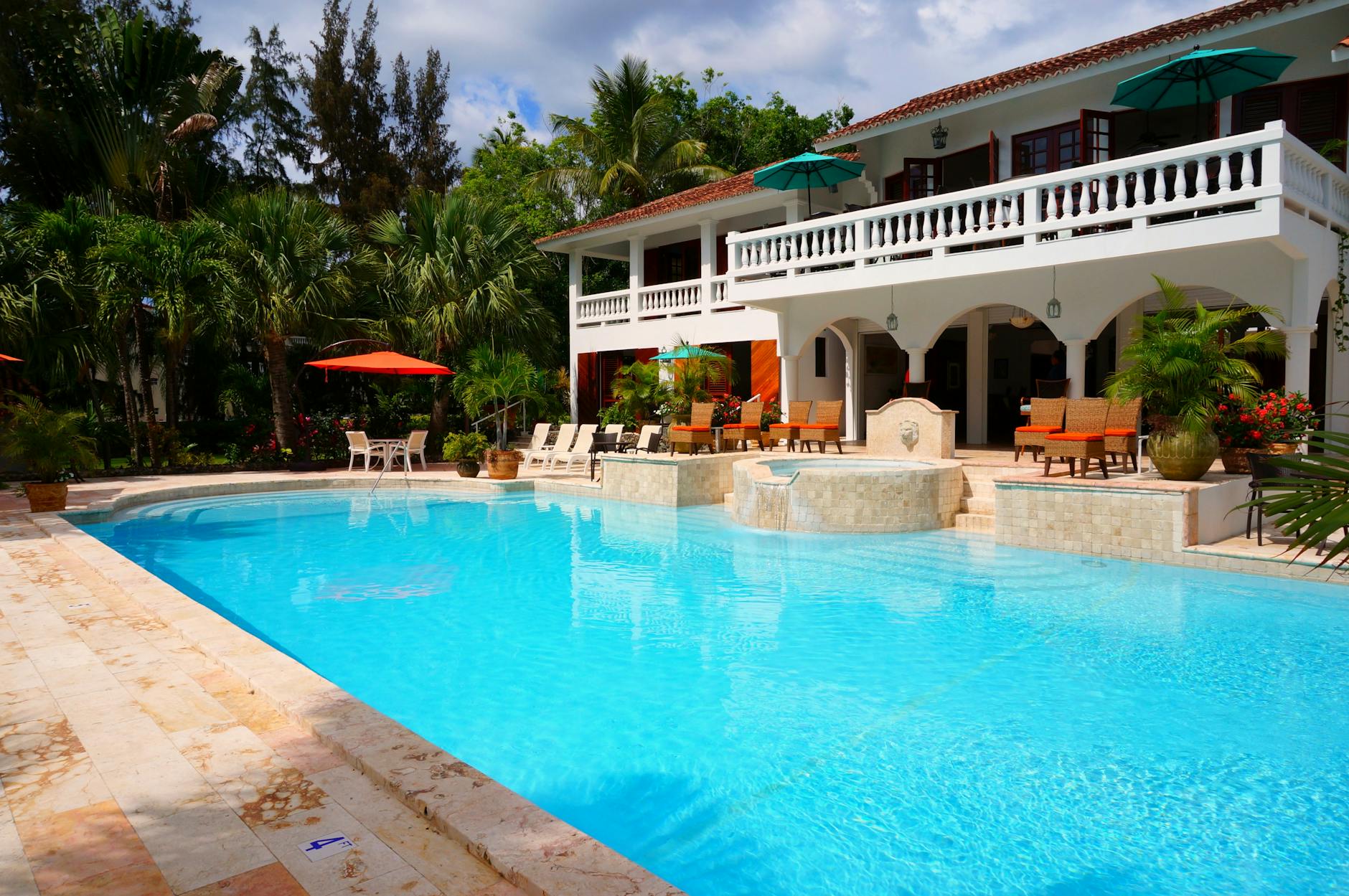
Villa Miami — Coral Gables, Miami.
A comprehensive seller's guide for developers and investors looking to exit pre-construction positions in Coral Gables, covering luxury condo closing costs, assignment strategies, and how to position remaining inventory for maximum return in Miami's high-end market.
Why Coral Gables Is a Distinct Market for Pre-Construction Exit Strategy
Coral Gables occupies a singular position in Miami's luxury real estate ecosystem. Unlike the high-velocity, investor-heavy towers along Brickell Avenue or the flash-and-fashion appeal of Edgewater, Coral Gables attracts a buyer profile defined by permanence — established professionals, Latin American families seeking long-term U.S. residency anchors, and high-net-worth individuals who value discretion, tree-lined streets, and architectural heritage. For a developer or bulk-unit holder looking to offload remaining pre-construction inventory, this buyer psychology demands a fundamentally different approach than a downtown Miami sell-out campaign.
The City Beautiful's regulatory environment also distinguishes it from the broader Miami-Dade market. Coral Gables enforces its own architectural review standards, height restrictions, and Mediterranean Revival design guidelines that limit the supply pipeline far more aggressively than neighboring municipalities. This supply constraint is a double-edged sword for sellers: it supports long-term pricing power, but it also means that competing projects are not necessarily obvious comparables, and aggressive discounting to move remaining units can meaningfully damage a project's resale reputation among the city's tight-knit real estate community. Developers clearing final inventory here must be surgical, not blunt.
Understanding Luxury Condo Seller Closing Costs in Miami: A Developer's Full Picture
One of the most commonly underestimated elements of a pre-construction exit is the true net proceeds after closing costs are accounted for. In Miami's luxury condo market, seller-side closing costs are meaningfully higher than in many comparable U.S. cities, and developers offloading multiple units simultaneously need to model these costs at scale. The most significant line item is typically the real estate commission, which for luxury product is often negotiated in the 4–6% range depending on co-brokerage arrangements, though developer bulk-sale agreements sometimes involve alternative fee structures. Documentary stamp taxes — Florida's version of a real estate transfer tax — are levied on the deed at a rate set by the state and applied to the contract price, and for luxury product transacting in the millions, this cost is not trivial.
Beyond stamps and commissions, sellers should anticipate title insurance (the seller customarily pays for the owner's policy in Miami-Dade), attorney fees, any outstanding HOA estoppel fees, and in the case of pre-construction assignments, any assignment transfer fees or restrictions embedded in the original purchase agreement. Developers should also account for the cost of maintaining unsold units — carrying costs including HOA assessments, property taxes on completed but unsold inventory, and insurance — which accumulate monthly and make the timeline to exit a direct financial variable, not merely a strategic preference. Modeling a true net-proceeds figure for each remaining unit before setting list prices is essential.
For assignments — where the developer or investor is selling their contract position prior to closing rather than the completed unit itself — the cost structure shifts somewhat. Documentary stamp taxes may be calculated differently depending on how the assignment is structured, and buyers of assignments may require additional due diligence periods or financing contingencies that alter the timeline. Engaging a Miami real estate attorney with specific pre-construction assignment experience is not optional at this stage; it is a foundational requirement for a clean exit.
Positioning Remaining Inventory: Timing, Pricing, and the Art of the Soft Exit
Denis Smykalov, broker at Wolsen Developments, notes that sellers in Coral Gables who price their remaining pre-construction units relative to the project's delivered value — not the original sales launch pricing — tend to achieve stronger outcomes. 'The difference between a good exit and a great one in this market often comes down to timing and positioning,' he says. 'Buyers at this price point in Coral Gables are sophisticated. They know when a developer is trying to clear units versus when a seller genuinely believes in the product's long-term value. The narrative you build around the exit matters as much as the number on the contract.'
Timing relative to project construction milestones is one of the most controllable levers a developer has. Inventory sold after a project receives its Temporary Certificate of Occupancy (TCO) — when buyers can physically walk the unit — consistently commands stronger pricing than inventory sold on renderings or during the construction phase, because the perceived risk premium disappears. For Coral Gables projects specifically, where buyers tend to be less speculative than in downtown Miami, this milestone is often the trigger point that converts long-standing leads into signed contracts. Developers who hold their most desirable remaining units through this inflection point, rather than discounting pre-TCO, frequently report better blended average pricing across the sell-out.
The channel strategy for moving remaining Coral Gables luxury inventory should lean heavily on the city's co-broker community. Coral Gables has a dense, relationship-driven broker ecosystem — many representing the same families and executives across multiple transactions over decades. Structured broker incentive programs, private broker previews, and exclusivity arrangements that give top-producing local agents a first-look window before a unit goes broadly to market can accelerate absorption without the reputational cost of a public price reduction. Quiet marketing to a curated buyer list, executed through the right brokerage relationships, is often more effective than any digital campaign for the final units in a Coral Gables tower.
The Villa Miami Context: What Ultra-Luxury Benchmark Projects Signal for Coral Gables Sellers
The emergence of landmark ultra-luxury projects elsewhere in Miami creates a useful reference frame for developers selling in Coral Gables. Villa Miami, the Waterfront ultra-luxury residential tower developed in collaboration with Major Food Group, represents a category of product — boutique unit counts, celebrity-chef amenity programming, and per-square-foot pricing that redefines the ceiling of Miami luxury — that has meaningfully shifted buyer expectations about what premium pricing buys in this market. When buyers are comparing a Coral Gables pre-construction unit against projects like this, the conversation shifts from absolute price to value per dollar and lifestyle proposition.
For Coral Gables developers, this benchmark dynamic cuts in a favorable direction. Coral Gables cannot and does not compete with bayfront ultra-luxury on location or spectacle, but it competes extremely well on lifestyle coherence, neighborhood permanence, walkability, school quality, and the specific appeal of a self-contained city with its own governance and aesthetic identity. Sellers who articulate this lifestyle differentiation clearly — rather than attempting to position Coral Gables product on a per-square-foot comparison basis against waterfront towers — tend to find buyers who are genuinely committed to the neighborhood rather than buyers arbitraging among asset classes. That buyer commitment translates directly into cleaner contracts, stronger deposits, and fewer failed closings.
Assignment Sales vs. Closing and Resale: Which Exit Path Is Right for Your Remaining Units?
Developers holding remaining pre-construction inventory in Coral Gables face a structural decision that compounds over time: sell the contract position via assignment before closing, or take the unit to title, absorb the carrying costs, and sell as a completed resale. Each path carries distinct cost, timing, and market positioning implications. Assignments are attractive because they eliminate the carrying cost exposure — no HOA dues, no property taxes on a closed unit, no insurance liability on developer-owned inventory — and they allow the original contract economics (including any favorable pre-construction pricing) to flow through to the buyer as part of the value proposition. However, assignment buyers are a narrower pool than resale buyers, particularly in Coral Gables where end-user demand outweighs investor demand.
Resale of a completed, developer-owned unit has the advantage of a broader buyer pool and the ability to stage, photograph, and present a fully realized product. In a market where Coral Gables buyers are often making lifestyle decisions, not pure investment decisions, the ability to experience a finished space is a meaningful conversion tool. The trade-off is that every month the unit sits on the developer's balance sheet post-closing is a month of carrying costs that erodes net proceeds. Developers should model a realistic days-on-market projection for their specific unit mix — accounting for floor, view, size, and price point — and calculate the breakeven point between assignment proceeds today and resale proceeds after projected carrying costs.
In some cases, a hybrid approach serves developers best: executing assignments on the units with the most investor-friendly profiles (larger floor plans, parking bundled, flexible lease terms in the HOA documents) while taking finished inventory to market for the units most likely to appeal to owner-occupiers. This segmentation allows the developer to clear the assignable inventory quickly through investor channels while building a narrative of organic demand around the owner-occupier units — which, if marketed carefully, can sustain or even improve pricing on the remaining sell-out.
Working With a Miami Luxury Broker to Execute a Clean Developer Sell-Out
Executing a developer sell-out of remaining pre-construction inventory in Coral Gables is a materially different engagement than listing a single resale unit. The broker team needs to function as a transaction management operation — coordinating the developer's sales attorney, the title company, the HOA on estoppel and approval timelines, co-brokers, and individual buyers simultaneously across multiple units. Developers who treat the final unit sell-out as a straightforward listing exercise frequently encounter coordination failures that delay closings, trigger contract defaults, or generate reputational damage in the Coral Gables broker community that affects future projects.
The right brokerage partner for a Coral Gables developer sell-out brings three specific capabilities: a deep existing relationship network within the Coral Gables and broader Miami luxury buyer community, transactional fluency with pre-construction contracts and assignment documentation, and a track record of managing multi-unit developer engagements where the sell-out pace and average pricing both matter — not just the speed of individual closings. Developers should interview prospective brokers specifically on their experience with sell-out engagements, ask for references from comparable projects, and ensure the fee structure aligns the broker's incentives with the developer's goal of strong blended pricing rather than simply fast volume.
Finally, documentation and disclosure hygiene is non-negotiable for a Coral Gables developer sell-out. The Florida Condominium Act imposes specific disclosure requirements on developers, and buyers' attorneys in the Coral Gables market are diligent in reviewing developer disclosure packages, financials, and HOA reserve studies. Any gaps or delays in producing required documentation will slow closings and can provide buyers with contractual exit rights. Developers should conduct a pre-market documentation audit with their real estate attorney before accepting any contracts on remaining inventory, ensuring that the closing process is as smooth and predictable as the marketing effort that precedes it.
Frequently Asked Questions
What are the typical seller closing costs for a luxury condo in Miami?
Seller closing costs in Miami's luxury condo market typically include real estate commissions (commonly 4–6%), Florida documentary stamp taxes on the deed, the owner's title insurance policy (customarily paid by the seller in Miami-Dade), attorney fees, and HOA estoppel fees. For high-value properties transacting in the millions, these costs can represent a meaningful percentage of gross proceeds, and developers selling multiple units should model them per unit before setting list prices.
Can a developer sell a pre-construction condo contract via assignment in Coral Gables?
Yes, pre-construction contract assignments are possible in Coral Gables, but the terms depend entirely on the original purchase agreement — some developer contracts restrict or prohibit assignments, while others permit them with or without a transfer fee. Sellers should review their purchase agreement and consult a Miami real estate attorney before marketing an assignment, as the cost and tax structure for an assignment sale differs from a standard resale closing.
When is the best time for a developer to sell remaining pre-construction inventory in Coral Gables?
The strongest pricing window for remaining pre-construction inventory in Coral Gables is typically after the project receives its Temporary Certificate of Occupancy (TCO), when buyers can physically tour finished units. This milestone removes buyer risk perception and is particularly impactful in Coral Gables, where the buyer pool skews toward end-users rather than speculative investors.
How does Coral Gables differ from other Miami luxury markets for developer sell-outs?
Coral Gables has a more conservative, lifestyle-driven buyer profile than Brickell or Edgewater, meaning buyers prioritize neighborhood permanence, school quality, and architectural character over investment velocity. This requires developers to lead with lifestyle positioning rather than investment return narratives, and to work closely with the city's tight-knit co-broker community rather than relying on broad digital marketing campaigns.
What are Florida documentary stamp taxes and how do they affect a luxury condo seller?
Florida documentary stamp taxes are a state-level transfer tax applied to the sale price recorded on the deed. For sellers of luxury condos in Miami-Dade County, these stamps are calculated on the contract price and represent a real closing cost that must be factored into net-proceeds projections. The specific rate is set by Florida statute and should be confirmed with a real estate attorney at the time of sale.
Is it better for a developer to sell remaining units as assignments or as completed resales?
The optimal path depends on each unit's profile and the developer's carrying cost exposure. Assignments eliminate ongoing carrying costs but attract a narrower investor buyer pool. Resale of completed units reaches a broader end-user audience but accumulates HOA dues, property taxes, and insurance monthly. Developers often use a hybrid approach — assigning investor-profile units quickly while marketing completed units to owner-occupiers at sustained pricing.
How does a project like Villa Miami influence buyer expectations in Coral Gables?
<a href="/developments/villa-miami">Villa Miami</a> and similar ultra-luxury benchmark projects raise the ceiling on per-square-foot pricing expectations across Miami's luxury market, prompting buyers to evaluate what premium pricing delivers in any given neighborhood. Coral Gables sellers benefit by emphasizing lifestyle differentiation — governance, walkability, heritage architecture, and neighborhood permanence — rather than competing directly on per-square-foot metrics against waterfront ultra-luxury towers.
What role does a luxury broker play in a developer's Coral Gables sell-out?
A luxury broker managing a developer sell-out in Coral Gables must coordinate multiple simultaneous transactions, manage co-broker relationships, oversee documentation compliance under the Florida Condominium Act, and sustain pricing discipline across the remaining unit mix. The right broker brings existing buyer relationships, pre-construction transactional fluency, and multi-unit sell-out experience — not just the ability to list and show individual units.
Do sellers pay real estate commissions in Florida luxury condo transactions?
In Florida, real estate commissions are typically paid by the seller from proceeds at closing and are negotiated as part of the listing agreement. For luxury condos in Miami, commissions are often in the 4–6% range, though developer bulk-sale arrangements may involve alternative fee structures. Sellers should clarify commission terms and co-brokerage splits before signing a listing or developer representation agreement.
What documentation should a Coral Gables developer prepare before selling remaining pre-construction inventory?
Before accepting contracts on remaining inventory, developers should ensure their Florida Condominium Act disclosure package is current, including the prospectus, HOA financial statements, reserve study, and any material amendments to the declaration or bylaws. Buyers' attorneys in Coral Gables are thorough in their review, and documentation gaps can trigger contractual exit rights or delay closings. A pre-market documentation audit with a real estate attorney is strongly recommended.
Ready to Take the Next Step?