1031 exchange Miami · Brickell luxury condos · luxury condo seller guide · Mandarin Oriental Residences Miami · Miami luxury real estate
Miami Luxury Condo Seller's Guide: How to Do a 1031 Exchange Into Brickell and What to Expect on Timeline
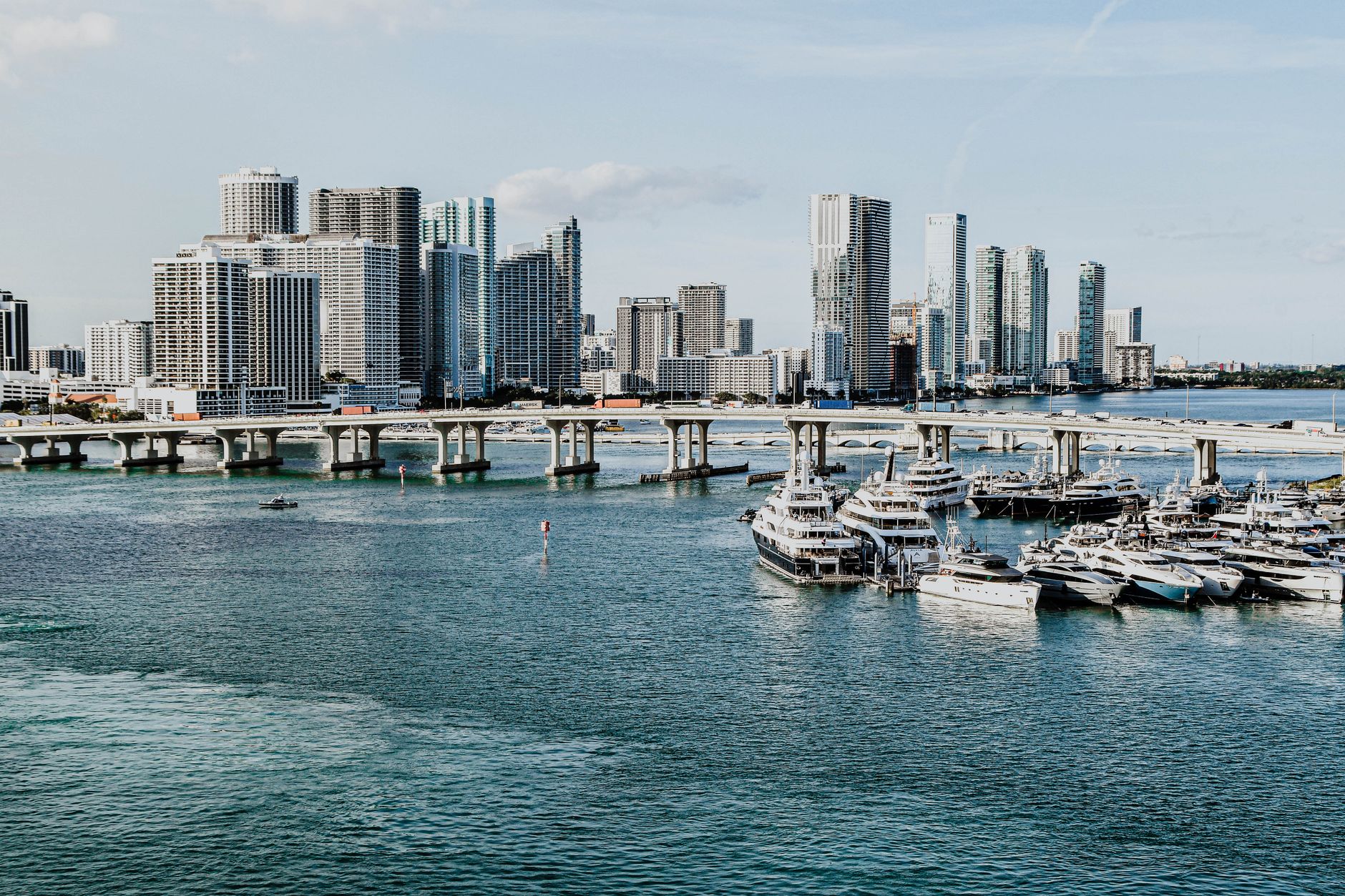
Mandarin Oriental Residences — Brickell, Miami.
If you own a luxury investment property and are considering a 1031 exchange into a new Brickell residence, understanding realistic sale timelines, exchange deadlines, and the right target properties — including options like Mandarin Oriental Residences — is critical to protecting your tax deferral.
Why Brickell Is a Prime 1031 Exchange Destination for Luxury Sellers
Brickell has evolved from Miami's financial district into one of the most coveted luxury residential corridors in the southeastern United States. For sellers executing a 1031 exchange, the neighborhood offers something rare: a deep inventory of high-value replacement properties that can absorb exchange capital at scale. Whether you are rolling proceeds from a commercial asset, a multifamily building, or a luxury condo in another market, Brickell's trophy towers — including ultra-prime developments like Mandarin Oriental Residences — represent compelling like-kind replacement candidates.
The appeal is not purely emotional. Brickell commands some of the highest price-per-square-foot figures in Miami, and demand from international buyers, corporate relocations, and high-net-worth domestic migrants has remained consistently strong. For a seller seeking a replacement property that holds long-term appreciation potential while satisfying IRS like-kind requirements, Brickell checks the fundamental boxes. The concentration of new and pre-construction inventory also gives exchangers flexibility to structure deals that align with strict 1031 timelines.
How Long Does It Take to Sell a Luxury Condo in Brickell?
The honest answer is: it depends heavily on pricing strategy, property condition, and market timing — but sellers of luxury condos in Brickell should plan for an average marketing period of 60 to 180 days from listing to contract. Ultra-luxury units priced above $3 million can extend beyond that range, particularly if the floor plan, views, or building amenities are not distinctly competitive. Properties that are priced within 5% of true market value and are professionally staged and marketed tend to attract qualified buyers significantly faster than overpriced listings that sit and accumulate days-on-market.
For a seller doing a 1031 exchange, this timeline has significant strategic implications. The IRS requires you to identify your replacement property within 45 days of closing on your relinquished property and to close on the replacement within 180 days. If your Brickell condo takes four to six months to sell, you will be in a time crunch the moment you close. This is why experienced exchange sellers often work backward from the 45-day identification deadline, preparing their replacement property shortlist — including pre-construction options like Mandarin Oriental Residences — before the relinquished property even goes under contract.
The 1031 Exchange Process for Miami Luxury Sellers: A Step-by-Step Overview
A 1031 exchange begins the moment you decide to sell a property held for investment or business use and intend to defer capital gains taxes by reinvesting the proceeds into a like-kind property. The first practical step is engaging a qualified intermediary — a neutral third party who holds your sale proceeds during the exchange period so you never take constructive receipt of the funds. Selecting your intermediary before you list your relinquished property is strongly advised, as the exchange agreement must be in place before closing.
Once your relinquished property closes, the clock starts. You have 45 calendar days to formally identify up to three replacement properties in writing to your intermediary, or you may use the 200% rule or 95% rule for broader identification. For Brickell luxury buyers, this phase requires knowing the market deeply: understanding which buildings have closable inventory, which pre-construction projects have contract structures compatible with exchange timelines, and whether a unit like those offered at Mandarin Oriental Residences can accommodate the deal velocity your exchange demands. The final 180-day deadline for closing on replacement property is absolute — there are very few IRS exceptions.
Working with a Miami luxury broker who understands 1031 logistics is not optional — it is essential. The difference between a successful exchange and a failed one often comes down to whether your listing agent priced and marketed your property to close within a window that gives you enough runway to secure the right replacement. Sellers should discuss exchange intent with their broker from the very first conversation, not after they are already under contract.
Mandarin Oriental Residences Brickell: A Closer Look for Exchange Buyers
Mandarin Oriental Residences represents a category of ultra-branded luxury living that has historically attracted both end-users and investors seeking trophy assets. For a 1031 exchange buyer targeting Brickell, a development of this caliber offers the price-point depth necessary to absorb significant exchange capital — a critical factor when exchangers are rolling in seven-figure or eight-figure proceeds and need a replacement asset that qualifies as like-kind under IRS guidelines. The branding, amenity programming, and anticipated long-term value retention make it a logical consideration for a seller building out their identification list.
It is important for exchange buyers to understand that pre-construction assignments can be structured in ways that either support or complicate a 1031 exchange, depending on timing, contract language, and when economic ownership is deemed to transfer. Sellers interested in using a pre-construction unit as a replacement property should review the purchase agreement carefully with their qualified intermediary and a tax advisor experienced in real estate exchanges. Not every pre-construction structure qualifies seamlessly, but with proper planning, many can be made to work — especially in developments with phased closing timelines.
Pricing Strategy and Off-Market Options for Brickell Sellers
For sellers in a 1031 exchange scenario, pricing discipline on the relinquished property is not just about maximizing proceeds — it is about controlling time. An overpriced Brickell condo that lingers on the market for nine months will destroy your exchange timeline regardless of how good your replacement property selection is. Luxury sellers in Brickell should request a comparative market analysis that accounts for building-specific absorption rates, active competing inventory, and recent closed sales in the same stack or tier. Pricing within a realistic band from day one will always outperform a strategy that starts high and chases the market down.
Off-market placements are increasingly relevant in Brickell's luxury segment, where discretion matters and qualified buyers — family offices, relocation executives, international purchasers — often transact outside of public MLS exposure. A broker with strong relationships in this space can sometimes close a luxury condo faster through a targeted off-market approach than through a broad public listing, particularly for properties above $2.5 million where the buyer pool is smaller and more relationship-driven. For exchange sellers who need speed without sacrificing price, exploring both channels simultaneously is a strategy worth discussing with your listing broker.
Common Mistakes Miami Luxury Sellers Make in a 1031 Exchange
The most common and costly mistake is failing to plan the exchange before the property sells. Many sellers discover after signing a purchase contract that they have not yet engaged a qualified intermediary, which can invalidate the exchange entirely if the funds are disbursed incorrectly at closing. The intermediary must be in place before the deed transfers — there is no retroactive correction available. Similarly, sellers who do not think about replacement properties until after closing often find themselves scrambling to identify viable options in a 45-day window that feels impossibly short in Miami's competitive luxury market.
Another frequent error is underestimating the equity requirements on the replacement side. To achieve a full tax deferral, you must reinvest all net proceeds and acquire replacement property of equal or greater value than your relinquished property. Sellers who plan to 'trade down' or extract cash from the exchange will incur partial tax liability on what the IRS calls 'boot.' In Brickell's high-price-per-square-foot environment, this is rarely a problem for sellers rolling in from lower-cost markets — but it must be modeled carefully before you commit to a replacement property that may leave exchange proceeds partially unused.
Finally, sellers often overlook the importance of aligning their qualified intermediary, tax advisor, real estate attorney, and listing broker into a coordinated team from the outset. A 1031 exchange is not a real estate transaction with a tax footnote — it is a tax strategy executed through a real estate transaction. The distinction matters enormously when deadlines are absolute and the stakes are seven figures or more.
Frequently Asked Questions
How long does it take to sell a luxury condo in Brickell, Miami?
Most luxury condos in Brickell priced correctly sell within 60 to 180 days of listing. Ultra-luxury units above $3 million or those in buildings with high competing inventory may take longer. Pricing accuracy, professional presentation, and marketing reach are the primary variables that compress or extend this timeline.
Can I do a 1031 exchange if I am selling a luxury condo in Miami?
Yes, provided the condo has been held for investment or business purposes — not as a primary residence or personal vacation home. The property must qualify as investment property under IRS guidelines, and you must use a qualified intermediary before closing to ensure proceeds are handled correctly.
What is the 45-day identification rule in a 1031 exchange and how does it affect Brickell sellers?
Once your relinquished property closes, you have exactly 45 calendar days to identify up to three potential replacement properties in writing to your qualified intermediary. For Brickell sellers, this means your replacement property shortlist — including any new construction or pre-construction options — should be researched and ready before your sale even closes.
Can a pre-construction condo like Mandarin Oriental Residences serve as a 1031 exchange replacement property?
Pre-construction units can potentially qualify as 1031 exchange replacement properties, but the structure of the purchase contract and the timing of economic ownership transfer are critical. You should review the specific contract terms with your qualified intermediary and a tax advisor experienced in real estate exchanges before identifying it as your replacement property.
Should I tell my listing broker I am doing a 1031 exchange before I list my Brickell condo?
Absolutely yes. Your exchange intent should be disclosed to your listing broker from the very first conversation so they can design a pricing and marketing strategy that produces a closing timeline compatible with your 45-day and 180-day deadlines. Denis Smykalov at Wolsen Developments advises sellers in this situation to begin building their replacement property shortlist in Brickell before they even go under contract — his team handles both on-market listings and discreet off-market placements in Brickell, which gives exchange sellers maximum flexibility on both the sell side and the buy side.
What happens if I cannot close on my replacement property within 180 days?
If you fail to close on your identified replacement property within 180 calendar days of your relinquished property closing, the exchange fails and the full capital gain becomes taxable in the year of the sale. There are very limited IRS exceptions, such as federally declared disasters. The 180-day deadline is effectively absolute.
Do I need to reinvest all of my sale proceeds to defer all taxes in a 1031 exchange?
Yes. To achieve a complete tax deferral, you must reinvest all net proceeds from your sale and acquire replacement property of equal or greater value. Any proceeds you receive or any difference in value — called 'boot' — will be taxable in the year of the exchange. Partial exchanges are possible but will result in partial tax liability.
Is Brickell a good market for 1031 exchange replacement property?
Brickell is considered one of Miami's strongest luxury markets for exchange replacement property because of its deep trophy inventory, consistent demand from domestic and international buyers, and long-term appreciation trajectory. The concentration of high-value new development also means exchange buyers can often find assets that absorb significant capital while meeting like-kind requirements.
What is 'boot' in a 1031 exchange and how do I avoid it in a Brickell purchase?
Boot refers to any value received during an exchange that is not reinvested into like-kind property — including cash proceeds, mortgage debt relief, or a replacement property of lesser value. To avoid boot, your replacement property should be of equal or greater value than your relinquished property and you should reinvest all net exchange proceeds at closing.
How do I find a qualified intermediary for a Miami 1031 exchange?
A qualified intermediary must be an independent third party — not your attorney, accountant, real estate broker, or anyone who has acted as your agent in the past two years. Many national exchange companies operate in Florida. Your real estate attorney or CPA specializing in investment real estate can typically provide referrals to reputable qualified intermediaries with experience in Miami luxury transactions.
Ready to Take the Next Step?