North Beach · foreign national seller · luxury condo Miami · Miami real estate seller guide · Mandarin Oriental Residences · FIRPTA Miami
Miami Luxury Condo Seller's Guide for Foreign Nationals Liquidating a North Beach Investment Property
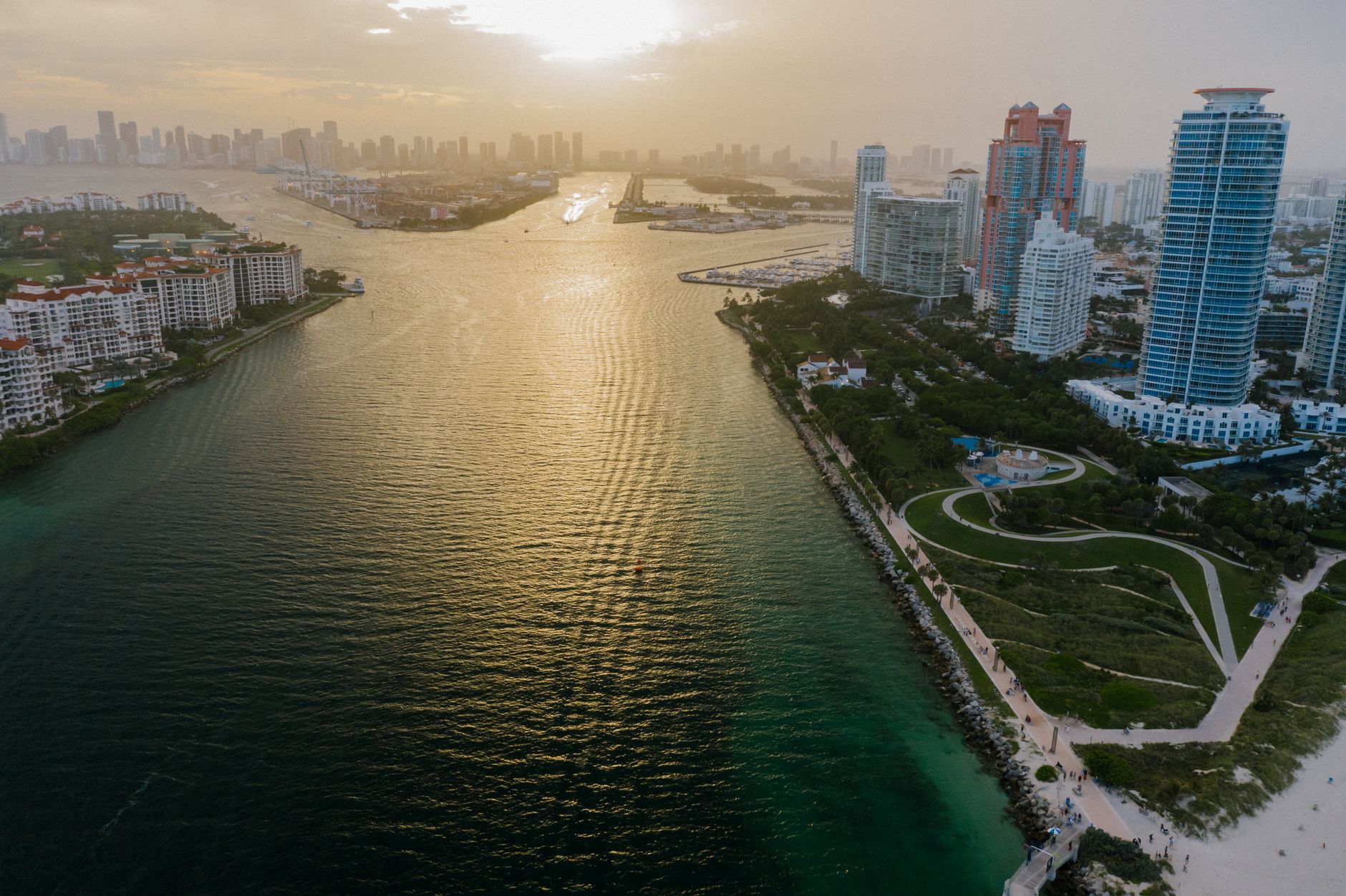
Mandarin Oriental Residences — North Beach, Miami.
If you're a foreign national looking to sell a luxury condo in Miami's North Beach — whether at a landmark address like Mandarin Oriental Residences or another premier building — understanding market timing, tax obligations, and positioning strategy is essential to maximizing your return.
Why North Beach Has Become a Priority Exit Market for International Investors
Miami's North Beach corridor has quietly evolved from a overlooked stretch between South Beach and Bal Harbour into one of the city's most compelling luxury submarkets. For foreign national investors who acquired condos here during the pre-construction wave of the late 2010s and early 2020s, the current landscape presents a meaningful opportunity: rising valuations, strengthening rental histories, and a buyer pool that has expanded well beyond domestic purchasers. Institutional capital and ultra-high-net-worth buyers from Latin America, Europe, and the Middle East are actively targeting well-positioned North Beach units — particularly those in branded residences and oceanfront towers.
Liquidating a Miami luxury investment property as a foreign national, however, is not as straightforward as a domestic sale. The process involves navigating FIRPTA withholding requirements, currency repatriation considerations, and the nuances of a market where buyer perception of a listing's pricing and presentation can dramatically affect both time-on-market and final sale price. Understanding all of these variables before you engage a broker — or accept an offer — is what separates a good exit from an exceptional one.
Best Time of Year to Sell a Luxury Condo in Miami's North Beach
Miami's luxury real estate market does not follow a traditional seasonal arc the way northern U.S. cities do. That said, there are distinct windows within the calendar year when buyer activity in the upper price brackets peaks, and sellers who align their listing with those windows tend to see stronger demand, fewer days on market, and less downward pressure on price. The primary high-season window runs from roughly mid-November through late April — the months when seasonal residents, northern snowbirds, and international buyers converge on Miami. Demand from European and Latin American buyers tends to spike during the December-to-March window in particular, as favorable exchange rates and holiday travel bring qualified purchasers into the market.
A secondary window of opportunity has emerged in the late summer and early fall — particularly September and October — driven by buyers who missed the spring season and are motivated to close before year-end for tax planning purposes. For luxury condos specifically, this secondary window can be surprisingly active at the top of the market, where buyers are less price-sensitive and more focused on product availability. Sellers who avoid the early-summer lull (May through August) and list strategically in either the primary or secondary windows will generally find the most receptive buyer pools. Timing a listing also means accounting for the time required to prepare the unit, gather HOA documentation, and price the property correctly — ideally four to eight weeks of preparation before going live.
Denis Smykalov, broker at Wolsen Developments, notes that sellers in North Beach who invest in professional staging and full financial disclosure packages before listing tend to achieve stronger outcomes. 'The difference between a good exit and a great one in this market often comes down to timing and positioning,' he says. 'A well-prepared unit that hits the market in October or November, priced to reflect true comparable sales rather than aspirational asking prices, captures the attention of buyers who are ready to move quickly — and those are the buyers who close.'
FIRPTA, Withholding, and Tax Obligations for Foreign National Sellers
The Foreign Investment in Real Property Tax Act — commonly known as FIRPTA — requires that buyers of U.S. real property from foreign persons withhold a percentage of the gross sales price and remit it to the IRS. For foreign national sellers of investment property in Miami, this is one of the most consequential financial considerations in the transaction. The withholding rate can be substantial, though it is applied against the gross sales price rather than the net gain — meaning the actual withholding amount can significantly exceed your capital gains tax liability. Foreign sellers should engage a U.S.-based tax attorney or CPA who specializes in international real estate transactions well before listing, as there are legitimate mechanisms to reduce or adjust the withholding amount through IRS withholding certificate applications.
Beyond FIRPTA, foreign national sellers must also consider Florida's lack of a state income tax (a genuine advantage), potential treaty benefits depending on their country of residence, and how the proceeds will be repatriated. Countries with U.S. tax treaties may offer reduced withholding or alternative treatment of gains — your tax advisor will need to assess your specific situation. It is also worth noting that if the property was held through a foreign corporation, LLC, or trust structure, the tax treatment can differ substantially from individual ownership. These structural considerations should be reviewed and, if necessary, unwound or optimized before you go to contract.
Positioning Your North Beach Condo for the International Buyer Pool
Luxury condo buyers in North Beach — particularly at flagship addresses like Mandarin Oriental Residences — are drawn by brand prestige, lifestyle amenities, and the perception of exclusivity. As a seller, your presentation strategy needs to speak directly to those motivations. Professional photography and videography are non-negotiable at this price point; drone footage of the ocean views and building exterior, along with twilight interior shots and a cinematic video walk-through, form the foundation of a competitive marketing package. Many buyers viewing luxury properties remotely — a common scenario with international purchasers — will make decisions based almost entirely on digital content before ever visiting in person.
Pricing discipline is equally critical. North Beach luxury condos are not immune to appraisal gaps or over-inflated asking prices that languish on the market and ultimately sell at a greater discount than a correctly priced listing would have commanded from the start. Sellers should request a thorough comparative market analysis that accounts not just for price per square foot but for floor, view corridor, finishes, and building amenity quality. Foreign nationals should also be aware that certain buyer financing structures — including EB-5 visa-related purchases or buyers using foreign income for qualification — may add complexity to the closing timeline, and your broker should be experienced enough to vet buyers accordingly.
Rental history, if the unit has been used as an investment property, is a significant selling point and should be presented clearly in the offering materials. Verified rental income data, occupancy rates, and any management agreements in place can transform a condo from 'unit for sale' to 'performing asset' in the eyes of yield-seeking buyers. This is especially relevant in buildings with flexible rental policies, where the investment thesis is clear and quantifiable.
Understanding the Role of Branded Residences in North Beach's Luxury Market
The emergence of branded residence projects in North Beach has materially changed the dynamics of the local luxury condo market. Developments anchored by globally recognized hospitality brands carry a pricing premium over comparable unbranded product — a premium that has historically held firm even in softer market conditions. For sellers at addresses like Mandarin Oriental Residences, this brand equity is a genuine asset that should be central to the marketing narrative. Buyers who are cross-shopping multiple markets — comparing Miami to Dubai, Singapore, or São Paulo, for example — often find that a Mandarin Oriental or similar five-star branded address provides a recognizable benchmark of quality that reduces perceived risk.
The branded residence premium also tends to support stronger price-per-square-foot outcomes at resale relative to the broader submarket. However, sellers should be aware that HOA fees at branded residences are correspondingly higher, and buyers will factor total carrying costs into their offers. Transparency about assessments, reserves, and fee structures is essential — buyers in this segment conduct thorough due diligence, and surprises in the disclosure documents will create friction or price renegotiations at the worst possible moment in the transaction.
Choosing the Right Broker and Closing Team for a Cross-Border Sale
Selling a luxury condo in Miami as a foreign national is inherently a cross-border transaction, and the broker and professional team you assemble should reflect that complexity. Your listing broker should have demonstrated experience with international sellers — not just international buyers — and should understand the mechanics of FIRPTA, the documentation requirements for foreign-owned entities, and how to manage a transaction where the seller may be signing remotely, using foreign-notarized documents, or coordinating across multiple time zones. The ability to communicate fluently in multiple languages is a meaningful advantage in a market as globally connected as North Beach.
Beyond the broker, your closing team should include a title company experienced with foreign national transactions, a real estate attorney who can advise on entity structure and contract terms, and the tax professional discussed earlier. Wire instructions and fund verification protocols are particularly important when both buyer and seller may be wiring from international accounts — your title company and attorney should have robust anti-fraud procedures in place. A well-coordinated team, assembled before you list rather than scrambling once you go under contract, is the single most reliable way to ensure a smooth closing on a cross-border luxury sale.
Frequently Asked Questions
What is the best time of year to sell a luxury condo in Miami's North Beach?
The strongest window for listing a luxury condo in North Beach runs from mid-November through late April, when seasonal residents, international buyers, and snowbirds are most active in Miami. A secondary opportunity exists in September and October for motivated year-end buyers. Sellers should avoid the early-summer lull from May through August when luxury buyer activity slows significantly.
What is FIRPTA and how does it affect foreign nationals selling property in Miami?
FIRPTA — the Foreign Investment in Real Property Tax Act — requires buyers to withhold a percentage of the gross sales price when purchasing U.S. real estate from a foreign person and remit it to the IRS. The withholding applies to the gross price, not the net gain, so it can exceed the seller's actual tax liability. Foreign sellers can apply for an IRS withholding certificate to reduce or adjust the amount, and should work with a U.S. tax professional experienced in international real estate before listing.
Do foreign nationals pay capital gains tax when selling a luxury condo in Florida?
Foreign nationals selling investment property in the U.S. are generally subject to federal capital gains tax on the gain from the sale, with FIRPTA withholding serving as a prepayment mechanism. Florida has no state income tax, which is an advantage for sellers. Treaty benefits may be available depending on the seller's country of residence, so consulting a U.S. tax advisor familiar with international real estate is essential.
What selling price premium do branded residences like Mandarin Oriental command in North Beach?
Branded residences in Miami's luxury market typically command a measurable price-per-square-foot premium over comparable unbranded product in the same submarket, driven by five-star service reputations, global brand recognition, and curated amenity offerings. This premium has historically shown resilience during market corrections. Sellers at branded addresses should ensure their marketing clearly communicates the brand value proposition to attract buyers cross-shopping internationally.
Can a foreign national sell a Miami condo remotely without being present at closing?
Yes, foreign nationals can sell Miami real estate without being physically present at closing. The process typically involves remote notarization of documents, foreign apostille requirements depending on the country of residence, and coordination with the title company and closing attorney. Sellers should confirm their specific documentation requirements well in advance of the scheduled closing date to avoid delays.
How long does it typically take to sell a luxury condo in North Beach Miami?
Days on market for luxury condos in North Beach vary considerably based on pricing, building, and seasonality, but well-priced and well-presented units in desirable buildings during peak season can go under contract in a matter of weeks. Overpriced listings or properties marketed during the summer off-season may sit for several months. Foreign national sellers should also factor in additional time for FIRPTA documentation and potential withholding certificate processing.
What documents does a foreign national need to sell a luxury condo in Miami?
Foreign national sellers generally need to provide government-issued photo identification, proof of ownership or entity documentation if held through an LLC or corporation, FIRPTA-related certifications and withholding documentation, HOA financial records, and any existing lease agreements if the property is rented. Working with a real estate attorney and experienced title company will ensure all documentation is gathered correctly and on schedule.
Should I stage my North Beach luxury condo before listing it for sale?
Professional staging is strongly recommended for luxury condos in North Beach, particularly at branded or high-profile addresses where buyer expectations are elevated. Staged properties consistently photograph better, present a clearer lifestyle vision for remote buyers, and tend to sell faster and at stronger prices than vacant or owner-furnished units. At minimum, sellers should invest in professional photography, videography, and drone footage before going live on the market.
What HOA fees should I disclose when selling a branded residence in North Beach?
Sellers are required to disclose full HOA financial information including monthly maintenance fees, special assessments, reserve fund status, and any pending litigation involving the association. At branded residences, fees are typically higher than market average and buyers will scrutinize them carefully. Transparency and complete disclosure documentation prepared in advance will prevent renegotiations or delays once you are under contract.
How do I repatriate sale proceeds from a Miami luxury condo as a foreign national?
Once the transaction closes and FIRPTA withholding is settled, net proceeds can be wired internationally from the title company or your U.S. bank account. Currency conversion timing, wire fees, and any capital controls or reporting requirements in your home country should be reviewed with your financial advisor before closing. Some sellers choose to retain proceeds in a U.S. account temporarily to defer currency conversion decisions.
Ready to Take the Next Step?