La Gorce Island · Miami new construction · short-term rental investment · Florida homestead exemption · Kempinski Residences · luxury branded residences
La Gorce Island Miami New Development Buyer Guide: Short-Term Rental Yield, Tax Advantages & Kempinski Residences
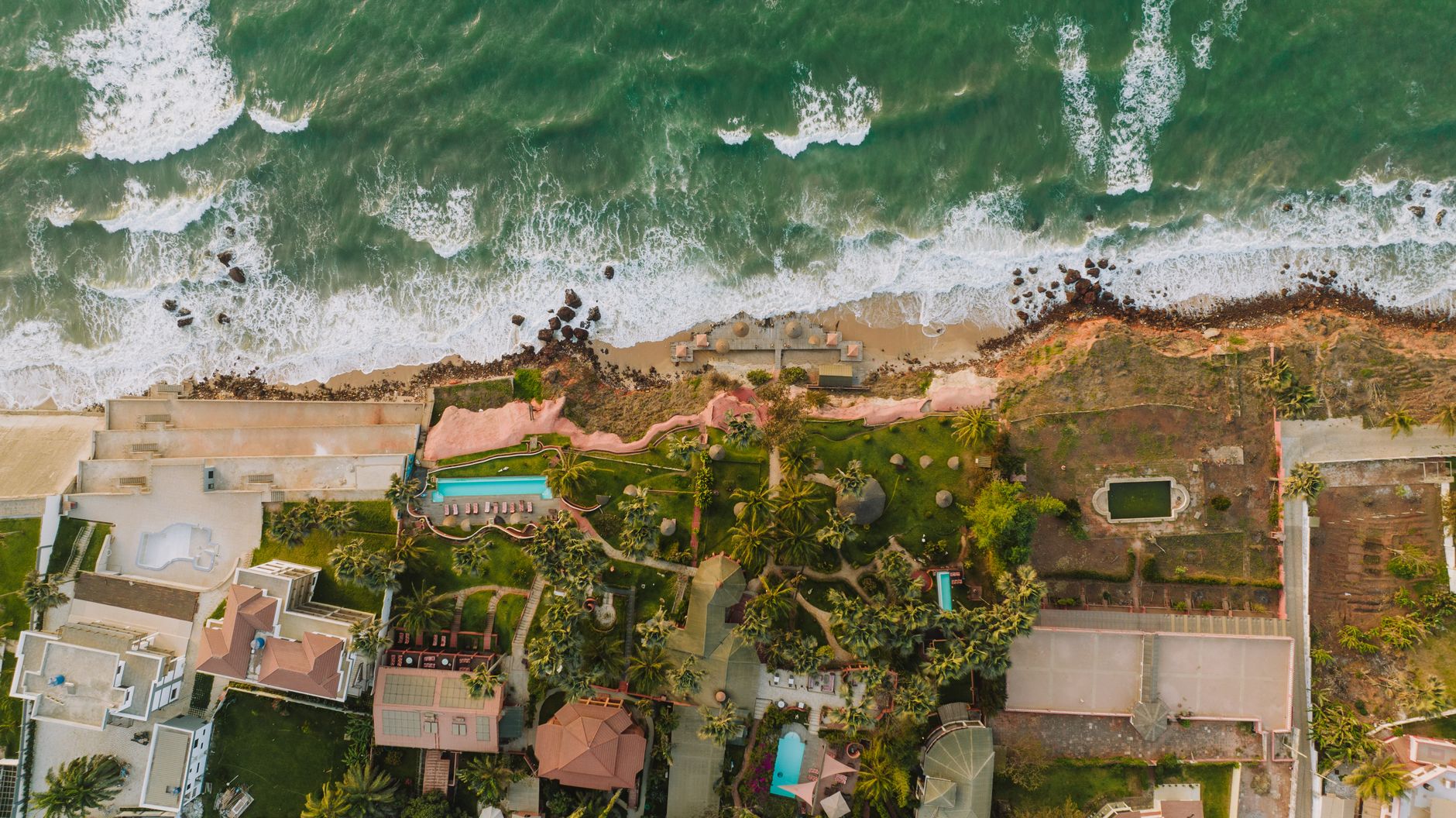
Kempinski Residences — La Gorce Island, Miami.
A comprehensive guide for investors evaluating La Gorce Island as a short-term rental market, covering yield strategy, Florida's primary-residence tax benefits, and what branded residences like Kempinski bring to the equation.
Why La Gorce Island Attracts Yield-Focused Real Estate Investors
La Gorce Island occupies one of Miami Beach's most coveted addresses — a gated, private island community set between the Intracoastal Waterway and Biscayne Bay. Its exclusivity is structural: limited land supply, strict architectural controls, and a resident profile that skews toward ultra-high-net-worth individuals and international buyers. For investors pursuing short-term rental yield, that scarcity translates directly into pricing power. Properties on La Gorce Island can command among the highest nightly rates in the Miami metropolitan area, particularly when presented as turnkey luxury retreats for the hedge-fund, entertainment, and tech-executive traveler segments.
The island's location is also a strategic advantage for occupancy rates. Guests staying at La Gorce Island are minutes from South Beach's nightlife corridor, the Design District's luxury retail, Bal Harbour Shops, and the Wynwood arts scene — yet they experience zero of the noise or street-level congestion those neighborhoods generate. This 'proximity without sacrifice' positioning is extremely appealing to the premium leisure and corporate travel segments that drive revenue per available night. Investors who understand hospitality underwriting recognize that a high average daily rate combined with consistent occupancy — rather than either metric alone — is what produces sustainable yield, and La Gorce Island's fundamentals support both.
New-construction inventory on the island remains deliberately constrained, which means the handful of development opportunities that do emerge attract serious institutional and private-equity attention alongside individual buyers. For an investor entering today, the combination of a supply-restricted asset, a globally recognized luxury address, and Florida's favorable regulatory environment creates a compelling entry thesis that few U.S. markets can replicate at this price point.
Short-Term Rental Dynamics and Yield Strategy in Miami Beach
Miami Beach has some of the most closely regulated short-term rental rules in South Florida. Investors must navigate city ordinances that restrict rentals under six months in certain residential zones and require specific licenses and compliance with noise, occupancy, and registration requirements. La Gorce Island's zoning and homeowners' association covenants add another layer of consideration. Before acquiring any property with a rental income thesis, buyers should engage a Miami-licensed real estate attorney to confirm current permissible use — rules can evolve with municipal elections and commission votes. Working with a brokerage that specializes in new-construction Miami Beach product is essential to accessing this compliance intelligence before you close.
Assuming a property is positioned in a rental-permissible category — or is acquired as part of a branded-residence program that carries its own hotel licensing infrastructure — the yield math on La Gorce Island can be compelling. Luxury short-term rental platforms and white-glove concierge rental management firms active in Miami report that ultra-premium waterfront homes and residences can generate nightly rates well into the four-figure range during peak season, which runs roughly October through April and spikes further during Art Basel, Miami Grand Prix, and major sporting events. Sophisticated investors underwrite a 60–75 percent annual occupancy assumption for stabilized luxury product, understanding that seasonal variability is managed through dynamic pricing rather than year-round flat rates.
One structural advantage of new-construction luxury product over resale is the ability to market the asset with a pristine, photogenic presentation from day one. Rental management data consistently shows that newly delivered, professionally designed residences command a meaningful premium over comparable older inventory on a per-night basis and convert browsing guests to bookings more efficiently. When new construction also carries a globally recognized brand — as is the case with Kempinski Residences — that premium compounds, because the brand provides guests with a hospitality assurance that no independent property can fully replicate.
Florida Primary Residence Tax Advantages: A Meaningful Edge for La Gorce Island Owners
Florida is one of the most tax-favorable states in the United States for high-net-worth individuals, and this dynamic is a primary driver of Miami's continued attraction for domestic relocators from New York, California, Illinois, and Massachusetts. The centerpiece benefit is Florida's complete absence of a state personal income tax, which means rental income, capital gains distributions, and ordinary earnings are not subject to state-level taxation beyond applicable federal obligations. For an investor who also establishes Florida as their legal domicile — making their La Gorce Island property a primary residence — the cumulative annual tax savings compared to high-tax-state equivalents can represent a meaningful yield enhancement on top of whatever the property itself generates.
Florida's Homestead Exemption is the second critical tax advantage available to primary residents. Under the Florida Constitution, a homeowner who designates their Florida property as their permanent, primary residence qualifies for an exemption that reduces the assessed value of the property for ad valorem (property) tax purposes by up to $50,000. Critically, the Homestead Exemption also activates the Save Our Homes amendment, which caps annual increases in the property's assessed value at three percent or the Consumer Price Index, whichever is lower. In a rising-value market like La Gorce Island — where luxury waterfront properties have historically appreciated at rates well above general inflation — the long-term tax compounding effect of the Save Our Homes cap can be substantial, protecting owners from the property-tax escalation that erodes net operating income on investment properties held in non-homesteaded status.
Investors should be aware of an important structural nuance: Florida law prohibits claiming the Homestead Exemption on a property that is rented for more than 30 days per calendar year in two consecutive years, as this can constitute evidence that the property is not being used as a primary residence. This creates a strategic planning question for yield-focused buyers — and the most common resolution is either to structure a rental program that maintains genuine primary occupancy, to hold a second investment-designated property separately, or to work with a tax advisor on an optimal ownership structure. Buyers drawn to branded-residence programs like Kempinski Residences — where units are individually owned but pooled into a managed rental program — should specifically review how the program's rental mechanics interact with Florida homestead eligibility before committing.
Kempinski Residences and the Branded Luxury Model in Miami's New-Development Market
The branded-residence model has become the dominant paradigm in Miami's ultra-luxury new-construction segment, and Kempinski Residences represents one of the most distinguished European hospitality brands to enter the Miami market. Kempinski, Europe's oldest luxury hotel group with properties in over 35 countries, brings an instantly recognizable standard of service, design, and operational excellence that resonates powerfully with the international buyer and renter profile that characterizes Miami's premium market. For an investor, the brand association reduces the marketing burden of attracting high-quality short-term tenants, because guests arrive with pre-existing trust in the Kempinski name.
Branded residences in markets like Miami typically command a price premium over comparable unbranded new construction — research from global property consultancies has documented premiums ranging from 20 to 30 percent or more in certain markets — but they also tend to generate higher nightly rental rates and maintain stronger resale values over time. The hotel-management infrastructure that brands like Kempinski provide — reservations systems, housekeeping, concierge, room service, valet, and guest experience protocols — eliminates the operational complexity that deters some investors from short-term rental strategies. Owners participate in the rental pool on terms defined by their individual purchase agreement, with revenue-sharing arrangements that vary by project.
For buyers specifically evaluating La Gorce Island in the context of the broader Miami luxury development landscape, Kempinski Residences offers a reference point for the hospitality-grade finish standards and amenity programming that today's ultra-premium renters expect. Whether a buyer acquires directly within a Kempinski-managed property or uses the brand's standard as a benchmark for evaluating competing La Gorce Island product, understanding what best-in-class looks like in Miami's branded-residence segment is an essential part of underwriting any luxury short-term rental investment in the city.
Due Diligence Framework for New-Construction Buyers in La Gorce Island
Purchasing new construction in any Miami neighborhood requires a more specialized due-diligence process than a resale transaction, and La Gorce Island's gated-community structure adds additional layers. Buyers should obtain and carefully review the Declaration of Covenants, Conditions, and Restrictions (CC&Rs) governing the island's homeowners' association, as these documents govern everything from permitted exterior modifications and landscaping to rental restrictions, guest policies, and assessment obligations. Understanding the HOA's financial reserves, pending litigation, and special assessment history is as important as evaluating the physical property itself — under-reserved associations can generate unexpected capital calls that erode investment returns.
New-construction contracts in Florida carry specific protections under the Condominium Act (Chapter 718) and the Homebuilder's Implied Warranty, but buyers should retain a Florida real estate attorney with new-development experience to review purchase agreements before signing. Key contract elements to scrutinize include the developer's ability to modify unit configurations or amenities before closing, the escrow structure for pre-construction deposits, the developer's track record of delivering on time and on budget, and the assignment or resale restrictions that may limit your exit options prior to certificate of occupancy. Working with a brokerage that has direct relationships with La Gorce Island developers provides access to contract intelligence and negotiation leverage that buyers approaching developers directly typically cannot obtain.
Finally, buyers should engage a Miami-based CPA or tax attorney familiar with Florida domicile law before structuring ownership. The interaction between entity ownership (LLC, trust, or personal), the Homestead Exemption eligibility, federal rental income treatment, and potential 1031 exchange positioning creates a matrix of planning opportunities that can meaningfully affect after-tax returns. The most successful La Gorce Island investors treat tax and legal structuring as equal priorities to the physical asset selection — and they initiate those conversations before, not after, going under contract. For current pre-construction pricing, availability, and access to off-market units in La Gorce Island, contact Denis Smykalov at Wolsen Developments — denis@wolsenre.com or (305) 333-1122.
Frequently Asked Questions
Are short-term rentals allowed on La Gorce Island in Miami Beach?
La Gorce Island's rental permissibility is governed by a combination of Miami Beach municipal zoning ordinances and the island's homeowners' association CC&Rs. Miami Beach has strict short-term rental regulations that prohibit rentals under six months in many residential zones, and La Gorce Island's HOA covenants may impose additional restrictions. Buyers should verify current rules with a Miami-licensed real estate attorney before purchasing with a rental income strategy.
What is Florida's Homestead Exemption and how does it benefit La Gorce Island property owners?
Florida's Homestead Exemption reduces the assessed taxable value of a primary residence by up to $50,000 for ad valorem property tax purposes. It also activates the Save Our Homes cap, which limits annual increases in assessed value to three percent or the CPI, whichever is lower. For owners of appreciating La Gorce Island properties, this cap can produce compounding long-term tax savings compared to holding investment-designated property.
Does Florida have a state income tax on rental income earned from a Miami property?
Florida has no state personal income tax, which means rental income, capital gains, and other earnings are not subject to state-level income taxation for Florida residents. Federal income tax obligations still apply, and property owners should consult a CPA for their specific situation.
Can I claim Florida's Homestead Exemption if I rent out my La Gorce Island property on a short-term basis?
Florida law can disqualify a property from the Homestead Exemption if it is rented for more than 30 days per calendar year in two consecutive years, as this may be interpreted as evidence the property is not a genuine primary residence. Buyers with a rental income thesis should work with a Florida tax advisor to structure ownership and use in a way that is consistent with their goals and compliant with state law.
What nightly rates can luxury short-term rentals on La Gorce Island realistically achieve?
Ultra-premium waterfront homes and branded residences in Miami Beach's most exclusive neighborhoods can command nightly rates well into the four-figure range during peak season, which runs roughly October through April and spikes during events like Art Basel and the Miami Grand Prix. Actual rates depend on property size, finish quality, amenity package, and management platform, so investors should obtain current comparable data before underwriting a specific yield assumption.
What is Kempinski Residences and why is it relevant to Miami luxury real estate investors?
<a href='/developments/kempinski-residences-miami-design-district'>Kempinski Residences</a> brings Europe's oldest luxury hotel brand into Miami's new-construction market, offering individually owned residences backed by Kempinski's global hospitality infrastructure. For investors, the brand association supports higher rental rate achievement, provides operational infrastructure for a managed rental program, and delivers a hospitality-grade finish standard that premium renters expect. It represents the branded-residence model's premium tier in Miami's current development cycle.
What are the advantages of buying new construction over resale on La Gorce Island for rental investors?
New-construction properties offer pristine condition and contemporary design from day one, which typically commands a rental rate premium over older comparable inventory. New developments also come with builder warranties, modern mechanical and systems infrastructure, and — in the case of branded-residence programs — hotel-management services that simplify short-term rental operations. Supply constraints on La Gorce Island mean that new opportunities are rare, which can support long-term asset value.
What due diligence should I conduct before buying a new-construction property on La Gorce Island?
Key due-diligence steps include reviewing the homeowners' association CC&Rs for rental restrictions and financial health, engaging a Florida real estate attorney to analyze the purchase contract, verifying zoning and rental-permissibility status, reviewing the developer's delivery track record, and consulting a CPA on ownership structure, Homestead Exemption eligibility, and federal tax treatment of rental income.
How does the Save Our Homes amendment benefit long-term La Gorce Island property owners?
The Save Our Homes amendment caps annual increases in a homesteaded property's assessed value at three percent or the Consumer Price Index, whichever is lower. In a market like La Gorce Island where luxury waterfront property values have historically grown well above inflation, this cap can prevent property tax obligations from escalating in proportion to the asset's appreciation, meaningfully protecting net operating income over a long hold period.
Do branded residences like Kempinski command higher resale values than unbranded luxury condos in Miami?
Research from global real estate consultancies documents that branded residences in premium markets frequently command price premiums of 20 to 30 percent or more over comparable unbranded product at the time of sale. Branded properties also tend to attract a broader international buyer pool due to the brand's global recognition, which can support liquidity and resale pricing relative to independent luxury condominiums.
Ready to Take the Next Step?