Aventura · pre-construction · international buyers · Latin America · Miami new construction · luxury condos
International Buyer's Guide to Miami New Construction: Pre-Construction Deposits, Aventura, and What Latin American Buyers Need to Know
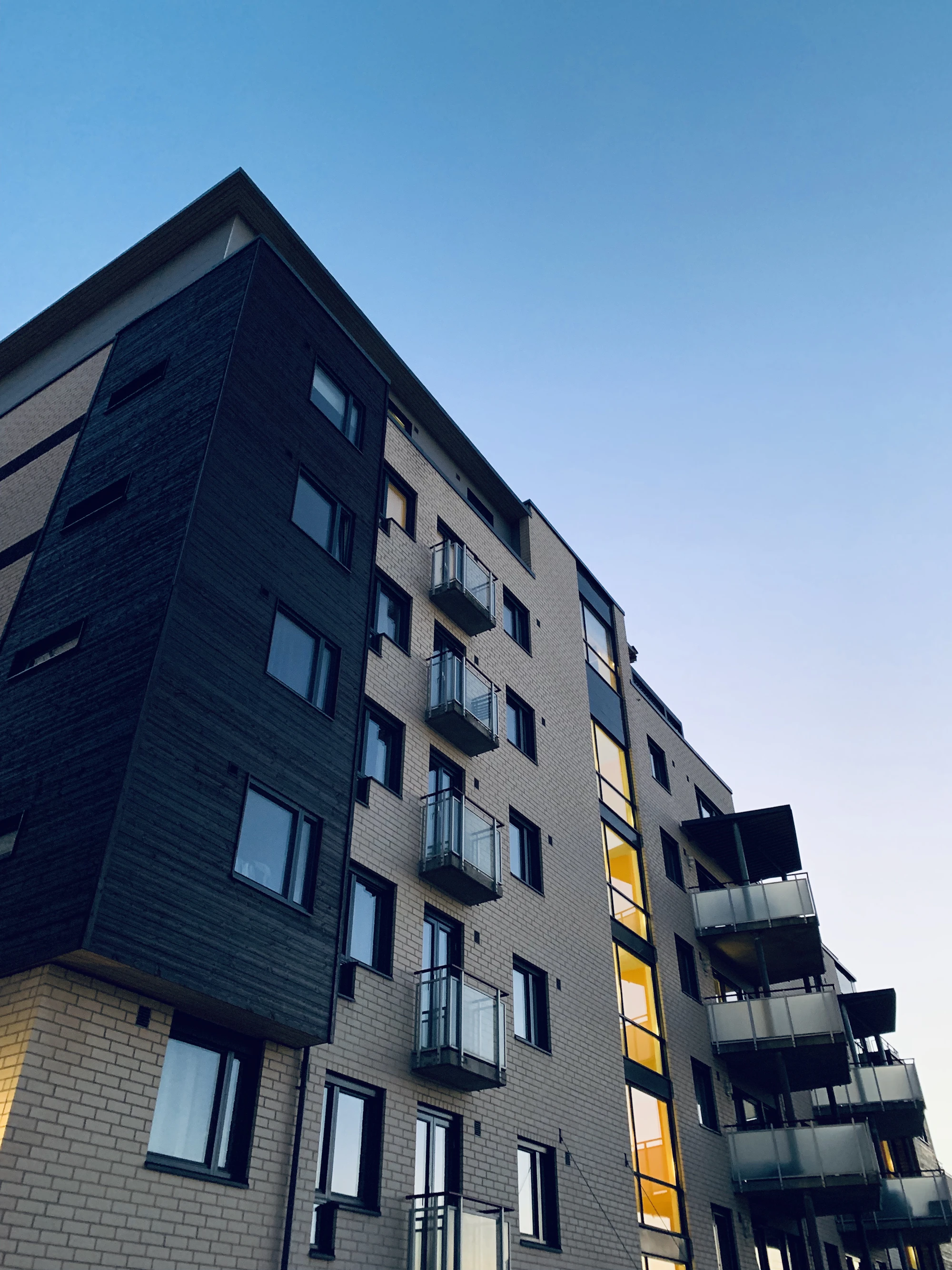
Una Residences — Aventura, Miami.
A comprehensive guide for Latin American buyers navigating Miami's new-development market, from understanding pre-construction deposit schedules to evaluating luxury projects in Aventura and beyond.
Why Miami Remains the Top Destination for Latin American Real Estate Investment
Miami has long served as the financial and cultural bridge between the United States and Latin America. For buyers from Brazil, Argentina, Colombia, Mexico, Venezuela, and beyond, the city offers a rare combination of geographic proximity, cultural familiarity, world-class infrastructure, and a stable legal framework for property ownership. Unlike many other global gateway cities, Miami imposes no restrictions on foreign nationals purchasing real estate, making the entry process relatively straightforward compared to markets in Europe or Asia.
The appeal intensifies when buyers focus on new construction. Miami's development pipeline consistently attracts globally recognized architects, five-star hotel brands, and sophisticated amenity programming that rivals the best residential projects anywhere in the world. For Latin American buyers accustomed to high-end urban living, Miami new construction represents not just a safe-haven asset but a lifestyle upgrade — a place where family members can reside, study, or eventually relocate with minimal friction.
Currency considerations further strengthen the case. Many Latin American investors hold U.S. dollar reserves or operate businesses with dollar-denominated revenues. Purchasing in Miami effectively keeps those dollars within a dollar-denominated, appreciating asset class, insulating buyers from the currency volatility that can erode returns in their home markets. This fundamental dynamic explains why Latin American capital has remained a consistent and growing force in Miami's luxury new-development sector cycle after cycle.
Understanding Pre-Construction Deposit Structures in Miami
One of the first things that surprises international buyers is how Miami pre-construction deposit schedules work. Unlike a traditional resale purchase where a buyer provides a modest earnest money deposit and finances the remainder at closing, Miami's new-development market typically requires buyers to fund a significant portion of the purchase price in installments before the building is completed. A common structure involves an initial deposit at contract signing — often around ten percent — followed by additional tranches tied to construction milestones such as groundbreaking, completion of the foundation, and topping off the structure. By the time the building is ready for occupancy, buyers may have funded anywhere from thirty to fifty percent of the total purchase price out of pocket.
These deposits are held in escrow accounts regulated under Florida's Condominium Act, which provides meaningful consumer protections. Florida law generally requires that buyer deposits be kept in an escrow account maintained by a Florida-licensed financial institution, and developers must adhere to specific rules before drawing down those funds. Buyers should always confirm with their real estate attorney how the escrow is structured, whether the developer qualifies for any exemptions, and under what circumstances a deposit may be refunded if the project does not proceed as planned. Working with a licensed Florida real estate attorney is not optional for international buyers — it is essential.
The practical implication for Latin American buyers is that financing the gap between deposits and final closing requires advance planning. While U.S. mortgage financing is available to foreign nationals, it is typically more complex and carries stricter documentation requirements than domestic loans. Many international buyers choose to fund deposits from liquid reserves and then secure financing closer to closing, or to purchase entirely in cash. Either way, having a clear picture of the full deposit timeline at the outset — before signing any contract — is critical to avoiding liquidity surprises mid-construction.
Aventura as a Primary Market for Latin American Buyers
Aventura, located at the northern edge of Miami-Dade County, has emerged as one of the most sought-after submarkets for Latin American buyers seeking a combination of luxury, convenience, and community. The city is compact, walkable by Miami standards, and anchored by Aventura Mall — one of the highest-grossing shopping centers in the United States. Its proximity to both Miami International Airport and Fort Lauderdale-Hollywood International Airport makes it exceptionally practical for frequent international travelers, and its concentration of premium condominiums, fine dining, and A-rated schools makes it attractive to families considering long-term relocation.
From a real estate perspective, Aventura offers a depth of luxury inventory across a range of price points, with a consistently active resale market that provides liquidity comfort for buyers concerned about exit strategy. The buyer pool in Aventura is notably international, meaning that property values are supported by global demand rather than relying solely on domestic economic cycles. This internationalization of the market also means that building amenities, concierge services, and multilingual property management are standard expectations rather than differentiators.
New construction in Aventura tends to feature larger unit footprints than comparable projects in denser urban cores like Brickell or Edgewater, which resonates strongly with Latin American buyers accustomed to spacious floor plans. Many projects also offer private beach club access, marina facilities, and resort-style amenity decks that align with the lifestyle preferences of buyers relocating from coastal cities in Brazil, Colombia, or Mexico. For buyers comparing Miami submarkets, Aventura consistently scores highest on the combination of livability, community infrastructure, and resale stability.
Spotlight: Una Residences and the Standard for Ultra-Luxury New Development
While Aventura represents an outstanding lifestyle choice, many Latin American buyers with a preference for urban density and proximity to Brickell's financial district also explore flagship projects that set the architectural and amenity benchmark for the entire market. Una Residences is frequently cited in this context — a waterfront tower on Brickell Key designed by Adrian Smith + Gordon Gill Architecture, the firm responsible for some of the world's most ambitious skyscrapers. Its positioning directly on Biscayne Bay, with panoramic water views from virtually every residence, represents the kind of irreplaceable location that premium buyers prioritize when evaluating long-term asset value.
Una Residences exemplifies several characteristics that sophisticated Latin American buyers look for in a Miami new-development investment. First, the architecture is globally recognizable — the kind of project that carries prestige in conversations across São Paulo, Bogotá, or Mexico City. Second, the amenity programming is curated at a level that supports full-time residency rather than merely serving as a pied-à-terre, with private dining, spa facilities, a marina, and concierge services that reduce the friction of relocating entirely. Third, the project's location within Brickell puts residents at the center of Miami's fastest-growing financial and cultural district, with walkable access to restaurants, offices, and entertainment that did not exist in the same density even five years ago.
Understanding projects like Una Residences also helps buyers calibrate the broader market. The deposit structures, unit configuration strategies, and developer credibility standards on display in a flagship project serve as a useful baseline against which to evaluate other opportunities — whether in Aventura, Edgewater, or the emerging development corridors further north along the coast. Buyers who take the time to understand what best-in-class looks like are better equipped to recognize genuine value and avoid projects that may not meet the same standards of execution.
Legal, Tax, and Financial Planning for International Buyers
International buyers, particularly those from Latin America, must approach a Miami pre-construction purchase with a clear legal and financial structure in place before signing a contract. The most common question involves ownership entity: should the property be held in the buyer's personal name, through a U.S. limited liability company, or through a foreign corporation? Each structure carries different implications for privacy, estate planning, income tax treatment, and the application of the Foreign Investment in Real Property Tax Act (FIRPTA), which governs withholding obligations when a foreign national eventually sells U.S. real property. A qualified U.S. tax attorney or CPA with international experience should be consulted before any purchase structure is finalized.
Estate planning is a dimension that many first-time international buyers overlook. U.S. estate tax applies to non-resident aliens on the value of U.S.-situs assets above a relatively modest exemption threshold — significantly lower than the exemption available to U.S. citizens. Holding property through certain entity structures can help mitigate this exposure, but the strategy must be established correctly from the outset. Retrofitting an ownership structure after a purchase is closed is far more complicated and costly than building the right framework before signing.
On the financing side, international buyers should be aware that U.S. lenders offering foreign national mortgage programs will typically require more extensive documentation of income, assets, and banking history than domestic buyers face. Processing timelines are longer, and loan-to-value ratios may be more conservative. Beginning the lender pre-qualification process early — ideally before identifying a specific property — gives buyers a realistic picture of what financing is available to them and allows them to present credible offers without contingencies that could disadvantage them in competitive situations.
Practical Steps to Begin Your Miami New-Development Search
The first practical step for any Latin American buyer entering the Miami new-construction market is to establish a relationship with a licensed Miami real estate professional who specializes in new development and has demonstrable experience working with international clients. This is not a market where a general residential agent or a referral from a home-country contact is sufficient. Pre-construction transactions involve developer negotiations, contract review, deposit tracking, and coordination with escrow agents, title companies, and construction teams — a process that rewards specialists who work in it every day.
Before any property tours or developer presentations, buyers should prepare a personal financial overview that documents liquid assets, source of funds, and any currency transfer requirements. Miami's luxury new-development market has robust anti-money-laundering compliance obligations, and developers will require buyers to complete Know Your Customer documentation as part of the contract process. Having clean, well-organized documentation ready from the start signals professionalism and accelerates the transaction. It also reduces the risk of delays that could cause a buyer to miss a pricing window in a fast-moving project.
Finally, buyers should approach the market with a clear investment thesis: Are they purchasing primarily as a lifestyle asset, a rental investment, a long-term wealth-preservation vehicle, or a platform for future family relocation? The answer to this question should drive every decision — from neighborhood selection and unit configuration to the ownership structure and financing strategy. Miami's new-development market offers enough depth and variety to serve virtually any investment thesis, but the buyers who achieve the best outcomes are those who enter with clarity of purpose and the right professional team around them. If you have questions about current pricing or availability in Aventura, Denis Smykalov at Wolsen Developments is available for a direct consultation — no obligation, just straight answers about what is actually on the market.
Frequently Asked Questions
Can a foreign national from Latin America buy a pre-construction condo in Miami without any U.S. citizenship or residency?
Yes. Florida imposes no citizenship or residency requirements on foreign nationals purchasing real estate. International buyers from Latin America can purchase pre-construction condominiums in Miami in their personal name or through a legal entity, subject to the standard contract and escrow processes that apply to all buyers.
What is a typical pre-construction deposit schedule for a luxury Miami condo?
Deposit schedules vary by developer and project, but a common structure involves an initial deposit of roughly ten percent at contract signing, followed by additional installments tied to construction milestones such as groundbreaking and superstructure completion. Total pre-closing deposits often range from thirty to fifty percent of the purchase price, with the balance due at closing.
Are pre-construction deposits in Miami protected by law?
Florida's Condominium Act requires that buyer deposits be held in escrow accounts at Florida-licensed financial institutions, providing meaningful consumer protection. Buyers should confirm escrow terms with a Florida real estate attorney before signing, as certain developers may qualify for statutory exemptions that affect how funds are held.
Why is Aventura popular among Latin American buyers specifically?
Aventura offers a combination of luxury residential inventory, proximity to two international airports, walkable retail and dining, A-rated schools, and a deeply international buyer community that supports strong resale liquidity. Its larger average unit sizes also appeal to Latin American buyers accustomed to spacious floor plans.
What is FIRPTA and how does it affect Latin American buyers selling Miami real estate?
FIRPTA, the Foreign Investment in Real Property Tax Act, requires that a withholding percentage of the gross sales price be withheld at closing when a foreign national sells U.S. real property, as a prepayment toward any capital gains tax owed. Buyers should consult a U.S. tax professional to understand their obligations and explore available exemptions or reductions.
Should I hold my Miami condo in my personal name or through an LLC?
The optimal ownership structure depends on your tax residency, estate planning goals, and intended use of the property. Holding through a U.S. LLC can offer estate tax mitigation and liability protection but may affect financing options. A U.S. attorney with international real estate experience should advise on the right structure before you sign any contract.
Can international buyers from Latin America get a mortgage for a Miami pre-construction condo?
Yes, foreign national mortgage programs are available from various U.S. lenders, though they typically require more documentation, longer processing timelines, and may offer lower loan-to-value ratios than domestic loans. Many international buyers fund deposits from liquid reserves and arrange financing closer to the closing date.
What makes Una Residences stand out among Miami luxury new-construction projects?
Una Residences on Brickell Key is distinguished by its waterfront location directly on Biscayne Bay, its architecture by Adrian Smith + Gordon Gill — designers of globally iconic towers — and a full-service amenity program including a marina, private dining, and spa that supports full-time luxury residency.
How long does it typically take from signing a pre-construction contract to taking delivery of a Miami condo?
Construction timelines vary significantly by project, but buyers should generally plan for two to four years between contract execution and certificate of occupancy for a major luxury tower. Delays due to permitting, supply chain, or market conditions are not uncommon, and contracts typically include developer provisions addressing construction timeline flexibility.
Do I need a Miami-based real estate attorney even if I have legal counsel in my home country?
Yes. Florida real estate law, condominium statutes, FIRPTA compliance, and U.S. tax obligations are distinct from the legal frameworks of any Latin American jurisdiction. A Florida-licensed real estate attorney is essential for reviewing the purchase contract, confirming escrow protections, and coordinating with a U.S. tax advisor on ownership structure.
Ready to Take the Next Step?