HOA reserve study Miami · Una Residences Brickell · Miami condo due diligence · Florida Condominium Act · new construction vs resale Miami · Brickell luxury condos · special assessment risk Miami · post-Surfside legislation Florida · condo reserve fund · Miami luxury real estate buyer guide
HOA Reserve Study Guide for Miami Condo Buyers: How to Read, Interpret, and Negotiate Around Reserve Funds — Featuring Una Residences in Brickell
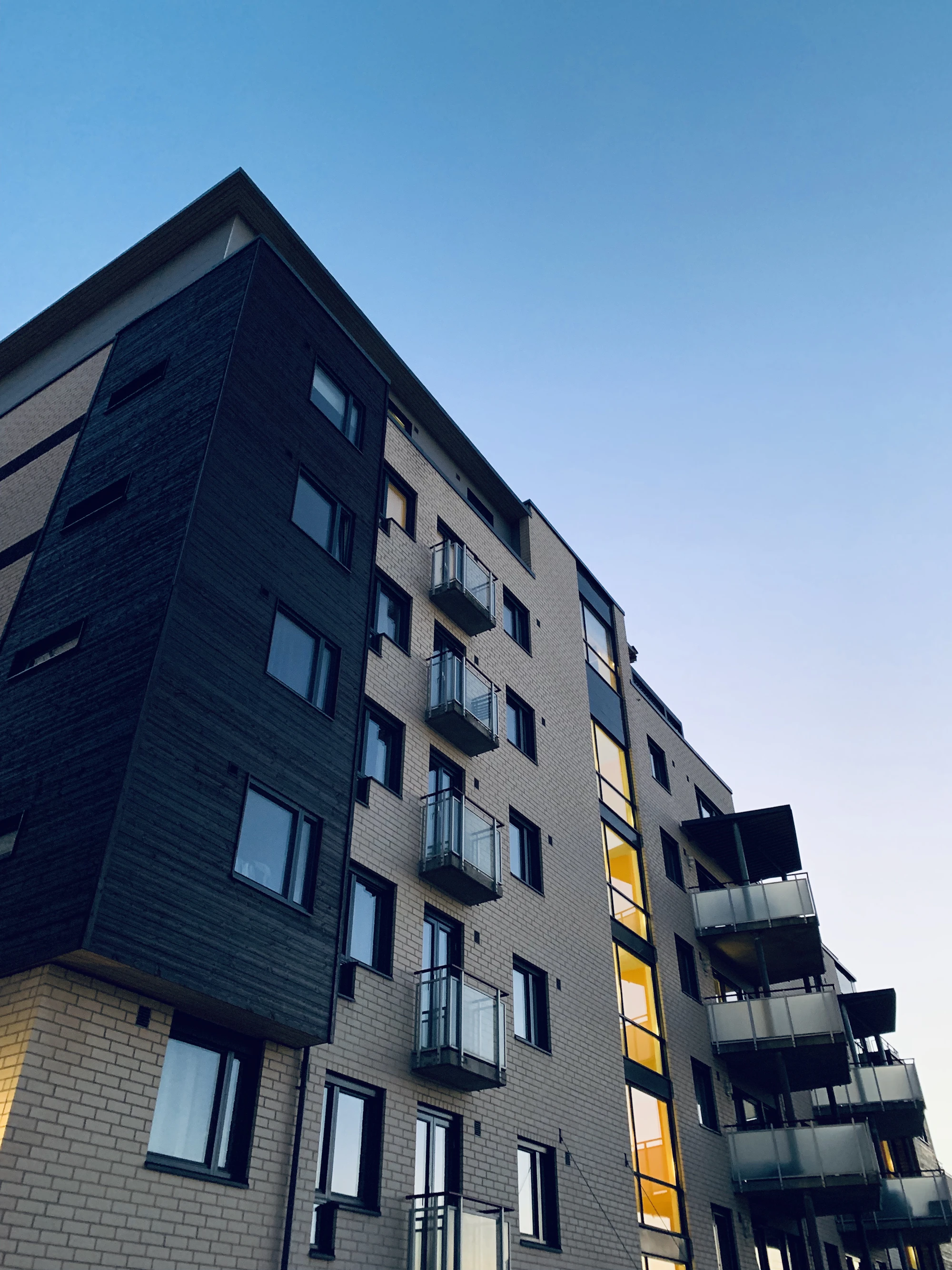
The Links Estates (Fisher Island) — Brickell, Miami.
For buyers making multi-million dollar decisions in Miami's luxury condo market, the HOA reserve study is the single most consequential document most people never read. This guide decodes every line of a reserve study, explains what adequate funding really looks like in Florida's coastal environment, and shows why purpose-built new-construction towers like Una Residences in Brickell offer a structural financial advantage that resale buyers simply cannot match.
Why the HOA Reserve Study Is the Most Important Document You're Probably Ignoring
When a high-net-worth buyer evaluates a Miami luxury condominium, the conversation almost always starts in the same place: price per square foot, views, ceiling height, finishes, the caliber of the amenity package. These are the visible signals of value, and they're not unimportant. But the experienced buyer — the one who has watched neighbors in otherwise prestigious buildings receive a $200,000 special assessment notice with no warning — knows that the single most financially consequential document in any condo purchase isn't the floor plan or the offering memorandum. It's the HOA reserve study, a technical analysis that most buyers never request, and even fewer actually read.
Florida law requires that condominium associations prepare a reserve study — formally called a reserve schedule — that estimates the remaining useful life and replacement cost of major common-area components: roofs, elevators, HVAC systems, facades, pools, parking structures, and more. The study produces a funding plan that tells you whether the association is setting aside enough money each year to cover future capital expenditures without levying a special assessment. In a market where monthly HOA fees at premier Brickell towers routinely exceed $3,000 to $5,000 per month, understanding how those dollars are allocated — and whether the reserve portion of that fee is adequate — is not a matter of due diligence. It is the due diligence.
The stakes of reserve study literacy were permanently elevated by Florida's landmark Surfside-era legislation, the Building Safety Act of 2022 (SB 4-D), which fundamentally restructured reserve requirements for Florida condominiums. Before that legislation, Florida condo owners could vote to waive or reduce reserve contributions — a practice so common that chronically underfunded buildings became the norm rather than the exception across much of the state. Surfside made structural inspections mandatory for buildings three stories or taller and, critically, eliminated the ability to waive reserves for structural components. For Miami's luxury market, this was a seismic shift. It also created a clear bifurcation between well-capitalized new construction and older resale inventory struggling to catch up.
This guide is written for buyers who want to understand what a reserve study actually says, how to benchmark the numbers, what red flags look like in practice, and why the construction vintage of the building you're buying into has enormous implications for your financial exposure. Throughout, we'll use Una Residences, the elegantly designed ultra-luxury tower on the Brickell waterfront, as a case study in how purpose-built new construction approaches reserve funding differently — and why that difference matters to the sophisticated buyer over a ten- and twenty-year ownership horizon.
The Anatomy of a Florida Reserve Study: What Every Component Actually Means
A Florida reserve study is not a single number. It is a detailed, component-by-component analysis that typically runs dozens of pages and is prepared by a licensed reserve analyst or structural engineer. Each major common-area element is evaluated on three dimensions: its current condition, its estimated remaining useful life (RUL), and its projected replacement cost in today's dollars, inflated forward to the likely replacement date. These three inputs produce a funding requirement — the amount the association needs to be setting aside annually, per component, to have enough capital on hand when replacement becomes necessary.
The components covered in a high-rise luxury condo reserve study are extensive and, in Miami's coastal environment, significantly more expensive to replace than buyers from inland markets typically expect. Elevator systems in a 47-story tower require full modernization every 20 to 25 years at costs that can run $500,000 to over $1 million per cab depending on technology and complexity. Roofing systems on a flat-roof high-rise may have a 15-to-20-year life cycle. Facade restoration — the repair and resealing of exterior concrete, window systems, and balcony waterproofing — is one of the most significant line items for any coastal Miami building, where salt air accelerates deterioration and where Miami-Dade's exceptionally strict building code creates high labor and material cost floors. Pool decks, mechanical rooms, generator systems, and common-area HVAC all have their own replacement timelines.
The funding methodology used in a reserve study matters enormously. There are two primary approaches: the component method and the cash flow method. The component method calculates how much needs to be set aside for each individual component each year, producing a per-item funding line. The cash flow method, also called the pooled method, looks at the aggregate of all future expenditures and works backward to determine the minimum annual contribution that keeps the reserve fund solvent without going negative in any given year. The cash flow method produces lower near-term reserve contributions and is frequently used in Florida HOA budgets — which means that even a technically compliant reserve plan may appear well-funded on paper while carrying significant risk if the pooling assumptions are overly optimistic.
Buyers should always request both the reserve study itself and the most recent reserve fund balance sheet, which tells you what the association actually has on hand today relative to what the study says it should have. The ratio of actual reserves to recommended reserves is called the percent funded figure, and it is arguably the single most important number in the entire document. Industry standards suggest that a reserve fund above 70% funded is considered healthy. Below 50% funded is considered underfunded and carries meaningful special assessment risk. Below 30% funded is a serious warning sign. In Miami's luxury market, where replacement costs are elevated by coastal construction premiums and where post-Surfside regulatory requirements have accelerated the timeline for certain remediation projects, the percent funded figure deserves more scrutiny than ever.
Florida's Post-Surfside Legislation: What Changed, What It Means for Your Purchase, and What Still Isn't Resolved
The June 24, 2021 collapse of Champlain Towers South in Surfside, Florida permanently changed how the state regulates condominium buildings, and the legislative response — centered primarily on Senate Bill 4-D, signed in May 2022, and subsequently refined by Senate Bill 154 in 2023 — has reshaped the financial landscape for existing condo associations across Miami-Dade, Broward, and Palm Beach counties. Any buyer considering a resale luxury condo in Miami today is buying into a building whose HOA is navigating this new regulatory environment, and the financial implications are substantial enough to affect pricing, carrying costs, and resale liquidity in ways that are still playing out.
The most significant change for existing buildings is the mandatory Structural Integrity Reserve Study (SIRS), which goes beyond a standard reserve study by requiring that specific structural components — including roofing, load-bearing walls, floor and ceiling systems, foundation elements, fireproofing, plumbing, and electrical systems — be assessed and fully funded in reserves without the option to waive contributions. For buildings that had been waiving or reducing reserves for years, the SIRS requirement has triggered reserve contribution increases of 30%, 50%, or in some cases over 100% of prior monthly fees. That increase flows directly to owners in the form of higher HOA assessments. In some cases, associations have simultaneously discovered deferred maintenance that requires immediate remediation, layering special assessments on top of the ongoing fee increases.
The milestone inspection requirements introduced by the same legislation add another layer of complexity. Buildings three stories or higher must undergo a milestone structural inspection by the time they reach 30 years of age (or 25 years if within three miles of the coastline), and then every ten years thereafter. In Miami, where a significant portion of the luxury condo inventory was built in the 1980s and 1990s and where the 25-year coastal threshold captures buildings well outside the immediate beachfront, the volume of buildings entering the milestone inspection cycle simultaneously has created a backlog of engineering work and, for buildings where inspections reveal deficiencies, a wave of costly remediation projects. The financial exposure for unit owners in these buildings is not theoretical. It is arriving in the mail.
For buyers evaluating new construction versus resale, this legislative context creates a fundamental asymmetry. A brand-new tower delivering in 2024 or 2025 is not subject to milestone inspections for 25 to 30 years. Its reserve study will reflect a fully modern building with new components whose useful lives are just beginning. Its association — if properly structured from the outset — will begin reserve contributions immediately and build capital systematically rather than attempting to catch up to decades of deferred funding. This is not a minor advantage. Over a ten-year ownership horizon, the difference between buying into a newly capitalized reserve fund and inheriting a chronically underfunded one can represent hundreds of thousands of dollars in exposure — a reality that should be priced into the comparative analysis between a new tower and a resale unit at a similar headline price.
How to Actually Read a Reserve Study: A Step-by-Step Framework for Sophisticated Buyers
Requesting the reserve study is the easy part. Understanding what you're reading requires a systematic approach and some baseline familiarity with how the document is structured. Start at the executive summary, which should provide the percent funded figure, the current reserve balance, the recommended reserve balance as of the study date, and the projected reserve contribution schedule for the next several years. If the executive summary isn't present or is vague, that's your first signal that the study may not have been prepared to a high standard. A credible reserve study will identify the preparer's credentials, the site inspection date, and the methodology used.
Move next to the component inventory, which is the core of the document. Each component should be listed with its estimated useful life, its remaining useful life, and its replacement cost in current dollars. Pay particular attention to components where the remaining useful life is less than five years — these represent near-term capital expenditures that should be funded now. Also flag any components whose replacement cost seems surprisingly low relative to Miami construction costs. Reserve studies sometimes use national average cost benchmarks that significantly underestimate what it actually costs to repair a 47-story coastal concrete structure, replace elevator systems in a building with complex service infrastructure, or restore a facade in Miami-Dade, where labor shortages and permitting timelines add cost and duration to virtually every major project.
The funding plan section is where you translate the component inventory into cash flow projections. Look at the projected reserve fund balance over the next 10 to 20 years. A healthy reserve fund should show a balance that remains positive throughout the projection period, with a trajectory that either holds steady or grows in real terms. A fund whose projected balance dips toward zero in years 8 through 12 — then recovers only because of a modeled increase in contributions — is telling you that a special assessment is likely in that window unless members vote to accelerate contributions now. This is not a hypothetical risk. It is a probability that the math is quantifying for you, if you know how to read it.
Finally, compare the study's assumptions against current market conditions. Reserve studies typically model a reserve fund investment return of 2% to 4% on the funds held in interest-bearing accounts — which is a reasonable assumption in a normalized interest rate environment. They also model an inflation rate for construction costs, typically 3% to 5% annually. Given that Miami construction costs rose sharply in the 2021 through 2023 period and remain elevated, a study prepared in 2019 or 2020 using pre-inflation cost benchmarks may significantly understate future replacement costs. If the study you're reviewing is more than three years old, treat its replacement cost figures as floor estimates rather than accurate projections, and ask the association when the next update is scheduled. Florida best practices recommend updating reserve studies every three to five years.
New Construction Reserve Structures: Why the Starting Point Matters Enormously
When a new condominium association is formed upon delivery of a luxury tower, the developer is responsible for establishing the initial reserve fund contribution schedule as part of the project's condominium documents. For buyers purchasing units before or during construction — as is standard practice in Miami's pre-construction market — understanding how the developer has structured the initial reserve contribution is an important element of underwriting the true carrying cost of ownership. The monthly HOA fee disclosed in the purchase agreement should always be broken down between its operating fund component and its reserve fund component, and the reserve portion should be benchmarked against the initial reserve study.
New construction towers enjoy a structural financial advantage that is easy to overlook: every major component starts with a full useful life. The elevators are new. The roof membrane is new. The facade is new. The mechanical systems are new. This means that the reserve fund has the maximum runway to accumulate capital before any major expenditure is required — assuming contributions begin immediately and are set at an appropriate level. A properly capitalized new tower's reserve fund, funded at the levels recommended by its initial reserve study from day one, should arrive at the 10-year mark with a healthy balance and no special assessment history. That is a materially different financial profile than a 15-year-old tower whose association waived reserves for years and is now attempting to fund a six-figure per-unit remediation project while simultaneously meeting post-Surfside SIRS requirements.
The sophistication of the developer's reserve structuring is itself a signal. Developers who engage nationally recognized reserve analysts, commission detailed component studies prior to delivery, and build reserve contributions into their pro forma HOA budgets at fully funded levels are demonstrating a commitment to long-term building quality that extends beyond the sales process. Buyers should ask their broker for the initial reserve study and the projected HOA budget breakdown for any new tower under consideration, and should verify that the reserve line item represents a meaningful percentage of the total monthly fee — typically 15% to 30% of total HOA collections in a well-structured new development, depending on building complexity and component mix.
It is also worth noting that the developer's control period — the period during which the developer controls the HOA board before turning it over to unit owners — is a critical window for reserve fund governance. Florida law requires developers to fund reserves at the levels established in the condominium documents during this period, but the adequacy of those levels depends entirely on how the initial study was prepared. A buyer who understands this dynamic can ask pointed questions: Who prepared the initial reserve study? What percent funded level does the study target? When is turnover to unit owners expected, and what will the reserve fund balance be at that time? These are not unreasonable questions to ask before signing a contract on a multimillion-dollar purchase.
Una Residences: A Case Study in Reserve-Conscious New Construction in Brickell
Una Residences represents the category of purpose-built ultra-luxury new construction that is most insulated from the reserve crisis affecting older Miami inventory. Rising 47 stories from a 1.5-acre Brickell waterfront site at 175 SE 25th Road, Una is a relatively boutique offering — just 135 residences — which has significant implications for reserve fund dynamics. Smaller unit counts mean that the cost of major capital expenditures is shared across fewer owners, which can increase per-unit exposure if the reserve fund is underfunded, but also means that a well-structured reserve program is easier to govern, easier to audit, and easier for an engaged ownership community to steward responsibly. In a building with 135 owners rather than 600, transparency is higher and accountability is more direct.
The building's architecture — designed by Arquitectonica, the firm responsible for some of Miami's most enduring contemporary structures — reflects a construction methodology built around long-term material durability. The exterior, the facade treatment, the structural system, and the mechanical design of a brand-new building of this caliber all begin life with the maximum possible remaining useful life, giving the reserve fund the full 20 to 30-year runway it needs to accumulate capital without pressure. Buyers at Una Residences are not inheriting the deferred maintenance decisions of prior ownership; they are participating in the establishment of a reserve culture from the beginning, which gives the ownership community the opportunity to set sound precedents.
The amenity package at Una Residences — which includes a bayfront pool, private marina access, a fitness center, spa, and a full suite of curated lifestyle services — represents a meaningful capital investment that is part of the building's reserve calculus. Pools, marina infrastructure, fitness equipment, and spa systems all have defined useful lives that a competent reserve study will capture as individual components. Buyers should request the full component inventory and verify that amenity systems are included and properly valued. In a building that markets itself as a lifestyle offering, the long-term condition of the amenity infrastructure is a direct reflection of whether the reserve fund is doing its job.
From a comparative underwriting perspective, the buyer evaluating Una Residences against a resale luxury condo in Brickell — even a highly regarded one — should run the numbers through the reserve study framework outlined in this guide. The comparison should include not just the stated monthly HOA fee, but the percent funded figure, the special assessment history, the milestone inspection status, the SIRS compliance timeline, and the age of the building's major components. When those variables are included, a new tower's all-in carrying cost often compares favorably to a resale unit whose headline price and stated HOA fee appear lower, but whose reserve exposure creates a material contingent liability.
Special Assessments: How They Happen, How to Anticipate Them, and What to Do When You Find One
A special assessment is a charge levied by an HOA on all unit owners to cover a capital expenditure or operating shortfall that cannot be absorbed by the existing reserve fund or operating budget. In a healthy, fully funded association, special assessments are rare — reserved for truly extraordinary events like a hurricane causing damage that exceeds the association's insurance recovery, or a regulatory requirement that could not have been anticipated in any prior reserve study. In practice, however, special assessments have been a recurring feature of Miami's luxury condo market for decades, precisely because reserve funding was so commonly waived or underfunded. The post-Surfside legislative environment has dramatically accelerated the pace at which deferred maintenance obligations are being converted into special assessments.
The magnitude of special assessments in Miami's luxury high-rise market can be staggering. Facade restoration projects — which involve temporary scaffolding along the entire exterior of a high-rise, concrete crack repair, window resealing, and waterproofing — routinely cost tens of millions of dollars in buildings of 300 to 500 feet. When a building has 200 units, a $20 million facade project translates to $100,000 per unit on average, before any allocation adjustments. Elevator modernization, parking structure rehabilitation, roof replacement, and HVAC overhauls each carry their own six- and seven-figure price tags at the building level. Owners who have not been warned and have not set aside personal reserves for these possibilities can find themselves facing assessments that materially disrupt their liquidity.
As a buyer, there are several ways to protect yourself from inheriting a special assessment at closing. First, your purchase contract should include a representation from the seller disclosing any pending or anticipated special assessments as of the contract date. Under Florida law, sellers are required to disclose pending special assessments, but the definition of 'pending' has been the subject of litigation. An assessment that has been discussed at board meetings but not yet formally voted on may not meet the legal threshold for disclosure, even if it is functionally inevitable. This is why your own investigation of the reserve study and board meeting minutes — going back at least three years — is essential, not optional. Second, buyers in resale transactions should negotiate to have any special assessment that arises between contract and closing treated as a seller obligation, either through a price reduction or an escrow holdback.
If you discover a special assessment that has already been levied and is being paid in installments, the situation is more nuanced. Some buyers negotiate a credit at closing equal to the outstanding balance of the special assessment. Others prefer to have the seller pay it off entirely before closing. Either approach is negotiable, but the existence of an active special assessment is itself important diagnostic information: it tells you that this building's reserve fund was inadequate for the expenditure that triggered the assessment, and you should investigate whether the underlying cause has been fully remediated and whether additional assessments are likely. A building that has levied one large special assessment in the past five years for a systemic deficiency — facade, structure, plumbing — statistically has a higher probability of levying another than a building with a clean history and a well-funded reserve.
Insurance, Master Policy Coverage, and How Reserve Funding Intersects with Claims
The relationship between a condominium association's insurance coverage and its reserve fund is more intertwined than most buyers realize, and understanding the intersection of the two is essential for a complete financial picture. Florida condominium associations are required to maintain property insurance covering the common elements of the building and, in most cases, the units themselves up to the 'original specifications' — meaning the base building systems and finishes as built, not any improvements made by individual owners. The master policy deductible — which can range from 2% to 5% of covered value for named storm events, representing hundreds of thousands or even millions of dollars — is a shared liability that typically falls to the association, and therefore to unit owners, when a claim is filed.
If the reserve fund is inadequate to cover a major deductible event — such as a significant hurricane causing widespread damage — the association must fund the gap through a special assessment. This means that in a building with a chronically underfunded reserve, a named storm event can trigger a two-part financial hit: the insurance deductible shared among all owners, plus any deferred maintenance or uninsured damage that was already on the books. In South Florida, where named storm exposure is a permanent actuarial reality rather than a remote risk, the reserve fund functions as a secondary financial backstop behind the master policy. Buyers who treat reserve adequacy as an abstract financial metric rather than a practical storm preparedness tool are missing an important part of the risk picture.
Florida's property insurance market has also become significantly more expensive and restrictive since 2020, with multiple large insurers withdrawing from the state and premiums increasing dramatically for coastal high-rise buildings. Association budgets that were set two or three years ago may significantly understate current insurance costs, which means the operating portion of the HOA fee may be under pressure even while reserve contributions are increasing due to SIRS requirements. For buyers evaluating the long-term HOA fee trajectory, requesting the last three years of operating budgets and actuals — not just the current approved budget — will reveal whether insurance costs have been trending materially upward and what the association's strategy is for managing that trend. Some associations have responded by increasing deductibles, which reduces premiums but increases owner exposure in the event of a claim.
New construction towers have a specific insurance advantage in this landscape: their new building systems, modern construction standards, and Miami-Dade code-compliant storm protection features typically place them in a more favorable underwriting category than older buildings with outdated impact protection, aging electrical systems, and prior claims history. Impact-resistant windows, hurricane-rated facade systems, backup generator coverage, and modern plumbing infrastructure all contribute to lower actuarial risk profiles that can translate into more competitive insurance premiums. For buildings like Una Residences, whose construction was completed to current Miami-Dade code requirements — among the most stringent hurricane standards in the United States — the insurance cost structure should be more favorable than comparable-vintage buildings, a benefit that flows directly to unit owners through the operating portion of the monthly HOA fee.
Due Diligence Checklist: The Twelve Documents Every Miami Condo Buyer Must Request
Understanding reserve studies in theory is necessary but not sufficient. The due diligence process requires actually obtaining the relevant documents, reading them systematically, and engaging professionals who can identify issues that a non-specialist reader might miss. The starting point is the full condominium document package, which for Florida associations includes the Declaration of Condominium, the Articles of Incorporation, the Bylaws, and the Rules and Regulations. These documents define the legal structure of the association, your rights and obligations as an owner, the assessment collection process, and the procedures for special assessments. They should be reviewed by a Florida-licensed real estate attorney with condominium experience before you sign any purchase contract.
Beyond the foundational documents, your due diligence should include: the most recent reserve study (within the last three years), the current and prior-year HOA budgets, the most recent year-end financial statements (ideally audited), the current reserve fund bank statement, the minutes of HOA board meetings for the past three years, any pending or approved special assessment notices, the master insurance policy declarations page including coverage limits and deductibles, the most recent milestone inspection report if applicable, the most recent SIRS if applicable, any engineering or structural reports commissioned in the past five years, and any litigation involving the association as a party. That is twelve categories of document, each of which tells you something materially different about the financial health and physical condition of the building you're considering.
For resale buyers, the Florida condominium statute provides a formal mechanism for accessing most of these documents: the association is required to provide certain records to owners and prospective buyers within defined timeframes upon request. However, the practical reality is that sellers and listing agents often move slowly on document production, and the 15-day inspection period that is standard in Miami purchase contracts can expire before you've received everything you need. Experienced buyers and their attorneys build document request requirements directly into the contract language, including the right to extend the inspection period if the association fails to produce required documents within a specified window. This is a negotiating point that sophisticated buyers should not overlook.
For new construction buyers, the document set is different but equally important. The key documents are the prospectus (also called the offering circular or condominium documents), which includes the developer's projected budget for the first year of operation, the initial reserve contribution schedule, and the initial reserve study. Florida's Condominium Act provides buyers with a right of rescission — typically 15 days for new construction — during which the full package must be reviewed and the buyer may cancel the contract for any reason. This is not a formality. It is a substantive buyer protection that exists precisely because the condominium document package contains material financial information that affects the real cost of ownership. Buyers who execute their rescission period review with the same rigor they apply to the purchase price negotiation will be meaningfully better positioned over the life of ownership.
The Resale Value Equation: How Reserve Health Affects Liquidity and Long-Term Appreciation
The financial consequences of reserve study literacy extend well beyond the purchase itself. The reserve health of a condominium building is increasingly recognized by lenders, appraisers, and sophisticated buyers as a direct input into resale value and liquidity — a fact that has material implications for how you think about your exit strategy when you eventually decide to sell. A building with a poorly funded reserve, an active special assessment, or a recent milestone inspection revealing structural deficiencies will face a constrained buyer pool. Cash buyers may still transact, but financed buyers may be unable to obtain conventional mortgage financing if the building fails Fannie Mae or Freddie Mac's project eligibility standards, which include requirements around litigation exposure, reserve funding levels, and deferred maintenance.
The Fannie Mae and Freddie Mac guidelines updated post-Surfside introduced new project review requirements for condominium buildings that are materially more stringent than prior standards. Lenders are now required to review reserve study adequacy, structural inspection reports, and special assessment history as part of the project approval process. Buildings that fail project eligibility — whether due to underfunded reserves, unresolved structural findings, or significant special assessments — effectively lose access to conventional financing, which eliminates the majority of the buyer pool for all units in the building simultaneously. The impact on prices is immediate and significant. Units in buildings that become non-warrantable typically transact at discounts of 10% to 25% below comparable units in fully eligible buildings, purely because of the financing constraint.
This dynamic creates a powerful long-term argument for prioritizing buildings with strong reserve health in your initial purchase decision. A new construction tower with a fully funded reserve program, no special assessment history, no milestone inspection concerns, and a modern construction standard that places it in the favorable tier of Fannie and Freddie project eligibility is not just a better physical asset. It is a more liquid asset — one that a larger percentage of buyers can finance, one that appraisers can value more confidently, and one that faces fewer constraints on exit when market conditions favor selling. In Miami's luxury market, where the buyer pool for any individual unit is already limited by price point, preserving access to all financing channels is a meaningful competitive advantage.
The long-term appreciation profile of a building is also influenced by its reserve management culture, which is set in the early years of a building's life and tends to persist. Buildings whose founding owners — the buyers who purchased pre-construction and voted at the first owner-controlled HOA meeting — established disciplined reserve funding practices tend to maintain that discipline across subsequent board compositions. Buildings whose founding culture was characterized by fee minimization at the expense of reserve adequacy tend to face compounding financial challenges over time. For the buyer who is thinking about a ten-to-twenty-year ownership horizon rather than a short-term flip, the reserve culture of the buildings you're comparing is a legitimate differentiator — one that deserves a place in your comparative analysis alongside location, views, and finishes. If you have questions about current pricing or availability in Surfside, Denis Smykalov at Wolsen Developments is available for a direct consultation — no obligation, just straight answers about what is actually on the market.
Frequently Asked Questions
What is a reserve study and why is it required for Florida condominiums?
A reserve study is a detailed engineering and financial analysis of a condominium association's major common-area components — roofs, elevators, facades, pools, mechanical systems, and more — that estimates remaining useful life, replacement cost, and the annual reserve contribution needed to fund future replacements without levying special assessments. Florida's Condominium Act requires associations to maintain reserve funds for certain components, and post-Surfside legislation introduced the Structural Integrity Reserve Study (SIRS) requirement for buildings three stories or taller, which mandates full funding of structural component reserves without the option to waive contributions. A reserve study should be updated every three to five years to reflect current construction costs, changes in component condition, and updated regulatory requirements. For Miami buyers, the reserve study is arguably the most important financial document in the entire due diligence package, as it determines your long-term exposure to special assessments and reveals whether the association has been managing its capital obligations responsibly. Buyers should always request the most recent study and verify that the fund's actual balance matches or exceeds the study's recommended balance.
What does 'percent funded' mean in a reserve study, and what level should I look for?
Percent funded is the ratio of the reserve fund's current actual balance to the balance that the reserve study says it should have at this point in the building's life cycle, expressed as a percentage. A percent funded figure above 70% is generally considered healthy by reserve study professionals and means the association has been making consistent, adequate contributions relative to the depreciation of its building systems. A figure between 50% and 70% indicates moderate underfunding that carries some special assessment risk, while below 50% is considered underfunded and below 30% represents serious capital risk. In Miami's coastal environment, where construction costs are elevated and post-Surfside regulatory requirements have accelerated funding obligations, buyers should treat anything below 60% funded with heightened scrutiny and should model the financial impact of a potential special assessment into their purchase decision. For new construction buildings, the percent funded figure at delivery is typically 0% — because no capital has been deployed yet — but should track upward systematically in the early years if contributions are set at appropriate levels.
How did Florida's Building Safety Act (SB 4-D) change reserve requirements, and does it affect new construction like Una Residences?
Florida's Building Safety Act of 2022, significantly shaped by the Surfside collapse, introduced two major changes relevant to condo buyers: mandatory milestone structural inspections for buildings three stories or taller (required at 30 years of age, or 25 years for coastal buildings, then every 10 years thereafter), and the mandatory Structural Integrity Reserve Study (SIRS) requirement, which eliminates the ability of condo associations to waive or reduce reserves for structural components. For existing resale buildings, particularly those built in the 1980s and 1990s, these requirements have triggered substantial increases in monthly HOA fees as associations try to catch up on decades of deferred reserve funding. For brand-new towers like <a href="/developments/una-residences-brickell">Una Residences</a>, the milestone inspection requirement does not apply for 25 to 30 years, and the SIRS requirement applies from the outset — meaning a well-structured new tower should begin accumulating structural reserves immediately at appropriate levels rather than scrambling to retroactively fund them. This creates a meaningful financial advantage for new construction buyers relative to buyers of older resale inventory navigating compliance costs.
What is a special assessment, and how can I tell if one is coming before I close?
A special assessment is a charge levied by the HOA on all unit owners to cover a capital expenditure or operating shortfall that the existing reserve fund cannot absorb — typically for major projects like facade restoration, elevator modernization, structural remediation, or post-hurricane repair costs exceeding the insurance recovery. Sellers are legally required to disclose pending special assessments in Florida, but the definition of 'pending' has been litigated, meaning an assessment that has been discussed but not formally voted may not trigger automatic disclosure. To protect yourself, request board meeting minutes for the past three years and look for discussions of major capital projects, engineering reports, or flagged deficiencies. Review the reserve study percent funded figure and model whether a near-term major expenditure would require an assessment. Engage a Florida real estate attorney to review the purchase contract and negotiate seller liability for any special assessment levied between contract and closing. For new construction, special assessments in the first five to ten years are rare in a properly capitalized building, which is one of the financial advantages of buying new.
How do reserve fund levels affect my ability to get a mortgage on a Miami luxury condo?
Post-Surfside, Fannie Mae and Freddie Mac updated their condominium project eligibility standards to include mandatory review of reserve fund adequacy, structural inspection results, and deferred maintenance conditions. Lenders originating conventional mortgage loans on condo units are now required to obtain project-level information and may decline to lend in buildings that fail eligibility standards — a determination known as making the building 'non-warrantable.' Non-warrantable buildings effectively lose access to conventional financing, which eliminates the majority of the buyer pool and typically depresses prices by 10% to 25% relative to comparable eligible buildings. For buyers purchasing with financing, a building's reserve health is therefore a direct determinant of your mortgage eligibility today and your eventual resale liquidity. For cash buyers, a non-warrantable building may appear to offer a pricing opportunity, but the reduced buyer pool at exit is a meaningful liquidity risk that should be factored into any return analysis. Reviewing reserve fund adequacy as part of mortgage pre-qualification due diligence is increasingly standard practice among experienced Miami real estate attorneys.
What should I look for in the HOA budget to understand the true carrying cost of a luxury condo in Brickell?
The monthly HOA fee disclosed in a listing or purchase agreement represents a total figure that combines two distinct funds: the operating fund, which covers day-to-day expenses like staff, utilities, insurance, landscaping, and amenity operations, and the reserve fund, which accumulates capital for future major replacements. To understand the true carrying cost and the quality of the association's financial management, you need to see the full approved budget broken into these components, ideally for the current year and the two prior years to identify trends. Pay particular attention to the reserve fund line as a percentage of total collections — a healthy luxury high-rise should be allocating at least 15% to 30% of total fee income to reserves. Also review the insurance line item, which has increased sharply in South Florida in recent years and may not be fully reflected in a fee that was set two or three years ago. The reserve fund balance sheet and the percent funded figure, taken together with the operating budget trend, give you a complete picture of the association's fiscal health.
Is Una Residences a good investment from a reserve fund and long-term financial health perspective?
<a href="/developments/una-residences-brickell">Una Residences</a> offers the structural financial advantages that are characteristic of purpose-built new construction: all building systems begin with full remaining useful lives, reserve contributions start from zero and build systematically rather than catching up to deferred obligations, and the building was constructed to current Miami-Dade code standards, which creates favorable insurance underwriting and eliminates the near-term milestone inspection obligation that burdens older resale inventory. The relatively boutique unit count of 135 residences means that reserve governance is more transparent and accountable than in larger buildings, and that the founding ownership community has a meaningful opportunity to set disciplined reserve management practices that will persist across subsequent board cycles. Buyers should still request the initial reserve study, the projected first-year HOA budget, and the reserve contribution schedule from the offering documents, and should verify that the reserve line item reflects a fully funded program rather than a minimized one. The combination of Brickell waterfront scarcity, the quality of the development program, and the reserve advantages of new construction supports a favorable long-term financial profile.
What is the difference between the component method and cash flow method for reserve funding, and which is better?
The component method calculates a separate annual reserve contribution for each individual building system — each elevator, each roof section, each pool — and funds them independently based on their individual replacement timelines. This approach is more conservative and transparent because it clearly funds each component to 100% by the time replacement is needed, but it can produce higher near-term reserve contributions. The cash flow method, also called the pooled method, aggregates all future expenditures into a single pool and calculates the minimum annual contribution that keeps the aggregate fund solvent without going negative in any year. The cash flow method typically produces lower near-term contributions and is widely used in Florida HOA budgets, but it is more sensitive to assumption errors — if one or two major expenditures are underestimated or arrive earlier than projected, the pooled fund can be depleted more quickly than the model suggested. For buyers, the cash flow method requires more careful scrutiny of the underlying assumptions, particularly around construction cost inflation and investment return rates, both of which have been volatile in recent years and can materially affect the fund's trajectory.
How does Miami's coastal environment affect the replacement costs and timelines in a reserve study?
Miami's coastal environment accelerates the deterioration of virtually every building system relative to inland markets, which means that replacement timelines in Miami reserve studies should be shorter and replacement costs should be higher than national benchmarks. Salt air penetration causes accelerated corrosion of structural reinforcing steel and facade metal components, degrading concrete and causing spalling that requires more frequent remediation than comparable buildings in dry inland climates. Window and door systems subject to constant salt air exposure and UV radiation have shorter effective seal lives, increasing the frequency of recaulking and waterproofing cycles. Marine-grade corrosion standards for mechanical equipment add cost to replacement projects. In buildings with marina or waterfront infrastructure — like <a href="/developments/una-residences-brickell">Una Residences</a>, with its bayfront setting — marine infrastructure components including dock systems, seawall elements, and waterfront amenities carry their own replacement cycles that must be captured in the reserve study. Buyers should verify that the reserve study preparer had direct knowledge of Miami coastal conditions and did not rely on generic national cost benchmarks that will systematically understate actual replacement costs in South Florida's environment.
What legal protections do Florida condo buyers have during the due diligence process, and how should I use them?
Florida's Condominium Act provides new construction buyers with a 15-day right of rescission from the date they receive the full condominium document package — the Declaration, Bylaws, Rules and Regulations, and the developer's projected budget including reserve contributions — during which they may cancel the contract for any reason and receive a full deposit refund. This is a substantive statutory protection, not a formality, and buyers should use the full 15 days to have a Florida-licensed condominium attorney review the documents, with particular attention to the reserve funding schedule, the budget projections, and any provisions that affect the developer's obligations during the control period. For resale buyers, the standard 15-day inspection period under the FAR/BAR contract should be used to obtain and review the reserve study, HOA financials, board meeting minutes, insurance declarations, and any engineering reports. Contract language should be negotiated before execution to require the seller and association to produce all relevant documents within a specified window, with inspection period extension rights if production is delayed. Failing to exercise these legal protections is the single most common and most costly due diligence error that Miami condo buyers make.
Ready to Take the Next Step?