Hibiscus Island · Miami luxury real estate · estate sale Miami · landlord exit strategy · Faena House · waterfront property seller guide
Hibiscus Island Landlord Exit Strategy: A Complete Seller's Guide to Luxury Property Estate Sales in Miami
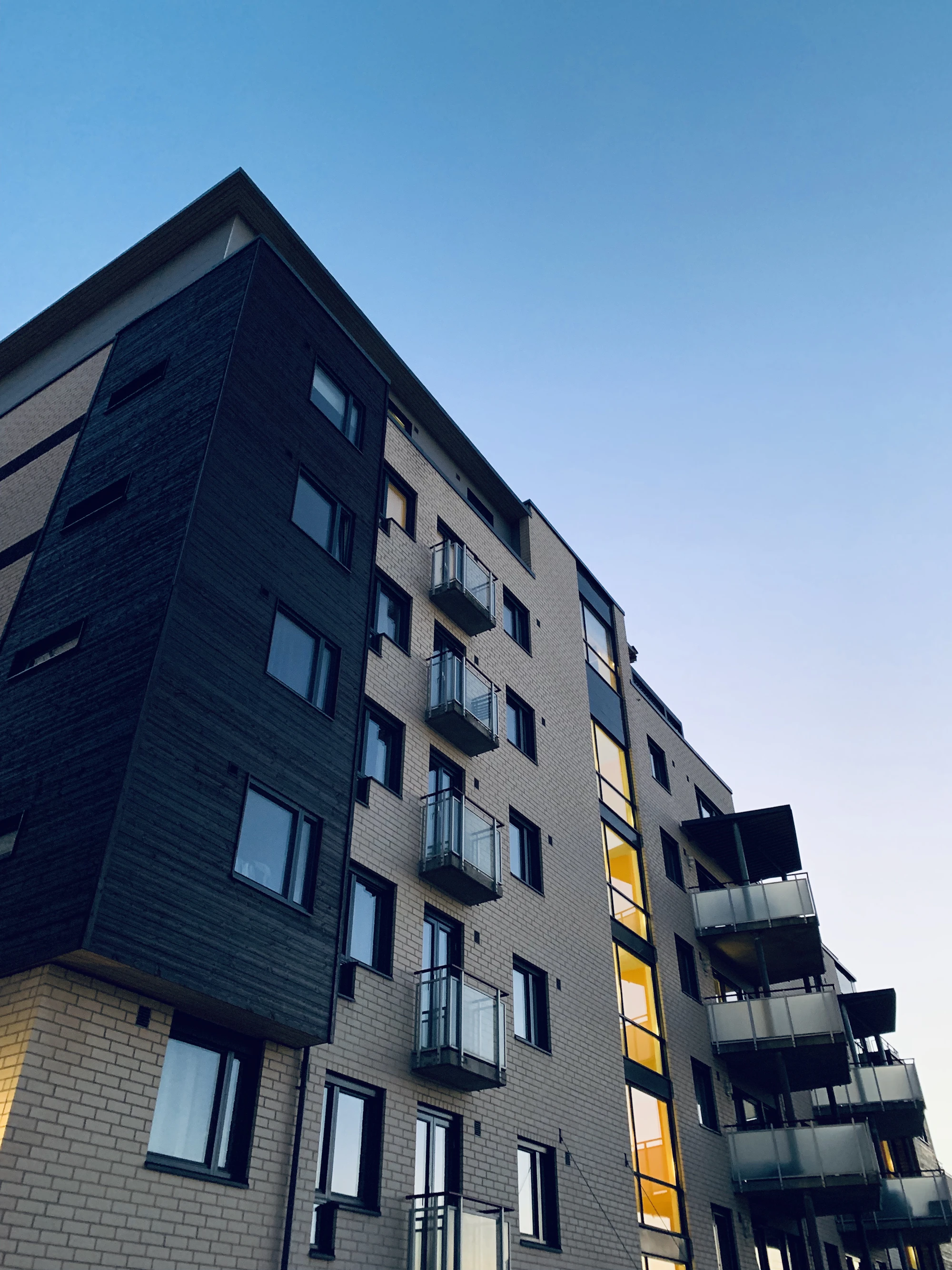
Faena House — Mid-Beach, Miami.
If you own a luxury rental property on Hibiscus Island and are ready to exit the market, this authoritative guide covers everything from timing and pricing to estate sale logistics and how comparable trophy assets like Faena House shape buyer expectations across Miami's ultra-luxury segment.
Why Hibiscus Island Landlords Are Choosing to Sell Now
Hibiscus Island occupies one of Miami Beach's most coveted positions — a gated, tree-lined enclave sitting between the MacArthur Causeway and Biscayne Bay, offering deep-water dockage, sweeping bay views, and a neighborhood scale that most Miami luxury submarkets simply cannot replicate. For landlords who entered the rental market during periods of aggressive appreciation, the current landscape presents a compelling case for liquidation. Demand for single-family waterfront estates with boat access remains structurally undersupplied, and many of the buyers circulating through Hibiscus Island today are primary-residence purchasers willing to pay meaningful premiums over what a rental income model can justify.
The calculus for landlords is shifting on multiple fronts. Escalating insurance costs in coastal Miami-Dade, tightening short-term rental regulations across Miami Beach, and the administrative complexity of managing high-net-worth tenants in premium homes have collectively eroded net yields that once made the hold strategy attractive. At the same time, the depth of qualified buyer interest — both domestic and international — has created exit windows that experienced sellers recognize as uncommon. Timing a sale to coincide with seasonal peak inventory and buyer activity, typically between November and April, remains a foundational principle for any landlord considering an exit.
Understanding the Hibiscus Island Luxury Market: What Sellers Need to Know Before Listing
Hibiscus Island operates as a distinct micro-market within Miami Beach, and sellers who treat it as interchangeable with Star Island, Palm Island, or the broader waterfront corridor tend to misprice their assets in both directions. The island's lot sizes, deed restrictions, single-family zoning protections, and gated security infrastructure attract a buyer profile that is acutely focused on privacy, dockage quality, and lot orientation relative to bay views and sunlight exposure. A property's specific position on the island — whether it commands an unobstructed bay panorama or sits on an interior street — can create substantial valuation differences that raw square footage comparables will not capture.
Sellers should also understand that Hibiscus Island buyers are almost universally sophisticated. They arrive with brokers, with independent appraisers, and often with architects already retained to evaluate renovation or new-construction potential. This means that disclosure preparation, title clarity, and permit history documentation are not procedural afterthoughts — they are active deal variables. Any open permits, unpermitted structures, or gaps in the chain of title will surface early in due diligence and will be used aggressively as price reduction levers. Landlords who have carried tenants through multiple lease cycles should audit their property's compliance posture well before hitting the market.
Denis Smykalov, broker at Wolsen Developments, notes that sellers in Hibiscus Island who invest in a comprehensive pre-listing property audit — resolving open permits, obtaining an elevation certificate, and compiling a full history of improvements — tend to achieve stronger outcomes by removing the due diligence leverage points that sophisticated buyers routinely exploit to compress final sale prices.
Estate Sale Considerations for Miami Luxury Properties: Process, Probate, and Preparation
When a Hibiscus Island property is being sold as part of an estate — whether following the passing of a longtime owner, through a trust distribution, or as part of a family partition — the transaction layer becomes significantly more complex than a standard owner-occupied sale. Florida probate law governs the process when a property must pass through the courts, and the timeline for obtaining personal representative authority, receiving court approval for a listing price, and ultimately closing can stretch considerably beyond what a conventional luxury sale requires. Sellers navigating estate situations should engage both a Florida probate attorney and a luxury real estate broker simultaneously, not sequentially.
One of the most important — and frequently underestimated — aspects of an estate sale on Hibiscus Island is the condition management challenge. Properties held in an estate often have deferred maintenance, dated systems, or tenant-occupied interiors that have been managed for income rather than presentation. Luxury buyers in this market are benchmarking against newly renovated or custom-built waterfront homes, and a property that reads as tired or investment-grade in its condition will be priced accordingly, regardless of its location premium. A strategic pre-sale improvement scope — focused on kitchens, primary bathrooms, exterior landscaping, and dock condition — can dramatically improve both the speed of sale and final pricing relative to the investment required.
Estates involving multiple heirs present their own coordination demands. Disagreements among beneficiaries about listing price, timing, or improvement investment can create delays that cost money in carrying costs and market momentum. Establishing a clear decision-making hierarchy, ideally through a trustee or designated personal representative with full authority to act, before engaging the brokerage process protects all parties and keeps the transaction moving with the urgency that luxury buyer interest requires.
How Trophy Developments Like Faena House Set Buyer Expectations Across Miami's Ultra-Luxury Segment
Miami's ultra-luxury buyer pool does not compartmentalize their search exclusively by property type. The same buyers evaluating a Hibiscus Island waterfront estate are frequently cross-shopping landmark condominium residences, and the benchmark experiences offered by properties like Faena House on Mid-Beach have materially elevated what these buyers expect in terms of finish quality, amenity programming, and design pedigree. Faena House, with its Rem Koolhaas-designed architecture, curated art installations, and Tierra Santa spa, represents the kind of globally recognized luxury standard that has trained Miami's most sophisticated buyers to scrutinize every detail of a property they consider.
For Hibiscus Island sellers, this competitive context is both a challenge and an opportunity. A landlord-owned estate that has been maintained to investment-grade standards will struggle against the turnkey, museum-quality presentation that the ultra-luxury condo segment delivers consistently. However, what Hibiscus Island offers that no condominium can replicate is land, privacy, and autonomy — the ability to dock a substantial yacht steps from your living room, to build a custom pool and outdoor living environment without board approval, and to occupy a home that no other owner shares. Sellers who understand how to articulate this distinction compellingly, and who present their property in a condition that closes the finish-quality gap with the condo market, position themselves to capture buyers who have toured the full spectrum of Miami luxury.
The cross-market comparison also shapes how buyers approach negotiation. Buyers who have seen the pricing transparency of new condo developments — where floor plans, finishes, and price-per-square-foot are fully disclosed — will apply the same analytical rigor to an estate sale. Sellers should be prepared to substantiate their pricing with a detailed, defensible comparable analysis that accounts for lot depth, water frontage linear footage, dock permitting, and view corridor, rather than relying solely on price-per-square-foot benchmarks that can misrepresent the true value drivers of Hibiscus Island real estate.
Pricing Strategy, Negotiation Dynamics, and Closing Considerations for Hibiscus Island Sellers
Pricing a Hibiscus Island estate correctly at launch is arguably the most consequential decision a seller makes. Miami's luxury buyer community is highly networked, and a property that sits on the market at an aspirational price while collecting days on market accumulates a stigma that is difficult to reverse. Unlike the broader residential market where a price reduction can reset buyer interest, ultra-luxury buyers in a market like Hibiscus Island tend to interpret prolonged days on market as confirmation of a property's limitations rather than an opportunity. The goal for sellers and their advisors is to identify the price that attracts multiple serious qualified buyers within the first thirty to sixty days of exposure.
Negotiation dynamics in estate sales carry specific nuances. Buyers will often open with offers that reflect their awareness of estate timeline pressure — they know that a personal representative or group of heirs may have carrying cost urgency that an individual owner does not. Experienced luxury brokers counter this dynamic by ensuring that the seller's position is structured around value, not timeline desperation, and by building competitive interest wherever the property's appeal genuinely warrants it. Presenting the property to multiple qualified prospects simultaneously, rather than working sequentially through individual leads, is the structural approach that preserves negotiating leverage.
Closing logistics for Hibiscus Island estate sales require close coordination between the real estate team, the estate attorney, and the title company. Florida's documentary stamp tax, the cost of title insurance, and any outstanding assessments or HOA obligations must be accurately modeled into the net proceeds calculation before a seller accepts an offer. International sellers or estates with foreign beneficiaries will also need to address FIRPTA withholding requirements, which can represent a meaningful portion of gross proceeds if not planned for in advance. These are not details to resolve at the closing table — they should be fully mapped before the listing agreement is signed.
Working with the Right Brokerage Team for Your Hibiscus Island Exit
Selecting a brokerage partner for a Hibiscus Island estate sale is a decision that warrants the same diligence a seller would apply to any major business transaction. The micro-market expertise required to price, market, and negotiate a Hibiscus Island waterfront estate effectively is genuinely specialized — it requires a team with active transactional knowledge of the island's sales history, relationships with the buyer pool and buyer-side brokers who represent them, and the marketing infrastructure to create international visibility for an asset that may appeal to buyers based in Latin America, Europe, or domestic wealth centers like New York, Los Angeles, and Chicago.
The marketing approach for a Hibiscus Island estate should extend well beyond MLS exposure. Bespoke property websites, professional architectural photography, drone and water-level videography, and targeted digital distribution to qualified prospect lists maintained by the brokerage are baseline expectations in the ultra-luxury segment. For properties of exceptional scale or historical significance, print placement in internationally distributed luxury publications and private previews for broker networks remain relevant tools. A landlord exiting the market with a property that has been tenant-occupied deserves a marketing program that completely reframes the asset from its investment-grade past toward its owner-occupier future.
The relationship between seller and broker in a luxury estate transaction should be genuinely advisory, not transactional. The most effective outcomes emerge when the brokerage team functions as a strategic partner — advising on pre-sale improvements with honest ROI assessments, providing unfiltered market feedback during the listing period, and maintaining the discipline to guide sellers through the emotional complexity that estate sales often carry. Sellers who select their brokerage partner based on a combination of verifiable market knowledge, negotiation track record, and honest communication — rather than the highest initial valuation pitch — consistently achieve superior outcomes.
Frequently Asked Questions
What makes Hibiscus Island different from other luxury waterfront neighborhoods in Miami Beach?
Hibiscus Island is a private, gated enclave with single-family zoning, deep-water dockage, and bay views that cannot be replicated in denser Miami Beach neighborhoods. Its combination of security, lot scale, and proximity to the causeway makes it one of Miami Beach's most exclusive and undersupplied luxury submarkets.
How long does it typically take to sell a luxury property on Hibiscus Island?
Well-priced, well-presented Hibiscus Island estates in strong market conditions have sold in under sixty days, while overpriced or condition-challenged properties can sit for six months or longer. The November-to-April peak season consistently produces the deepest pool of qualified buyers.
What is an estate sale in real estate, and how does it differ from a standard luxury home sale in Miami?
An estate sale in real estate refers to the sale of a property owned by a deceased individual or held within an estate trust, often requiring probate court approval and coordination among multiple heirs or beneficiaries. Unlike a standard sale, it typically involves additional legal steps, extended timelines, and potential complications around authority to negotiate and accept offers.
How does Faena House influence buyer expectations when selling a Hibiscus Island waterfront estate?
Faena House has established an ultra-premium finish and amenity standard in Miami's luxury condominium market, and buyers who have toured it benchmark single-family estates against that level of quality. Hibiscus Island sellers who close the presentation gap with the condo segment — while emphasizing land, privacy, and dockage advantages — are best positioned to attract this buyer profile.
What should a landlord do before listing a rental property on Hibiscus Island for sale?
Landlords should resolve any open permits, compile a full improvement history, obtain an updated elevation certificate, assess deferred maintenance, and consider targeted pre-sale renovations focused on kitchens, bathrooms, and exterior presentation. Addressing these issues before listing removes price-reduction leverage points that sophisticated buyers routinely exploit during due diligence.
What are the most important pricing factors for a Hibiscus Island waterfront home?
Key pricing factors include linear feet of water frontage, dock permitting and vessel size capacity, lot orientation and bay view corridor, interior condition and renovation recency, and proximity to the island's primary versus secondary streets. Price-per-square-foot alone is an insufficient metric for Hibiscus Island valuations.
What is FIRPTA and how does it affect international sellers or foreign estate beneficiaries in Miami luxury real estate?
FIRPTA (Foreign Investment in Real Property Tax Act) requires buyers to withhold a percentage of the gross sale price when purchasing U.S. real estate from a foreign seller or estate with foreign beneficiaries. This withholding can represent a meaningful portion of proceeds and must be planned for well before closing to avoid surprises.
Is there seasonal timing that maximizes results for luxury property sellers in Miami Beach?
Yes — Miami Beach's luxury buyer activity peaks between November and April, when seasonal residents, international buyers, and domestic relocators are most active in the market. Listing during this window consistently produces broader exposure, more competitive offers, and stronger final pricing compared to the summer months.
What marketing strategies are most effective for selling a luxury estate on Hibiscus Island?
Effective marketing for a Hibiscus Island estate includes bespoke property websites, architectural and drone photography, targeted digital distribution to international buyer networks, broker community previews, and selective placement in globally distributed luxury publications. Properties that have been tenant-occupied benefit particularly from marketing that repositions them visually and narratively for owner-occupier buyers.
How do multiple heirs or beneficiaries affect the timeline and negotiation of a luxury estate sale in Miami?
When multiple heirs or beneficiaries are involved, disagreements on pricing, timing, or improvement investment can significantly delay the sales process and erode market momentum. Establishing a designated personal representative or trustee with full decision-making authority before engaging a brokerage is the most effective way to protect all parties and maintain transaction velocity.
Ready to Take the Next Step?