Golden Beach · luxury real estate seller's guide · foreign national selling Miami real estate · empty nester downsizing Miami · FIRPTA withholding Florida · Shore Club Private Collection
Golden Beach Home Seller's Guide for Empty Nesters: Downsizing, Foreign National Tax Rules, and Miami's Luxury Market in 2025
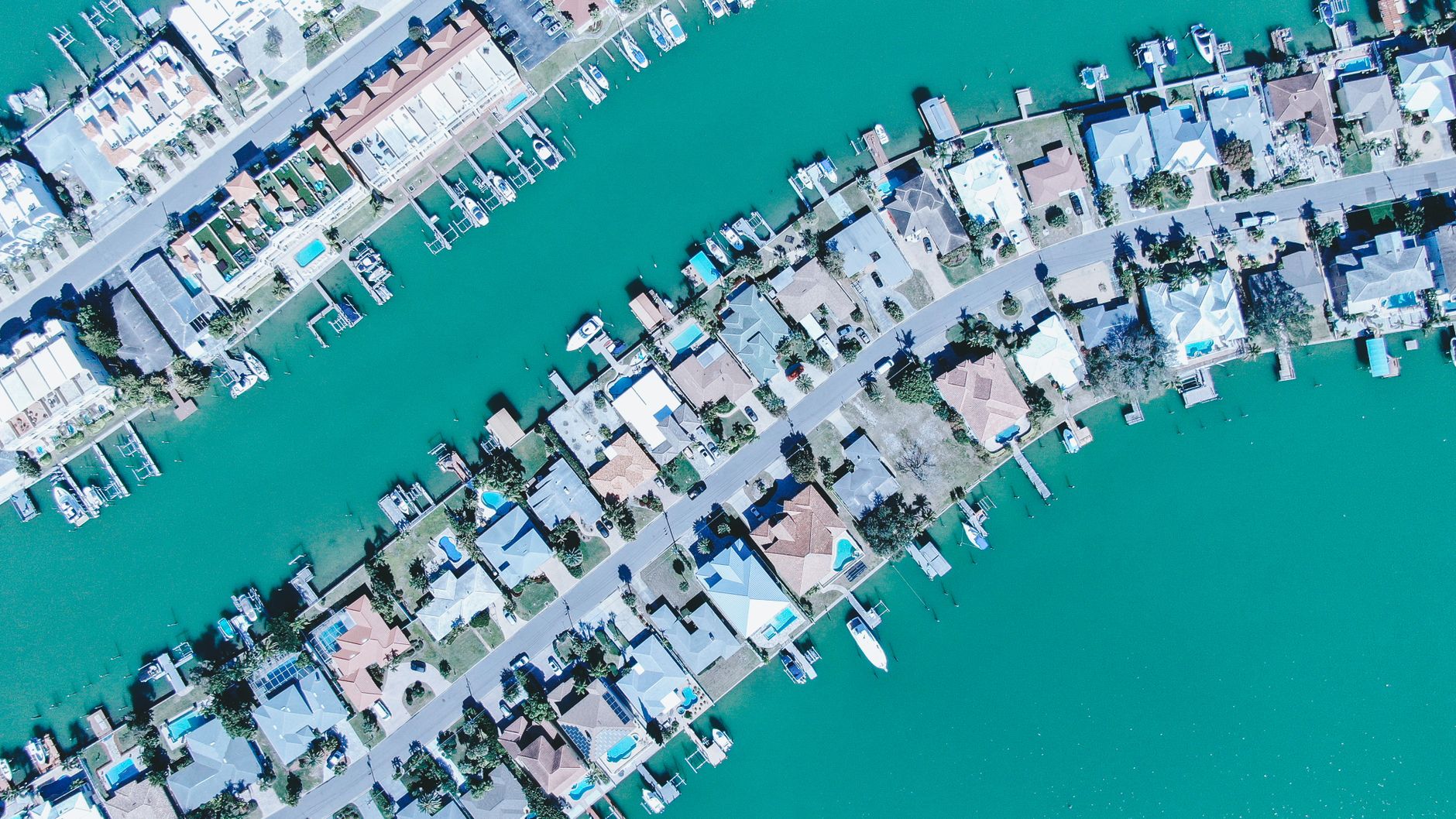
Shore Club Private Collection — Golden Beach, Miami.
If you're an empty nester ready to sell your Golden Beach family home and downsize into Miami luxury living, this comprehensive guide covers everything from local market strategy and timing to the tax and legal obligations foreign national sellers must navigate before closing.
Why Golden Beach Is One of Miami's Most Strategic Luxury Markets to Sell In Right Now
Golden Beach occupies a rare position in Miami's luxury real estate hierarchy. With only about 300 single-family homes, no commercial development permitted, and direct oceanfront access along a private, gated stretch of A1A, inventory is structurally constrained. That scarcity has historically insulated Golden Beach from the price volatility that affects larger luxury submarkets like Miami Beach or Coconut Grove. For empty nesters who have held their family home for a decade or more, this means stepping into a seller's environment where genuine demand for turnkey, well-located properties regularly outpaces available supply.
The post-2020 migration of high-net-worth buyers from the Northeast and internationally has not faded — it has matured. Buyers today are more sophisticated, better capitalized, and specifically seeking the privacy and land value that Golden Beach delivers. If your children have moved out and your six-bedroom waterfront home is no longer serving its original purpose, market conditions suggest this is an opportune moment to monetize that appreciation, right-size your lifestyle, and redeploy capital into a property that suits your next chapter — whether that is a full-floor Miami Beach residence, a Brickell pied-à-terre, or an ultra-luxury branded condo like Shore Club Private Collection.
The Empty Nester Seller's Mindset: Downsizing Without Compromising Luxury
Downsizing as an empty nester in Miami's luxury segment does not mean trading down in quality — it means trading space for precision. The typical Golden Beach family home spans several thousand square feet of living area, often with a pool, dock, and multiple guest suites that now sit unused for most of the year. Maintaining that footprint carries real costs: property taxes on oceanfront land, insurance premiums that have climbed significantly in recent years, staffing, and ongoing upkeep. Selling and repositioning into a curated, amenity-rich building can meaningfully reduce overhead while increasing the quality and ease of your daily lifestyle.
Empty nesters in this segment tend to prioritize three things in their next home: lock-and-leave convenience for extended travel, access to world-class amenities without the management burden of a private estate, and proximity to Miami's cultural and social infrastructure. Full-service luxury buildings in Miami Beach, Surfside, and Bal Harbour address all three. Many sellers also find that the equity unlocked from a Golden Beach home sale provides sufficient capital to purchase the next property outright, eliminate mortgage obligations entirely, and retain meaningful reserves — a compelling financial reset heading into retirement or semi-retirement.
Foreign National Sellers: Understanding FIRPTA and Florida's Tax Landscape
If you are a foreign national selling a Golden Beach property, the single most important regulatory framework you must understand before listing is FIRPTA — the Foreign Investment in Real Property Tax Act. Enacted at the federal level, FIRPTA requires that the buyer of a U.S. real property interest owned by a foreign person withhold a percentage of the gross sales price at closing and remit it to the IRS as a prepayment against potential U.S. capital gains tax liability. The applicable withholding rate is generally 15 percent of the gross sales price for properties sold above a certain threshold, though the precise rate and any applicable exemptions depend on your individual circumstances, treaty status, and how the property has been used. This withholding applies regardless of whether you have made a profit — it is calculated on the gross price, not the gain.
Foreign sellers should engage both a U.S.-licensed tax attorney or CPA experienced in international real estate transactions and, where appropriate, legal counsel in their home country well before listing. It is possible to apply to the IRS for a withholding certificate that adjusts the withheld amount to reflect the actual estimated tax owed rather than the statutory percentage, but this process takes time and must be initiated early in the transaction. Additionally, Florida imposes no state income tax, which is one of the reasons Miami remains so attractive to international buyers and sellers alike — but federal obligations are real, significant, and non-negotiable. Proper tax planning at the outset of the sale process can meaningfully reduce the friction and financial impact at closing.
Legal Considerations for Foreign National Sellers: Entity Structure, Disclosure, and Closing
Beyond FIRPTA withholding, foreign national sellers must be prepared to navigate several additional legal layers that are less relevant to U.S. citizen sellers. If your Golden Beach property is held in a foreign corporation, a foreign trust, or a domestic LLC with foreign beneficial owners, the legal and tax treatment of the sale can differ materially from a direct individual ownership structure. The IRS and FinCEN have increased scrutiny of high-value real estate transactions involving complex ownership structures, and title companies and attorneys in Miami are well-versed in flagging and properly documenting these situations. Expect thorough due diligence on beneficial ownership disclosure.
Florida's real estate closing process involves a title company or closing attorney who coordinates the disbursement of funds, recording of the deed, and satisfaction of any outstanding liens or encumbrances. Foreign sellers who are not physically present for closing can typically execute documents via power of attorney or through notarized remote signing, though the specific requirements vary. It is also worth noting that if the property has been used as a rental — even occasionally through short-term rental platforms — there may be additional tax filings required related to U.S. rental income that was earned during your period of ownership. A comprehensive pre-sale legal and tax review is not optional for foreign national sellers; it is the foundation of a clean, dispute-free closing.
Shore Club Private Collection and the Downsize Destination Landscape in Miami Beach
For Golden Beach sellers evaluating where to land after their sale, Miami Beach's ultra-luxury new development pipeline offers compelling options that match the elevated lifestyle standards they are accustomed to. Shore Club Private Collection, a landmark redevelopment of the historic Shore Club property on Collins Avenue, represents a category-defining opportunity in the Miami Beach market. Designed by Robert A.M. Stern Architects and developed by Witkoff and Monroe Capital, the project delivers a limited collection of private residences that combine architectural prestige, direct beachfront positioning, and the five-star service infrastructure of a world-class hotel brand. For an empty nester stepping out of a large Golden Beach estate, Shore Club offers the hospitality-grade amenity experience — spa, beach club, curated dining, and concierge — within a private residential framework.
The broader landscape of downsize destinations in this segment includes Surfside, Bal Harbour, and the Miami Beach historic districts, each offering different lifestyle emphases. What distinguishes the best of these options from a typical condominium purchase is the caliber of the building's management, the quality of the common areas, and the long-term desirability of the address — all of which protect resale value over time. Empty nesters who approach the downsize strategically often find that their next purchase is not merely a smaller home, but a better one: fewer rooms to maintain, more intentional design, and a community of like-minded residents who share a similar stage of life.
Timing, Pricing, and the Off-Market vs. Listed Strategy for Golden Beach Sellers
In a market as intimate as Golden Beach, the decision between listing your property publicly on the MLS versus conducting an off-market sale to a curated network of qualified buyers is more consequential than in larger markets. With so few homes, a public listing that sits for an extended period can create a perception of overpricing or underlying issues, even when neither is true. Off-market strategies, when executed by a broker with genuine relationships in the ultra-high-net-worth buyer community, can generate compelling offers without the exposure risk — particularly important for sellers who value discretion and do not want neighbors, press, or casual observers tracking the transaction.
Pricing a Golden Beach property correctly requires a nuanced analysis that goes well beyond automated valuation tools. Lot dimensions, oceanfront vs. bay frontage, the condition and vintage of the structure relative to land value, dock capacity, and the quality of any recent renovations all factor into a defensible asking price. In many cases, the land itself — not the home — represents the primary value driver, especially if the structure is older and a buyer intends to rebuild. Sellers who understand this distinction are better positioned to negotiate from strength. Timing relative to the seasonal rhythm of Miami's luxury market also matters: the highest concentration of active, motivated buyers typically moves through Miami between November and April, aligning with the snowbird and international travel season. Denis Smykalov at Wolsen Developments represents sellers across Miami's luxury market — a seller's consultation covers current pricing, timing, and the right off-market vs listed strategy for your property in Golden Beach. Contact: denis@wolsenre.com or (305) 333-1122.
Frequently Asked Questions
What is FIRPTA and how does it affect foreign nationals selling a home in Golden Beach?
FIRPTA is a U.S. federal law that requires buyers to withhold a percentage of the gross sales price when purchasing real property from a foreign national seller. The withheld funds are remitted to the IRS as a prepayment against potential capital gains tax. The withholding rate is generally 15 percent of the gross sales price for higher-value transactions, though sellers may apply for a withholding certificate to reduce the amount based on actual estimated tax liability.
Can a foreign national seller avoid or reduce FIRPTA withholding?
Yes, a foreign national seller can apply to the IRS for a withholding certificate, which adjusts the withheld amount to reflect the actual estimated tax owed rather than the full statutory percentage. This process must be initiated well before closing and requires documentation of the seller's tax basis, estimated gain, and applicable deductions. Working with a U.S. CPA or tax attorney experienced in international real estate is essential.
Does Florida charge state income tax on the sale of real estate by foreign nationals?
No, Florida does not impose a state income tax, which means there is no state-level capital gains tax on real estate sales. However, federal capital gains tax and FIRPTA withholding obligations still apply to foreign national sellers regardless of the property's location within Florida.
Is it better to sell a Golden Beach home off-market or list it on the MLS?
In Golden Beach's constrained market of roughly 300 homes, an off-market strategy can be highly effective for preserving discretion and avoiding the stigma of extended days on market. The right approach depends on the property's condition, price point, and the seller's timeline. A broker with strong buyer relationships in the ultra-luxury segment can often generate competitive off-market offers without public exposure.
What is the best time of year to sell a luxury home in Golden Beach?
The peak buying season in Miami's luxury market runs from approximately November through April, when snowbirds, international visitors, and high-net-worth relocators are most active. Listing or quietly marketing a property during this window maximizes exposure to the deepest pool of qualified buyers and can support stronger pricing outcomes.
What should an empty nester consider when deciding where to downsize after selling a Golden Beach family home?
Empty nesters should prioritize lock-and-leave convenience, amenity-rich buildings that replace the maintenance burden of a private estate, and proximity to Miami's cultural and social infrastructure. Full-service luxury condominiums in Miami Beach, Surfside, and Bal Harbour are popular choices, offering concierge services, beachfront access, and a community of like-minded residents without the overhead of a large private home.
How is a Golden Beach property typically valued when the structure is older?
In many Golden Beach transactions, land value — not the existing structure — is the primary driver of price. Lot dimensions, frontage type (oceanfront vs. bay), dock capacity, and development potential are weighted heavily, especially when a buyer intends to demolish and rebuild. Sellers with older homes should understand that buyers may be pricing the land and discounting the existing structure accordingly.
What legal steps should a foreign national take before listing a Miami luxury property for sale?
Before listing, a foreign national seller should engage a U.S. tax attorney or CPA to assess FIRPTA obligations, review the ownership structure for any entity-level complications, and confirm that all U.S. tax filings related to rental income or prior ownership are current. If the property is held in a foreign entity or trust, additional beneficial ownership disclosure may be required at closing.
What makes Shore Club Private Collection a relevant option for Golden Beach empty nesters downsizing?
Shore Club Private Collection offers a limited number of private residences in a landmark beachfront building on Collins Avenue in Miami Beach, designed by Robert A.M. Stern Architects. For empty nesters leaving a large Golden Beach estate, it provides hotel-grade amenities, beachfront positioning, and a curated residential community — matching the lifestyle quality of their previous home in a more manageable, lock-and-leave format.
How long does the process of selling a luxury home in Golden Beach typically take?
The timeline varies based on pricing strategy, market conditions, and buyer financing or due diligence requirements. Off-market transactions can close in a matter of weeks when a motivated buyer is identified, while publicly listed properties may take several months, particularly at higher price points. Foreign national sellers should also factor in additional time for FIRPTA withholding certificate applications if they choose to pursue one.
Ready to Take the Next Step?