Aventura · pre-construction condominiums · Miami luxury real estate · California relocation · new development buyer guide · high-rise condos
From California to Aventura: The Complete Miami New-Development Buyer Guide for Pre-Construction Deposits, Market Timing, and High-Rise Living
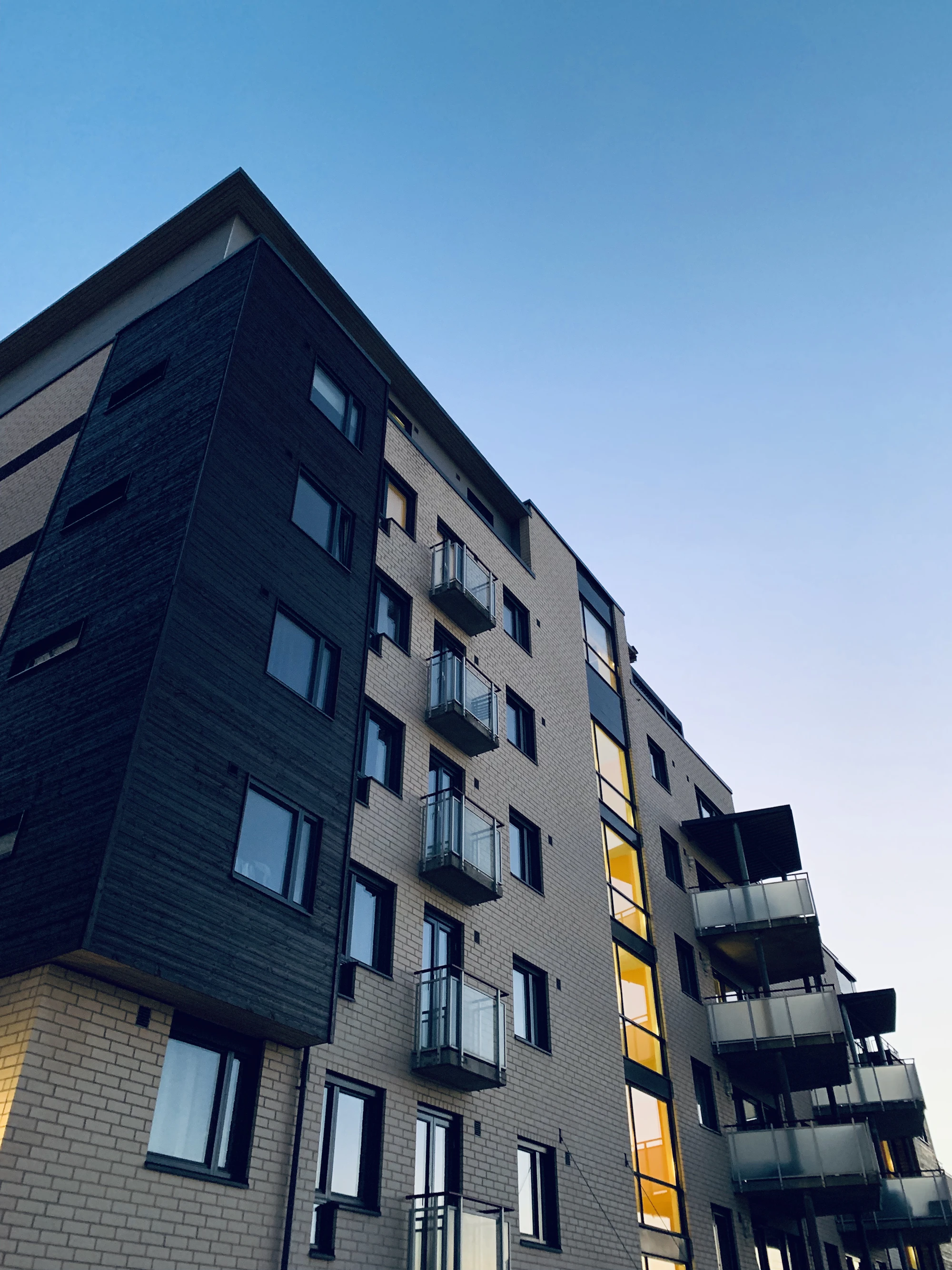
Una Residences — Aventura, Miami.
California buyers relocating to Miami are discovering Aventura as a world-class alternative to Beverly Hills and Silicon Valley — but pre-construction real estate in South Florida operates under a fundamentally different legal and financial framework than anything they've encountered on the West Coast. This definitive guide walks you through every layer of the Aventura new-development market, explains how deposit structures actually work in Florida pre-construction contracts, and draws on benchmark projects like Una Residences to show what best-in-class buying looks like in practice.
Why California Buyers Are Choosing Aventura Over Every Other Miami Neighborhood
For the past several years, a quiet migration has been reshaping the demographic profile of Aventura, the master-planned enclave straddling the border of Miami-Dade and Broward counties. California buyers — particularly from Los Angeles, San Francisco, and the Silicon Valley corridor — have been arriving in measurable numbers, drawn by a combination of tax relief, lifestyle familiarity, and a luxury real estate market that still offers genuine value relative to coastal California. What was once primarily a destination for Northeast transplants and international buyers has evolved into a magnet for the West Coast affluent, who find Aventura's walkable urban grid, Michelin-adjacent dining, and Intracoastal waterfront setting immediately legible as a premium address.
The fiscal calculus alone is staggering. A California buyer who has spent decades building equity in a $3 million Los Angeles home and selling it carries a capital gains exposure that can approach or exceed $500,000 after federal and California state taxes, depending on their income. Moving domicile to Florida eliminates the state income tax burden entirely on future earnings and capital events — Florida has no individual income tax, no estate tax, and no capital gains tax at the state level. For entrepreneurs, executives, and investors who expect continued income from carried interest, stock sales, or business exits, the cumulative financial benefit of establishing Florida residency before the next liquidity event can be transformational, not merely incremental.
Aventura's physical environment also resonates with buyers accustomed to Southern California's car-optional, amenity-dense neighborhoods. The Aventura Mall — North America's third-largest shopping complex — anchors the western edge of the city and provides a walkable commercial core that feels closer to Century City than to any other Florida address. The city's bike paths, waterfront parks, and concentration of five-star hotel amenities within a two-mile radius create a density of quality-of-life infrastructure that most Florida cities cannot replicate. For buyers who fear trading the walkability of Los Feliz or Pacific Heights for suburban sprawl, Aventura represents a genuine exception in the Florida market.
Beyond lifestyle, Aventura's real estate fundamentals are compelling on their own terms. The city's supply of developable waterfront and Intracoastal-adjacent land is genuinely constrained — unlike Miami Beach, which has seen cycles of overdevelopment, or Brickell, which continues to absorb wave after wave of tower construction. Aventura's inventory of new ultra-luxury high-rises is finite, and the scarcity dynamic that defines trophy asset markets in Beverly Hills and Pacific Heights is beginning to express itself in Aventura's price appreciation trajectory. For buyers who understand that scarcity is the engine of luxury real estate returns, the neighborhood's land constraints are a feature, not a limitation.
How Florida Pre-Construction Contracts Differ Fundamentally from California Real Estate Transactions
California buyers approaching their first Florida pre-construction purchase often arrive with assumptions built from decades of California residential real estate experience — assumptions that need to be systematically dismantled before a contract is signed. In California, residential real estate transactions are largely governed by the California Association of Realtors standard forms, which are built around relatively short escrow periods, conventional contingency frameworks, and a seller-disclosure regime that favors buyers. Florida pre-construction contracts, by contrast, are almost universally drafted by developers' in-house legal teams or their outside counsel, are non-standard, non-negotiable in most material terms, and operate under a completely different regulatory framework rooted in the Florida Condominium Act.
The first and most important structural difference is that Florida pre-construction contracts are not subject to the same contingency protections California buyers are used to. In California, a buyer can typically exit a transaction during the inspection contingency period with minimal penalty. In a Florida pre-construction contract, there is typically a brief statutory rescission period — historically ten days for new condominium contracts under Florida Statute 718.503 — after which the buyer has virtually no right to exit without forfeiting their entire deposit. There are no inspection contingencies in the traditional sense because there is nothing yet built to inspect, and financing contingencies, if they exist at all, are usually extremely limited and drafted to heavily favor the developer.
The public offering statement, sometimes called the prospectus, is the master disclosure document for a Florida new condominium and can run several hundred pages in length. Florida law requires the developer to provide this document to every buyer before contracting, and the buyer's receipt of it starts the clock on the rescission period. California buyers should treat this document with the same seriousness they would apply to a securities prospectus — because in many respects, that is precisely what it is. The prospectus discloses the project's budget, estimated operating costs, the developer's financial background, any pending or anticipated litigation, and critically, the detailed terms governing how and when buyer deposits are held, released, and refunded.
Equally important is understanding the role of the Florida escrow law in governing deposit protection. Under Florida law, developer deposits must be held in an escrow account, managed by either a title company, attorney, or financial institution acting as escrow agent, until a threshold of completion is reached or until the developer has obtained a surety bond or letter of credit in lieu of escrow. This framework does provide meaningful buyer protection — it means your deposit is not immediately accessible to the developer for operating expenses or construction costs until the statutory requirements are met. However, the specific mechanics vary by project, and California buyers should engage a Florida real estate attorney — not a California attorney — to review the escrow arrangement in detail before signing.
The Architecture of Miami Pre-Construction Deposit Structures: Percentages, Timelines, and Risk Tiers
The deposit structure is the single most consequential financial element of any pre-construction contract, and it is the dimension that surprises California buyers most dramatically. In California, the earnest money deposit on a resale transaction typically ranges from 1% to 3% of purchase price and is held in escrow with standard contingency protections. In Miami pre-construction, the total deposit requirement is routinely 20% to 50% of the purchase price, paid in installments over the construction period, with each installment becoming non-refundable after the rescission period expires. On a $2.5 million Aventura condominium, this means a buyer may be committing $500,000 to $1.25 million in hard, non-refundable capital over two to four years before receiving the deed to any property.
The installment structure of Miami pre-construction deposits typically follows a staged payment schedule tied to either calendar milestones or construction milestones, depending on the developer. A common structure in the current Aventura market involves an initial deposit at contract signing (often 10% to 20%), a second installment at groundbreaking or a specific construction milestone such as pouring the foundation or reaching a certain floor (another 10%), and a third installment at a midpoint milestone such as the tower reaching its full structural height (another 10% to 20%), with the final balance due at closing. Each installment is typically non-refundable from the moment it is paid, making the cumulative risk exposure a curve that accelerates as construction progresses.
It is critical for California buyers to understand the distinction between the escrow-held portion of their deposit and the released portion. Florida law allows developers to release a portion of escrowed deposits — typically the amounts in excess of 10% of the purchase price — once the developer has obtained a surety bond or letter of credit. In practice, this means that in many projects, only the initial 10% deposit is fully protected by escrow at all times, while subsequent installments may be released to the developer once the bonding threshold is met. Buyers should ask their Florida real estate attorney to clarify exactly which portions of their deposit are escrowed, which are bonded, and what events trigger each form of protection transitioning from one form to another.
Understanding how benchmark projects handle deposit structures provides essential market context. Una Residences, the ultra-luxury waterfront tower in Brickell, set a high standard for how sophisticated developers communicate their deposit architecture to buyers — with staged installments clearly tied to construction milestones, transparent escrow arrangements, and prospectus disclosures that withstood scrutiny from buyers' counsel. While Una Residences is located in Brickell rather than Aventura, it is consistently cited by Miami luxury brokers as the reference point for what institutional-quality developer documentation and deposit structure looks like, making it highly instructive for buyers evaluating any South Florida pre-construction project regardless of neighborhood.
Escrow Protections Under Florida Law: What Your Deposit Money Can and Cannot Do
One of the most reassuring aspects of the Florida pre-construction framework, once fully understood, is the statutory escrow regime. Florida Statute 718.202 governs the handling of advance deposits received by a condominium developer. The statute requires that all deposits received from buyers be held in a federally insured depository, in a separate escrow account maintained by the developer or by an escrow agent approved under Florida law. The developer may not commingle buyer deposits with operating funds, and the escrow agent has a fiduciary duty to the buyer as well as the developer. For California buyers accustomed to thinking of large deposits as simply a risk they absorb at their own peril, the existence of this statutory framework is an important point of reassurance — though it is not a blanket guarantee.
The limitations of the escrow protection are equally important to understand. The statutory escrow requirement applies until the developer meets one of several threshold conditions: completion of the building and issuance of a certificate of occupancy, the developer's posting of a surety bond or letter of credit in the full amount of all escrow deposits, or the conversion of the project to a completed condominium. Once any of these thresholds is met for a given tranche of deposits, the developer is no longer obligated to hold those funds in escrow. This means that buyers in the later stages of a project — particularly those signing contracts after the developer has already secured bonding — may have less direct escrow protection than early buyers, a counterintuitive dynamic that sophisticated counsel will flag.
The interaction between escrow law and developer insolvency is the scenario that buyers' attorneys worry about most. If a developer becomes insolvent before completing the project, escrowed deposits are generally protected because they are held by an independent escrow agent and cannot be reached by the developer's creditors. However, deposits that have been released from escrow — either because the developer posted a surety bond or because the project reached a completion threshold — become unsecured obligations of the developer and are therefore vulnerable in a bankruptcy proceeding. The surety bond is supposed to backstop this exposure, but the practical process of making a claim against a construction surety bond in a Florida bankruptcy proceeding is complex, expensive, and slow. Buyers should treat released deposits as genuinely at risk and evaluate the developer's financial strength accordingly.
Projects like Una Residences are instructive here because they represent the developer profile that minimizes these tail risks. Developed by OKO Group, a developer with a substantial international balance sheet and a track record of completing ultra-luxury towers across multiple markets, Una Residences represents a category of project where the probability of developer insolvency is meaningfully lower than in projects developed by smaller, less capitalized sponsors. When evaluating any pre-construction project in Aventura or elsewhere in Miami, California buyers should ask their broker to provide a detailed overview of the developer's capitalization, their history of project completions, and whether the project has a construction loan in place from a reputable institutional lender — the latter being perhaps the single best proxy for a project's probability of completion.
Aventura's New-Development Landscape: Who Is Building, What Is Available, and What the Price Tiers Mean
Aventura's new-development pipeline, while more restrained than Brickell or Edgewater, includes a meaningful cohort of luxury and ultra-luxury towers targeting the $1.5 million to $10 million price range. The neighborhood's development pattern is shaped by its geography: most available sites are located either along the Intracoastal Waterway, adjacent to the Aventura Mall, or within the corridor between William Lehman Causeway and Ives Dairy Road. Each microzone within Aventura commands a meaningfully different price per square foot, and California buyers who assume that the neighborhood is homogeneous are often surprised by the magnitude of intra-neighborhood pricing variation — waterfront units can command a premium of 30% to 60% over comparable units in the same tower's non-water-facing stack.
At the entry level of Aventura's luxury new-development market — roughly $1.5 million to $3 million — buyers will find well-amenitized towers with high-quality finishes but standard floor plate configurations, typically ranging from 1,400 to 2,200 square feet. These projects typically come from regional developers with established track records in South Florida, and their deposit structures tend to follow the 20% to 30% total deposit model. The amenity programs at this price tier typically include resort-style pools, fitness centers, and co-working lounges but may not include the branded hotel services, private chef access, or curated art collections that define the ultra-luxury segment. For California buyers downsizing from a large single-family home in Los Angeles, the transition to 1,600 square feet in this tier requires a genuine lifestyle recalibration.
The ultra-luxury tier in Aventura — $4 million and above — is a meaningfully smaller and more selective market. Projects at this level are typically differentiated by their architectural signature (often a globally recognized architect), the quality and scale of their amenity programming, and the prestige of the developer brand. Floor plates at this level often begin at 2,500 square feet and can extend to 5,000 or 6,000 square feet for full-floor residences. The deposit structures at this tier tend to be proportionally larger in absolute dollar terms but are sometimes structured with greater flexibility — longer milestone timelines, larger escrow-held portions, or developer willingness to negotiate specific terms with buyers represented by experienced counsel. For California buyers with a $5 million or higher budget, this tier is where the comparison to Beverly Hills Park condominiums or San Francisco's Four Seasons Residences becomes most direct.
Understanding how a Brickell benchmark like Una Residences calibrates quality expectations is essential even for buyers focused exclusively on Aventura, because it establishes the standard against which every other South Florida luxury project should be measured. Una Residences' approach to interior specification — natural stone sourced from Italy, Miele and Sub-Zero appliance packages, mechanized parking, and floor-to-ceiling glass with Biscayne Bay views — represents the current ceiling of what institutional developers deliver in the South Florida market. Aventura buyers evaluating a project's specification sheet should ask themselves whether the materials, finishes, and technology integrations being proposed are meaningfully comparable to what Una Residences delivered, and if not, whether the pricing reflects that differential honestly.
Establishing Florida Domicile Before Closing: The Tax and Legal Checklist California Buyers Must Complete
For California buyers, the decision to purchase in Aventura is rarely purely a real estate decision — it is almost always intertwined with a tax optimization strategy that requires careful sequencing of legal and financial actions. California is notoriously aggressive in pursuing former residents who attempt to claim domicile change while maintaining significant economic ties to the state. The California Franchise Tax Board has a sophisticated audit process specifically designed to challenge domicile change claims, and buyers who purchase a Florida home but continue spending the majority of their time in California, keeping their primary bank accounts there, maintaining professional licenses there, or sending their children to school there will face serious audit exposure. A Florida purchase is the beginning of the domicile change process, not the end of it.
The legal checklist for establishing Florida domicile is well-established among the tax attorneys who specialize in this area. At minimum, a buyer should obtain a Florida driver's license, register vehicles in Florida, register to vote in Florida, update all estate planning documents — will, trust, power of attorney, healthcare directive — to reflect Florida law and a Florida address, move their primary banking relationships to a Florida branch or Florida-chartered institution, and file a formal Declaration of Domicile in the county clerk's office in the county where they intend to live. Each of these actions creates a documentary record that supports the domicile change claim if it is later audited by the California FTB. California buyers should budget for the legal fees associated with this process, which typically involve both a Florida estate planning attorney and a California tax attorney who specializes in residency change matters.
The timing of the domicile change relative to anticipated liquidity events is critical. California buyers who are expecting a large capital gain — from a business sale, an IPO or secondary offering, a property sale, or a large bonus — should complete the domicile change and establish their physical presence in Florida before that gain is realized, not after. California's position is that income is sourced to the state where the taxpayer was domiciled when it was earned or received, and a rush to establish Florida residency immediately after a large gain is recognized will almost certainly trigger an audit. The optimal sequence is to complete the physical move, establish documentation of Florida domicile, and then allow sufficient time to pass before the liquidity event occurs. Buyers who purchase a pre-construction unit with a two-to-three-year construction timeline sometimes find that the timeline itself is advantageous — it creates a natural window during which they can complete the domicile change and establish genuine Florida presence before closing.
One aspect of this process that surprises California buyers is the interaction between Florida's Homestead Exemption and their new construction purchase. Florida's Homestead Exemption provides meaningful property tax savings for primary residents — reducing assessed value for tax purposes and, critically, capping annual assessment increases at 3% under the Save Our Homes cap once the exemption is established. However, the Homestead Exemption can only be claimed on a completed, occupied residence, which means that buyers purchasing pre-construction will not be able to claim it until the unit is delivered and they have established it as their primary residence. Given that some Aventura pre-construction projects have delivery timelines extending two to four years into the future, buyers should factor the absence of the Homestead Exemption into their carrying cost projections for the construction period and the first year of ownership.
Evaluating Developer Quality, Track Record, and Financial Strength in the Aventura Market
The developer's identity is the most important variable in any pre-construction purchase, and California buyers who have been through cycles of tech boom real estate should understand this instinctively: the project is ultimately only as reliable as the entity promising to build it. In Miami's history, the 2006 to 2010 cycle produced a generation of buyers who learned this lesson painfully — projects that sold out in presale, collected tens of millions in deposits, and then either never broke ground or were abandoned mid-construction when financing dried up and developer balance sheets collapsed. The statutory escrow protections helped recover some losses, but the years of litigation and uncertainty that followed were devastating for many buyers. Evaluating developer quality is not a theoretical exercise; it is the most practical risk management step in the entire pre-construction process.
The primary dimensions of developer evaluation are capitalization, track record, and alignment of interests. Capitalization refers to the developer's financial strength — how much equity they are bringing to the project relative to construction financing, whether they have a strong institutional construction lender, and whether their parent company or principals have the balance sheet to absorb cost overruns without jeopardizing completion. Track record refers to the developer's history of completing projects on time and on specification — buyers should ask for a list of completed projects, visit at least one of them if possible, and speak with residents or their brokers about the experience. Alignment of interests refers to whether the developer has meaningful equity at risk in the project — developers who are contributing only management fees and developer profit, with construction risk borne entirely by a lender and deposit money from buyers, have less skin in the game than developers who have contributed substantial equity.
Una Residences provides a useful benchmark for what strong developer alignment looks like. The project was developed by OKO Group in partnership with Cain International, a London-based real estate investment firm with institutional capital and a global portfolio. The involvement of institutional co-investors with reputational capital at stake — not just financial capital — is a meaningful quality signal, because it means the developer cannot simply walk away from a troubled project without suffering consequences that extend far beyond the Florida market. California buyers evaluating Aventura projects should ask whether the developer has institutional co-investors, whether the construction lender is a name-brand bank or a less scrutinized private lender, and whether the developer's principals are personally guaranteeing any aspect of the construction financing.
One practical tool for evaluating developer quality that many buyers overlook is the public record. Florida construction lien filings, permit records, and corporate history are all matters of public record, and a diligent buyer or their counsel can research them in advance of signing a contract. Checking whether a developer has a history of construction lien disputes — which can indicate cash flow problems or disputes with subcontractors — is a five-minute exercise that can reveal significant information. Similarly, reviewing the developer's corporate structure to understand whether the entity signing the purchase contract is a well-capitalized parent company or a thin special-purpose vehicle is essential. California buyers should ask their Florida real estate attorney to run a basic due diligence search on the developer entity before executing any pre-construction contract, regardless of how attractive the project presentation appears.
Construction Timelines, Delivery Risk, and Managing Expectations Across a Two-to-Four-Year Build Cycle
Miami pre-construction timelines have historically been optimistic — the stated delivery date in a developer's marketing materials and even in the purchase contract is rarely a hard commitment. The Florida Condominium Act allows developers to extend the projected closing date by one year without buyer remedy, and most pre-construction contracts contain additional developer-friendly provisions that extend this further in the event of force majeure, permitting delays, supply chain disruptions, or labor shortages. California buyers who are planning their relocation around a specific delivery date should treat the stated timeline as a starting point for planning rather than a reliable commitment, and they should build meaningful buffer into every downstream decision that depends on the delivery date — school enrollment, lease termination, corporate relocation, and estate planning activation.
The construction timeline for a high-rise luxury condominium in South Florida typically runs 30 to 48 months from groundbreaking to certificate of occupancy, with an additional three to six months often required between the certificate of occupancy and the first resident closings. This means that a buyer signing a contract today on a project that has not yet broken ground is realistically looking at a 2027 to 2029 delivery, depending on the project. During this period, the buyer will be making staged deposit installments as milestones are reached, and will need to ensure that their liquidity is positioned to meet each installment on schedule — a requirement that demands financial planning with their wealth advisor to ensure that deposit capital is accessible when needed without triggering premature liquidation of investment positions.
Supply chain factors have become a material variable in South Florida construction timelines following the disruptions of 2020 to 2022. Import-dependent materials — Italian marble and stone, European kitchen systems, custom elevator cabs, and specialty glass — have experienced lead times that occasionally extended to 12 to 18 months during peak supply chain stress. While conditions have improved significantly, the global sourcing profile of ultra-luxury high-rise construction means that any recurrence of international logistics disruption could introduce meaningful delays. Projects that have locked in material procurement contracts, secured custom millwork orders early in the construction process, and have demonstrated procurement discipline in their construction management are meaningfully lower risk on this dimension than projects that have not yet addressed these long-lead items.
The experience of buyers at projects like Una Residences provides an instructive case study in how institutional-quality developers manage communication during the construction period. Regular construction updates, milestone notifications, and transparent communication about any schedule adjustments — delivered through dedicated buyer relations teams rather than generic marketing emails — represent the standard that sophisticated buyers should expect. California buyers relocating from markets where developer communication during construction periods is often opaque and infrequent should ask prospective developers explicitly: what is the frequency and format of construction updates? Is there a dedicated buyer relations contact? How are milestone-triggered deposit notices communicated? The answers to these questions reveal as much about a developer's organizational competence as any other aspect of the sales process.
Financing a Pre-Construction Purchase in Aventura: Mortgages, Portfolio Loans, and the Cash Buyer Advantage
Financing a pre-construction condominium in Miami is structurally different from financing a completed residence, and the differences are consequential for California buyers who are accustomed to using conventional mortgage financing. Conventional conforming mortgages — Fannie Mae and Freddie Mac backed loans — cannot be used for pre-construction purchases because the property does not yet exist as a completed collateral asset. This means that buyers who intend to finance their Aventura purchase will need to plan for an all-cash deposit phase during construction, with mortgage financing secured only at closing — the moment the certificate of occupancy is issued and the unit can be legally conveyed. Understanding this structure is essential for liquidity planning, because it means a buyer must have the full deposit amount available in liquid assets well before they can draw on any mortgage proceeds.
At closing, conventional conforming loan limits will not cover most of the Aventura luxury market, where unit prices routinely exceed $1.5 million and frequently approach $3 million to $5 million or more. This means that most buyers in this market will be working with jumbo mortgage products, which are portfolio loans held by the originating bank rather than sold to the secondary market. The underwriting standards for jumbo loans are bank-by-bank rather than agency-standardized, and the rates, terms, and documentation requirements vary significantly. California buyers with complex income profiles — including carried interest, equity compensation, partnership income, or international business income — should engage a Miami-based mortgage professional who specializes in jumbo and ultra-jumbo lending well before closing, ideally during the construction period, to ensure their income documentation is being structured in a way that will underwrite cleanly.
Portfolio lenders — typically private banks, family office lenders, and the private banking arms of major wealth management institutions — offer another option that is often advantageous for high-net-worth California buyers. Portfolio loans can be structured against the buyer's overall balance sheet rather than just their W-2 or 1099 income, which is particularly advantageous for buyers whose wealth is concentrated in appreciated securities, business equity, or real estate rather than liquid earned income. Rates on portfolio loans are typically competitive with or slightly above conventional jumbo rates, but the underwriting flexibility can be decisive for buyers whose income profile does not fit the standard jumbo box. Many California tech executives and entrepreneurs find that portfolio lending is the only viable financing option for their specific income profile, regardless of their net worth.
A meaningful percentage of ultra-luxury Aventura pre-construction buyers — particularly at the $5 million and above price point — purchase all-cash, without any financing at all. For these buyers, the primary financial question is not mortgage qualification but rather the opportunity cost of deploying large amounts of capital across a multi-year deposit schedule and holding period before the asset generates any income or liquidity. The all-cash buyer advantage in pre-construction is primarily psychological and negotiation-related rather than price-related — developers in the Aventura market rarely offer formal discounts for cash purchases, but buyers who demonstrate strong liquidity and a clean transaction profile sometimes receive priority unit selection, early access to the floor plate, or minor concessions on closing costs and upgrades. Understanding the developer's perspective — that all buyers are effectively cash buyers through the construction phase regardless of their financing intention — helps calibrate what leverage the buyer actually has.
Life After Closing: HOA Governance, Special Assessments, and Long-Term Ownership Costs in Aventura High-Rises
California buyers who own condominiums or have participated in HOAs in California will find the Florida condominium ownership structure broadly familiar but operationally distinct in several important ways. Florida condominium associations are governed by Chapter 718 of the Florida Statutes, which prescribes specific rules for association governance, budget processes, reserve funding, and the rights of unit owners that differ in meaningful ways from California's Davis-Stirling Act. Florida law, as amended following the Surfside collapse, now requires condominium associations in buildings of three stories or more to conduct structural integrity reserve studies and to fund reserves at levels determined by those studies, representing a significant shift from the prior regime under which associations could vote to waive reserve funding. California buyers should understand that this new regime means that HOA fees in Florida high-rises may be substantially higher than pre-2022 historical levels, particularly in older buildings.
Special assessments — one-time levies imposed by a condominium association to fund capital improvements or address unanticipated expenses that exceed reserve funding — are a reality of high-rise condominium ownership in both California and Florida, but they can be particularly significant in older Florida buildings that have historically underfunded reserves. For buyers purchasing in brand-new Aventura developments, the risk of early special assessments is lower than in older buildings, because the building's major systems and structural components are new and under manufacturer warranties for at least the first five to ten years. However, buyers should review the first year's operating budget and reserve schedule carefully at closing — if the developer has set initial HOA fees artificially low to make the project more marketable, the association may face a budget shortfall within the first few years that necessitates either a fee increase or a special assessment.
Monthly HOA fees in Aventura luxury high-rises vary widely based on building age, amenity scope, and management model, but buyers should generally budget $1,200 to $3,500 per month for units in the $1.5 million to $4 million range, with larger units and ultra-luxury buildings pushing to $5,000 or more per month. These fees typically include building insurance (the master policy covering the building structure, though not the unit's personal property or interior improvements), water, trash, common area maintenance, amenity operation, and management fees. Buyers should note that Florida requires condominium associations to maintain a master insurance policy, but the specific scope of that coverage — particularly what constitutes the developer's responsibility versus the unit owner's responsibility in the event of water intrusion or other covered losses — is defined by the Declaration of Condominium and can vary significantly between projects.
For California buyers accustomed to the relative simplicity of single-family homeownership, the transition to high-rise condominium governance in Aventura is an adjustment that benefits from professional support. Retaining a Florida real estate attorney to review the Declaration of Condominium, the Association Bylaws, and the Rules and Regulations before closing is standard practice for sophisticated buyers and should be budgeted as part of the transaction cost — legal review of these documents typically costs $1,500 to $3,500 and can identify provisions that have material implications for how the buyer intends to use the unit, including rental restrictions, pet policies, modification approval processes, and subletting limitations. Una Residences is an example of a project whose governing documents were drafted with institutional-quality care and whose association structure was designed to support long-term value preservation — a standard that Aventura buyers should seek to replicate in their own purchase. If you have questions about current pricing or availability in Aventura, Denis Smykalov at Wolsen Developments is available for a direct consultation — no obligation, just straight answers about what is actually on the market.
Frequently Asked Questions
How does Florida's statutory rescission period work for pre-construction condo contracts, and what happens if I miss the deadline?
Under Florida Statute 718.503, a buyer has the right to rescind a pre-construction condominium purchase contract within 15 days of executing the contract and receiving the developer's approved condominium documents, including the public offering statement. This rescission right is unconditional — you do not need to provide a reason, and the developer is required to return your deposit in full within 20 days of receiving your written rescission notice. If you miss this window, your contract rights are determined entirely by the terms of the purchase agreement, which in most cases will provide no right to exit without forfeiting your deposit. California buyers should calendar the rescission deadline immediately upon contract signing and use that 15-day window to have their Florida real estate attorney complete a full document review, as this window is your only certain exit ramp from the transaction without financial penalty.
Can I include a financing contingency in a Miami pre-construction purchase agreement that allows me to exit if I can't get a mortgage?
In the vast majority of Miami pre-construction contracts, financing contingencies are either not available or are so narrowly drafted as to provide minimal practical protection. Developers of luxury high-rises in markets like Aventura and Brickell operate in a high-demand environment and are not willing to accept contingent contracts from buyers who have not demonstrated the financial capacity to close without relying on financing approval that may not materialize. That said, some developers will include a closing contingency — not a pre-construction deposit contingency — that allows the buyer to exit at the closing stage if a bona fide mortgage commitment cannot be obtained, though the specific terms vary widely. California buyers should have their Florida real estate attorney negotiate for the broadest possible closing contingency if mortgage financing is essential to their purchase, and should begin the pre-qualification process with a Miami jumbo mortgage specialist early in the purchase timeline to avoid a last-minute financing crisis.
What is the difference between the deposit being 'escrowed' versus 'bonded' in a Florida pre-construction contract, and which offers better protection?
Escrowed deposits are held in a segregated account managed by a neutral third-party escrow agent — typically a title company or attorney — and cannot be accessed by the developer for any purpose until statutory conditions are met. This is generally considered the stronger form of protection because the funds are physically held outside the developer's control. Bonded deposits, by contrast, have been released to the developer for use in the project, but the developer has posted a surety bond from an insurance company guaranteeing repayment of those amounts if the developer fails to perform. In theory, both mechanisms provide equivalent protection, but in practice, making a claim against a surety bond in the context of a developer bankruptcy or project failure is significantly more complex, time-consuming, and uncertain than simply recovering funds from a third-party escrow account. Buyers should prefer projects where the maximum possible portion of their deposit remains in direct escrow throughout the construction period, and should ask their Florida real estate attorney to identify the specific escrow-release triggers in the purchase contract.
How does California's Franchise Tax Board identify and audit buyers who claim to have changed domicile to Florida after a pre-construction purchase?
The California Franchise Tax Board uses a comprehensive multi-factor analysis to evaluate domicile change claims, and they are specifically attuned to taxpayers who establish Florida addresses shortly before large capital gain events. The FTB's audit process examines credit card and bank transaction records to establish where the buyer was actually spending their time, vehicle usage records and EZ-Pass equivalent data, cell phone location data in some circumstances, professional license registrations, medical and dental provider locations, social relationships and club memberships, and the location of family members including minor children. A buyer who purchases a Miami pre-construction unit but continues spending 200 days per year in California, maintains their children in California schools, and keeps their primary banking and medical relationships in California is extremely unlikely to prevail in an FTB audit regardless of their Florida voter registration. The standard for establishing Florida domicile in a way that withstands California scrutiny requires genuine physical presence and a genuine relocation of the buyer's center of life to Florida, not merely the acquisition of a Florida property.
What structural and construction quality differences should I expect comparing a brand-new Aventura high-rise to the California luxury condominiums I am familiar with?
South Florida luxury high-rise construction has made substantial advances in the past decade, and the top tier of current Aventura and Miami projects competes credibly with the best new construction in Los Angeles and San Francisco on almost every dimension of finish quality. The key structural differentiator for Miami construction is hurricane resistance — Florida's building code mandates impact-resistant glazing, wind load engineering standards, and structural specifications that go well beyond California seismic standards in terms of the building envelope's weather resistance, though the approaches to structural engineering are entirely different. Where California construction tends to prioritize horizontal force resistance for earthquake loading, Florida construction emphasizes vertical and lateral resistance to sustained wind loads. The practical implication for residents is that Miami high-rises in the current generation are among the most weather-resilient residential structures in the country, with the top projects like <a href="/developments/una-residences-brickell">Una Residences</a> using floor-to-ceiling impact glass systems that perform in Category 5 wind conditions. California buyers should ask developers for documentation of the specific glass system specification and wind load certification, as these are meaningful differentiators between luxury and ultra-luxury buildings.
What happens to my pre-construction deposit if the developer fails to complete the building within the projected timeframe, or the project is cancelled entirely?
If a developer cancels a pre-construction condominium project, Florida law generally entitles the buyer to a full refund of all deposits held in escrow, plus interest if the escrow account has earned interest during the holding period. The mechanics of recovering released deposits that are covered by a surety bond are more complex and may require legal action against the bonding company. Florida Statute 718.202(5) provides that a developer who fails to complete the project within the time specified, or a materially equivalent time frame approved under the contract, is in breach and the buyer is entitled to return of all deposits. However, the definition of 'failure to complete' and the timeline within which the developer must deliver before a buyer's right of cancellation triggers is almost entirely controlled by the contract language rather than by statute, which is why having a Florida real estate attorney negotiate or at minimum review the contract terms governing developer delay is essential. Buyers should specifically look for provisions that cap the developer's right to extend the closing date to a defined maximum period, after which the buyer has an unconditional right to cancel and recover all deposits.
How do I evaluate the HOA budget and reserve fund for a brand-new Aventura condominium before I commit to monthly fees I will own for years?
For a brand-new condominium, the initial HOA budget is set by the developer in the first year or two of operation and is disclosed in the public offering statement. Florida law requires this budget to be reasonable and to include a reserve component, and the post-Surfside legislative reforms have significantly strengthened reserve funding requirements for all buildings of three stories or more. Buyers should request the projected first-year operating budget from the developer and review it with a Florida real estate attorney or a certified property manager who can assess whether the fee level is realistic or has been artificially suppressed to make units more marketable. Specific items to scrutinize include the adequacy of reserves relative to the building's major systems, the scope and cost of amenity operation relative to the fee, and whether building insurance is included in the fee or billed separately. The transition from developer-controlled to owner-controlled association governance — which typically occurs when 90% of units are sold — is a particularly important moment, as the incoming board may discover deferred maintenance or budget inadequacies that trigger assessments or fee increases within the first 18 to 24 months of ownership.
Is rental income from my Aventura pre-construction unit taxable in both Florida and California, and how does rental income interact with my domicile change strategy?
Florida has no personal income tax, so rental income from your Aventura unit will not be subject to Florida state income tax regardless of your domicile. However, if you have not yet completed your California domicile change, or if the California Franchise Tax Board successfully argues that you remained a California domiciliary during the period rental income was earned, California will assert the right to tax that income at California rates. Once you have established Florida domicile and can demonstrate that California does not have taxable nexus over your income, rental income from your Aventura unit will be subject only to federal income tax, which is a meaningful improvement relative to California's marginal rate of up to 13.3% on high earners. It is important to note that even California nonresidents who own California real property are subject to California income tax on rental income sourced to that property — but rental income from Florida property is not California-source income for a Florida domiciliary. This asymmetry is one of the compelling reasons that California tech executives and entrepreneurs who own appreciated California real estate often pair a Florida purchase with a California property sale, maximizing the tax benefit of the domicile change on multiple dimensions simultaneously.
What is the typical attorney review and due diligence process that a sophisticated buyer should undertake before signing an Aventura pre-construction contract?
A thorough pre-signing due diligence process for an Aventura pre-construction contract involves several distinct workstreams that should ideally be completed within the rescission period. First, a Florida real estate attorney should review the purchase and sale agreement line by line, with particular attention to the deposit structure, escrow provisions, developer default remedies, delivery date commitments, permitted extension provisions, and the definition of closing conditions. Second, the attorney should review the public offering statement and condominium documents for provisions that may affect use, rental, modification, or resale of the unit. Third, a corporate due diligence search should be conducted on the developer entity to confirm its structure, capitalization, and any relevant litigation history. Fourth, the buyer's accountant or tax advisor should review the transaction structure to ensure that the timing of deposit payments and closing is optimized for the buyer's tax strategy, particularly if a domicile change is in progress. Fifth, if the buyer intends to finance the purchase at closing, a preliminary conversation with a Miami jumbo mortgage specialist should confirm that the project is approvable under the buyer's intended loan program, as some condominium projects do not qualify for conventional financing due to investor concentration or other HOA characteristics.
How does the pre-construction purchase process for a project like Una Residences compare to what a California buyer would experience purchasing a comparable unit in a Los Angeles luxury tower?
The fundamental difference is that Florida pre-construction contracts operate under a statutory framework specifically designed for the new condominium development market, while California luxury condominium transactions — even new construction — are more typically governed by standard purchase agreement forms that more closely resemble resale transactions. In Florida, the developer's contract is the governing document, the public offering statement is a mandatory regulatory disclosure, and the entire transaction unfolds within the Florida Condominium Act framework, including the rescission period, escrow requirements, and association governance rules. In California, new condominium transactions often use a modified version of the standard CAR purchase agreement with developer addenda, and the buyer contingency protections are generally more robust during the active contingency period. <a href="/developments/una-residences-brickell">Una Residences</a> represents the top tier of how Florida developers communicate and document these transactions — with professionally produced disclosure packages, responsive buyer relations teams, and governing documents drafted by premier real estate law firms — and buyers should use that standard as their benchmark when evaluating any South Florida pre-construction opportunity. The practical experience of purchasing in Miami at this level is highly professional and well-supported, but it requires buyer engagement with the process on the buyer's own terms, with qualified Florida counsel, rather than relying on the consumer-protection architecture that California buyers are accustomed to expecting from their home state's real estate framework.
Ready to Take the Next Step?