Fort Lauderdale · short-term rental investment · Waldorf Astoria Residences Miami · Miami new construction · luxury condo investment · pre-construction buyer guide
Fort Lauderdale Short-Term Rental Investment Guide: Waldorf Astoria Residences Miami, Una Residences & Miami New-Development Yield Strategies
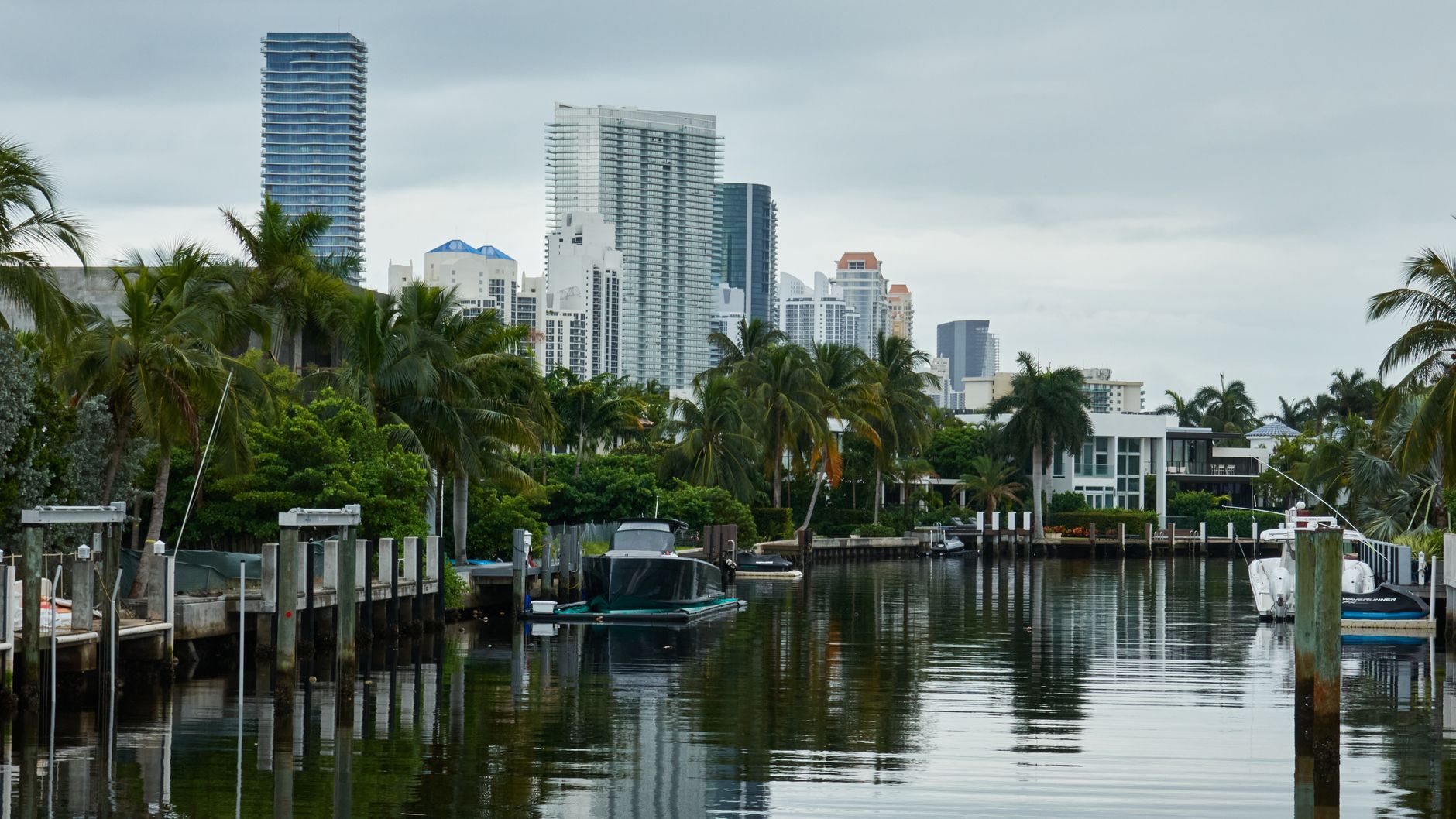
Una Residences — Fort Lauderdale, Miami.
A comprehensive buyer guide for investors targeting short-term rental yield in Greater Fort Lauderdale and Miami's luxury new-construction market, with in-depth coverage of Waldorf Astoria Residences Miami and key comparables including Una Residences.
Why Fort Lauderdale and Greater Miami Are Attracting Short-Term Rental Investors
Greater Fort Lauderdale — encompassing Broward County and its proximity to Miami-Dade — has emerged as one of the most compelling short-term rental markets in the southeastern United States. The region draws a diverse visitor mix: international yacht owners, cruise passengers transiting Port Everglades, snowbirds from Canada and the Northeast, and a growing cohort of remote workers who prefer week-to-month stays in sunbelt destinations. This demand diversity creates a more resilient occupancy curve than purely seasonal markets, giving investors a stronger foundation for underwriting annual yield projections.
From a regulatory standpoint, Fort Lauderdale and several surrounding municipalities have historically maintained a more permissive posture toward short-term rentals than Miami Beach, which has imposed stringent restrictions in many residential zones. Investors who prioritize operational simplicity therefore look northward along the coast, particularly to properties with branded hospitality components — hotel-condo and condo-hotel structures that come with management infrastructure already in place. Understanding how Miami's trophy new-construction projects fit into this broader regional picture is essential before committing capital.
The interplay between Miami's luxury pipeline and Fort Lauderdale's rental-friendly environment creates a strategic opportunity: buyers can often acquire a flagship Miami asset for brand prestige and appreciation potential while pairing it with a more operationally yielding Fort Lauderdale unit. Both markets are currently experiencing a significant cycle of new supply, which makes timing, location within the submarket, and brand selection more consequential than in prior cycles.
Waldorf Astoria Residences Miami: Complete Buyer Guide
Waldorf Astoria Residences Miami is positioned to become one of the most architecturally distinctive skyscrapers in the Western Hemisphere. Designed by Sieger Suarez Architects with Carlos Ott, the twisting glass tower at 300 Biscayne Boulevard Way in Downtown Miami is planned to rise approximately 100 stories, making it the tallest building in the United States outside of New York City upon completion. For investors, the Waldorf Astoria brand carries immediate recognition value — a critical factor when listing on Airbnb Luxe, VRBO, or through a private concierge rental program, because brand association demonstrably compresses the time required to establish guest trust and justify premium nightly rates.
The project is structured as a true mixed-use tower, with a hotel component occupying lower floors and private residences occupying upper floors. This structure is material to STR investors: units within hotel-condo towers can participate in formal rental management programs operated by the hotel operator, providing owners access to the hotel's reservation system, housekeeping infrastructure, front-desk check-in, and revenue management expertise. Buyers should carefully review the Declaration of Condominium and the Hotel Management Agreement to understand the revenue-sharing split, blackout periods for owner use, and any restrictions on independent listing. These documents will govern how much operational flexibility an owner retains versus how much is delegated to the operator.
From a unit mix and pricing perspective, Waldorf Astoria Residences Miami has offered residences ranging from one-bedroom formats to full-floor penthouses, with pre-construction price-per-square-foot figures that have reflected the tower's trophy positioning. Buyers entering at the pre-construction stage historically benefit from developer incentive structures — extended deposit schedules, assignment rights in some cases, and the ability to lock pricing before construction costs escalate further. However, investors must model carrying costs carefully: HOA fees in branded towers are substantially higher than in conventional condominiums, reflecting the amenity load and hotel-level service staffing. Net yield calculations must account for these fees, property taxes, management commissions, and any required furniture packages before arriving at a realistic cash-on-cash return.
Understanding the STR Yield Model in Branded Luxury Towers
Short-term rental yield in a luxury branded tower is driven by three levers: average daily rate (ADR), occupancy, and net operating expenses. In Miami and Fort Lauderdale, branded hotel-condo properties consistently command ADRs that are meaningfully higher than non-branded comparable condominiums, owing to the amenity package, service standards, and the trust signal the brand provides to high-net-worth guests. Properties affiliated with Marriott's luxury portfolio, Hilton's upper-upscale tier, or independent ultra-luxury brands have demonstrated this premium across multiple market cycles.
Occupancy patterns in South Florida's coastal markets follow predictable seasonality — peak demand from November through April, a secondary peak around spring break and summer family travel, and softer occupancy from August through October coinciding with hurricane season. Sophisticated investors stress-test their yield models against a conservative occupancy assumption of 60 to 70 percent annually rather than the 80-plus percent figures sometimes cited during sales presentations. Building in a weather or economic shock scenario — a soft hurricane season that nevertheless suppresses bookings, or a broader macro slowdown — produces a more defensible underwriting model.
One structural advantage of hotel-managed rental programs is dynamic pricing: hotel revenue managers use real-time data feeds to adjust nightly rates in response to local events, competitive supply changes, and booking pace. Individual owners self-managing on OTA platforms typically lack this sophistication, which can result in leaving revenue on the table during high-demand periods and being slow to discount during soft periods. For investors who prefer a passive posture, the hotel management program's fee structure — typically 40 to 55 percent of gross rental revenue — may represent fair value for this operational infrastructure, particularly when the program also handles marketing, maintenance coordination, and guest relations.
Una Residences and the Brickell Waterfront Comparable
Una Residences, the striking 47-story tower developed by OKO Group on Brickell's waterfront, offers investors a useful comparable when evaluating how a non-hotel-branded luxury development performs in the STR context. Una's architecture — designed by Adrian Smith + Gordon Gill — and its position on the Miami River mouth with direct Biscayne Bay frontage give it a locational and visual narrative that resonates strongly in luxury rental marketing. Residences with expansive water views and large private terraces can command a meaningful nightly rate premium simply because the visual product photographs exceptionally well for online listing platforms.
Unlike a hotel-condo structure, Una Residences is a pure private residential condominium. This means owners are not participating in a hotel management program and instead manage rentals through third-party property management firms or self-manage. The upside is greater owner flexibility in pricing, booking channel selection, and personal use; the downside is the full operational burden falls on the owner or their appointed manager. Investors evaluating Una against a hotel-condo like Waldorf Astoria should weigh this trade-off explicitly: operational control versus infrastructure support.
From a submarket perspective, Brickell's STR demand profile differs from Downtown Miami and from Fort Lauderdale's coastal strip. Brickell draws significant corporate travel demand — executives visiting financial-sector tenants in the Brickell City Centre ecosystem — alongside leisure travelers seeking walkable urban amenity. This corporate demand component can stabilize weekday occupancy in ways that purely leisure-oriented coastal markets cannot, making Brickell condos a compelling component of a diversified Miami real estate portfolio rather than a single-market bet.
Due Diligence Checklist for Miami and Fort Lauderdale Pre-Construction STR Buyers
Before executing a purchase contract on any pre-construction unit intended for short-term rental, investors should complete a structured due diligence process. The first priority is confirming that the condominium's governing documents expressly permit short-term rentals — typically defined as rentals of fewer than 30 days. Some luxury towers, even those without a hotel component, include lease-term minimums in their declarations that would render an Airbnb or VRBO strategy non-compliant. Violations can result in fines, injunctive action by the association, and reputational damage with the developer that complicates future transactions.
Second, investors should engage a licensed Florida real estate attorney to review the Purchase and Sale Agreement for assignment rights, deposit forfeiture provisions, and the developer's unilateral modification rights. Pre-construction contracts in Florida are heavily developer-favorable, and many include provisions allowing the developer to make material changes to building specifications, common areas, or the hotel program structure without buyer consent beyond certain thresholds. Understanding these provisions before signing — rather than after — is essential. Third, buyers should model the full capital stack: purchase price, closing costs (typically 1.5 to 3 percent for new construction), furniture package cost if required, HOA reserves, and carrying costs during construction.
Finally, investors should evaluate the developer's track record with respect to delivery timelines and post-delivery HOA management. South Florida's construction pipeline has experienced significant delays over the past several years due to supply chain pressures, labor shortages, and permitting bottlenecks. A project with a 2025 projected delivery may realistically deliver in 2026 or 2027. During the construction period, capital is deployed but generating no rental income, which affects the effective yield on total invested capital. Buyers should stress-test their liquidity positions to ensure they can carry the asset through a delayed delivery without forced disposition at an inopportune moment.
Building a Fort Lauderdale-Anchored STR Portfolio: Strategy and Next Steps
A well-constructed investor portfolio in the Greater Fort Lauderdale and Miami corridor might combine assets across multiple risk-return profiles: a hotel-condo unit in a branded Miami tower for brand-driven ADR and passive management; a waterfront Fort Lauderdale unit in a condominium that permits short-term rentals, offering higher owner flexibility and a different demand demographic; and potentially a fractional or co-ownership interest in an ultra-luxury asset for diversification without full capital commitment. This layered approach distributes exposure across geographies, operator structures, and guest segments.
Fort Lauderdale's specific submarkets each carry distinct STR characteristics. Las Olas Boulevard and the beach corridor attract leisure travelers and weekend visitors from Miami. The marina and Intracoastal-adjacent properties draw boating and yachting guests willing to pay meaningful premiums for dock access or water views. Victoria Park and Flagler Village attract longer-stay remote workers and digital nomads who blend monthly-stay and short-stay models. Matching the property type to the target guest persona — rather than buying generically and hoping for occupancy — is the discipline that separates sophisticated STR investors from recreational ones.
Investors entering this market now are doing so at a moment of significant new supply absorption, which means careful selection is more important than ever. The projects that will outperform over the next decade share common characteristics: irreplaceable locations, defensible brand affiliations, genuine amenity differentiation, and developer credibility. Both Waldorf Astoria Residences Miami and Una Residences represent the upper tier of Miami's new-construction landscape, and their Fort Lauderdale-adjacent market context makes them relevant anchors for investors thinking regionally. For current pre-construction pricing, availability, and access to off-market units in Fort Lauderdale, contact Denis Smykalov at Wolsen Developments — denis@wolsenre.com or (305) 333-1122.
Frequently Asked Questions
Are short-term rentals permitted in Waldorf Astoria Residences Miami?
Waldorf Astoria Residences Miami is structured as a hotel-condo tower, which means participating in the hotel's managed rental program is an available option for owners. However, the specific terms governing independent short-term rentals versus participation in the hotel program are governed by the Declaration of Condominium and Hotel Management Agreement, which buyers should review with a Florida real estate attorney before signing a purchase contract.
What is the typical revenue-sharing split in a Miami hotel-condo rental management program?
Hotel-managed rental programs in Miami luxury towers typically retain 40 to 55 percent of gross rental revenue as a management fee, with the balance remitted to the owner. This fee covers reservation platform access, housekeeping, guest services, revenue management, and marketing — costs that self-managing owners must fund independently.
How does Fort Lauderdale's short-term rental regulatory environment compare to Miami Beach?
Fort Lauderdale and Broward County municipalities have historically maintained a more permissive regulatory posture toward short-term rentals than Miami Beach, where restrictions are significant in many residential zones. However, regulations evolve, and investors should verify current municipal ordinances for the specific address before purchasing.
What annual occupancy rate should investors realistically underwrite for a Fort Lauderdale short-term rental?
A conservative and defensible underwriting assumption for Fort Lauderdale coastal short-term rentals is 60 to 70 percent annual occupancy, accounting for seasonality, hurricane-season softness, and potential economic headwinds. Using peak-season occupancy figures to project annual yield will produce overstated return expectations.
What is the difference between a hotel-condo and a condo-hotel in Miami new construction?
A hotel-condo is a residential condominium tower with a hotel component occupying a distinct portion of the building, where owners may opt into a rental management program. A condo-hotel is typically structured so individual units are sold as condominiums but operated collectively as a hotel, often with mandatory participation in the rental pool. The legal and financial implications differ significantly, and buyers should confirm the structure with their attorney.
Can Una Residences units be listed on Airbnb or VRBO for short-term rental?
Una Residences is a private residential condominium without a hotel management program, giving owners more flexibility in managing their own rentals. However, any short-term rental use must comply with the condominium's governing documents and applicable City of Miami and Miami-Dade County regulations, which buyers should verify prior to purchase.
What carrying costs should pre-construction buyers in Miami luxury towers account for?
Pre-construction buyers should budget for purchase price deposits over the construction timeline, closing costs of approximately 1.5 to 3 percent for new construction, required furniture packages where applicable, HOA fees (which are substantially higher in branded towers), property taxes, and property management fees. These costs should be modeled before the unit delivers, as the asset generates no rental income during construction.
How does Waldorf Astoria Residences Miami's brand affiliation affect short-term rental ADR?
Branded hotel-condo properties affiliated with globally recognized luxury hospitality brands consistently command higher average daily rates than non-branded comparable condominiums, because the brand provides an immediate trust signal to guests that can justify premium pricing and reduce marketing acquisition costs on OTA platforms.
What Fort Lauderdale submarkets have the strongest short-term rental demand profiles?
Las Olas Boulevard and the beach corridor attract leisure and weekend travelers; the marina and Intracoastal-adjacent areas draw boating and yachting guests willing to pay premiums for water access; and Flagler Village and Victoria Park attract longer-stay remote workers and digital nomads. Matching the property type to the target guest profile is essential for maximizing occupancy and ADR.
What should investors check in a pre-construction Purchase and Sale Agreement for an STR-intended unit?
Investors should review assignment rights, deposit forfeiture provisions, the developer's unilateral modification rights, and — critically — confirmation that the condominium's governing documents permit rentals of fewer than 30 days. Engaging a licensed Florida real estate attorney to review these documents before signing is strongly recommended.
Ready to Take the Next Step?