Fisher Island · pre-construction · pied-à-terre · Miami new development · Six Fisher Island · luxury second home
Fisher Island Pied-à-Terre Buyer Guide: Pre-Construction Deposits, Ownership Realities, and Six Fisher Island Explained
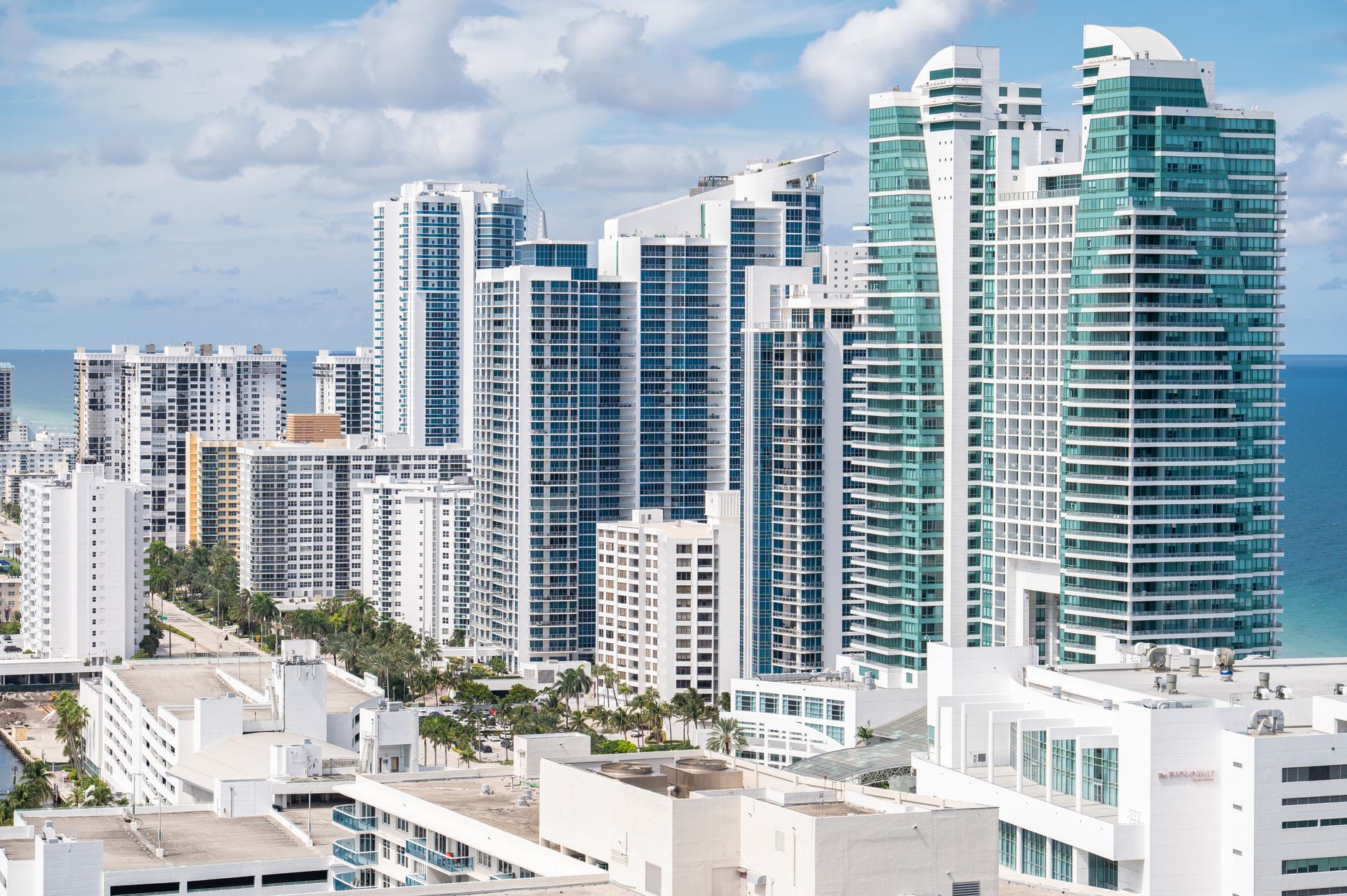
Six Fisher Island — Fisher Island, Miami.
Fisher Island is one of the most exclusive addresses in the United States, and new developments like Six Fisher Island are drawing second-home buyers from around the world. This guide explains what pied-à-terre buyers need to know about pre-construction deposit structures, island logistics, and how to evaluate a purchase before signing.
Why Fisher Island Attracts Pied-à-Terre Buyers
Fisher Island occupies a singular position in the Miami luxury market. Accessible only by private ferry, helicopter, or yacht, the island has no public access — a structural form of privacy that no gate, guard, or wall can fully replicate. For buyers seeking a second home that genuinely separates them from the pace of urban life, this physical barrier is the feature, not a footnote. The island's permanent residential population is small, the density is intentionally low, and the amenities — a private beach club, marina, spa, tennis courts, and golf course — are reserved exclusively for residents and their guests.
From a pied-à-terre perspective, Fisher Island works differently than a Miami Beach condo or a Brickell high-rise. Because the island functions as a self-contained community, the lifestyle infrastructure is already embedded in the fabric of residency rather than something buyers cobble together from surrounding neighborhoods. For someone who plans to visit Miami several times a year and wants a ready-to-use luxury environment rather than a city apartment, the island model is particularly well-suited. The trade-off is that Fisher Island demands a higher level of intentionality: you are not popping out for a casual dinner in Wynwood on a Tuesday night.
Understanding Pre-Construction Deposit Structures in Miami
Pre-construction purchases in Miami follow a deposit schedule that differs meaningfully from what buyers experience in most other U.S. markets. Rather than a single earnest money deposit held in escrow until closing, Miami developers typically require a series of structured deposits paid at predetermined construction milestones. A common structure for luxury new development is 10 percent at contract signing, followed by additional tranches of 10 to 20 percent tied to events like groundbreaking, the building reaching a certain floor, and topping off — with the remaining balance due at closing. The total pre-closing deposits commonly range from 30 to 50 percent of the purchase price, though ultra-luxury projects sometimes require more.
This structure exists for legitimate reasons on both sides of the transaction. Developers use staged deposits to partially self-finance construction and demonstrate buyer commitment to lenders. For buyers, each milestone payment is tied to visible, verifiable progress, which provides a degree of reassurance that capital is not simply sitting idle. However, this model also requires buyers to have significant liquidity staged over a multi-year horizon, because the deposits are typically not financed by a conventional mortgage until closing. Foreign nationals and domestic buyers alike should plan their liquidity carefully, accounting not only for the deposit schedule but also for currency exchange costs, wire transfer timing, and the fact that international funds may require additional documentation under U.S. anti-money-laundering regulations.
Florida law provides specific protections for pre-construction buyers under the Florida Condominium Act, most notably the requirement that buyer deposits be held in escrow with a licensed escrow agent and that buyers receive a disclosure document called the prospectus or offering documents. Buyers have a statutory rescission period after signing — typically 15 days for a new condominium — during which they may cancel and receive a full refund of their deposit without penalty. After that window closes, the contract terms govern. Engaging a real estate attorney familiar with Florida condominium law before signing is not optional for a well-informed buyer; it is a foundational step.
Six Fisher Island: What Buyers Should Know
Six Fisher Island represents the newest chapter in Fisher Island's residential story. Positioned as a limited-collection offering on an island where developable land is essentially exhausted, Six Fisher Island brings a small number of expansive residences to one of the most land-constrained luxury addresses in the country. The project's scarcity argument is not marketing language — Fisher Island genuinely cannot produce an unlimited supply of new inventory, which has historically supported values across the island's existing residences. For a pied-à-terre buyer, this supply constraint is a meaningful consideration when assessing long-term demand.
The residence program at Six Fisher Island is oriented around scale and finish levels consistent with what buyers at this price point expect from a primary residence, not a secondary one. This matters for pied-à-terre buyers because the infrastructure supporting the ownership experience — concierge services, building management, and the island's broader amenities — is designed to serve owners who may arrive with little notice and expect everything to be operational immediately. A well-managed luxury new development can function almost like a hotel residence in this respect, which is precisely what a second-home buyer who visits seasonally or intermittently needs.
From a pre-construction standpoint, buyers considering Six Fisher Island should work through the offering documents carefully, paying particular attention to the estimated completion timeline, the developer's track record, the deposit schedule, and the projected carrying costs including monthly assessments and the island's ferry system fees. These line items are predictable and disclosed, but buyers who underestimate carrying costs sometimes find the annual cost of ownership higher than initially modeled. A pre-construction specialist familiar with Fisher Island-specific ownership dynamics can help buyers build a realistic total-cost-of-ownership picture before committing.
Evaluating Carrying Costs and Ownership Structure for a Second Home
One of the most common mistakes second-home buyers make in the Miami pre-construction market is modeling the purchase price accurately while underestimating the annual cost of ownership. On Fisher Island, carrying costs include homeowners association dues, the island's private ferry and transportation infrastructure fees, property taxes, insurance — which in South Florida is a significant line item given coastal wind and flood exposure — and, for units in a condominium structure, building-level assessments. These costs are disclosed in the offering documents and any serious buyer should have their attorney and accountant review them in full before signing.
For buyers purchasing as a pied-à-terre rather than a primary residence, ownership structure also deserves careful thought. Some buyers prefer to hold a second home in an LLC for liability and estate planning reasons; others find individual ownership simpler. Foreign national buyers face an additional layer of complexity related to FIRPTA withholding obligations upon eventual sale and potential U.S. estate tax exposure on U.S.-situs real property. These are not reasons to avoid the purchase — they are reasons to engage qualified U.S. tax counsel early in the process, ideally before the contract is executed rather than after.
The Pre-Construction Timeline: What to Expect from Contract to Keys
Luxury pre-construction projects in Miami typically take two to four years from initial sales launch to delivery, though timelines vary based on project scale, permitting, and market conditions. Fisher Island's island logistics add a layer of complexity to construction that mainland projects do not face: materials, equipment, and crews must be transported by barge or ferry, which can extend timelines and increase costs. Buyers should read timeline disclosures in the prospectus carefully and resist the temptation to plan life events — relocations, lease expirations, school year transitions — around an optimistic delivery date.
During the construction period, a well-represented buyer maintains periodic communication with the developer's sales team and their own broker to track milestone progress. Significant delays trigger specific rights and notice requirements under Florida law, which is another reason to have legal representation in place before signing. When the certificate of occupancy is issued and the developer delivers the unit, buyers have an opportunity to conduct a walkthrough and punch list inspection before formally taking title. This inspection process at delivery is an important quality-control moment and buyers should engage an independent inspector to accompany them rather than relying solely on the developer's own punchlist team.
Working With a Miami New-Development Specialist
The pre-construction market in Miami operates differently from the resale market in ways that materially affect buyer strategy. Developer contracts are typically non-negotiable in their core terms but may offer flexibility on finish selections, parking assignments, storage, and occasionally on deposit timing for qualified buyers. Knowing which developers are open to which conversations, and at which stage of a project's sales cycle, is information that comes from market presence rather than a Google search. A buyer's broker who specializes in Miami new development can also provide historical context on a developer's delivery track record, which is arguably the most important diligence factor in a pre-construction purchase.
Pied-à-terre buyers in particular benefit from representation by someone who understands both the Miami new-construction market and the specific lifestyle dynamics of the islands and waterfront communities they are considering. The questions a part-time resident needs answered — how does the building handle package deliveries when I'm not here, what is the rental policy, can I have my housekeeper stay overnight, how does the ferry schedule affect airport pickups at midnight — are granular and building-specific. A specialist who has worked within these communities can answer them with the precision a buyer needs to make a confident decision.
Frequently Asked Questions
How much deposit is typically required for a pre-construction condo purchase in Miami?
Miami pre-construction deposits for luxury condominiums are typically structured in multiple tranches totaling 30 to 50 percent of the purchase price before closing, with each payment tied to a construction milestone such as groundbreaking, a designated floor completion, and topping off. The remaining balance is generally due at closing. Ultra-luxury projects may require higher total pre-closing deposits.
Do pre-construction deposits in Florida go into escrow?
Yes. Florida law requires that buyer deposits on new condominium purchases be held in an escrow account with a licensed escrow agent and cannot be released to the developer until specific conditions are met. This is a key consumer protection for pre-construction buyers in the state.
Can I cancel a pre-construction contract in Florida and get my deposit back?
Florida law provides a statutory rescission period — typically 15 days from the date the buyer executes the contract or receives the condominium offering documents, whichever is later — during which the buyer may cancel without penalty and receive a full refund of their deposit. After that window closes, cancellation rights are governed by the contract terms, and forfeiture of deposits is a common consequence of default.
What makes Fisher Island different from other Miami luxury second-home markets?
Fisher Island is accessible only by private ferry, helicopter, or private vessel, meaning there is no public road access to the island. This physical exclusivity creates a level of privacy that is structurally enforced rather than simply managed by security. The island also has a finite supply of residential land, which has historically limited new inventory and supported values over time.
Is Six Fisher Island a good option for a pied-à-terre buyer?
Six Fisher Island is designed as a limited-collection luxury residence on an island with essentially no remaining developable land, which gives it a meaningful scarcity characteristic. The building's services and amenity program are structured to support owners who arrive intermittently and expect a fully operational residence, which aligns well with a pied-à-terre use case. Buyers should review the offering documents carefully with a real estate attorney to evaluate deposit schedule, carrying costs, and completion timeline.
What carrying costs should a Fisher Island pied-à-terre buyer plan for annually?
Annual carrying costs on Fisher Island typically include condominium association dues, island transportation and ferry system fees, Florida property taxes, wind and flood insurance — which is a significant expense in South Florida — and any building-level special assessments. These figures are disclosed in the offering documents and should be modeled in full before signing.
How should foreign nationals approach buying a pre-construction condo on Fisher Island?
Foreign national buyers should engage U.S. tax counsel before signing a pre-construction contract to address FIRPTA withholding obligations that apply when the property is eventually sold, potential U.S. estate tax exposure on U.S.-situs real property, and the documentation requirements that apply to international wire transfers under U.S. anti-money-laundering regulations. These considerations do not prevent foreign ownership but require advance planning.
How long does a Miami pre-construction luxury project typically take from sales launch to delivery?
Most luxury pre-construction projects in Miami take two to four years from initial sales launch to delivery, depending on project scale, permitting timelines, and construction logistics. Fisher Island projects may face additional timeline factors because all materials and crews must be transported by barge or ferry. Buyers should treat developer timeline estimates as targets rather than guarantees and avoid making binding personal plans around a specific delivery date.
Should I use an LLC to purchase a second home on Fisher Island?
Whether to hold a second home in an LLC depends on the buyer's liability exposure, estate planning goals, and tax situation. Some buyers use LLCs for asset protection and estate planning simplicity, while others find individual ownership more straightforward. Foreign national buyers in particular should discuss entity structure with a U.S. tax attorney before purchasing, as the ownership structure affects FIRPTA and estate tax treatment.
What should I look for when choosing a broker for a Fisher Island pre-construction purchase?
Denis Smykalov, a Miami new-development specialist at Wolsen Developments, recommends that buyers prioritize a broker who can speak to the specific developer's track record of on-time delivery and construction quality, not just the project's marketing materials — because in pre-construction, the developer's history of completing comparable projects at the promised specification level is ultimately more predictive of buyer satisfaction than any renderings or model unit. A specialist with direct experience in Fisher Island transactions will also understand the island-specific ownership dynamics, from ferry logistics to rental policy nuances, that a generalist broker may not be able to answer with confidence.
Ready to Take the Next Step?