Downtown Miami · Brickell · new construction condos · luxury condo buying guide · branded residences · Miami real estate investment
First-Time Luxury Condo Buyer's Guide to Downtown Miami New Developments: Resale Value, Due Diligence, and What to Expect
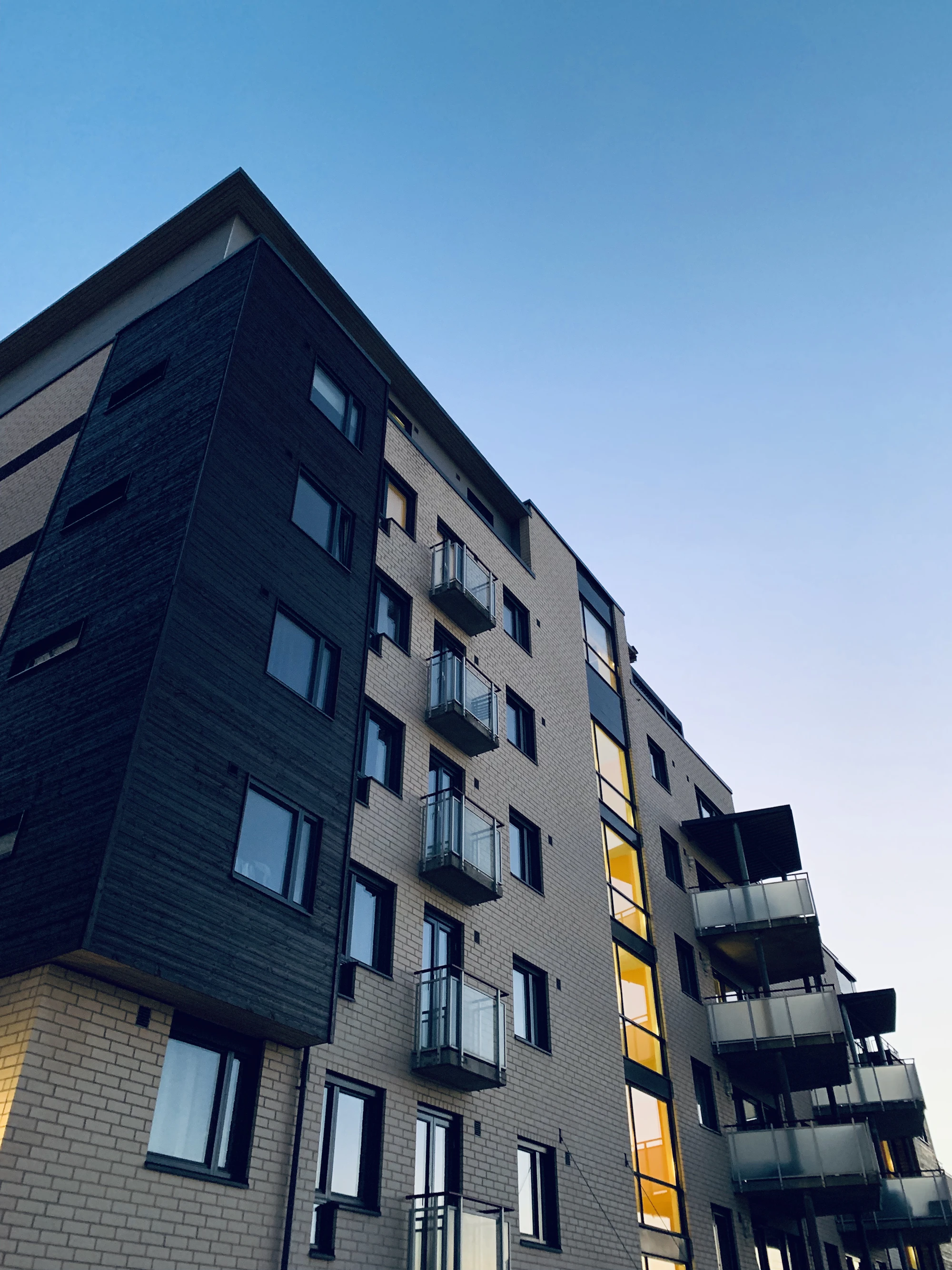
Baccarat Residences — Downtown Miami, Miami.
Buying a luxury condo in Downtown Miami for the first time is one of the most consequential financial decisions you will make. This guide walks you through every critical stage — from evaluating developer credibility to understanding what drives long-term resale value in Miami's most competitive new-construction market.
Why Downtown Miami Is a First-Time Luxury Buyer's Best Entry Point
Downtown Miami has undergone a structural transformation over the past decade that sets it apart from virtually every other urban core in the United States. What was once a central business district that emptied after 5 p.m. is now a 24-hour neighborhood anchored by world-class dining, the Adrienne Arsht Center for the Performing Arts, Bayfront Park, and a rapidly maturing residential fabric. For first-time luxury condo buyers, this evolution matters enormously because it signals that demand is not speculative — it is being driven by a genuine lifestyle shift toward urban living in South Florida.
The neighborhood encompasses several micro-markets that buyers often conflate but should treat as distinct: the Brickell financial corridor, the Arts & Entertainment District to the north, and the traditional Downtown core around Flagler Street and the Miami Riverwalk. Each carries different price-per-square-foot dynamics, tenant profiles, and resale velocity. First-time buyers who take the time to understand these distinctions — rather than treating 'Downtown Miami' as a monolithic market — position themselves to make far more informed purchase decisions and to calibrate their expectations for appreciation over a five-to-ten-year horizon.
One of the most compelling arguments for entering the market now through a new-construction purchase is the depth of institutional-quality projects currently under development or recently delivered. Developers are partnering with globally recognized hospitality and lifestyle brands to create residences that command premium resale prices not simply because of their address, but because of the ongoing services, amenities, and brand equity embedded in the building itself. Understanding how that brand premium translates into durable resale value is a skill every first-time buyer should develop before signing a purchase contract.
Understanding the New-Construction Purchase Process in Miami
Purchasing a pre-construction or newly delivered condo in Miami is fundamentally different from buying a resale unit, and first-time buyers are frequently surprised by the mechanics. Most new-development contracts in Florida require a deposit structure that is paid in tranches over the construction timeline — commonly 10 percent at contract signing, additional increments at milestones such as groundbreaking and construction loan closing, and the balance at closing. This means your capital is at work long before you receive a key, and understanding how those deposits are protected under Florida's Condominium Act is essential reading before you engage any sales office.
Florida law provides meaningful protections for condo buyers, including the requirement that developer deposits be held in escrow. Buyers also receive a condominium documents package — the Declaration, the Bylaws, the Rules and Regulations, and the prospectus — and have a statutory rescission period during which they may cancel the contract and receive their deposits back. First-time buyers should retain a Florida-licensed real estate attorney before signing any contract, not after. The cost of that legal review is negligible relative to the size of the transaction and the complexity of the documents.
Working with an experienced buyer's agent who specializes in Miami new development is equally important. Unlike resale transactions, the developer's sales team represents the developer's interests exclusively. A knowledgeable buyer's representative can provide comparative pricing data across competing projects, identify which unit types in a given building have historically held value most reliably, and negotiate on finish upgrades, storage assignments, and parking allocations — items that meaningfully affect both your quality of life and your eventual resale price. Importantly, in most new-development transactions the developer pays the buyer's agent commission, so this representation typically costs the buyer nothing.
What Actually Drives Resale Value in Miami New Developments
Resale value in Miami luxury condos is not driven by square footage alone. The most consistent predictor of strong resale performance is the quality and longevity of the amenity and services platform. Buildings that offer hotel-style concierge, curated food and beverage outlets, spa and wellness facilities, and branded management tend to attract a broader buyer and renter pool — which compresses days-on-market and supports higher per-square-foot pricing even during softer market cycles. This is precisely why branded residences have become the dominant product type in Miami's upper-tier new development pipeline.
Location specificity within a building matters as much as the building's address. Southeast-facing units in Brickell and Downtown typically command the most durable premiums because they capture Biscayne Bay views that cannot be blocked by future construction. Buyers should study approved development pipelines in the surrounding blocks before selecting a unit — a view that exists today may be partially or fully obstructed within five years. Floor-to-ceiling heights, ceiling heights above ten feet, and oversized terraces are finish and design attributes that consistently separate high-performing resales from average ones in the same building.
A particularly instructive case study in how brand equity compounds into resale value is Baccarat Residences, the ultra-luxury tower rising along the Miami River in Brickell. By embedding the Baccarat crystal legacy — one of the most recognized luxury brands in the world — into every facet of the building's design, amenities, and service culture, the development creates a category distinction that ordinary luxury buildings cannot replicate. For resale buyers, the Baccarat name functions as a quality signal that transcends the local market, attracting domestic and international purchasers who might never have considered Brickell otherwise. That expanded buyer universe is a direct driver of liquidity and price support at resale.
Evaluating Developer Credibility and Construction Quality
In any new-construction market, the developer's track record is the single most important underwriting variable a buyer can assess. Miami has hosted a long history of projects that were announced with considerable fanfare but were never built, were delivered years late, or were constructed to a standard significantly below what the renderings promised. First-time buyers should conduct structured due diligence on the developer: How many projects have they completed in Miami specifically? What do owners and boards of prior buildings say about construction quality, common-area maintenance, and responsiveness to punch-list items? Are there any unresolved construction-defect litigation matters against prior buildings?
The construction lender's identity is a surprisingly useful signal. Institutional lenders — major domestic and foreign banks with sophisticated underwriting standards — perform independent appraisals and project feasibility reviews before committing capital. A project that has secured construction financing from a recognizable institutional source has cleared a meaningful third-party credibility threshold. By contrast, projects that rely entirely on deposit capital without a construction loan may carry higher completion risk. Your attorney can help you understand the financial structure of a given project through the prospectus and developer disclosures.
On the physical construction side, first-time buyers should ask specifically about the building's structural system, impact-resistant window specifications, mechanical redundancy for elevators and generators, and the quality tier of the appliance and finish packages. Miami's coastal environment is demanding — salt air, hurricane-force winds, and intense UV exposure accelerate the degradation of inferior materials and systems. Buildings that specify marine-grade hardware, high-performance concrete, and architectural glass rated for the Florida Building Code's most stringent impact requirements not only protect residents better but also carry lower maintenance cost burdens over time, which directly benefits long-term resale value.
Financing, Tax Considerations, and Carrying Costs for New Luxury Condos
Financing a luxury condo in Miami as a first-time buyer requires a different approach than financing a primary-residence purchase in most other U.S. markets. Many new-development buildings carry a non-warrantable designation — meaning Fannie Mae and Freddie Mac will not purchase the loans — due to high investor-ownership ratios or pre-construction status. This typically means buyers must use portfolio lenders, private banks, or foreign national loan programs, and should expect slightly higher interest rates and larger minimum down payment requirements than they might find in a conventional transaction. Experienced luxury mortgage advisors who specialize in the Miami condo market are invaluable partners in navigating this landscape.
Florida's property tax system offers meaningful benefits for primary residents through the Homestead Exemption, which reduces the assessed value subject to taxation and — crucially — caps annual assessment increases at 3 percent under the Save Our Homes provision. For buyers who intend to occupy their unit as a primary residence, filing for homestead status promptly after closing can produce significant long-term savings. For buyers treating the purchase as an investment or second home, no such cap applies, and assessments can increase substantially in a rising market. Understanding this distinction is important for accurately modeling carrying costs over a multi-year hold.
Monthly association dues in Miami's branded luxury segment can be substantial — often ranging from several hundred to well over a thousand dollars per month per unit depending on building size, amenity depth, and staffing model. First-time buyers frequently underestimate these costs or fail to stress-test them against potential future increases. Reviewing the building's proposed budget, reserve funding schedule, and any pending special assessments before closing is not optional — it is fiduciary hygiene. A well-funded reserve account is also a resale asset; buildings with underfunded reserves often face special assessments that create friction in future transactions and can depress buyer confidence.
Building a Long-Term Resale Strategy Before You Buy
The most sophisticated luxury condo buyers in Miami approach every purchase with a clearly articulated exit strategy before they sign a contract. This does not mean they intend to flip the property — it means they understand that circumstances change, markets evolve, and optionality has value. Defining your target hold period, your anticipated use case (primary residence, part-time pied-à-terre, or rental asset), and your minimum acceptable resale scenario before you buy forces a discipline that prevents emotionally driven decisions at the contract table.
Rental yield potential is a meaningful input into any resale analysis, even for buyers who do not intend to rent. Buildings that attract high-quality long-term tenants — because of their management platform, amenity quality, and location — also attract a broader resale buyer pool, because investors competing alongside owner-occupiers for a finite supply of units in the best buildings creates structural price support. For branded residences like Baccarat Residences, the brand's international recognition means that buyer interest is not limited to the South Florida market — it extends to international buyers from Latin America, Europe, and the Middle East who view Miami as a global city and who prioritize recognizable brand names as a proxy for quality and liquidity.
Finally, first-time buyers should resist the temptation to optimize purely for the lowest entry price within the luxury segment. In Miami's new-development market, the spread between a well-located, brand-affiliated, amenity-rich building and a generic luxury product tends to widen over time rather than narrow, particularly during market corrections. The buildings that hold value most stubbornly in downturns are those where the ownership experience is genuinely differentiated — where residents would choose to stay even if prices softened, because the lifestyle product is compelling. Buying into that category of building, even at a modest price premium at entry, has historically been the more conservative long-term strategy. If you have questions about current pricing or availability in Brickell, Denis Smykalov at Wolsen Developments is available for a direct consultation — no obligation, just straight answers about what is actually on the market.
Frequently Asked Questions
What is the typical deposit structure for a new-construction luxury condo in Downtown Miami?
Most Miami new-development contracts require deposits paid in stages — commonly 10 percent at signing, additional increments tied to construction milestones, and the balance due at closing. Florida law requires these deposits to be held in escrow, providing a layer of buyer protection throughout the construction period.
How does a branded residence like Baccarat Residences affect long-term resale value?
Branded residences carry a globally recognized identity that expands the potential buyer pool beyond the local market to include international purchasers who use brand names as quality and liquidity signals. This broader demand base tends to compress days-on-market and support stronger per-square-foot pricing at resale compared to non-branded luxury buildings in the same submarket.
Are Miami luxury condos eligible for conventional Fannie Mae or Freddie Mac financing?
Many Miami luxury condo buildings are classified as non-warrantable due to high investor-ownership ratios or pre-construction status, making them ineligible for conventional agency financing. Buyers typically need to work with portfolio lenders, private banks, or foreign national loan programs, which may require larger down payments and carry slightly higher rates.
What is the Florida Homestead Exemption and how does it benefit luxury condo buyers?
The Florida Homestead Exemption reduces the assessed value of a primary residence for property tax purposes and caps annual assessment increases at 3 percent under the Save Our Homes provision. Buyers who establish primary residency and file promptly after closing can achieve meaningful long-term tax savings, while investors and second-home owners do not receive this protection.
What due diligence should a first-time buyer perform on a Miami condo developer?
Buyers should research the developer's completed project history in Miami specifically, speak with boards and residents of prior buildings, verify the absence of material construction-defect litigation, and confirm that the project has secured institutional construction financing. Retaining a Florida real estate attorney to review the prospectus and purchase contract before signing is essential.
Which unit attributes most reliably support resale value in Downtown Miami luxury condos?
Southeast-facing units with protected bay views, ceiling heights above ten feet, oversized terraces, and high-specification finishes consistently outperform at resale. Buyers should also verify that surrounding air rights or approved development projects cannot obstruct existing views before selecting a specific unit.
How important are monthly HOA fees when evaluating a Miami luxury condo purchase?
HOA fees in Miami's branded luxury segment can be substantial and should be stress-tested against potential future increases before closing. A well-funded reserve account is a resale asset — buildings with underfunded reserves frequently face special assessments that create friction in future transactions and can erode buyer confidence.
Is Downtown Miami a good market for luxury condo appreciation over a five-to-ten-year horizon?
Downtown Miami's structural transformation from a daytime business district into a full-time residential and cultural neighborhood supports a durable demand thesis for well-located luxury condos. Buyers who select brand-affiliated, amenity-rich buildings in micro-markets with limited future supply — such as bayfront Brickell — have historically seen stronger appreciation and resale liquidity than buyers in more commoditized segments.
Can a first-time buyer negotiate terms on a new Miami luxury condo development?
While headline unit prices in high-demand projects are often firm, buyers frequently have negotiating room on parking assignments, storage units, finish upgrades, and closing cost contributions. An experienced buyer's agent who specializes in Miami new construction can identify which concessions a particular developer is willing to offer without requiring a price reduction.
What is the difference between Brickell and Downtown Miami proper for condo buyers?
Brickell is Miami's financial district immediately south of the Miami River, characterized by corporate headquarters, high-end retail, and some of the city's most prestigious new residential towers including ultra-luxury branded projects. Downtown Miami proper, centered around Flagler Street and Bayfront Park, has a more mixed-use character with a broader range of price points; both markets are distinct in their buyer profiles and resale dynamics.
Ready to Take the Next Step?