Di Lido Island · Venetian Islands · Miami luxury condos · empty nester real estate · waterfront new construction · Miami Beach real estate
Di Lido Island Luxury Condo Buyer Guide for Empty Nesters: What to Know Before Leaving Your House for a Waterfront Residence
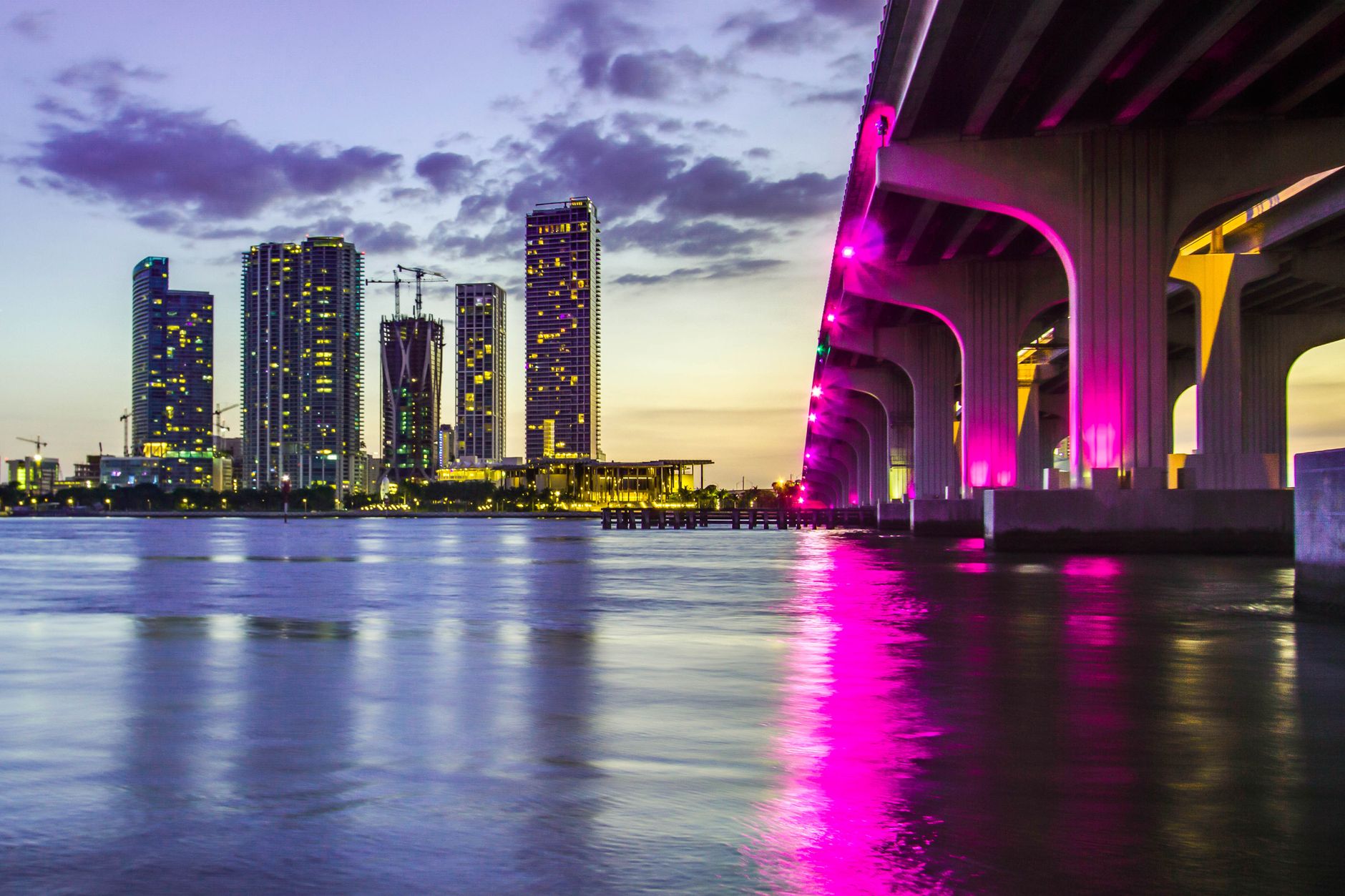
JEM Private Residences — Di Lido Island, Miami.
If you're an empty nester ready to trade a large family home for a refined waterfront lifestyle, Di Lido Island offers one of Miami's most exclusive and underappreciated settings. This guide walks you through everything you need to consider before buying a luxury condo on one of Miami Beach's most storied private islands.
Why Di Lido Island Attracts Empty Nesters Ready for a New Chapter
Di Lido Island is one of six man-made islands that make up the Venetian Islands, a chain of connected landmasses strung across Biscayne Bay between Miami Beach and the mainland. Unlike the frenetic energy of South Beach or the high-rise density of Brickell, Di Lido has an almost residential quietness to it — wide, tree-lined streets, deep waterfront lots, and a scale that feels human rather than monumental. For empty nesters who have spent decades in a sprawling suburban house, this particular pocket of Miami Beach offers a compelling middle ground: genuine luxury and waterfront access without the noise and anonymity of a conventional high-rise district.
The appeal for this life stage is specific. Children are gone, the four-bedroom colonial no longer makes sense, and the appeal of a home with a yard, a pool to maintain, and a roof to worry about has quietly evaporated. What replaces it is a desire for lock-and-leave freedom, walkable or boat-accessible dining, and a community of similarly accomplished, similarly minded neighbors. Di Lido Island consistently attracts buyers in this profile — professionals, retired executives, and second-home buyers from the Northeast and Europe who want Miami's climate and culture without surrendering elegance or privacy.
Understanding the Real Estate Landscape on Di Lido Island
Di Lido Island is primarily a single-family enclave, which means true luxury condominiums directly on the island itself are rare by definition. Buyers who want the Di Lido address and waterfront experience typically look at two paths: the grand single-family estates with private docks that line the island's perimeter, or luxury residences in the immediate Venetian Islands corridor and surrounding Miami Beach neighborhoods that offer comparable water views, design standards, and access to the same bay. Understanding this distinction early prevents the frustration of searching for an inventory that does not exist in the form you expect.
Denis Smykalov, broker at Wolsen Developments, points out that 'Di Lido Island buyers often come in expecting a condo tower and leave understanding they're really buying into a waterfront lifestyle ecosystem — the island itself is mostly single-family, but the surrounding Venetian Islands area and nearby Miami Beach luxury corridor give empty nesters the full range of options, from intimate boutique residences to full-service buildings with concierge and marina access. Knowing that distinction on day one saves months of searching.' This calibration matters enormously for buyers migrating from a house, because the transition from home ownership to condominium living involves not just a property type change but a governance structure change, and the buildings adjacent to this corridor vary significantly in how their associations operate.
Waterfront inventory in and around Di Lido Island moves quickly and rarely appears on public-facing portals before it is spoken for. Off-market relationships, developer pipelines, and broker networks carry an outsized share of the real transactions here. Working with an experienced Miami luxury broker who maintains active relationships in this specific micro-market is less a luxury and more a practical necessity.
Transitioning from a House to a Luxury Condo: What Empty Nesters Must Evaluate
The physical transition from a detached home to a luxury condominium involves more than square footage math. Empty nesters accustomed to 4,000 or 5,000 square feet of house often discover that a well-designed 2,500-square-foot condo with 10-foot ceilings, floor-to-ceiling glass, and an expansive wraparound terrace lives larger than the home they left — especially when the 'backyard' is Biscayne Bay. The key variables to evaluate are ceiling height, storage allocation (critically underweighted by first-time condo buyers), the quality and coverage of the HVAC system, and the inclusion of dedicated parking spaces and private elevator access to your unit.
Beyond the unit itself, empty nesters transitioning from house ownership need to examine the condominium association's financial health with the same rigor they would apply to a corporate balance sheet. Request the most recent reserve study, the last two years of audited financials, and the current reserve funding percentage. Florida's updated condominium safety and reserve legislation — passed in the wake of the Surfside tragedy — has introduced new mandatory reserve requirements that can meaningfully affect HOA fees in older buildings over the coming years. Buyers purchasing in new construction avoid much of this legacy exposure, but they take on different risks associated with developer completion and delivery timelines.
Lifestyle alignment is the dimension that most buyers underweight during the search. Ask yourself whether you want a building with an active social community, a concierge who knows your name, valet parking, a gym you will actually use, and on-site dining. Or do you prefer a smaller, quieter boutique building with fewer amenities and lower fees? The Di Lido and Venetian Islands area supports both preferences, but the answers determine entirely different buildings, price points, and HOA structures. Get clarity on this before you tour a single property.
Waterfront-Specific Considerations When Buying Near Di Lido Island
Waterfront real estate in Biscayne Bay carries a distinct set of due diligence requirements that buyers relocating from inland or non-coastal markets frequently overlook. Flood zone designation is the starting point. Properties in this corridor fall predominantly in FEMA Special Flood Hazard Areas, and understanding your specific designation — and how it affects insurance costs — is non-negotiable before making an offer. Flood insurance premiums in South Florida have risen substantially, and for a luxury condominium buyer, understanding whether the master policy covers your unit adequately or whether a separate HO-6 policy is required can represent a meaningful annual cost difference.
If a private dock or deeded water access is part of what you are purchasing, commission an independent marine survey of the seawall and dock structure. Seawall replacement is one of the most expensive unplanned capital expenditures a waterfront property owner can face, with costs regularly running into six figures for a full replacement. Verify the age and condition of the seawall, whether it has been reinforced to current standards, and who is responsible for its maintenance — the association, or individual owners. In single-family homes on Di Lido Island, this responsibility falls on the homeowner; in condominiums, it is typically a common element maintained by the association.
Sea-level rise and climate resilience are now material considerations in luxury waterfront underwriting. Sophisticated buyers and their lenders are examining base flood elevation, finished floor elevation relative to FEMA requirements, and whether a building has invested in hardened infrastructure. New construction developments in the Miami Beach area are being built to significantly higher elevation and storm standards than their predecessors, which is one reason that new-development luxury condos are increasingly preferred by long-term-oriented buyers who intend to hold the asset over a decade or more.
JEM Private Residences and What New Development Offers This Buyer Profile
For empty nesters drawn to the Venetian Islands lifestyle but open to exploring the broader luxury Miami new-construction market, JEM Private Residences represents an instructive reference point for what the highest tier of new development delivers in the current cycle. Positioned in the rapidly evolving Downtown Miami corridor, JEM Private Residences is part of a landmark mixed-use development that integrates residential, retail, and cultural programming at a scale that redefines urban waterfront living. For buyers making the transition from a large suburban home, this type of development addresses a specific anxiety: that condo living will feel anonymous or stripped of the richness that a home with history and neighborhood character provides.
JEM Private Residences offers large, thoughtfully configured floor plans with finishes and spatial volumes that speak directly to buyers accustomed to estate living. The building's integrated approach — residences woven into a broader cultural and retail destination — means that the 'lock and leave' lifestyle does not require sacrificing access to restaurants, arts programming, or civic energy. For an empty nester couple who previously relied on a car and a large home as the organizing structure of their social life, this model substitutes a curated urban environment for the suburban infrastructure they are leaving behind.
Comparing new-development options like JEM with the more intimate, established residential character of Di Lido Island and the Venetian Islands is not a matter of one being superior to the other — it is a question of which lifestyle architecture fits your next chapter. Some buyers want the serenity of a low-density waterfront island and are willing to accept the trade-offs in terms of services and walkability. Others discover that a world-class mixed-use development addresses their needs more completely than they anticipated. The most effective buyer strategy is to evaluate both categories seriously before committing.
Navigating the Purchase Process as a New-to-Condo Buyer in Miami
Miami's luxury condominium market operates under contract structures and disclosure requirements that differ materially from the single-family home transactions most empty nesters have completed in the past. In new construction, Florida law provides a three-day rescission period after signing the purchase agreement and receiving the required condominium documents — but this window is narrow, and the documents themselves are dense. Engage a real estate attorney with specific Florida condominium law experience before signing anything, not after. The attorney's fee is immaterial relative to the contract value and the protection it affords.
For resale condominiums, the right-of-first-refusal provisions in some buildings' governing documents can complicate or delay closings, and association approval processes add timelines that are foreign to buyers accustomed to single-family transactions. Budget 60 to 90 days for a resale closing in a well-run Miami Beach association, and understand that some of the most exclusive buildings have board interview requirements as part of their approval process. This is not a barrier for qualified buyers; it is simply a process that requires advance awareness.
Currency and financing considerations are also relevant in this market. Miami's luxury waterfront segment attracts a significant share of all-cash buyers, which means that financed offers can be at a structural disadvantage in competitive situations. If you are selling a primary residence in another market and timing the proceeds to fund your Miami purchase, work with your broker and attorney to structure the transaction in a way that maximizes your competitiveness — whether through bridge financing, a simultaneous closing strategy, or a flexible seller arrangement. Understanding your liquidity position before you begin active touring is the most important preparation step you can take.
Frequently Asked Questions
Is Di Lido Island primarily single-family homes or does it have luxury condominiums?
Di Lido Island is predominantly a single-family residential enclave. True luxury condominium buildings are not located on the island itself, so buyers seeking a condo lifestyle in this area typically look at boutique and full-service buildings in the broader Venetian Islands corridor and adjacent Miami Beach neighborhoods that offer comparable waterfront access and views.
What should empty nesters prioritize when transitioning from a house to a luxury waterfront condo in Miami?
Empty nesters should evaluate ceiling height, storage capacity, private elevator access, parking, and the condominium association's reserve fund health. Beyond the unit, lifestyle alignment — whether you want a socially active building with concierge services or a quieter boutique residence — determines which buildings and price points to focus on.
What flood insurance obligations should waterfront condo buyers near Di Lido Island expect?
Properties in the Venetian Islands and Di Lido Island area largely fall within FEMA Special Flood Hazard Areas. Buyers should confirm whether the building's master insurance policy provides adequate interior coverage or whether a separate HO-6 policy is needed, and should budget for flood insurance premiums that have increased significantly across South Florida in recent years.
How do seawall conditions affect a waterfront property purchase near Di Lido Island?
In single-family waterfront homes, seawall maintenance is typically the owner's responsibility and replacement can cost six figures or more. In condominium buildings, seawalls are usually a common element maintained by the association. Buyers should request documentation on the seawall's age, condition, and most recent inspection before closing.
What is the rescission period for a new construction condo purchase in Florida?
Florida law provides buyers a three-day right of rescission after signing a new construction purchase agreement and receiving the required condominium documents. This window is narrow, so buyers are strongly advised to engage a Florida-licensed real estate attorney before signing, not during or after the rescission period.
How does JEM Private Residences compare to waterfront options near Di Lido Island for empty nesters?
JEM Private Residences is a new-construction luxury development in Downtown Miami offering large floor plans, high-end finishes, and integrated cultural and retail programming that suits buyers who want urban energy alongside residential quality. Di Lido Island and the Venetian Islands offer more serene, low-density waterfront living with greater privacy. The right choice depends on whether a buyer prioritizes walkable urban infrastructure or quiet island-style exclusivity.
How long does a resale luxury condo closing typically take in Miami Beach?
Buyers should plan for 60 to 90 days for a resale condo closing in a well-managed Miami Beach association. This accounts for the association's approval process, which in some exclusive buildings includes board review and may include an interview. New construction closings are subject to developer delivery schedules, which can vary.
Are all-cash offers necessary to compete for luxury condos near Di Lido Island?
While all-cash offers are common in Miami's luxury waterfront market and can provide a competitive advantage, financed buyers can compete effectively with the right preparation — including a strong pre-approval, bridge financing if needed, and flexible closing terms. Working with an experienced luxury broker who understands seller priorities in this micro-market is key.
What new Florida condo laws should buyers be aware of when purchasing in an older Miami Beach building?
Florida's updated condominium safety legislation, enacted following the Surfside collapse, introduced mandatory reserve funding requirements and structural inspection mandates for older multi-story buildings. These requirements can lead to increased HOA fees in under-reserved buildings, making it critical to review a building's reserve study and current funding percentage before purchase.
Why is working with a Miami luxury broker essential when buying in the Di Lido Island and Venetian Islands area?
A significant share of waterfront luxury transactions in this micro-market occur off-market or through developer pipelines before properties appear on public portals. An experienced broker with active relationships in this corridor provides access to inventory, negotiating insight, and due diligence guidance that buyers cannot replicate through self-directed searching.
Ready to Take the Next Step?