Sunset Islands · Miami luxury real estate · pre-construction inventory · developer strategy · luxury home staging · Miami Beach
Developer's Guide to Offloading Remaining Pre-Construction Inventory in Sunset Islands III & IV: Staging, Positioning, and Timing Strategies That Actually Work
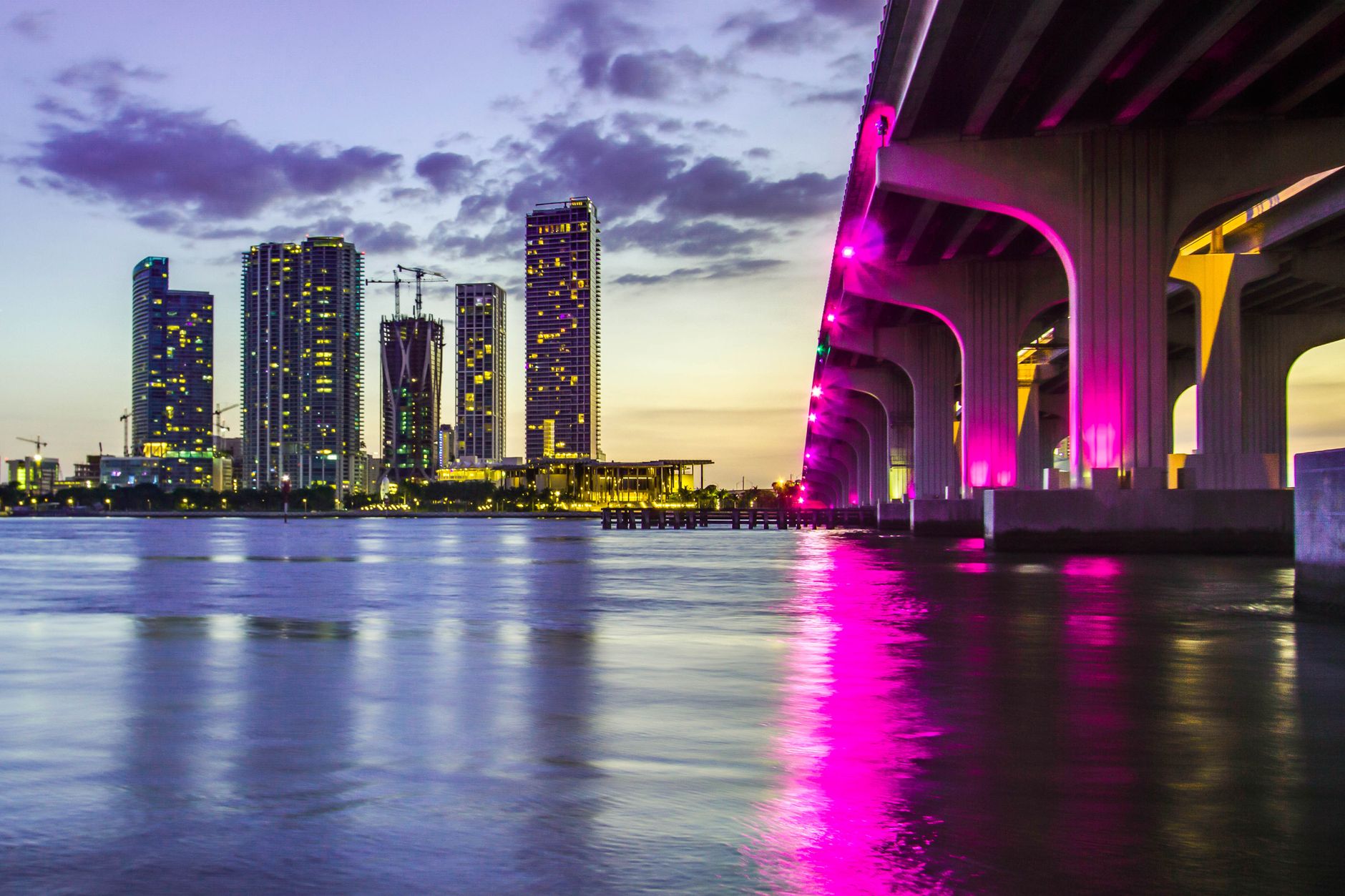
Cipriani Residences — Sunset Islands III & IV, Miami.
For developers holding unsold pre-construction units in Miami's most coveted island enclaves, the path to a clean inventory exit requires more than a price adjustment. This guide covers the staging, marketing, and strategic positioning moves that move luxury product in Sunset Islands III & IV.
Understanding the Sunset Islands III & IV Seller Landscape in 2024–2025
Sunset Islands III and IV occupy a genuinely rare position in the Miami luxury market: gated, bridge-connected island communities in Miami Beach with single-family character, protected waterfront, and a buyer profile that skews toward ultra-high-net-worth families, Latin American wealth, and European second-home purchasers. For a developer holding remaining pre-construction inventory here, that profile is both an asset and a constraint. The buyer is sophisticated, unhurried, and acutely sensitive to any perception of distress or oversupply. Approach matters as much as price.
Unlike the vertical luxury condo towers that dominate Brickell and Edgewater, Sunset Islands inventory is inherently low-volume. When a developer brings a handful of remaining units or a pre-construction lot package to market, the competitive set is small but the buyer pool is equally curated. Absorption timelines can extend, not because of lack of demand, but because the right buyer for this specific product may be actively comparing options across only two or three comparable offerings globally. The strategy, therefore, must prioritize precision targeting over broad-market saturation.
Staging a Luxury Miami Home for Sale: What Actually Moves Buyers in This Price Band
At the price points typical of Sunset Islands III & IV, staging is not about filling empty rooms with rented furniture — it is about constructing a lifestyle thesis. Buyers at this level arrive with strong visual references from properties they have toured in Malibu, Cap Ferrat, or Bal Harbour. Your model unit or furnished rendering suite must communicate a coherent narrative: morning light on biscayne bay, seamless indoor-outdoor living, and materiality that signals permanence rather than trend. Limestone, unlacquered brass, aged oak, and hand-plastered walls outperform the glossy white developer-spec look that may have worked five years ago.
Professional staging firms with specific luxury Miami experience — not generic residential stagers — should be engaged for any physical model or show unit. Biophilic elements are disproportionately effective with this buyer: mature specimen palms, living walls, and custom water features in the outdoor entertaining zones trigger an emotional response that photography alone cannot replicate. For pre-construction inventory where a physical unit does not yet exist, high-resolution experiential renderings and fully produced virtual walkthroughs with spatial audio are now table stakes. Developers who invested in immersive visualization technology report materially shorter time-to-contract on remaining inventory compared to those relying on flat renderings.
Pricing Strategy and Timing the Exit for Remaining Developer Inventory
Denis Smykalov, broker at Wolsen Developments, notes that sellers in Sunset Islands III & IV who price with precision from day one — rather than testing the market high and chasing it down — tend to achieve stronger outcomes. 'The difference between a good exit and a great one in this market often comes down to timing and positioning,' he says. In practice, this means commissioning a granular comparative market analysis that accounts for lot position, water frontage linear footage, bridge access rights, and any deed restrictions unique to the Sunset Islands covenants, rather than relying on broad Miami Beach price-per-square-foot benchmarks.
For developers with multiple remaining units, a sequenced release strategy — bringing inventory to market in tranches rather than all at once — preserves price integrity and prevents the perception of oversupply within a single project. Quiet pre-marketing to a curated network of buyer's brokers, family offices, and private wealth advisors before any public MLS listing can generate competitive tension without the visibility risk of extended days-on-market. In the current rate environment, sellers who offer structured incentives — design credits, HOA prepayments, or closing cost contributions — often close faster without formally reducing the headline price, which protects the project's comparable sales record for remaining units.
The Cipriani Effect: How Nearby Trophy Developments Shape Buyer Expectations
The launch of Cipriani Residences in Brickell has had a measurable ripple effect on ultra-luxury buyer psychology across Miami. When a globally recognized hospitality brand enters the residential market with amenity programming and service standards that redefine expectations, it recalibrates what buyers believe is possible — and by extension, what they demand from any luxury product they evaluate, including island enclaves like Sunset Islands III & IV. Developers positioned in this market must now address that elevated standard directly in their marketing narrative, whether through curated concierge partnerships, branded lifestyle programming, or white-glove property management offerings.
This does not mean competing with Cipriani Residences on amenity square footage — a standalone island residence cannot and should not attempt that comparison. Rather, savvy developers are articulating the inverse value proposition: privacy, autonomy, architectural singularity, and the absence of shared-corridor living. Buyers choosing Sunset Islands over a Brickell tower are making a deliberate lifestyle declaration, and the developer's marketing must honor and amplify that decision. Framing remaining inventory as the last opportunity to own within a completed, stabilized island community — rather than as unsold product — is a positioning shift that consistently resonates with this buyer type.
Marketing Channels and Broker Strategy for Sunset Islands Pre-Construction Exits
The buyer for Sunset Islands III & IV pre-construction inventory is unlikely to find your listing through a Google search. They are more likely to encounter it through a referral from their private banker in Bogotá, a conversation at Art Basel, or a targeted digital campaign served to ultra-high-net-worth travelers arriving at MIA. Effective channel strategy for this market combines international broker outreach — specifically targeting top producers in Latin America, Canada, and Western Europe — with presence at invitation-only wealth events and placements in print publications that still carry credibility in this demographic, including Architectural Digest, Robb Report, and regional luxury lifestyle titles.
Co-brokerage compensation structure deserves particular attention when moving remaining developer inventory. In a market where the buyer's broker relationship is paramount, developers who offer competitive and transparent co-broke terms — and communicate them proactively to the brokerage community — dramatically expand the effective selling network. Hosting private broker preview events at the property or model suite, with genuine access and information rather than a sales pitch, builds the advocacy relationships that result in qualified introductions. A broker who has walked the site, met the development team, and been treated as a professional partner will represent your inventory with conviction.
Legal, Disclosure, and Contract Considerations for Pre-Construction Seller Exits
Florida's pre-construction real estate regulatory environment imposes specific disclosure obligations on developers, particularly under the Interstate Land Sales Full Disclosure Act and Florida's condominium statute where applicable. Before launching any public marketing effort for remaining inventory, developers should ensure that all required rescission period disclosures, HOA and condominium documents, and material change notifications are current and properly executed. Working with a Florida real estate attorney who specializes in developer transactions — not a general practitioner — is not optional at this price point and this stage of the development cycle.
Assignment clauses in original purchase contracts can create complexity when a developer is attempting to transition remaining inventory to new buyers, particularly if early purchasers hold assignment rights that could affect pricing optics. A thorough audit of all existing purchase agreements, deposit positions, and any outstanding litigation or code compliance matters should precede any marketing launch. Buyers in this price band conduct extensive due diligence, and surprises discovered during that process — even minor ones — have an outsized negative effect on buyer confidence and deal momentum. Proactive transparency, packaged in a well-organized due diligence data room, consistently accelerates contract execution.
Frequently Asked Questions
What makes Sunset Islands III & IV different from other Miami Beach luxury neighborhoods for pre-construction sellers?
Sunset Islands III and IV are gated, bridge-connected island communities in Miami Beach offering single-family character, protected waterfront, and extremely limited inventory. This low-supply environment means developer exit strategies must prioritize precision targeting and buyer-profile alignment over broad market saturation.
How should a developer stage remaining pre-construction inventory in a high-end Miami enclave like Sunset Islands?
Staging at this price point requires constructing a lifestyle thesis, not simply furnishing a unit. Biophilic design elements, natural materials such as limestone and aged oak, and mature specimen landscaping are consistently effective with ultra-high-net-worth buyers. For units not yet built, immersive virtual walkthroughs with spatial audio have become essential tools.
What pricing strategy works best for developers offloading the last few units in a Miami luxury project?
Pricing with precision from day one — rather than testing high and reducing — tends to produce stronger outcomes. A sequenced release strategy, bringing inventory to market in tranches, preserves price integrity. Structured incentives like design credits or HOA prepayments can accelerate closings without formally reducing the headline price.
How does the launch of Cipriani Residences in Brickell affect buyer expectations for Sunset Islands properties?
Cipriani Residences has elevated buyer expectations for luxury amenities and service standards across Miami. Sunset Islands developers should counter by articulating the inverse value proposition: privacy, architectural singularity, and the absence of shared-corridor living — framing the island lifestyle as a deliberate upgrade from branded tower living.
Which marketing channels are most effective for reaching buyers of Sunset Islands pre-construction inventory?
The most effective channels include international broker referral networks in Latin America, Canada, and Western Europe; targeted digital campaigns reaching ultra-high-net-worth travelers; placement in publications like Architectural Digest and Robb Report; and invitation-only wealth and lifestyle events. Broad digital advertising is less effective than curated relationship-driven outreach.
Why is co-brokerage compensation structure important when selling remaining developer inventory in Miami?
In Miami's luxury market, the buyer's broker relationship is often decisive. Developers who offer competitive and transparent co-broke terms and proactively communicate them to the brokerage community expand their effective selling network significantly. Hosting private broker preview events also builds advocacy that results in qualified buyer introductions.
What legal disclosures must Florida developers make when marketing remaining pre-construction inventory?
Florida developers are subject to disclosure obligations under the Interstate Land Sales Full Disclosure Act and Florida's condominium statute, including rescission period disclosures and distribution of HOA and condominium documents. All disclosures should be reviewed and updated by a Florida real estate attorney specializing in developer transactions before any public marketing launch.
How can assignment clauses in original purchase contracts complicate a developer's remaining inventory exit?
If early purchasers hold assignment rights, exercising those rights in the open market can affect pricing optics and buyer confidence for remaining units. A thorough audit of all existing purchase agreements before marketing launch allows developers to address these issues proactively and avoid surprises during buyer due diligence.
What role does a well-organized due diligence data room play in closing luxury pre-construction sales?
Ultra-high-net-worth buyers and their advisors conduct extensive due diligence, and unexpected issues discovered during that process can collapse deals. A comprehensive, well-organized data room covering permits, contracts, HOA documents, and compliance records signals developer professionalism and consistently accelerates contract execution.
Is it better to list all remaining developer inventory at once or release units in tranches?
A sequenced release strategy — bringing units to market in tranches — is generally more effective for maintaining price integrity and avoiding the perception of oversupply. Quiet pre-marketing to buyer's brokers and family offices before any public listing can generate competitive tension without the risk of extended days-on-market visibility.
Ready to Take the Next Step?