HOA fees Miami luxury condos · Shore Club Private Collection South Beach · Miami condo due diligence · Florida condo reserve study · South Beach new construction buyer guide
Decoding HOA Fees in Miami's Luxury Condo Market: A Forensic Financial Guide for Discerning Buyers — With a Deep Dive Into Shore Club Private Collection in South Beach
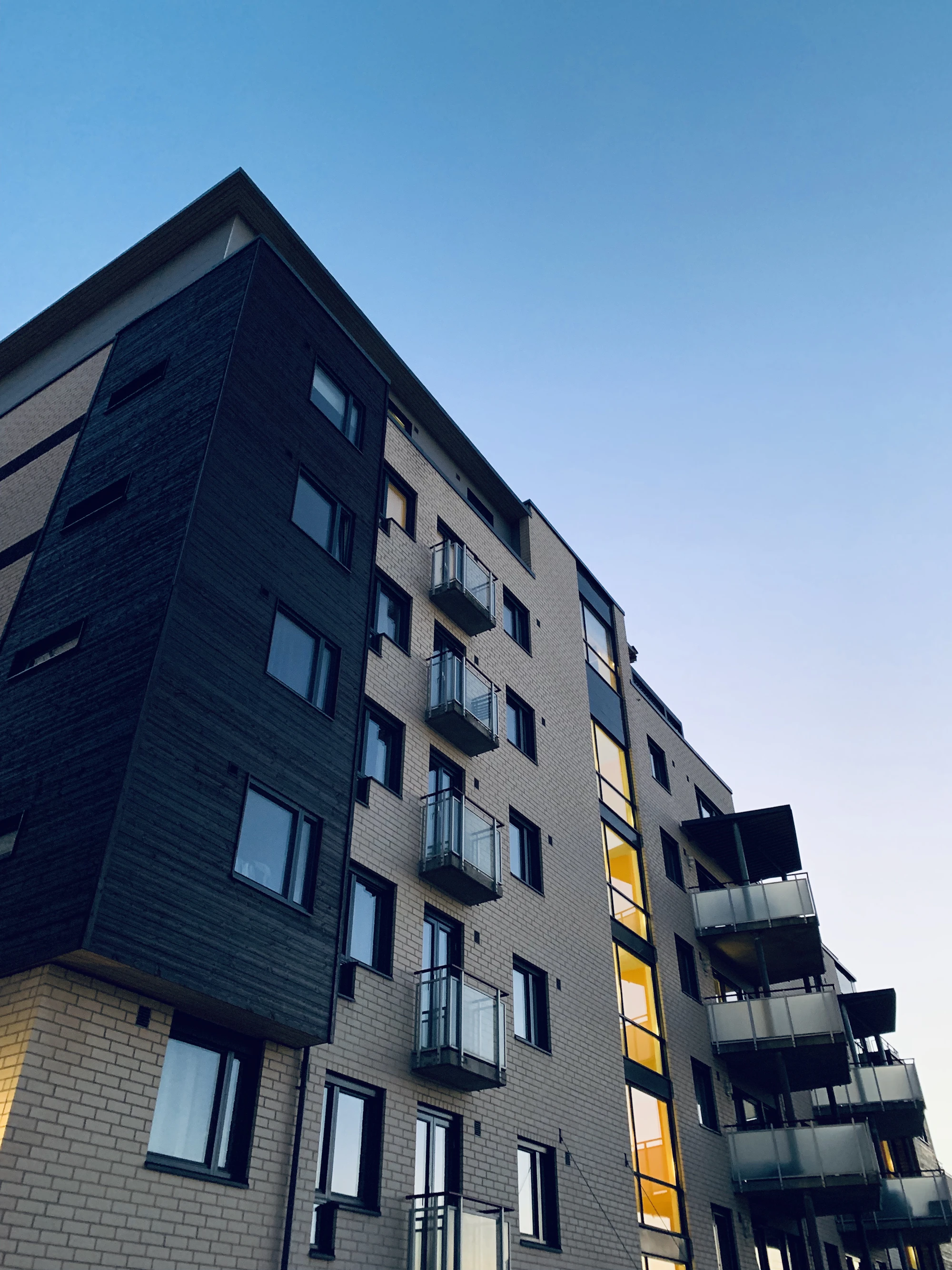
Shore Club — South Beach, Miami.
For high-net-worth buyers evaluating Miami luxury condos, HOA fees are far more than a monthly expense line — they are a comprehensive window into the quality, sustainability, and long-term value of a building. This guide breaks down exactly what HOA fees cover in Miami's ultra-luxury segment, what separates a well-structured fee from a financial liability, and why developments like Shore Club Private Collection in South Beach represent the gold standard in transparent, value-aligned association governance.
Why HOA Fees Are the Most Misunderstood Line Item in a Miami Luxury Condo Purchase
When a buyer sits across from a developer's sales team and sees a monthly HOA fee quoted in the hundreds or even thousands of dollars, the instinctive response is often sticker shock. This reaction, while understandable, reflects a profound misunderstanding of what those dollars actually purchase — and why, in Miami's ultra-luxury condo market, a robust HOA fee is frequently a sign of financial prudence rather than excess. The fee is not simply a cover charge for a building's amenities. It is, in its most sophisticated form, a prepaid infrastructure contract, a shared insurance mechanism, a hospitality operating budget, and a long-term capital preservation strategy, all bundled into a single monthly obligation.
Miami's condo market is governed by Chapter 718 of the Florida Statutes, commonly known as the Condominium Act, which mandates specific structural requirements for how associations collect, reserve, and deploy owner funds. Following the tragic 2021 collapse of Champlain Towers South in Surfside, the Florida legislature passed sweeping reforms — most notably Senate Bill 4-D — that fundamentally changed reserve requirements for condo associations statewide. These reforms, which took effect in 2023 and 2024, require that associations fully fund structural reserves based on mandatory milestone inspections and structural integrity reserve studies. The implications for buyers are enormous: buildings that were previously under-reserved are now legally compelled to collect significantly higher assessments, while newer developments designed with these standards in mind arrive with more transparent, already-calibrated fee structures.
For buyers considering a purchase in the $3 million to $20 million range — the segment where Miami's most architecturally ambitious new-construction projects live — the HOA fee is best understood as a percentage of the total cost of ownership, not an ancillary expense. A $5,000 per month HOA fee on a $10 million residence represents 0.05% of asset value per month, or 0.6% annually. That figure, when benchmarked against the replacement cost of the amenities, services, insurance coverage, and structural maintenance it funds, is often extraordinarily competitive compared to the cost of replicating those services privately. The calculus changes further when buyers understand that the fee directly affects resale liquidity: buildings with well-funded reserves, transparent financials, and professionally managed associations command higher per-square-foot values and attract a larger pool of qualified buyers.
The conceptual framework most successful buyers use is to evaluate the HOA fee not as an expense, but as a yield on a service bundle. A building that charges $4,500 per month but provides 24-hour concierge, valet parking for multiple vehicles, high-speed internet, cable, water, trash, building insurance, two pools, a full-service spa, fitness programming, and a fully funded reserve study is offering a materially different value proposition than a building charging $2,800 per month with minimal amenities and a chronically underfunded reserve account. The discipline of breaking down the fee component by component — and then comparing those components across competing properties — is one of the most reliable differentiators between buyers who make excellent long-term decisions and those who discover costly surprises after closing.
The Anatomy of a Miami Luxury HOA Fee: Breaking Down Every Major Cost Category
A well-structured luxury condo HOA fee in Miami is typically composed of six to eight distinct cost buckets, each serving a different operational or capital function. Understanding these categories in granular detail is the foundation of any serious comparative analysis. The first and often largest category is building insurance, which in South Florida encompasses property insurance on the structure and common elements, general liability coverage, directors and officers insurance for the board and management, and — critically in coastal markets — flood insurance and windstorm coverage through the Florida Hurricane Catastrophe Fund or private carriers. In high-rise buildings with replacement values in the tens or hundreds of millions of dollars, this single line item can represent 25 to 40 percent of the total HOA budget.
The second major category is utilities for common areas, which includes electricity for lobbies, hallways, elevators, parking structures, and amenity spaces; water and sewer for pools, landscaping, and common bathrooms; and increasingly, the cost of EV charging infrastructure in parking garages. In newer ultra-luxury buildings, this category may also include the cost of centralized smart home systems, building-wide high-speed fiber internet infrastructure, and sophisticated energy management systems that reduce overall consumption. Some buildings pass individual unit utilities directly to owners; others bundle water or cable into the HOA fee as a negotiated service contract that achieves economies of scale unavailable to individual consumers.
The third category — and the one that most directly shapes the resident experience in luxury buildings — is staffing and hospitality services. This encompasses 24-hour front desk and concierge operations, valet attendants, security personnel, housekeeping for common areas, pool and beach attendants, fitness instructors, spa therapists, and in the most sophisticated buildings, lifestyle managers who curate resident programming, manage package receipt, coordinate in-residence services, and function more like hotel butlers than building employees. In South Beach specifically, where the competition for talent is intense and where buyer expectations are shaped by proximity to world-class hospitality brands, staffing can represent 30 to 45 percent of an HOA's operating budget — and it is precisely this category where the gap between an average building and a truly exceptional one is most immediately felt.
The fourth through sixth categories — property management fees, landscaping and exterior maintenance, and reserve fund contributions — complete the structural picture. Property management fees compensate the professional firm or in-house team that handles vendor contracts, financial reporting, owner communications, regulatory compliance, and day-to-day operational decisions. Landscaping and exterior maintenance is particularly consequential in Miami's tropical climate, where saltwater air accelerates corrosion, hurricane seasons require structural assessments, and lush grounds demand year-round horticultural attention. Reserve fund contributions, now tightly regulated under Florida's post-Surfside legislation, represent the portion of each owner's monthly fee set aside for future major capital expenditures — roof replacement, elevator modernization, pool resurfacing, facade restoration, and structural repairs. A building with a fully funded reserve is a building that will not surprise its owners with a six-figure special assessment.
South Beach's Unique HOA Cost Environment: Why Ocean-Adjacent Luxury Commands a Premium
South Beach occupies a distinct position in Miami's real estate taxonomy. It is simultaneously one of the most globally recognized luxury addresses in the Western Hemisphere and one of the most operationally complex environments in which to maintain a high-rise residential building. The combination of salt air, tropical humidity, hurricane exposure, aging infrastructure in surrounding public right-of-ways, and the intense expectations of a buyer pool that routinely travels between Miami, Monaco, Aspen, and the Hamptons creates a cost environment that cannot be compared directly to inland neighborhoods or even to other coastal submarkets without significant adjustment.
Salt air corrosion is the invisible force that shapes South Beach HOA budgets more than any other single environmental factor. Aluminum balcony railings, steel structural components, facade cladding, rooftop mechanical equipment, and the copper wiring within building systems all degrade measurably faster in proximity to the Atlantic Ocean than in inland environments. Well-managed South Beach associations budget explicitly for corrosion inspections, protective coating applications, and accelerated replacement cycles on exterior components. Buildings that cut corners on these line items create delayed liabilities that eventually materialize as either dramatically increased HOA fees or special assessments that can reach into five or six figures per unit — precisely the outcome that diligent reserve funding is designed to prevent.
Hurricane preparedness and recovery represent another cost category that is more material in South Beach than in almost any other American luxury residential market. Beyond the insurance premiums discussed earlier, well-run associations budget for hurricane shutter maintenance or impact glass inspection programs, storm drain and drainage system maintenance, generator fuel reserves and load-testing, and post-storm structural assessments that may be required before residents can reoccupy the building. For beach-adjacent properties, coastal erosion monitoring and compliance with Miami-Dade County and City of Miami Beach coastal construction setback regulations adds another layer of specialized expertise — and specialized cost — to the management burden.
The hospitality expectations of South Beach's buyer demographic further distinguish the neighborhood's HOA cost structure. Buyers at the top of the South Beach market are not purchasing a place to live — they are purchasing a lifestyle infrastructure. They expect the building to function with the operational precision of a five-star hotel, the aesthetic vision of a world-class interior design firm, and the discretion of a private members' club. Delivering that experience requires not just well-trained staff, but also ongoing investment in the physical amenity spaces, regular curation of the programming calendar, and a management philosophy that treats resident experience as the primary KPI. Buildings that commit to this standard — and budget accordingly — are the ones that hold value through market cycles and attract the most qualified resale buyers.
Shore Club Private Collection: The HOA Philosophy Behind One of South Beach's Most Anticipated Residences
In the landscape of South Beach new-construction luxury, few projects have generated as much informed attention from serious buyers as Shore Club Private Collection. The development represents the residential transformation of the legendary Shore Club hotel property on Collins Avenue — a site with one of the most architecturally and culturally significant footprints in all of South Beach. The project is being developed by Witkoff Group and Monroe Capital, with design by Robert A.M. Stern Architects, the New York-based firm whose classical sensibility and rigorous attention to craft have made them among the most respected residential architects in the world. Understanding the HOA structure at Shore Club Private Collection requires first understanding the philosophy embedded in the project itself: that genuine luxury is not achieved through the accumulation of amenities, but through the precision with which every operational detail is curated and sustained.
Shore Club Private Collection is planned to include just 49 residences across a collection of building typologies that preserve the historic architectural character of the Shore Club site while delivering contemporary residential standards. The limited unit count is itself an HOA consideration of enormous importance. With fewer units sharing the cost of operating and maintaining a property of this scale, per-unit fees necessarily reflect the full weight of the building's operating costs — but so does the exclusivity, the staff-to-resident ratio, and the quality of the shared experience. Buyers in boutique buildings with 49 units are not subsidizing a mass-market amenity package; they are co-investing in a private estate-level service environment that would be inaccessible at any price point in a standard residential context.
The amenity program at Shore Club Private Collection is designed around the building's extraordinary pool and outdoor entertainment legacy. The property's iconic pool deck — among the most celebrated in South Beach's hospitality history — is being reimagined as a private residential amenity of the highest order, with dedicated beach access, cabana service, and the kind of curated outdoor living experience that has historically only been available to hotel guests paying nightly rates that would make most HOA fees look modest by comparison. The HOA budget at a property like this must account not just for the physical maintenance of these spaces, but for the staffing, programming, and ongoing design investment required to sustain their quality at a level commensurate with the price point of the residences themselves.
What distinguishes Shore Club Private Collection's approach to the HOA relationship from that of many competing developments is the integration of hotel-style service programming directly into the residential association structure. Rather than simply providing access to amenities, the building is structured to deliver an active hospitality experience — concierge services, in-residence dining coordination, lifestyle management, and the kind of seamless operational invisibility that allows owners to arrive, settle in, and immediately inhabit their highest quality of life without the friction that typically accompanies property ownership. This is the HOA fee as lifestyle infrastructure: every dollar spent is in service of the fundamental promise the building makes to its residents.
What Amenities at Shore Club Private Collection Mean for Your Monthly Cost Obligations
When evaluating what an HOA fee funds at a property like Shore Club Private Collection, it is essential to begin with the physical plant — the collection of spaces, systems, and structures that the association is responsible for maintaining, insuring, and eventually replacing. At a property of this architectural pedigree, the physical plant is exceptional. Robert A.M. Stern Architects are known for buildings that are beautiful on day one but also designed for permanence — buildings that age with dignity rather than showing the accelerated deterioration common in projects where architectural ambition outpaces construction quality. The materials, detailing, and systems specified for Shore Club Private Collection are calibrated for South Beach's demanding environment, which has a direct and positive effect on the long-term sustainability of the maintenance budget.
The pool and outdoor amenity complex at Shore Club Private Collection represents one of the most significant capital assets the HOA will be responsible for maintaining. South Beach's extraordinary climate allows for year-round outdoor living, which means the pool deck, cabanas, landscaping, and beach access infrastructure are not seasonal amenities but daily-use facilities that require proportionally higher maintenance investment than comparable spaces in northern markets. The HOA budget at a property of this caliber typically includes a dedicated outdoor amenities maintenance line that covers pool chemistry management, equipment servicing, furniture replacement cycles, landscape maintenance and irrigation, and the staffing required to deliver a hospitality-level outdoor experience from morning through evening, 365 days per year.
Interior amenity spaces — fitness facilities, spa rooms, private dining areas, screening rooms, and resident lounges — represent another significant HOA cost category that buyers should evaluate with the same rigor they apply to outdoor amenities. At Shore Club Private Collection, the design standard for these spaces reflects the same level of craft and curation applied to the individual residences. Maintaining that standard over time requires not just reactive repairs, but proactive refresh cycles — replacing upholstery, updating lighting, refinishing surfaces, and periodically engaging interior designers to ensure the spaces remain visually current and functionally excellent. Buildings that do not budget explicitly for this ongoing interior curation tend to see their common areas deteriorate in ways that subtly but measurably affect both resident satisfaction and resale values.
Technology infrastructure is increasingly a material HOA cost category in new ultra-luxury buildings, and Shore Club Private Collection is no exception. Modern luxury condo buyers expect building-wide high-speed fiber internet, sophisticated building access systems, smart parking technology, integrated security camera networks with managed monitoring services, and increasingly, automated systems for managing deliveries, service requests, and resident communications. The HOA must budget not just for the initial installation of these systems but for their ongoing maintenance, software licensing, cybersecurity management, and eventual modernization as technology evolves. In a building positioned at the top of the South Beach market, allowing technology infrastructure to lag behind the standards of the buyer demographic is not a minor inconvenience — it is a reputational and resale risk.
Reserve Studies, Special Assessments, and the Post-Surfside Legislative Landscape Every Miami Buyer Must Understand
The single most consequential development in Miami condo HOA governance in the last decade is not a market cycle or an interest rate shift — it is the regulatory transformation triggered by the Champlain Towers South collapse in 2021 and formalized through Florida's subsequent legislative response. Senate Bill 4-D, signed into law in 2022, and its companion provisions implemented in 2023 and 2024, fundamentally changed the reserve funding requirements for Florida condo associations. Under the new framework, associations in buildings three stories or taller are required to conduct milestone inspections at 30 years of age (or 25 years for buildings within three miles of the coast), and then again every 10 years thereafter. Any building with significant structural deterioration identified in those inspections is required to develop and fund a remediation plan — and associations are no longer permitted to waive or reduce structural reserve funding through owner votes, which was a common practice under the prior regulatory framework.
For buyers considering new-construction purchases like Shore Club Private Collection, these legislative changes are largely structural advantages. New buildings are constructed to current building codes, use contemporary materials and engineering standards, and begin their HOA reserve funding from day one with the benefit of a legally mandated structural integrity reserve study that establishes clear, actuarially grounded funding targets. The risk exposure is dramatically different from that of a 30- or 40-year-old building whose reserves may have been chronically underfunded for decades and which now faces mandatory fully-funded reserve contributions that can represent multi-thousand-dollar per-unit monthly increases — on top of whatever the building's operating costs require.
Special assessments are the financial event that buyers most fear, and for good reason: they represent unexpected capital calls on condo owners that can range from several thousand dollars to several hundred thousand dollars per unit, typically with payment deadlines of 30 to 90 days. The primary cause of special assessments in Miami's luxury condo market is not unpredictable catastrophe — it is predictable deferred maintenance that was never properly reserved for. A building that consistently under-funds its reserves for roof replacement, elevator modernization, or facade restoration is not avoiding those costs; it is simply concentrating them into a future special assessment that will fall on whoever owns the units at the time the capital project becomes unavoidable. Buyers who understand this dynamic approach reserve fund analysis as one of the highest-priority due diligence activities in any condo acquisition.
The reserve study — a formal engineering assessment of a building's major capital systems, their remaining useful lives, and the funding required to replace them on schedule — is the document that most clearly reveals a building's financial health. For buyers considering new construction like Shore Club Private Collection, the developer is required to prepare an initial reserve schedule as part of the offering documents, which provides a legally disclosed estimate of the anticipated reserve contributions baked into the HOA fee structure from the outset. Buyers should review this document carefully with their real estate attorney and, when possible, engage an independent reserve study specialist to evaluate the assumptions underlying the developer's projections. The questions to ask are straightforward: Are the useful life estimates conservative or optimistic? Are the projected replacement costs inflation-adjusted? Does the reserve schedule account for all major capital systems, including those with the longest replacement cycles? The answers reveal whether the HOA fee is priced to deliver long-term financial stability or optimized to look competitive during the sales process.
How to Conduct a Forensic Comparison of HOA Fees Across Miami's South Beach Luxury Market
The discipline of comparing HOA fees across competing South Beach luxury developments requires a methodology more rigorous than simply dividing the monthly fee by the unit's square footage. That per-square-foot calculation, while useful as a first-order filter, obscures the enormous variation in what different fees actually include and exclude. The correct analytical framework begins with a complete inventory of what is included in the fee for each building under consideration: Is building insurance included, and if so, at what coverage level? Are water, cable, internet, or gas included? How many parking spaces are covered, and is valet service included or extra? Are there any food and beverage credits at on-site restaurants or bars? Is beach service included, and if so, to what extent? Each of these inclusions has a specific market value that should be assigned and deducted from the gross fee before any meaningful cost comparison is possible.
The second dimension of a rigorous HOA comparison is the quality and staffing level of the service delivery infrastructure. Two buildings can charge identical HOA fees while delivering dramatically different experiences based on the staff-to-unit ratio, the training and tenure of the team, and the management philosophy of the organization running the building. A building with 49 units and a 24-hour concierge team, dedicated lifestyle managers, and round-the-clock valet service is delivering a fundamentally different product than a 200-unit building charging the same monthly fee but staffing a single front desk attendant per shift. The operational reality of boutique buildings like Shore Club Private Collection — where the fee is distributed across a small number of units each bearing a proportionally larger share of a high-quality service infrastructure — is that the experience delivered per dollar is often superior despite the higher absolute fee.
The third analytical dimension is financial health, assessed through the building's reserve fund balance, reserve funding percentage, and historical pattern of special assessments. For existing buildings, this data is available through the association's most recent audited financial statements, reserve study, and meeting minutes — all of which Florida law requires to be disclosed to potential buyers upon request. For new construction like Shore Club Private Collection, the relevant documents are the developer's reserve schedule in the offering documents and the projected operating budget, both of which must be disclosed under Florida's condo offering requirements. Buyers should specifically look for reserve funding levels at or above 70 to 80 percent of fully funded targets, which represent the industry standard for financially sound associations. Buildings below 50 percent fully funded carry meaningful risk of future special assessments.
The fourth and often overlooked dimension is the track record and reputation of the property management company operating the building. In Miami's luxury condo market, a small number of management firms operate at the top of the hospitality-grade residential segment, with the staff training programs, technology platforms, vendor relationships, and financial management expertise required to run a genuinely high-performance association. The identity of the property manager, their portfolio of comparable buildings in Miami, and their history of managing reserve funds prudently and communicating transparently with owners are all material factors in evaluating the long-term HOA experience. For buyers investing in the $5 million to $20 million range, the quality of the management team is not a secondary consideration — it is a primary determinant of whether the building delivers on its promise over a 10- to 20-year ownership horizon.
Tax Treatment, Deductibility, and the Financial Planning Implications of Miami Luxury HOA Fees
For high-net-worth buyers, particularly those relocating from high-tax states like California, New York, or Illinois, the tax implications of their Miami condo purchase are often the primary financial driver of the decision — and HOA fees are a meaningful component of that analysis. Under current federal tax law, HOA fees paid on a primary residence are not deductible as a personal expense. However, for condos used as rental properties, short-term rentals, or investment assets, the treatment can be materially different: HOA fees paid on a rental property are generally deductible as an ordinary business expense against rental income, reducing taxable income dollar for dollar.
For buyers who intend to use their South Beach condo as a part-time personal residence and part-time rental — a common use case in South Beach, where rental demand is exceptional and short-term rental regulations in the City of Miami Beach permit rentals of 30 days or more in most residential buildings — the allocation of HOA fees between personal and rental use becomes an important tax planning conversation. The IRS requires that expenses be allocated on a pro-rata basis based on the number of days the property is used for rental versus personal purposes, a calculation that should be managed in coordination with a CPA experienced in Miami luxury real estate. At Shore Club Private Collection, buyers should confirm the building's specific short-term rental policies, as these vary by building and affect both the legal rental strategy and the tax treatment of HOA fees.
Florida's favorable tax environment for high-net-worth individuals — no state income tax, no estate tax, and relatively modest property tax rates governed by the Save Our Homes portability provisions — creates a framework in which the after-tax cost of owning a South Beach luxury condo is substantially lower than an equivalent property in most other major American markets. When the HOA fee is properly contextualized within this tax environment, the effective cost to the owner is frequently lower than a simple gross comparison would suggest. A $6,000 per month HOA fee on a property generating significant rental income, managed within an LLC structure with appropriate depreciation and expense deductions, can carry an after-tax net cost considerably below its face value — a calculation that reinforces the investment logic of the purchase.
Estate planning implications of HOA fee structures are relevant for buyers whose South Beach purchase is part of a broader wealth transfer strategy. Condos held in trust or family limited partnership structures receive the benefits of HOA services but the fee payment mechanics and tax treatment depend on how the ownership entity is structured. Buyers using irrevocable trusts, grantor retained annuity trusts, or other sophisticated estate planning vehicles should ensure their attorney and CPA have reviewed the HOA documentation — including any provisions governing entity ownership, subletting by trusts, and the approval process for ownership transfers — before completing the acquisition. Florida's condo law provides a framework for these approvals, but individual association governing documents can contain additional restrictions that must be evaluated at the due diligence stage.
The Resale Value Equation: How HOA Fee Quality Directly Affects Your Exit Strategy
One of the most counterintuitive insights in Miami luxury condo investing is that higher HOA fees — when those fees are structured to deliver genuine value — tend to correlate positively with higher per-square-foot resale prices and stronger resale liquidity. The mechanism is straightforward: a well-maintained, well-managed building with a fully funded reserve and a consistently excellent resident experience attracts a larger and more qualified pool of buyers than a building where the fee is nominally lower but the physical plant is deteriorating, the service quality is inconsistent, and the financial statements reveal an underfunded reserve and a history of special assessments. Resale buyers in the $5 million to $20 million range are sophisticated enough to perform exactly the due diligence described in this article — and when they discover financial red flags, they either walk away or demand price concessions that far exceed whatever the seller saved in monthly fees over their ownership period.
The boutique scale of Shore Club Private Collection — 49 residences on one of South Beach's most storied parcels — creates a supply scarcity that is itself a resale value driver independent of the HOA structure. But the HOA structure amplifies that advantage. A building with 49 units, a professionally managed association, a fully funded reserve, a Robert A.M. Stern architectural pedigree, and a hospitality-level service program is not competing with the broader South Beach condo inventory on resale — it is competing in a category of one, or at most a handful of equivalently positioned properties. That positioning creates pricing power that buyers of more commoditized buildings simply do not have access to. The HOA fee, in this context, is not an operating cost to be minimized — it is an investment in the asset's competitive positioning.
The lender's perspective on HOA fees is another dimension of the resale equation that buyers should understand. When a future buyer finances their purchase of a condo in your building, the lender will evaluate the association's financial health as part of their underwriting process. Fannie Mae and Freddie Mac, which back a large portion of conforming condo loans, have specific requirements for HOA reserve funding levels, delinquency rates, and concentration of ownership that buildings must meet to remain eligible for conventional financing. Buildings that fall out of this eligibility — often because of inadequate reserves or financial mismanagement — effectively limit their buyer pool to all-cash purchasers, which dramatically reduces demand and depresses prices. A building with strong HOA financials preserves full financing eligibility, which expands the buyer pool and supports resale values across market cycles.
The long-term value trajectory of South Beach luxury real estate has historically been shaped by the interplay of supply constraint, global demand, and the quality of the residential inventory available at the top of the market. Shore Club Private Collection enters this market at a moment when the post-Surfside regulatory environment has effectively raised the floor on HOA quality across all buildings, while simultaneously creating a meaningful quality gap between buildings designed and funded to the new standard and those retrofitting compliance onto an inadequate existing structure. For buyers with a 5- to 10-year investment horizon, acquiring in a building that was conceived and capitalized from the outset to meet or exceed the new regulatory standard — rather than one scrambling to comply with it — is a strategic positioning decision with measurable implications for the exit.
Practical Due Diligence Checklist: Evaluating HOA Documents Before Closing on a Miami Luxury Condo
The due diligence process for a Miami luxury condo acquisition should include a structured review of HOA documentation that is as rigorous as the physical inspection and title review. Florida law provides buyers with a specific window — typically three days for resale condos and the period prior to contract ratification for new construction — to review the association's disclosure package, which includes the declaration of condominium, the bylaws, the rules and regulations, the most recent financial statements, the reserve study, the current budget, and the minutes of recent association meetings. For new construction like Shore Club Private Collection, the developer provides an offering documents package that performs a similar disclosure function, and buyers should treat it with equivalent analytical seriousness.
The declaration of condominium is the foundational document that defines what the association owns and is responsible for maintaining versus what each unit owner is individually responsible for. This distinction — between common elements, limited common elements, and unit owner property — has enormous implications for HOA fee levels and for the owner's individual maintenance obligations. A building where the association maintains the windows, HVAC systems, and plumbing within the walls carries a higher HOA fee but also significantly reduces the owner's direct maintenance burden and liability. Buyers should read the declaration carefully and ask their attorney to explain precisely where the association's responsibility ends and the unit owner's begins — a question that has surprised many buyers who assumed a higher fee meant more comprehensive coverage.
The reserve study — ideally a third-party study conducted by a certified reserve specialist — is the document that most clearly reveals a building's long-term financial stability. Buyers should review the study with the following specific questions in mind: When was the study conducted, and by whom? What is the current percent funded level, and how does that compare to the industry standard of 70 to 80 percent? What are the three largest upcoming capital expenditures, and are they fully reserved for? What is the projected monthly reserve contribution per unit, and is it consistent with what the HOA is currently collecting? For new construction, where a formal reserve study may not yet exist, the developer's reserve schedule in the offering documents should be reviewed by an independent specialist who can assess whether the assumptions are reasonable.
Beyond the formal documentation, buyers should conduct informal due diligence through conversations with existing residents, if possible; a review of any litigation involving the association, which is disclosed in the Florida condo documents; and an assessment of the building's physical condition through a qualified inspector familiar with South Beach's specific environmental challenges. For new construction like Shore Club Private Collection, the conversation shifts from reviewing historical performance to evaluating the developer's track record, the construction quality of comparable projects they have delivered, and the reputation of the property management firm engaged to operate the building. References from owners in other buildings managed by the same firm, and a detailed conversation with the firm's leadership about their approach to reserve management, vendor contracts, and resident communications, provide invaluable signal about the quality of the HOA experience buyers can expect over a multi-decade ownership horizon. Denis Smykalov at Wolsen Developments guides buyers through exactly this process — if you are beginning your search or have specific questions about any aspect of a Miami purchase, a direct consultation is the most efficient first step.
Frequently Asked Questions
What is typically included in a Miami luxury condo HOA fee?
In Miami's ultra-luxury condo segment, HOA fees typically bundle building insurance (including windstorm and flood coverage), utilities for common areas, 24-hour concierge and valet services, landscaping and exterior maintenance, reserve fund contributions for future capital expenditures, and property management fees. Many top-tier buildings also include cable and high-speed internet, water and trash for individual units, pool and beach attendant services, and in some cases food and beverage credits at on-site amenity spaces. The specific inclusions vary significantly from building to building, which is why a line-by-line comparison across competing properties — rather than a simple per-square-foot fee comparison — is the only analytically sound approach. At boutique developments like Shore Club Private Collection, the fee reflects the full weight of operating a hospitality-grade residential environment distributed across a small number of units, delivering a higher quality of service per dollar than larger buildings can typically achieve.
How do Florida's post-Surfside condo laws affect HOA fees in Miami?
Following the 2021 Champlain Towers South collapse in Surfside, Florida enacted sweeping condo safety legislation — most notably Senate Bill 4-D — that took effect in stages through 2023 and 2024. The law requires milestone structural inspections for buildings three stories or taller, beginning at 30 years of age (or 25 years for coastal buildings), and mandates that associations conduct structural integrity reserve studies and fund structural reserves based on those studies. Critically, associations can no longer vote to waive or reduce structural reserve funding, which was a common practice under prior law. For existing buildings, this has resulted in significant HOA fee increases as associations catch up to required reserve levels. For new construction like Shore Club Private Collection, these requirements are built into the initial HOA structure from the outset, providing buyers with a more transparent and legally sound financial foundation. Buyers of new construction should review the developer's reserve schedule carefully to confirm it reflects the current regulatory requirements.
Are HOA fees tax deductible for Miami luxury condo owners?
Under current federal tax law, HOA fees paid on a primary residence are not deductible as a personal expense. However, if the condo is used as a rental property — including a part-time rental — the portion of HOA fees attributable to rental days is generally deductible as an ordinary business expense against rental income. South Beach condos are frequently used as part-time personal residences and part-time rentals, making the proper allocation of HOA fees between personal and rental use an important tax planning consideration. Buyers should work with a CPA experienced in Miami luxury real estate to establish the correct allocation methodology from the outset of ownership. Additionally, buyers using entity structures such as LLCs or trusts to hold the property should confirm with their attorney how the HOA fee payment mechanics interact with the ownership structure. Florida's absence of state income tax creates a favorable overall tax environment that partially offsets the non-deductibility of HOA fees on primary residences.
What is a condo reserve study, and why does it matter for buyers?
A reserve study is a formal engineering assessment of a condominium building's major capital systems — roofs, elevators, pools, mechanical equipment, facades, and structural components — that estimates their remaining useful lives and calculates the funding required to replace them on schedule without special assessments. The study produces a 'percent funded' figure that represents how much of the theoretically required reserve balance the association currently holds; industry standards suggest that well-run associations should maintain funding levels of 70 to 80 percent or above. Buildings below 50 percent funded carry a meaningful risk that future owners will face special assessments when major capital projects come due. For new construction like Shore Club Private Collection, the developer is required to include a reserve schedule in the offering documents, which should be reviewed by an independent reserve study specialist engaged by the buyer. The reserve study is arguably the single most important financial document in any condo due diligence package, as it reveals whether the HOA fee is priced to deliver long-term financial stability or has been optimized to appear competitive during the sales process.
Why do boutique South Beach buildings with fewer units tend to have higher HOA fees per unit?
In any condo building, the cost of operating and maintaining the property — staffing, insurance, utilities, reserve contributions, and management fees — is shared proportionally among the unit owners. In a boutique building with 49 units, like Shore Club Private Collection, each unit bears a larger proportional share of those fixed costs than a unit in a 200-unit building with comparable amenities. The result is a higher per-unit HOA fee in the boutique building, but one that reflects the delivery of a dramatically higher quality of experience: a better staff-to-resident ratio, more exclusive access to amenity spaces, a greater sense of privacy and service personalization, and an overall residential experience that more closely resembles a private estate or a luxury hotel than a standard residential building. Buyers who evaluate boutique building HOA fees purely on a cost basis, without accounting for the superior experience they fund, systematically undervalue what those fees deliver. The resale market consistently confirms this: boutique South Beach buildings with high HOA fees and excellent management track records routinely achieve higher per-square-foot prices than comparably priced mass-market buildings.
What questions should I ask about HOA documents before buying a Miami luxury condo?
Buyers should begin by requesting the complete disclosure package, which for Florida resale condos includes the declaration of condominium, bylaws, rules and regulations, most recent audited financial statements, reserve study, current budget, and minutes of recent association meetings. Key questions include: What is the current reserve fund balance and percent funded level? Has the building had any special assessments in the past five years, and if so, what were they for? Are there any pending or threatened litigation matters involving the association? What is the current delinquency rate on HOA fees, and does it exceed the thresholds required for conventional financing eligibility? Who is the property management company, and what is their track record with comparable buildings? For new construction like Shore Club Private Collection, the developer's offering documents perform a similar disclosure function, and buyers should have their attorney review them in full, with particular attention to the reserve schedule assumptions, the developer's obligation to fund any operating deficits during the initial period, and any provisions governing the transition of control from the developer to the unit owners.
How do HOA fees affect the resale value and liquidity of a South Beach luxury condo?
HOA fees affect resale value and liquidity through two primary mechanisms: the quality of the physical and service environment they fund, and the financial health of the association they reflect. A building with a well-funded reserve, transparent financial management, and a consistently excellent resident experience commands higher per-square-foot resale prices and attracts a larger pool of qualified buyers than a building with nominally lower fees but deteriorating physical plant and underfunded reserves. Lender eligibility is a critical liquidity factor: Fannie Mae and Freddie Mac have specific requirements for condo association financial health, and buildings that fall out of conventional financing eligibility are limited to all-cash buyers, which significantly reduces demand and depresses prices. For boutique buildings like Shore Club Private Collection, the HOA fee is also part of the building's competitive positioning story — a hospitality-grade service program maintained at a consistently high level is itself a differentiator that supports pricing power in the resale market. Buyers with a 5- to 10-year investment horizon should evaluate HOA fees as a direct investment in the asset's exit value, not merely as an operating cost.
Can I rent out my Shore Club Private Collection residence, and how does that affect HOA considerations?
The specific rental policies at Shore Club Private Collection, including minimum rental periods, approval processes for tenants, and any restrictions on short-term rentals, are governed by the building's declaration of condominium and rules and regulations, which are disclosed in the developer's offering documents. In the City of Miami Beach, most residential buildings permit rentals of 30 days or longer, but many luxury condo declarations impose longer minimum lease terms — often 90 days or six months — to preserve the residential character of the building and the quality of the resident experience. Buyers who intend to use their residence as a part-time rental should confirm the building's specific rental policy before entering into a purchase contract and should review City of Miami Beach zoning and licensing requirements for rental properties. From an HOA financial perspective, rental-active buildings must maintain delinquency rates and owner-occupancy ratios within the parameters required for conventional financing eligibility — a consideration that affects not just the individual owner's tax strategy but the building's overall resale liquidity.
What is the difference between common elements and limited common elements in a Miami condo, and why does it matter for HOA costs?
In Florida condo law, common elements are components of the property that all unit owners share equally — lobbies, elevators, pools, fitness centers, roofs, and structural systems. Limited common elements are components that are assigned for the exclusive use of one or more — but not all — unit owners, such as balconies, parking spaces, storage units, and terraces. The distinction matters enormously for HOA costs because the maintenance and repair responsibility for limited common elements varies by building: some declarations make the association responsible for maintaining limited common elements at the association's expense, while others make the individual unit owner responsible for maintenance of their assigned limited common elements. For high-rise buildings in South Beach where balconies are subject to accelerated corrosion and periodic structural inspection requirements, this distinction can represent a significant and unexpected personal maintenance cost if the buyer has not read the declaration carefully. Buyers at Shore Club Private Collection — or any Miami luxury building — should ask their attorney to clearly identify which elements are common, which are limited common, and who bears the maintenance cost for each category.
How does the construction quality of a new-development building affect long-term HOA costs?
Construction quality has a direct and measurable impact on long-term HOA costs, though the relationship typically becomes most visible 10 to 20 years after a building is completed. Buildings constructed with high-quality materials, robust corrosion-resistant systems, and meticulous attention to waterproofing, facade detailing, and mechanical system specification tend to require less frequent and less expensive capital repairs than buildings where cost pressure during construction led to material substitutions or construction shortcuts. In South Beach's salt-air environment, the quality of facade sealants, balcony waterproofing membranes, structural concrete specifications, and mechanical system coatings determines the pace of deterioration and the frequency of major repair cycles. Robert A.M. Stern Architects' reputation for designing buildings of enduring material quality is a meaningful long-term HOA cost consideration at Shore Club Private Collection — buildings designed for permanence tend to generate lower unexpected capital expenditures over their first 20 to 30 years of life than buildings where architectural ambition was not matched by construction discipline. Buyers should review construction specifications and, where possible, engage a forensic engineer to evaluate the quality of construction at comparable completed projects by the same development team.
Ready to Take the Next Step?