Cipriani Residences Brickell · Brickell luxury condos investment · Miami branded residences rental yield · pre-construction Miami investment analysis · Brickell real estate appreciation
Cipriani Residences Brickell: A Forensic Investment Analysis of Rental Yield, Resale Value, and Long-Term Appreciation in Miami's Most Coveted New Address
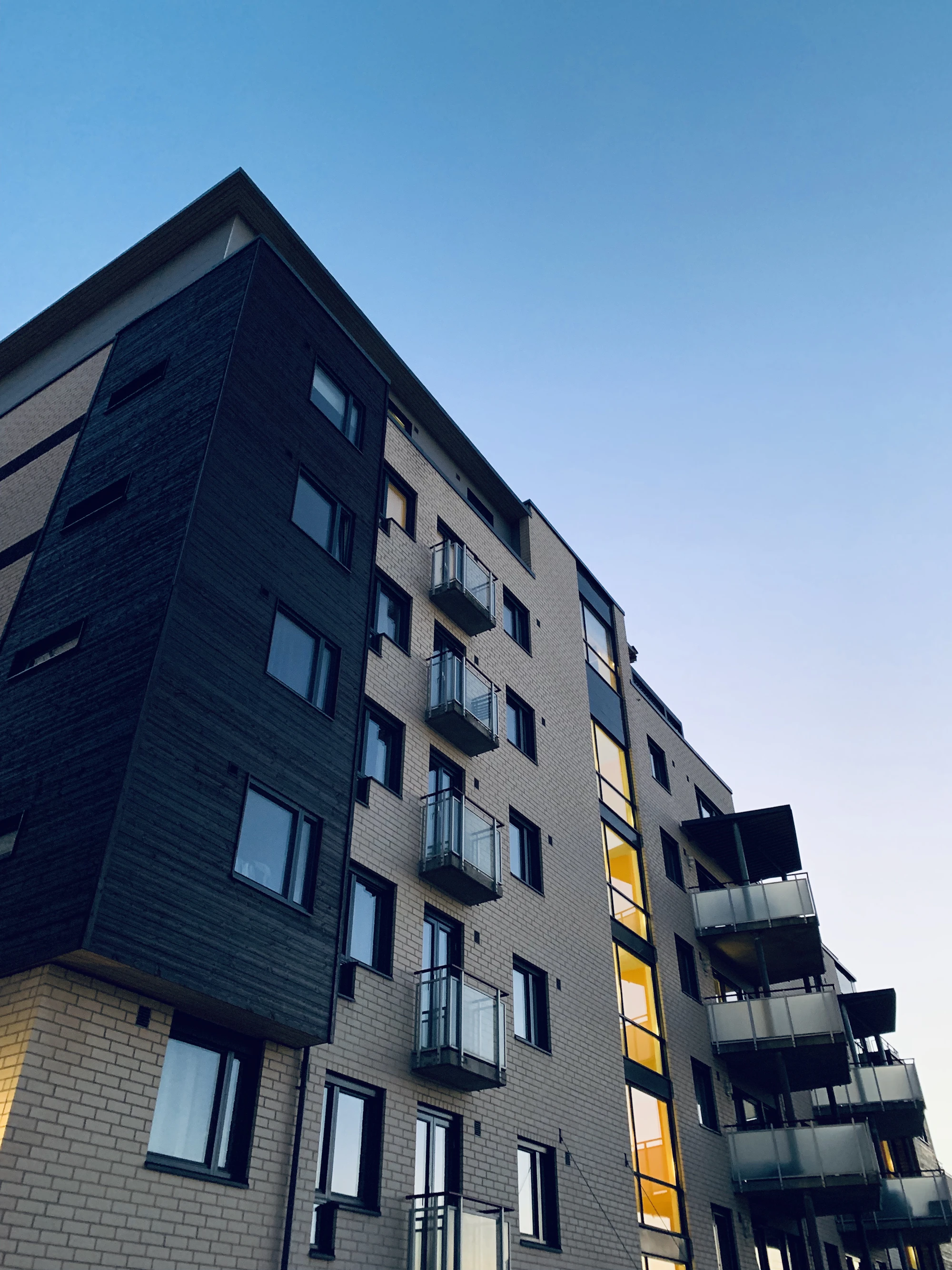
Cipriani — Brickell, Miami.
As branded residences reshape Miami's luxury skyline, <a href="/developments/cipriani-residences-brickell">Cipriani Residences</a> Brickell emerges as a singular case study in the intersection of hospitality prestige, urban scarcity, and investor-grade asset construction. This guide deconstructs the financial mechanics behind the project — from cap rates and comparable rental data to resale velocity and exit strategy — for high-net-worth buyers making a multi-million dollar allocation decision. Whether you are a family office acquiring a trophy income asset, a Latin American investor seeking dollar-denominated stability, or a domestic relocator optimizing tax position, what follows is the most rigorous investment analysis of Cipriani Residences Brickell available in print.
Why Brickell Is the Only Neighborhood in Miami That Functions Like a True Global Financial District
No neighborhood in Miami has undergone a more dramatic and structurally defensible transformation over the past fifteen years than Brickell. What was once a modest collection of mid-rise office towers and modest residential buildings has evolved into the most densely capitalized urban district in the southeastern United States. With over $20 billion in development committed or under construction along the Brickell corridor since 2010, the neighborhood now commands genuine comparisons to Midtown Manhattan, the Canary Wharf district in London, and São Paulo's Itaim Bibi — not in scale, but in the particular density of financial services employers, luxury residential demand, and international capital concentration that defines a truly investable urban core.
The investor's case for Brickell begins with a structural supply-demand imbalance that is difficult to replicate elsewhere in South Florida. The neighborhood is geographically constrained — bounded by Biscayne Bay to the east, the Miami River to the north, and the residential fabric of Coconut Grove to the south — which means that developable land parcels are scarce and growing scarcer. Every new tower that rises in Brickell represents not just another residential product but a permanent alteration of the supply ceiling. This scarcity dynamic is the foundational argument for why Brickell real estate has historically outperformed Miami Beach, Sunny Isles Beach, and Edgewater on a price-per-square-foot appreciation basis over rolling ten-year windows.
The tenant base in Brickell is also categorically different from other Miami submarkets, and this distinction matters enormously to the yield-focused investor. Brickell's renter pool is dominated by corporate tenants — banking professionals, fintech executives, private equity principals, and international business operators — who demand high-quality housing proximate to their offices and who are, critically, willing to pay for it. This demographic produces longer average lease terms, lower vacancy rates, and substantially less unit turnover than the leisure-driven tenant pools of Miami Beach or the younger creative-class renters who populate Wynwood and Edgewater. For an investor calculating net operating income on a Brickell asset, the quality of the tenant is as important as the quantity of rental demand.
The macro tailwinds reinforcing Brickell's investment thesis are now well-documented but bear repeating in the context of a specific asset purchase decision. Florida's lack of a state income tax continues to attract high-earning professionals and their employers from New York, California, Illinois, and Massachusetts at a pace that has not materially decelerated since the pandemic-era migration wave. The continued relocation of hedge funds, family offices, private equity firms, and technology companies to the Brickell-Miami corridor creates a self-reinforcing demand engine: more employers attract more employees, more employees demand more luxury housing, and more luxury housing demand drives more employer relocation as quality of life becomes a recruitment tool. Cipriani Residences sits at the precise geographic and brand-prestige intersection of this compounding dynamic.
The Cipriani Brand Premium: What a Century of Hospitality Heritage Is Actually Worth in Dollars Per Square Foot
The Cipriani name carries a weight in luxury hospitality that is genuinely difficult to quantify but financially consequential nonetheless. Founded in Venice in 1931 when Giuseppe Cipriani opened Harry's Bar — the establishment that invented the Bellini cocktail and earned a place on UNESCO's list of intangible cultural heritage — the Cipriani family has spent nearly a century building one of the most recognized hospitality brands in the world. Unlike hotel companies that have expanded aggressively across hundreds of properties and diluted their brand equity in the process, Cipriani has remained deliberately selective, operating a small portfolio of restaurants, hotel suites, and private clubs that includes locations in New York, Venice, Hong Kong, and London. This restraint is not nostalgia — it is strategy, and it translates directly into a brand premium that sophisticated buyers can measure.
The academic literature on branded residences is now extensive enough to draw clear conclusions. Research published by Savills, Knight Frank, and the Luxury Institute consistently finds that ultra-luxury branded residences command a price premium of 25 to 35 percent over comparable unbranded product in the same market, with the premium expanding as the brand's exclusivity and hospitality heritage deepens. Cipriani, with its deep-rooted associations with old-money European elegance, understated sophistication, and a guest roster that has historically included Ernest Hemingway, Charlie Chaplin, and generations of European aristocracy, occupies a brand tier that commands premiums at the upper end of that range. For a buyer analyzing Cipriani Residences against a comparable unbranded tower, the brand premium is not a luxury tax — it is a capital preservation mechanism that protects resale value through market cycles.
The brand premium also operates as a yield amplifier in the rental market in ways that are sometimes underappreciated by investors focused primarily on purchase price. A tenant who is willing to pay for the Cipriani name — and Brickell's corporate tenant pool contains many such individuals — is not merely paying for square footage and finishes. They are paying for an association, a lifestyle signal, and a service platform that the building's management team will deliver at a standard consistent with the Cipriani brand promise. This means that a Cipriani-branded unit can command a meaningful rental premium over an otherwise identical unit in a neighboring tower, and that premium flows directly to the investor's gross rental income before operating expenses. The gap between gross yield and net yield — the investor's actual return after management fees, vacancies, and maintenance — is also narrower in brand-managed buildings because the service infrastructure reduces tenant turnover and protects unit condition.
It is worth being precise about what kind of buyer the Cipriani brand actually attracts, because the answer has direct implications for the investment case. Cipriani's brand equity is strongest among European buyers — particularly Italian, Swiss, French, and British high-net-worth individuals — and among Latin American buyers from Brazil, Argentina, Colombia, and Mexico who associate the Cipriani name with the pinnacle of Old World hospitality. It is also powerful among the U.S. domestic market segment of buyers who have experienced Cipriani's New York venues — the 42nd Street ballroom, the Wall Street restaurant, and the private Downtown club — and who regard the brand as an emblem of the kind of discreet, high-caliber luxury that does not require explanation. This buyer and tenant pool is international, financially stable, and largely recession-resistant, which is precisely the profile that supports long-term asset value at Cipriani Residences.
Decoding the Rental Yield Mechanics: How to Build a Realistic Pro Forma for a Cipriani Brickell Unit
Constructing an accurate rental yield analysis for any pre-construction asset requires discipline, conservatism, and a clear-eyed separation of what the developer's marketing materials assert from what the comparable data actually supports. The starting point for any serious investor is the current Brickell luxury rental market, which has experienced substantial compression in vacancy rates and expansion in effective rents since 2021. Class A luxury units in Brickell — defined as units in newer construction towers with premium finishes, full-service amenities, and waterfront or skyline orientation — have commanded effective monthly rents ranging from approximately $7,000 to $18,000 or more depending on size, floor height, and specific unit attributes. The branded luxury segment, which includes completed products comparable in positioning to what Cipriani Residences will deliver, consistently achieves rents at the top of this range.
For a practical pro forma, consider a representative scenario using a two-bedroom, two-bathroom unit in a Cipriani Residences configuration. Assuming an effective monthly rent of approximately $12,000 to $15,000 — a range supported by comparable branded luxury rentals in Brickell — and a gross annual rental income in the range of $144,000 to $180,000, the investor then applies standard deductions for vacancy (conservatively 8 to 10 percent in a branded building with active management), property management fees (typically 8 to 10 percent of gross rents), HOA assessments (which in full-service luxury buildings can range from $1,500 to $3,000 per month or more), property taxes (calculated at roughly 1.8 to 2.1 percent of assessed value annually in Miami-Dade County), and maintenance reserves. The resulting net operating income will determine the cap rate the investor can expect at the purchase price.
Gross yields in Brickell's branded luxury segment have generally ranged from 4.5 to 6.5 percent on a pre-expense basis, with net yields after all operating costs typically landing in the 2.5 to 4 percent range for high-quality assets. These figures may appear modest compared to multi-family investments in secondary markets, but they must be contextualized appropriately. A net yield of 3 to 3.5 percent on a Brickell branded residence is not a bond — it is an equity position in an appreciating asset in a globally liquid market where annual price appreciation has historically added 5 to 10 percent in value during strong market cycles. The total return calculation, combining net yield plus appreciation, produces an unleveraged IRR that competes favorably with other institutional-grade real estate asset classes. When leverage is introduced conservatively — financing 50 to 60 percent of the purchase price at current rates — cash-on-cash returns improve substantially for investors who qualify for favorable terms.
The specific amenity package at Cipriani Residences is a yield driver that deserves its own line in the pro forma analysis. Branded buildings with restaurant-quality food and beverage operations, full-service concierge teams, resort-caliber pool and spa facilities, and active social programming attract tenants who are willing to pay more precisely because those amenities replace expenditures they would otherwise make externally. A corporate renter who dines regularly at the building's Cipriani restaurant, uses the spa and fitness center daily, and relies on the concierge for business support is not just paying rent — they are consolidating lifestyle expenses into a single monthly payment, and the total value proposition justifies a premium over what a purely residential building could command. This bundling effect is one of the most powerful yield-enhancing characteristics of the branded residence category and is central to the investment case at Cipriani Brickell.
Resale Value Drivers: The Five Variables That Will Determine What Your Cipriani Unit Is Worth in 2030
Resale value in ultra-luxury pre-construction is not random — it is the output of identifiable variables that sophisticated investors can analyze, weight, and stress-test before committing capital. The first and most powerful variable is brand durability. Unlike hotel flags that can be sold, rebranded, or terminated by contract disputes, the Cipriani name at Cipriani Residences is woven into the physical identity of the building — its restaurant operations, its service protocols, and its architectural expression. Historical data from other branded residence markets consistently demonstrates that buildings maintaining strong brand relationships over time preserve their price-per-square-foot premium relative to the broader market, while buildings that undergo flag transitions or management changes experience measurable price compression. The stability of the Cipriani brand relationship is therefore not just a lifestyle consideration — it is a financial one.
The second resale variable is floor plan scarcity and unit position. In any luxury tower, the distribution of unit types and the allocation of the most desirable orientations creates a hierarchy of resale value that does not necessarily track linearly with price paid at pre-construction. Corner units with dual-exposure city and bay views, high-floor units above the amenity deck, and larger floor plans with uncommon layouts — half-floors, full-floor residences, and penthouse configurations — consistently demonstrate stronger price appreciation and shorter days-on-market when offered for resale. Buyers targeting resale optimization at Cipriani Brickell should analyze not just the purchase price but the scarcity profile of their specific unit within the building's overall configuration, as the rarest floor plans command the most aggressive bidding in resale conditions.
The third variable is the supply pipeline in Brickell itself. Every new luxury tower announced and delivered in Brickell creates fresh competition for existing inventory in the resale market, and the investor who understands the timing of that supply can make more informed decisions about when to hold and when to exit. As of the current market cycle, the Brickell luxury pipeline — while active — is significantly constrained by land scarcity, construction financing conditions, and the long lead times required to bring ultra-luxury towers to completion. This means that units in completed or near-completion branded buildings like Cipriani Residences will face relatively limited direct competition in the near-term resale window, particularly at the $3 million and above price threshold where supply in Brickell has historically been the thinnest. The fourth variable is Miami-Dade County's assessed value trajectory, which directly affects the property tax burden that a future buyer must absorb and therefore the price point at which the unit clears in a resale transaction.
The fifth resale variable — and perhaps the most underappreciated by individual investors — is the quality and tenure of the building's resident community. In ultra-luxury branded residences, the composition of the owner and renter population creates a self-reinforcing quality signal that either strengthens or weakens resale appeal over time. Buildings with high owner-occupancy rates, low short-term rental turnover, and an established community of long-term residents tend to command resale premiums over buildings where the investor-heavy composition has created a transient or hotel-like atmosphere. The Cipriani brand's strong appeal to owner-occupants — European and Latin American buyers who intend to use the residence as a primary or secondary home rather than purely as an investment vehicle — creates a favorable community composition that will support resale values for the asset class as a whole. This is a qualitative factor that cannot be modeled precisely but that experienced brokers consistently cite as a determinative element in ultra-luxury resale outcomes.
Pre-Construction Deposit Structures, Contract Mechanics, and the Legal Framework Every Investor Must Understand
Purchasing a pre-construction condominium in Florida is governed by a distinct legal framework that differs materially from the mechanics of purchasing an existing property, and the Cipriani Brickell transaction is no exception. Florida's Condominium Act, specifically Chapter 718 of the Florida Statutes, provides significant consumer protections for pre-construction buyers that are not available in most other U.S. jurisdictions. The most critical of these is the mandatory rescission period: under Florida law, a buyer has 15 days from the execution of a purchase agreement to rescind the contract without penalty and receive a full refund of any deposits paid. This window is a valuable due diligence resource that sophisticated buyers should use aggressively — engaging their real estate attorney to review the purchase agreement, the condominium documents, the HOA budget, and the developer's financial disclosures before the rescission period expires.
The deposit structure for ultra-luxury pre-construction projects like Cipriani Residences typically follows a staged payment schedule tied to construction milestones rather than a single upfront payment. A common structure for this price tier involves an initial deposit of 20 to 30 percent at contract execution, followed by additional installments of 10 to 20 percent at defined construction milestones — slab completion, tower top-out, and interior completion — with the balance due at closing. This structure serves the developer's construction financing needs while spreading the buyer's capital commitment across the construction timeline. From the investor's perspective, the deposit structure creates both an opportunity and an obligation: the opportunity lies in the appreciation that typically occurs between contract execution and closing in an active market, and the obligation lies in the need to maintain sufficient liquidity to meet subsequent installments without distress.
Florida law requires that pre-construction deposits be held in escrow in a federally insured financial institution, and the developer is prohibited from accessing those funds for construction purposes until specific conditions are met. This escrow protection is meaningful but not absolute — investors should understand that the return of escrow funds in the event of developer default is governed by the specific terms of the purchase agreement and the developer's ability to fund the escrow account adequately. Reviewing the developer's financial statements, construction financing commitments, and track record of completing comparable projects is therefore a critical component of pre-construction due diligence that no buyer at this price tier should neglect. Engaging a Florida-licensed real estate attorney with specific experience in pre-construction transactions is not optional — it is a prerequisite for any financially prudent purchase.
The assignment clause in the purchase agreement deserves particular attention from investors who may wish to assign the contract prior to closing rather than taking title and then listing for resale. Many ultra-luxury developers include restrictions on pre-closing assignment — either prohibiting it entirely, requiring developer consent, or imposing an assignment fee — as a mechanism to prevent speculative flipping that can destabilize the project's pricing during construction. Buyers who intend to pursue an assignment strategy at Cipriani Residences must review the specific terms of their purchase agreement carefully and should consult with both their real estate attorney and a tax advisor, as the income from a contract assignment is typically characterized as ordinary income rather than capital gains for U.S. tax purposes, with significant implications for the after-tax return calculation. International buyers face an additional layer of complexity under FIRPTA withholding rules that should be addressed in advance with a qualified international tax counsel.
Tax Strategy for U.S. and International Investors: Maximizing After-Tax Returns on a Cipriani Brickell Acquisition
The tax treatment of a Cipriani Residences Brickell acquisition varies substantially depending on the buyer's residency status, intended use of the property, and holding strategy, and the difference between an optimized and unoptimized tax structure can represent hundreds of thousands of dollars in after-tax return over a ten-year holding period. For U.S.-based investors purchasing the unit as a rental property, the most significant tax benefit is the depreciation deduction available under IRS rules for residential rental property. Under the modified accelerated cost recovery system, the residential portion of a condominium can be depreciated over 27.5 years on a straight-line basis, creating a paper loss that can offset rental income and, for qualifying real estate professionals, other ordinary income. A cost segregation study — a specialized engineering and accounting analysis that identifies building components eligible for accelerated depreciation over 5, 7, or 15 years — can significantly enhance the near-term depreciation benefit and is particularly valuable for high-purchase-price assets.
For buyers establishing or reinforcing Florida residency, the acquisition of a Cipriani Brickell unit can serve as a foundational element of a broader tax migration strategy. Florida's absence of a state income tax, estate tax, and inheritance tax creates a compelling financial case for establishing domicile in Miami-Dade County, particularly for buyers who are currently resident in California, New York, New Jersey, or Massachusetts — states with combined state and local income tax rates that can exceed 13 percent on ordinary income. The specific requirements for establishing Florida domicile — including maintaining a principal residence, obtaining a Florida driver's license, registering vehicles, and filing a Declaration of Domicile — are well-established in Florida law, but the process must be executed meticulously to withstand scrutiny from high-tax state revenue departments that actively audit high-income taxpayers who claim relocation. Buyers pursuing this strategy should engage a tax attorney experienced in interstate domicile disputes.
International buyers — a segment that represents a substantial portion of the target market for Cipriani Residences given the Cipriani brand's global recognition — face a distinct set of tax considerations that require careful advance planning. FIRPTA, the Foreign Investment in Real Property Tax Act, requires that buyers withhold 15 percent of the gross sales price at closing when purchasing from a foreign seller, and also imposes withholding obligations on rental income paid to foreign investors. Foreign investors can elect to have their rental income taxed on a net rather than gross basis by filing an election under IRC Section 871(d), which in many cases produces a significantly lower effective tax rate on rental income. Holding structure is also a critical variable: many international investors purchase through a U.S. LLC, a foreign corporation, or a combination of entities designed to achieve specific estate planning, liability protection, and income tax objectives. No single structure is universally optimal — the right approach depends on the investor's country of residence, applicable tax treaties, and estate planning objectives.
The 1031 exchange is an additional tax strategy available to U.S. investors that deserves mention in the context of a Cipriani Brickell acquisition, even though the mechanics of acquiring a pre-construction unit require careful structuring to qualify. Under IRC Section 1031, a U.S. taxpayer can defer capital gains tax on the sale of investment property by reinvesting the proceeds in a like-kind replacement property within defined time windows — 45 days to identify the replacement property and 180 days to close. The key challenge in using a 1031 exchange to acquire a pre-construction unit is timing: the exchange funds must be deployed to close on the replacement property within the 180-day window, which may not align with the developer's construction timeline. Certain structured mechanisms — including reverse exchanges and build-to-suit exchanges under IRS Revenue Procedure 2000-37 — can address this timing challenge, but they add complexity and cost that must be weighed against the tax deferral benefit. Investors considering this strategy should begin discussions with a qualified intermediary and tax counsel well before initiating the exchange.
Competitive Positioning: How Cipriani Brickell Stacks Up Against the Nearest Branded Luxury Alternatives
The Miami branded luxury residential market has become genuinely competitive over the past five years, with a roster of international hospitality and fashion brands attaching their names to new towers across the metropolitan area. Understanding how Cipriani Residences positions against its nearest competitors is essential for the investor seeking to understand both the purchase decision and the future resale dynamics. The primary competitive set for Cipriani Brickell consists of other ultra-luxury branded towers in the Brickell submarket — including the Mandarin Oriental Residences and the One Brickell City Centre tower — as well as branded projects in adjacent submarkets like Edgewater and Miami Beach that appeal to the same global buyer pool, though with meaningfully different lifestyle and yield profiles.
The Mandarin Oriental Residences, currently under development and positioned at the very top of the Brickell luxury spectrum, represents the most direct price-tier competition for Cipriani. Both projects target an international, financially sophisticated buyer who demands both brand pedigree and the urban convenience of Brickell's financial district location. The key differentiating factor is brand identity: Mandarin Oriental's brand equity is rooted in Asian-inflected luxury hospitality with a strong corporate travel heritage, while Cipriani's identity is distinctly European — Italian in particular — and carries an association with social glamour, culinary excellence, and old-world refinement that appeals to a somewhat different but substantially overlapping buyer demographic. For investors, the relevant question is which brand identity produces stronger long-term rental demand from Brickell's tenant base, and the answer is that both are strong, with Cipriani's dining and entertainment heritage giving it a particular advantage in attracting high-profile corporate renters who entertain extensively.
Projects in Edgewater — including Aston Martin Residences and the Baccarat Residences — offer an alternative branded luxury experience but in a neighborhood with a fundamentally different investment profile. Edgewater's waterfront orientation, younger professional demographic, and proximity to Wynwood's cultural amenities produce a different tenant profile and yield dynamic than Brickell's corporate-financial core. Edgewater branded units have shown strong appreciation in recent years, but the submarket is more dependent on lifestyle-driven demand than on employment proximity, which makes it more susceptible to demand softening if the leisure-and-lifestyle migration wave that drove pandemic-era price growth moderates. Brickell's yield stability is more defensible precisely because it is anchored by employment demand rather than lifestyle demand, though in practice both forces operate simultaneously across the Miami luxury market.
Miami Beach branded projects — including the Shore Club Private Collection and, at the ultra-premium tier, Dolce & Gabbana Residences — offer a lifestyle experience that is categorically different from Brickell and that appeals to a buyer who prioritizes oceanfront access, nightlife proximity, and global cultural cachet over urban convenience and financial district adjacency. The yield profile of Miami Beach ultra-luxury assets is generally lower than Brickell equivalents due to higher HOA costs, seasonal demand patterns, and a tenant pool that is more vacation-oriented than work-oriented. The appreciation case for Miami Beach is arguably stronger on a brand-prestige and scarcity basis — oceanfront land in South Beach is genuinely irreplaceable — but for yield-focused investors who are constructing a portfolio rather than a trophy collection, Cipriani Residences in Brickell offers a more consistent income generation profile with the added benefit of a deeply liquid underlying market that can absorb resale inventory with less price concession than the more boutique Miami Beach inventory.
The Long-Term Appreciation Case: Infrastructure, Demographics, and the 10-Year Brickell Growth Trajectory
A rigorous appreciation analysis requires looking beyond the current market cycle to the structural forces that will shape Brickell's value trajectory over the next decade. The single most significant infrastructure development affecting Brickell's long-term trajectory is the continued buildout of Miami's Brightline intercity rail network, which connects Miami's Brickell station to Fort Lauderdale, West Palm Beach, and ultimately Orlando via a route that is expected to be fully operational by the mid-2020s. This infrastructure investment is transformative for the investment case: it means that a resident of Cipriani Residences can reach the Orlando airport in under three hours without a car, that Brickell's catchment area for corporate tenants now extends meaningfully up the I-95 corridor, and that Miami's positioning as a genuine intercity node — not merely a destination city — is permanently enhanced. Historical data from other markets consistently shows that major transit infrastructure investments produce measurable price appreciation in adjacent luxury residential properties.
The demographic trajectory of Brickell's professional population is equally supportive of the long-term appreciation case. The median household income of new Brickell residents has risen sharply over the past decade as the relocation wave has skewed progressively toward higher-income transplants. A 2023 analysis by the Miami Downtown Development Authority found that the average income of new residents registering in the Brickell submarket exceeded $200,000 annually — a figure that places the neighborhood's incoming population in the top percentile of household income nationally. As this high-income population establishes roots in Miami, forms families, and builds local professional networks, the demand for larger, higher-quality residential space in Brickell intensifies. This organic demand upgrade — the lifecycle progression from small studio to full-floor residence within the same neighborhood — is a distinctive feature of a maturing global financial district and is a powerful underpinning for long-term price appreciation in the luxury tier.
The international capital flow dimension of Brickell's appreciation story cannot be overstated for investors assessing a ten-year hold. Miami has emerged as the leading U.S. destination for Latin American high-net-worth capital seeking safe-haven dollar-denominated assets, and this demand flow shows no structural signs of abating. Brazil, Colombia, Mexico, Argentina, and Venezuela collectively represent a buyer pool of tens of thousands of high-net-worth individuals who regard Miami real estate — and Brickell branded residences in particular — as the most accessible and reliable store of value available to them in the dollar-denominated world. The political and economic instability that drives this demand is a persistent feature of Latin American governance dynamics rather than a temporary crisis, which means the structural demand from this buyer pool will persist regardless of the specific macroeconomic conditions prevailing in any given year. For the resale investor at Cipriani Residences, this international buyer pool functions as a permanent liquidity backstop.
The technology and financial services employment cluster that has taken root in Brickell and the broader Miami metropolitan area represents the most durable employment-driven demand driver for the long-term appreciation thesis. Companies including Citadel, Thoma Bravo, Elliott Management, Blackstone, and dozens of smaller hedge funds and private equity firms have established meaningful Miami presences, bringing with them hundreds of highly compensated professionals who require luxury housing within commuting distance of their Brickell offices. The technology sector has added further employment density, with companies ranging from established platforms to early-stage startups choosing Miami as their headquarters or secondary hub. This employment concentration is the critical distinction between Miami's current market cycle and previous boom-bust cycles that were driven primarily by speculative construction demand. When the buyer and renter demand for Brickell luxury housing is anchored by real employment — by people who work in the neighborhood every day — the resulting price support is structurally more durable than demand driven by lifestyle migration or investment speculation alone.
HOA Fees, Operating Costs, and the Total Cost of Ownership Framework Every Investor Must Model
The sticker price of a pre-construction luxury condominium represents only the beginning of the total capital commitment required to own, operate, and ultimately exit the asset. For an investor constructing a comprehensive return model on a Cipriani Residences unit, the HOA fee deserves the same analytical rigor as the purchase price itself, because it is a fixed monthly obligation that directly reduces net operating income and therefore compresses yield. Full-service branded luxury buildings with the amenity density that the Cipriani brand demands — restaurant operations, spa facilities, a full concierge team, pool and fitness infrastructure, valet parking, and 24-hour security — operate with significantly higher cost structures than standard luxury residential buildings. HOA fees in this tier of Miami branded development commonly range from $1,500 to $3,500 per month for a typical two-bedroom unit, with larger floor plans and penthouse residences carrying proportionally higher assessments.
Understanding what the HOA fee actually covers — and, critically, what it does not — is essential for accurate yield modeling. Most full-service branded building HOAs cover building insurance (excluding the contents of individual units), common area maintenance, landscaping and pool upkeep, management fees, exterior repairs and reserves, and the operating costs of the shared amenity facilities. They do not typically cover the individual unit's interior insurance (which the owner must obtain separately as an HO-6 policy), the electricity and water consumed within the unit, cable and internet service, or the cost of individual unit repairs and appliance replacements. For an investment unit that is being professionally managed and rented, these additional costs — particularly interior insurance, utilities if included in the lease, and periodic unit refreshment to maintain rental appeal — can add $500 to $2,000 per month to the effective carrying cost, depending on the specific lease structure and rental volume.
The reserve fund analysis is a component of HOA due diligence that buyers frequently underweight but that has significant implications for both ongoing cost and future special assessment risk. Florida law requires condominium associations to conduct reserve studies and maintain funding for capital reserves covering major building components including roof replacement, elevator systems, HVAC infrastructure, and exterior painting. Buildings that are chronically underfunded in their reserve accounts — a situation that is unfortunately common in older Miami condo buildings — are exposed to the risk of large special assessments that can represent tens of thousands of dollars in unplanned cost per unit. For a new construction project like Cipriani Residences, the reserve study and initial funding plan will be established by the developer and disclosed in the condominium documents, but buyers should review these projections carefully and compare them to reserve funding benchmarks established by professional reserve analysts to assess adequacy.
Property taxes in Miami-Dade County are assessed at the county appraiser's determination of just market value, and for a luxury branded residence, the annual property tax burden is a material line item in the total cost of ownership model. Miami-Dade's effective property tax rate for residential properties without homestead exemption — which applies to investment properties and second homes — is approximately 1.8 to 2.1 percent of assessed value, depending on the specific municipal overlays applicable to the Brickell corridor. For a unit with a market value of $3 million, this translates to an annual property tax bill in the range of $54,000 to $63,000, or $4,500 to $5,250 per month — a carrying cost that rivals or exceeds the HOA fee in magnitude and that must be factored into the yield analysis from day one. Buyers who are establishing Florida primary residence can benefit from the homestead exemption, which reduces the assessed value by $50,000 and caps annual assessment increases at 3 percent or the CPI, whichever is lower — a benefit that compounds significantly over multi-decade holding periods in an appreciating market.
Exit Strategy Architecture: Timing the Sale, Targeting the Buyer, and Maximizing Net Proceeds at Cipriani Brickell
The exit strategy for a Cipriani Residences investment should be planned before the purchase agreement is signed — not because the strategy is immutable, but because understanding the exit options and their associated costs, timelines, and tax implications allows the investor to structure the acquisition in a way that maximizes optionality. The three primary exit paths available to a Cipriani Brickell investor are a direct resale to an owner-occupant buyer, a direct resale to another investor, and a 1031 exchange into a larger or differently structured replacement asset. Each exit path has a distinct buyer pool, pricing dynamic, and transaction cost structure, and the investor who understands these distinctions can time their exit more effectively and negotiate from a position of knowledge.
The optimal resale timing for a pre-construction asset like Cipriani Brickell is typically between two and five years after closing — after the building has established its operational reputation, its amenity program has stabilized, and its initial resident community has formed, but before the next generation of competing branded towers delivers to the market and refreshes the supply landscape. In practice, the strongest resale premiums in branded luxury buildings tend to materialize during the first few years of operation, when the building's novelty and operational excellence command the widest premium over the broader resale market. Investors who attempt to hold through multiple market cycles sometimes find that later-generation competing product erodes their premium, while investors who exit too early — before the building has established its service reputation — may leave appreciation on the table. The two-to-five-year window is not a hard rule but reflects the general pattern observed across comparable branded residence resales in Miami and other global markets.
The target buyer for a Cipriani Brickell resale is most likely an end-user — an owner-occupant who is relocating to Miami, establishing a secondary residence, or upgrading within the Brickell submarket — rather than another purely investment-oriented buyer. This matters because owner-occupant buyers are typically willing to pay a higher price than investor buyers who are applying cap rate discipline to the purchase, and they are also less likely to demand price concessions based on yield analysis. Marketing a resale unit effectively to owner-occupants requires a brokerage team with genuine reach into the international buyer pools — European, Latin American, and domestic U.S. — that drive demand for Cipriani-branded properties specifically. A listing agent who specializes in the Brickell new construction and luxury resale segment will maintain active relationships with the buyer pool that is most likely to pay the highest price for a Cipriani unit, and the fee paid for that access is invariably a superior investment compared to the cost of extended days-on-market with a generalist agent.
The transaction costs associated with a Florida luxury condominium resale are lower than in many comparable markets, which is itself a meaningful advantage for the exit calculation. Florida imposes no state income or capital gains tax, leaving only the federal capital gains liability — 20 percent plus the 3.8 percent net investment income surtax for high-income taxpayers — as the primary tax friction on a resale gain. Documentary stamp taxes on the deed are assessed at $0.70 per $100 of consideration, and the buyer typically assumes title insurance and lender fees. The seller's primary transaction cost is the brokerage commission — typically 5 to 6 percent of the gross sales price in the Miami luxury market — and any outstanding HOA assessments or proration adjustments. Careful advance planning with a tax advisor, particularly around the timing of the sale relative to the investor's overall income picture in the relevant tax year, can further optimize the after-tax net proceeds from a Cipriani Residences exit and ensure that the full return on a well-executed investment decision is preserved as effectively as possible. If you have questions about current pricing or availability in Brickell, Denis Smykalov at Wolsen Developments is available for a direct consultation — no obligation, just straight answers about what is actually on the market.
Frequently Asked Questions
What rental yields can I realistically expect from a Cipriani Residences Brickell investment unit?
Gross rental yields in Brickell's branded luxury segment have historically ranged from 4.5 to 6.5 percent annually, with net yields after HOA fees, property management, property taxes, and vacancy landing in the 2.5 to 4 percent range for well-managed assets. For a representative two-bedroom unit at Cipriani Residences, effective monthly rents in the $12,000 to $15,000 range produce gross annual income of $144,000 to $180,000 before expenses. The brand premium that Cipriani commands over unbranded luxury buildings typically supports rents 15 to 25 percent above comparable square footage in neighboring non-branded towers, which meaningfully improves the income side of the yield equation. Investors should model conservatively and stress-test against a 10 to 15 percent reduction in effective rents to ensure the asset remains cash-flow positive under adverse market conditions. Total return, combining net yield plus annual price appreciation, has historically produced unleveraged IRRs in the 7 to 12 percent range for well-selected Brickell branded assets over five-year holding periods.
How does the Cipriani brand affiliation actually protect resale value compared to an unbranded luxury tower?
Research from Savills and Knight Frank consistently finds that branded residences command a 25 to 35 percent price premium over comparable unbranded product at the time of initial sale, and that this premium is substantially preserved — and in some cases expands — at resale, provided the brand relationship remains active and the building's management maintains brand standards. The Cipriani brand's particular strength lies in its deliberate exclusivity: unlike hotel flags that have expanded to hundreds of properties globally and diluted their cachet, Cipriani operates a highly curated portfolio that preserves its association with scarcity and prestige. Buyers targeting a Cipriani-branded unit at resale are drawn from a specific global pool — European, Latin American, and U.S. domestic buyers who recognize and value the brand — which provides a degree of demand stability that is independent of broader market cycles. The brand premium also functions as a buffer during market corrections: when overall prices decline, branded buildings with strong management reputations typically experience smaller percentage declines and recover more quickly than the broader market. This defensive characteristic makes the Cipriani brand affiliation a capital preservation mechanism, not merely a lifestyle amenity.
What are the key legal protections available to pre-construction buyers at Cipriani Residences Brickell under Florida law?
Florida's Condominium Act provides several significant protections that are not available to pre-construction buyers in most other U.S. states. The most important is the 15-day rescission period, which allows any buyer to cancel a purchase agreement and receive a full refund of deposits paid within 15 calendar days of executing the contract — a window that should be used actively for legal and financial due diligence. Florida law also requires that pre-construction deposits be held in a federally insured escrow account and prohibits the developer from using those funds for construction purposes without meeting specific statutory conditions, providing meaningful protection against developer insolvency. The developer is required to disclose a comprehensive set of condominium documents — including the declaration, bylaws, budget, and reserve study — and buyers have the right to review these documents before their rescission period expires. Buyers should retain a Florida-licensed real estate attorney with specific pre-construction experience to review all contract documents, as the purchase agreement in a luxury development is a complex instrument that contains provisions — including assignment restrictions, force majeure clauses, and closing delay rights — that have significant financial implications and that are negotiable in some cases.
How should international buyers structure their Cipriani Brickell purchase to minimize tax liability?
International buyers face several distinct tax considerations that require advance planning with a qualified international tax attorney before executing a purchase agreement. FIRPTA withholding — 15 percent of the gross sales price withheld by the buyer at closing when purchasing from a foreign seller — will apply when the investor eventually sells, and structuring the ownership through a U.S. entity rather than holding title individually can alter how this withholding applies. Rental income paid to foreign investors is subject to 30 percent gross withholding by default, but an election under IRC Section 871(d) allows foreign investors to be taxed on net rental income at graduated rates, which in most cases produces a significantly lower effective tax rate. The choice of holding entity — U.S. LLC, foreign corporation, or trust — has implications for liability protection, estate tax exposure, and the availability of treaty benefits that vary depending on the investor's country of residence. Many Latin American and European buyers ultimately use a tiered structure combining a foreign holding company with a U.S. operating entity to achieve their optimal combination of estate planning, liability protection, and income tax efficiency. No single structure is universally correct, and the optimal approach requires a coordinated analysis by tax advisors in both the investor's home country and the United States.
What is the typical deposit schedule for a Cipriani Residences pre-construction purchase, and how should I manage liquidity?
Ultra-luxury pre-construction projects in Miami typically require initial deposits of 20 to 30 percent of the purchase price at contract execution, followed by additional installments tied to construction milestones — commonly slab completion, tower top-out, and interior fit-out completion — with the remaining balance due at closing. For a $3 million unit, this means an initial capital commitment of $600,000 to $900,000, with additional payments of $300,000 to $600,000 at subsequent milestones before the closing balance is due. Investors should maintain sufficient liquidity in accessible accounts to meet all milestone payments without requiring distressed asset liquidation, and should also budget for the closing costs — documentary stamp taxes, title insurance, HOA move-in fees, and any required utility deposits — that will be due simultaneously with the final balance. The financing environment at the time of closing is also a critical planning variable: if rates have moved significantly between contract execution and the closing date two to four years later, the investor's financing costs may be materially different from current projections, which underscores the importance of stress-testing the cash flow model against a range of financing scenarios.
How does Brickell's rental market compare to Miami Beach for an investor seeking consistent yield?
Brickell's rental market produces more consistent yield for income-focused investors than Miami Beach primarily because its tenant base is driven by employment proximity rather than lifestyle and leisure preferences. Corporate tenants — banking and finance professionals, hedge fund employees, and technology executives — occupy Brickell luxury rentals year-round, sign longer leases, and are less likely to vacate abruptly due to lifestyle changes or seasonal patterns than the mixed owner-occupant and vacation-rental tenant base that characterizes Miami Beach luxury rentals. Vacancy rates in Brickell's branded luxury segment have historically been lower than Miami Beach equivalents, and the average lease term is longer — a combination that reduces management cost, limits unit wear, and produces more predictable net operating income. Miami Beach commands a higher brand prestige premium and offers irreplaceable oceanfront scarcity, which supports long-term appreciation in certain property types, but the yield consistency and employment-anchored demand of Brickell make it the more defensible income investment for buyers who are building a portfolio rather than acquiring a single trophy asset for personal enjoyment.
What construction and delivery risks should Cipriani Brickell investors account for in their due diligence?
Pre-construction investment carries inherent delivery risks that are distinct from the risks associated with purchasing an existing asset, and diligent investors in a project like Cipriani Residences Brickell should evaluate these risks systematically before committing capital. The primary risks include construction delays — caused by labor shortages, material cost escalation, supply chain disruptions, or permitting complications — that can extend the holding period significantly beyond the developer's projected delivery date and alter the investor's return profile by delaying rental income and prolonging the deposit period. Developer financial health is a critical due diligence variable: reviewing the developer's track record of completing comparable projects on budget and on schedule, examining the construction loan commitment and lender quality, and assessing the developer's equity capitalization relative to the project budget provides meaningful insight into execution risk. Investors should also examine the force majeure provisions in the purchase agreement, which typically allow the developer to extend the closing deadline significantly without constituting a default, potentially stranding buyer capital for longer than anticipated. Finally, material change provisions — clauses that allow the developer to alter floor plans, finishes, or amenities if circumstances require — should be reviewed carefully to understand the bounds of the developer's flexibility and the buyer's remedies if material changes are made.
Can I use a 1031 exchange to acquire a Cipriani Residences unit as a replacement property?
Using a 1031 exchange to acquire a pre-construction unit presents timing challenges that require careful structuring but can be accomplished through specific exchange mechanisms available under IRS Revenue Procedure 2000-37. The fundamental challenge is that a standard forward exchange requires the replacement property to close within 180 days of the sale of the relinquished property, and a pre-construction building may not be delivered within that window. A reverse exchange — in which the replacement property is acquired before the relinquished property is sold, using an Exchange Accommodation Titleholder as interim owner — can address this timing issue but adds complexity, cost, and a maximum 180-day holding period for the exchange accommodation structure. A build-to-suit exchange can also be structured to allow exchange proceeds to fund construction costs on a replacement property, though the specific rules governing what qualifies are detailed and require careful legal analysis. Investors pursuing a 1031 into a Cipriani Brickell unit should engage a qualified intermediary with specific experience in construction and reverse exchange structures well before initiating the exchange, and should confirm with their tax advisor that the unit will be held as investment property rather than personal use, as primary residence and vacation home uses are not eligible for 1031 treatment.
What lifestyle factors at Cipriani Residences Brickell support long-term tenant retention and lower vacancy?
Tenant retention in a branded luxury building is driven by the quality and comprehensiveness of the lifestyle infrastructure the building provides, and Cipriani Residences is designed to deliver a service platform that makes tenants reluctant to relocate even when alternative housing becomes available. The Cipriani restaurant and food and beverage operation within the building is perhaps the most powerful retention tool: tenants who have integrated high-quality on-site dining into their daily and weekly routines face a meaningful lifestyle disruption if they move to a building without equivalent culinary resources. The concierge infrastructure — managing reservations, travel arrangements, package receipt, and the dozens of logistical details that fill a high-achieving professional's daily life — creates a similar switching cost that grows more powerful the longer a tenant has relied on it. The social community that forms within a well-managed branded building also contributes to retention: tenants who have built professional and personal relationships with fellow residents develop a community attachment that competes effectively with the appeal of newer buildings. Finally, the physical quality of a branded luxury building — its maintenance standards, the consistency of its common area upkeep, and the ongoing investment in facility upgrades that the brand relationship incentivizes — means that the building does not deteriorate relative to newer competition as quickly as unbranded luxury buildings typically do.
What is the realistic 10-year appreciation scenario for a Cipriani Residences Brickell unit purchased at pre-construction pricing?
Projecting ten-year appreciation requires explicit scenario analysis rather than a single point estimate, and any responsible investment framework for a Cipriani Residences Brickell unit should model at least three scenarios: a base case, a downside case, and an upside case. In the base case — a continuation of Miami's current trajectory of moderate price appreciation, sustained corporate relocation, and constrained luxury supply — Brickell branded residences have historically appreciated at 5 to 8 percent annually in strong market cycles, suggesting that a unit purchased today at pre-construction pricing could represent 65 to 115 percent of additional value at the ten-year horizon on a compounded basis. The downside case — a significant macroeconomic shock, rising interest rates that persist for multiple years, or a reversal of the corporate relocation trend — might compress appreciation to 2 to 3 percent annually, still producing positive real returns in a state with no income tax drag. The upside case — accelerating corporate migration, continued international capital inflows, and limited new supply due to land scarcity and construction cost pressures — could support appreciation rates exceeding 10 percent annually in particularly strong years. The pre-construction pricing advantage — typically 10 to 20 percent below projected delivery pricing for comparable units — provides an immediate cushion against near-term market softness and enhances the return profile across all scenarios.
Ready to Take the Next Step?