Coconut Grove · Miami new construction · LLC asset protection · HOA reserve study · luxury condo buying guide · The Residences at 1428 Brickell
Buying Miami New Construction Through an LLC: Asset Protection, HOA Reserve Studies, and Coconut Grove Condo Buyer Guide
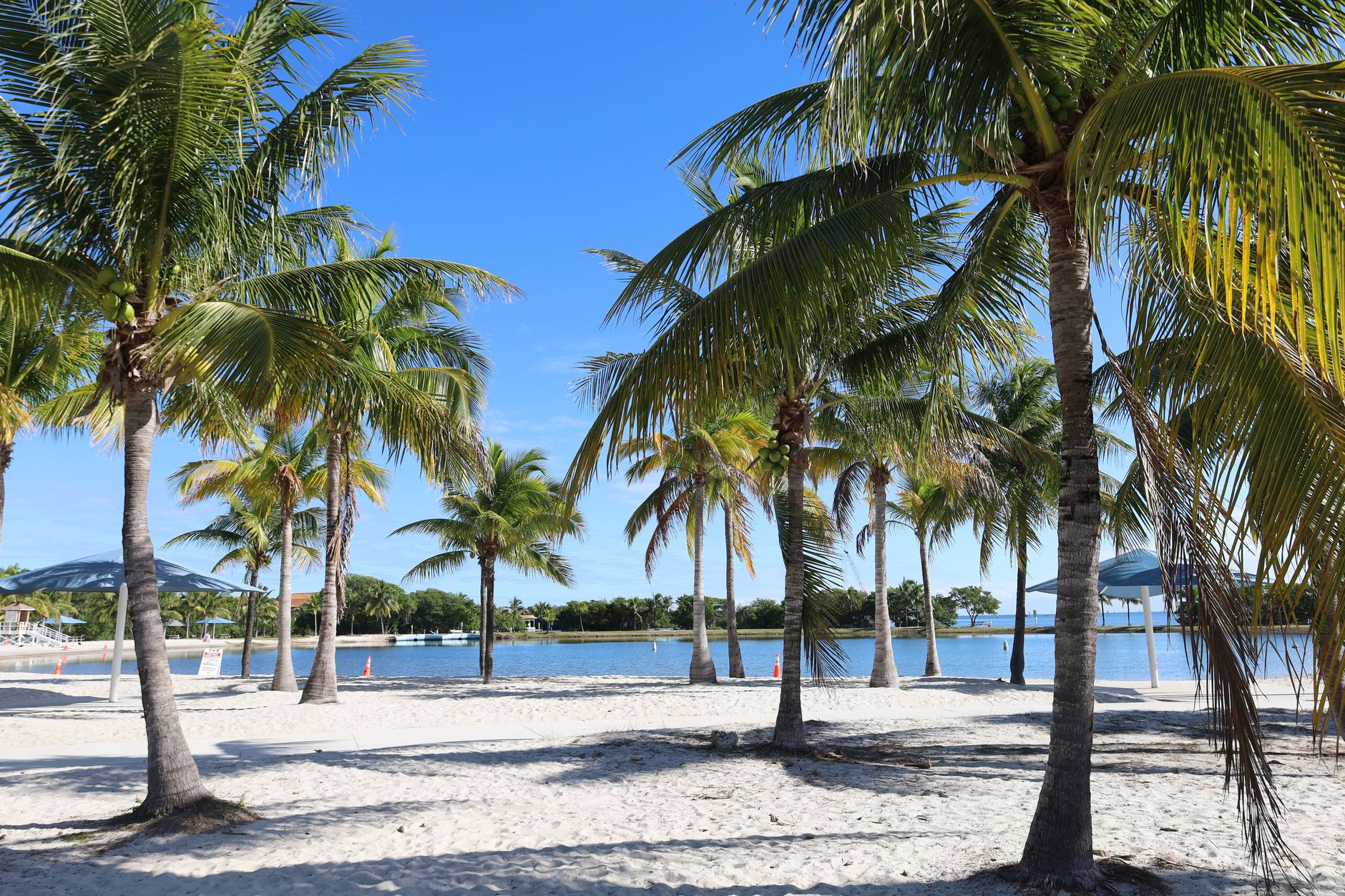
The Residences at 1428 Brickell — Coconut Grove, Miami.
A comprehensive guide for buyers purchasing Miami new-construction condos through an LLC for asset protection, with a deep dive into HOA reserve study analysis and neighborhood insights for Coconut Grove and beyond.
Why Buyers Use LLCs to Purchase Miami New Construction
Purchasing Miami real estate through a limited liability company (LLC) has become a preferred strategy for domestic and international buyers seeking to separate personal assets from property ownership. When a condo is held in an LLC, liability exposure from slip-and-fall claims, tenant disputes, or other property-related litigation is generally limited to the assets inside that entity rather than the buyer's broader personal estate. For high-net-worth individuals acquiring luxury units in Coconut Grove or Brickell, this structural layer can be a foundational piece of a broader wealth-preservation plan.
Florida is considered an LLC-friendly state, offering charging-order protection that makes it more difficult for creditors to seize membership interests directly. Buyers who hold multiple investment properties often form a separate single-purpose LLC for each asset, ensuring that a claim against one property cannot contaminate another. Before structuring any purchase this way, buyers should engage a Florida-licensed real estate attorney and a CPA who understands the tax implications — including loss of homestead exemption eligibility, which is reserved for natural persons. This legal groundwork should happen before signing a purchase agreement, not after.
Developers of luxury new construction in Miami are generally accustomed to closing with an LLC as the purchaser, though buyers should verify the developer's contract language and confirm that their lender — if financing — will lend to an entity rather than an individual. Institutional portfolio lenders and private lenders are more likely to underwrite LLC-held condos than conventional conforming lenders, so buyers should shop financing structures early in the process alongside structuring their entity.
Coconut Grove: Miami's Most Distinctive Neighborhood for New Construction
Coconut Grove occupies a rare position in Miami real estate: it is a walkable, tree-canopied enclave with genuine neighborhood character, Biscayne Bay access, and a supply-constrained new-construction pipeline. Unlike the high-density corridors of Brickell or Edgewater, Coconut Grove's zoning and historic preservation overlays limit the number of large-scale towers that can be approved, which tends to support long-term values. Buyers drawn to the Grove often cite the combination of sailboat marinas, independent restaurants, the Vizcaya Museum, and the Coconut Grove Arts Festival as markers of the area's irreplaceable identity.
New construction opportunities in Coconut Grove are limited and tend to sell through a mix of pre-construction reservations and broker relationships before reaching broad public marketing. Boutique mid-rise buildings offering full-service amenities — concierge, valet, rooftop pools, and private storage — are the prevailing format, catering to a buyer profile that values space, privacy, and neighborhood integration over the vertical grandeur of a supertall tower. Residences here often feature deeper terraces, larger floor plans, and more curated finishes than comparably priced units in denser districts.
For LLC buyers specifically, Coconut Grove presents a compelling investment thesis: constrained supply, a high barrier to new entrants created by zoning, strong demand from both domestic relocators and Latin American buyers who prize the area's established prestige, and a rental market that performs well during periods when the owner is not in residence. Buyers using entities for asset protection should confirm with the building's association that LLC ownership does not restrict their use of amenities or their ability to lease the unit, as some boutique associations carry occupancy restrictions in their governing documents.
Reading a Miami Condo HOA Reserve Study Before You Buy
Florida law requires condominium associations to maintain reserves for major capital expenditures including roof replacement, building painting, resurfacing of paved areas, and any item whose deferred maintenance would cost more than $10,000 to repair. Since the Surfside collapse of 2021 and the sweeping legislative reforms enacted through Senate Bill 4-D and subsequent legislation, reserve funding requirements have been significantly strengthened, particularly for buildings three stories or taller. Buyers of any Miami condo — new construction or resale — must now understand the reserve study in far greater detail than was expected just a few years ago.
A reserve study is a professional assessment, typically prepared by a licensed structural engineer or reserve specialist, that estimates the remaining useful life of major building components and calculates the annual contributions necessary to fund their eventual replacement. A fully funded reserve means the association has set aside money proportional to how much of each component's useful life has already been consumed. An underfunded reserve means the association is behind schedule on savings — and future owners, including LLC purchasers, may face special assessments to close the gap. When reviewing a reserve study, buyers should look at the funding level percentage (ideally 70% or higher for an established building), the date of the study, whether the study was prepared by a qualified third-party engineer, and which components are included versus excluded.
For buyers purchasing new construction, the reserve study situation is somewhat different. Brand-new buildings typically begin with reserves funded through the developer's initial contributions as required by Florida statute, but the adequacy of those contributions and the quality of the initial reserve study can vary significantly. Buyers should request the pro forma budget, the initial reserve schedule, and ideally an independent engineer's report on the building's components. In a post-Surfside regulatory environment, lenders and buyers alike are scrutinizing this documentation far more carefully than in prior cycles. A well-capitalized reserve fund is not merely a financial metric — it is a signal of how professionally the building will be managed over its useful life.
Structural Integrity and Milestone Inspections: What New-Construction Buyers Must Know
Florida's SB 4-D, signed into law in May 2022, introduced mandatory Milestone Structural Inspections for condominium buildings three stories or taller. Phase 1 inspections — a visual inspection by a licensed engineer or architect — are required when a building reaches 30 years of age (or 25 years for buildings within three miles of the coastline), and must be repeated every 10 years thereafter. Phase 2 inspections, which involve more invasive testing, are triggered when Phase 1 reveals structural concerns. For buyers of new construction today, these requirements won't affect their specific unit immediately, but they establish the long-term inspection cadence that will govern the building throughout their ownership.
Beyond the statutory milestones, sophisticated buyers of luxury new construction should commission their own pre-closing inspection by an independent engineer, even for a brand-new building. Punch-list reviews, a standard feature of new-construction closings, identify cosmetic and finish deficiencies — but an independent structural or MEP (mechanical, electrical, plumbing) engineer can identify system-level concerns that a visual walkthrough might miss. This investment of a few hundred to a few thousand dollars is particularly valuable for LLC purchasers who may not be personally on-site and who rely on professional advisors to protect the entity's asset.
Buyers should also carefully review the developer's warranty provisions. Florida law provides statutory implied warranties for new construction, including a 3-year warranty against major structural defects and a 10-year warranty for load-bearing components. Developer-drafted contracts sometimes attempt to limit or shorten these warranties, and a Florida real estate attorney should review these provisions before the buyer signs. Understanding how warranty claims are administered — and which party bears the burden of proof — is especially important for buyers holding property in an LLC, where the contractual relationships must flow through the entity correctly.
The Residences at 1428 Brickell and Miami's Ultra-Luxury New Construction Standard
While Coconut Grove offers a boutique, neighborhood-integrated luxury experience, the broader Miami new-construction market also encompasses supertall and ultra-luxury towers in adjacent districts that attract similar buyer profiles. The Residences at 1428 Brickell represents one of the most ambitious residential projects currently in development in Miami, positioning itself at the intersection of architectural significance and residential exclusivity. Designed with a focus on biophilic design principles and featuring unusually large floor plates by Brickell standards, the project has attracted international attention from buyers who evaluate Miami alongside New York, London, and São Paulo.
For LLC buyers comparing Coconut Grove boutique buildings against a Brickell supertall like The Residences at 1428 Brickell, the considerations shift in meaningful ways. Supertall buildings carry a different reserve study profile — more complex mechanical systems, longer elevator banks, larger common areas, and more sophisticated building envelopes all translate into higher anticipated maintenance costs over time. However, the best-capitalized luxury towers are developed with institutional-grade reserve planning from the outset, and buyers should request documentation of those projections as part of their due diligence package.
The structural integrity and engineering standards applied to a building like The Residences at 1428 Brickell represent the top tier of what contemporary construction technology can deliver in South Florida. For buyers whose LLC is acquiring a unit as a long-term store of value, the quality of construction and the developer's track record on reserve funding are arguably more important than any short-term price negotiation. A well-built, properly reserved building protects the entity's balance sheet across decades, not just at the moment of closing.
Closing Mechanics for LLC Buyers: Entity Setup, Title, and Ongoing Compliance
Closing a Miami condo purchase through an LLC requires coordination among multiple professional disciplines — and buyers who underestimate this complexity often create inadvertent problems. The LLC must be properly formed and in good standing in its state of organization (many buyers use Florida LLCs for simplicity, though Delaware and Wyoming LLCs are also common). The operating agreement must authorize the member or manager signing the closing documents to act on the entity's behalf, and the title company will require this documentation along with a certificate of good standing. Buyers should have all entity documents finalized at least 30 days before the scheduled closing date.
Title insurance for LLC-held properties deserves particular attention. A standard owner's policy covers the entity as named insured, but buyers should also consider whether the policy should extend to the members individually in the event the LLC veil is later challenged. A Florida real estate attorney can advise on whether an endorsement or separate coverage is appropriate given the buyer's overall asset structure. Buyers who are financing — whether through a traditional bank or a private lender — will also need a lender's title policy, and the lender may require personal guarantees from the LLC's members depending on the loan structure.
Ongoing compliance is an often-overlooked cost of LLC ownership. Florida LLCs must file an annual report with the Division of Corporations and pay a modest filing fee; failure to do so results in administrative dissolution of the entity, which can create catastrophic title and liability issues. Beyond the state filing, LLC owners should ensure that the entity has its own bank account, maintains clean separation from personal finances, and that all association dues, assessments, and insurance premiums are paid from the entity — not the member's personal account. This operational discipline is what gives the LLC its legal effectiveness as a liability shield.
Frequently Asked Questions
Can I purchase a Miami new-construction condo through an LLC?
Yes. Most Miami new-construction developers accept LLC purchasers, though buyers must present proper entity documentation at closing, including a certificate of good standing and an operating agreement authorizing the signatory to act on behalf of the entity. Financing through an LLC is more complex and typically requires a portfolio or private lender rather than a conventional conforming mortgage.
Does buying a condo through an LLC protect me from personal liability in Florida?
A properly structured and maintained Florida LLC generally limits liability to the assets held within the entity, shielding the member's personal assets from property-related claims. However, this protection can be compromised if the LLC is not kept in good standing, if the member commingles personal and entity finances, or if a court pierces the corporate veil. Consult a Florida-licensed real estate attorney before structuring any purchase this way.
Will I lose my Florida homestead exemption if I buy through an LLC?
Yes. Florida's homestead exemption and its associated property tax cap are available only to natural persons who own and occupy the property as their primary residence. An LLC is not a natural person, so a condo titled in an LLC's name is ineligible for homestead benefits regardless of how the buyer uses the property.
What should I look for in a Miami condo HOA reserve study?
Buyers should review the reserve study's funding level percentage — ideally 70% or higher — as well as the date of the study, the qualifications of the preparer, which building components are included, and the annual contribution schedule. A recently updated study prepared by a licensed structural engineer or certified reserve specialist carries more weight than an outdated internal assessment.
Are HOA reserve studies required for new-construction condos in Miami?
Florida law requires new condominium associations to establish reserves as part of their initial budget, but the depth and rigor of that reserve planning can vary. Buyers should request the developer's pro forma budget and initial reserve schedule and, where possible, commission an independent reserve analysis to verify that funding projections align with the building's actual capital replacement needs.
What is a Milestone Structural Inspection and does it affect new-construction buyers?
A Milestone Structural Inspection is a mandatory engineer-conducted inspection required for Florida condo buildings three stories or taller at 30 years of age (25 years for coastal buildings), and every 10 years thereafter. New-construction buyers today won't face this requirement immediately, but the inspection cadence will govern the building throughout the ownership period and should factor into long-term reserve planning.
How do I evaluate whether a Miami new-construction building's reserves are adequately funded?
Denis Smykalov, a Miami new-development specialist at Wolsen Developments, recommends that buyers request the building's official reserve study, the current year's operating budget, and — where available — the most recent independent structural engineer's report before closing, then compare the projected annual reserve contributions against the estimated replacement costs of major components like the roof, elevators, and building envelope to determine whether the funding trajectory is realistic over a 10- to 30-year horizon.
Is Coconut Grove a good neighborhood for new-construction condo investment?
Coconut Grove offers a supply-constrained environment with zoning and preservation overlays that limit large-scale new development, which has historically supported price stability and long-term value appreciation. The neighborhood's walkability, Biscayne Bay access, and established international prestige make it attractive to both primary residents and investors seeking rental income during periods of non-occupancy.
What makes The Residences at 1428 Brickell notable among Miami new-construction projects?
The Residences at 1428 Brickell is positioned as one of Miami's most architecturally ambitious ultra-luxury residential towers, distinguished by its biophilic design principles, exceptionally large floor plates relative to Brickell norms, and a focus on a small number of full-floor and large-format residences. It competes for buyers evaluating Miami alongside global gateway cities.
What ongoing compliance is required to maintain an LLC used to hold Florida real estate?
Florida LLCs must file an annual report with the Florida Division of Corporations each year to remain in good standing. Owners should also maintain a dedicated entity bank account, pay all property-related expenses from that account rather than personal funds, and keep the operating agreement current — particularly if ownership or management of the LLC changes. Failure to maintain these practices can undermine the liability protection the entity is intended to provide.
Ready to Take the Next Step?