Bay Harbor Islands · Latin American Buyers · New Construction Condos · Miami Luxury Real Estate · Developer Due Diligence · Kempinski Residences
Bay Harbor Islands New-Construction Buyer Guide for Latin American Buyers: How to Evaluate a Developer's Track Record and Why Kempinski Residences Is Redefining the Standard
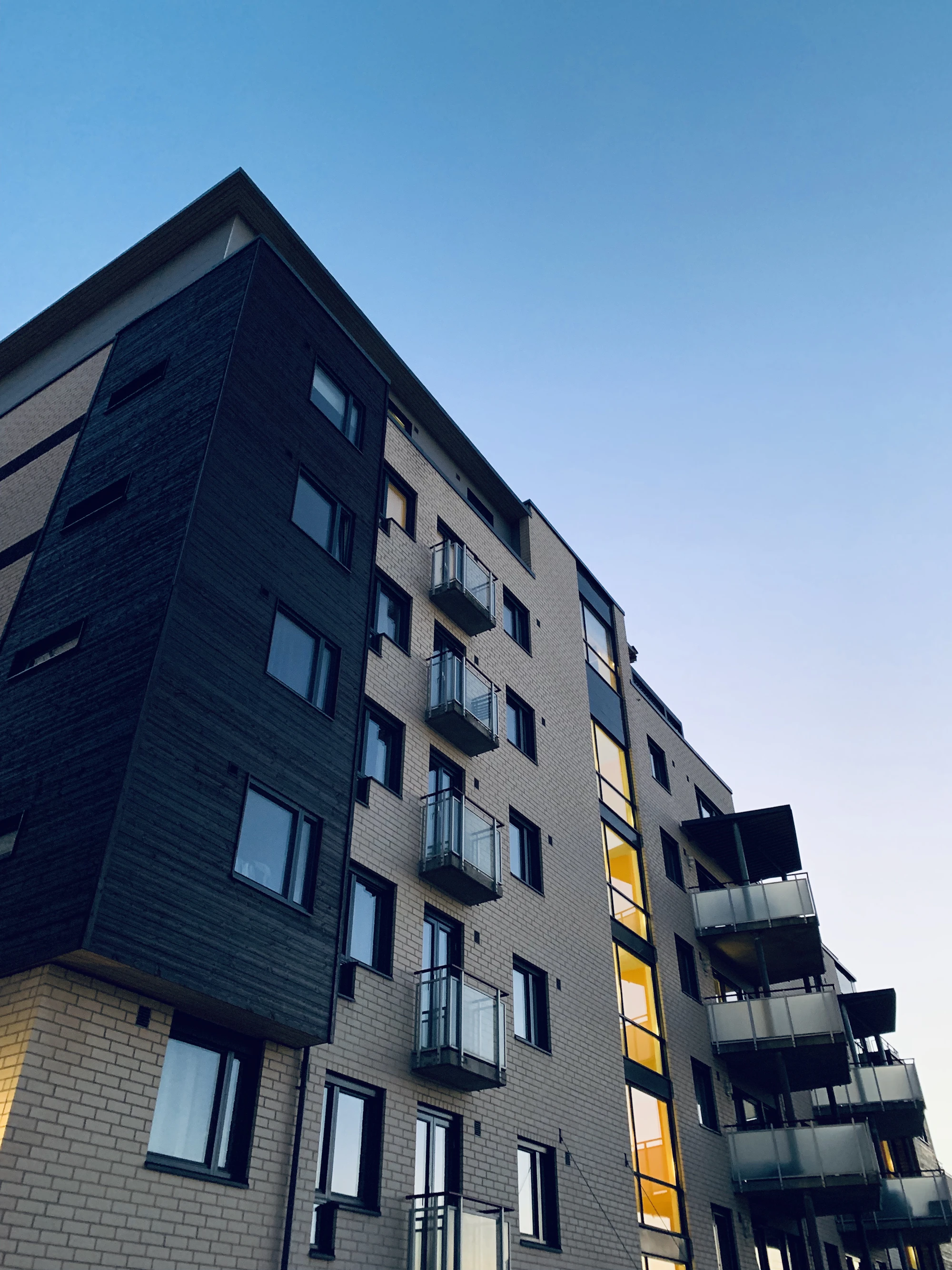
Kempinski Residences — Bay Harbor Islands, Miami.
For Latin American buyers navigating Miami's competitive new-development market, Bay Harbor Islands represents a rare convergence of walkability, waterfront living, and insulation from the overcrowding that plagues more famous zip codes. This guide walks you through every dimension of the buying process — from cross-border wire transfers and FIRPTA obligations to the granular developer due diligence that separates trophy assets from costly mistakes — with Kempinski Residences serving as the market's most instructive benchmark.
Why Bay Harbor Islands Has Become the Most Compelling Address for Latin American Buyers Priced Out of Bal Harbour
Bay Harbor Islands occupies a quietly privileged position in Miami-Dade County that most outsiders fail to appreciate until they spend a full week there. Sandwiched between the retail grandeur of Bal Harbour Shops to the north and the emerging cultural density of Surfside to the south, the two-island municipality — East Island and West Island — functions as a kind of protected enclave. Its residential zoning is strict, its traffic is manageable, and its waterfront footage along Indian Creek and Biscayne Bay is genuinely scarce. For buyers from Bogotá, São Paulo, Mexico City, or Buenos Aires who have studied Miami extensively, Bay Harbor Islands consistently surfaces as the neighborhood that rewards deeper due diligence with outsized lifestyle returns. It is not the flashiest address, but it is among the most livable, and for multi-generational families accustomed to dense, walkable urban environments in Latin America, the neighborhood's proportions feel immediately familiar.
The neighborhood's proximity to Bal Harbour Shops — widely regarded as one of the highest-grossing retail centers per square foot in the Western Hemisphere — gives Bay Harbor Islands residents effortless access to Chanel, Hermès, and a restaurant ecosystem that continues to expand. Yet unlike Bal Harbour proper, Bay Harbor Islands does not carry the same unit-price ceiling that makes entry prohibitive for buyers seeking value appreciation alongside lifestyle. Historically, price-per-square-foot in Bay Harbor Islands has traded at a meaningful discount to adjacent Bal Harbour, even as the two communities share essentially the same amenities, school options, and oceanfront proximity. That spread is narrowing as supply tightens and developer interest intensifies — a dynamic that sophisticated Latin American buyers with longer investment horizons are increasingly recognizing and acting upon.
The public school system that serves Bay Harbor Islands, including Ruth K. Broad Bay Harbor K-8 Center, has consistently ranked among Miami-Dade County's top-performing schools, which is a non-trivial consideration for families relocating permanently rather than purchasing a second residence. Latin American buyers — particularly those from Colombia, Venezuela, Brazil, and Argentina — often arrive with school-age children and an explicit mandate to identify neighborhoods that eliminate the need for private school enrollment in the early years of a relocation. Bay Harbor Islands meets that test, which distinguishes it sharply from many competing Miami submarkets where the public school equation is far less favorable. This family-centric infrastructure, combined with the walkability score that rivals Brickell without the canyon-like density, gives Bay Harbor Islands a durable residential quality that purely investment-driven neighborhoods cannot replicate.
The waterfront character of Bay Harbor Islands is also distinctive in ways that photographs do not fully capture. The islands are threaded by canals, and the primary bodies of water — Indian Creek and Biscayne Bay — provide both visual serenity and access points for small watercraft. Unlike Sunny Isles Beach, where the dominant aesthetic is high-rise towers stacked along a narrow barrier island strip, Bay Harbor Islands maintains a lower-scale streetscape that preserves sightlines and reduces the sense of vertical crowding. New development is bringing taller, more amenity-rich buildings to the neighborhood, but the relative scarcity of developable waterfront parcels ensures that even as the market matures, supply will remain constrained. For Latin American buyers who have watched Punta del Este or Cartagena's beachfront markets get overwhelmed by oversupply, Bay Harbor Islands' structural limitations on new construction are among its most reassuring characteristics.
Understanding the Miami New-Construction Buying Process as a Non-U.S. Resident: Legal, Tax, and Structural Essentials
The single most important thing a Latin American buyer must understand before signing a purchase contract for a Miami new-construction condo is that the American pre-construction buying framework is legally and structurally different from what most buyers have encountered in their home markets. In Brazil, Colombia, Argentina, and Mexico, pre-construction deposits are often held by the developer in operational accounts and carry variable levels of legal protection depending on the regulatory environment. In Florida, pre-construction deposit structures are governed by the Florida Condominium Act, which requires that buyer deposits be held in escrow by a licensed escrow agent — typically a title company or attorney — until either the developer meets the conditions required to release those funds or the buyer cancels under a protected right of rescission. This statutory framework provides meaningful protection, but it requires buyers to understand what they are signing, not simply rely on what a developer's sales team explains in a showroom.
Foreign national buyers — which includes virtually all Latin American purchasers who are not U.S. citizens or lawful permanent residents — must also grapple with the Foreign Investment in Real Property Tax Act, known universally as FIRPTA. Under FIRPTA, when a foreign national sells U.S. real property, the buyer or closing agent is required to withhold a percentage of the gross sales price and remit it to the IRS as a prepayment toward potential capital gains liability. The withholding rate applicable to most residential transactions involving foreign sellers is fifteen percent of the gross sales price, though this can be reduced through proper planning, including the establishment of a U.S. LLC or other holding structure with the guidance of a qualified international tax attorney. Latin American buyers who are planning to hold property long-term and eventually sell should establish their ownership structure before the initial contract is signed, because restructuring after closing is far more complex and potentially costly.
Currency transfer is another dimension that Latin American buyers frequently underestimate in terms of planning time and compliance burden. Most U.S. title companies require that closing funds arrive via domestic wire transfer in U.S. dollars from a U.S.-domiciled bank account. This means buyers from Brazil, Colombia, or Argentina need to establish U.S. banking relationships well in advance of closing — a process that, depending on the buyer's country of origin, documentation profile, and the bank's own compliance protocols, can take anywhere from four to twelve weeks. Some buyers elect to open accounts with international private banks that maintain both U.S. and Latin American operations, such as the Miami offices of major international banks, which can streamline the KYC and AML compliance process. The practical advice is simple: do not wait until the closing date is imminent to begin the banking process, because the consequences of a delayed wire can include penalty clauses or, in extreme cases, default provisions under the purchase contract.
Estate planning is a frequently overlooked dimension of the cross-border transaction that Latin American buyers, particularly those from high-net-worth families, should address explicitly. U.S. estate tax applies to non-resident aliens who own U.S. situs assets, including real property, and the applicable exemption for non-resident aliens is currently far lower than the exemption available to U.S. citizens. Owning a Miami condominium in your personal name as a Venezuelan or Argentine national can expose your estate to significant U.S. estate tax liability upon death. Many international tax advisors recommend that Latin American buyers hold Miami real estate through a foreign corporation, a U.S. LLC owned by a foreign entity, or a trust structure specifically designed to minimize estate tax exposure. The appropriate structure depends heavily on the buyer's domicile, the applicable tax treaty between their country and the U.S., and their broader estate planning objectives — all of which require expert guidance before the purchase contract is executed.
How to Read a Developer's Track Record: The Five-Layer Due Diligence Framework That Sophisticated Buyers Use
Evaluating a developer's track record is not a single research task — it is a structured, multi-layer investigation that should be conducted before any deposit is wired. The first layer is the completion record: how many projects has this developer completed in Miami-Dade County, and were those projects delivered on time and within the scope represented to initial buyers? Miami's new-construction market has seen developers — some with impressive international reputations — deliver projects years behind schedule or with significant deviations from the original offering documents. The Florida Division of Condominiums, Timeshares, and Mobile Homes maintains public records of all registered condominium developments, and the Condominium Prospectus filed for each project is a legally binding document that contains the developer's disclosed history of prior projects, including any that were not completed. Reading this section carefully is not optional for a serious buyer.
The second layer of developer due diligence is financial capitalization — specifically, whether the developer has the equity and debt financing in place to complete the project without depending entirely on buyer deposits to fund construction. Many developers in Miami's new-construction market launch sales before they have secured a construction loan, which is not inherently problematic if the pre-sales structure is legally sound and the deposit funds are properly escrowed. However, buyers should ask directly whether the developer has a committed construction lender and, if so, whether that lender has conducted its own appraisal and due diligence. A well-capitalized developer who has already secured construction financing from a reputable U.S. or international lender provides a meaningfully different risk profile than one who is still in pre-sales mode and relying on deposit accumulation to attract lenders. This distinction is particularly important for Latin American buyers who may be committing deposits to projects with three-to-five-year delivery timelines.
The third layer involves litigation history. Florida court records are publicly searchable, and a serious buyer or their attorney should review whether the developer or its principals have been parties to material construction defect litigation, lender disputes, or buyer contract disputes in prior projects. Some litigation is inevitable in large development projects — disputes with subcontractors, for example, are common and relatively benign. What buyers should scrutinize carefully are patterns of litigation involving buyer complaints about misrepresentation, construction quality failures, or failure to deliver promised amenities. The fourth layer is the developer's subcontractor and design team relationships: who is the general contractor, who is the architect of record, and who is the interior designer? Developers who consistently work with the same high-quality construction teams across multiple projects tend to produce more consistent results than those who re-bid every project to the lowest bidder.
The fifth layer — and the one that Latin American buyers most commonly skip — is reference-checking with owners in the developer's prior buildings. This means identifying the HOA or condominium association for two or three prior completed projects and, where possible, speaking directly with unit owners or board members about their experience with the developer during the post-delivery warranty period. Florida law requires developers to warranty structural components for a defined period post-delivery, and how a developer responds to warranty claims is often the most revealing indicator of their integrity and operational capacity. Developers who respond promptly and thoroughly to post-delivery deficiencies earn the trust that generates repeat buyers and referrals. Developers who become adversarial or evasive after closing are frequently the subject of the type of litigation referenced in the third layer. A developer with a strong track record across all five layers is a dramatically safer bet than one with a spectacular marketing campaign but an opaque construction history.
Kempinski Residences as a Developer Track Record Benchmark: What the Brand Affiliation Signals to Discerning Buyers
Kempinski Residences represents one of the most instructive case studies available to Latin American buyers evaluating Bay Harbor Islands new construction, precisely because it brings the full weight of a global hospitality brand's credibility to the developer's track record narrative. Kempinski, founded in 1897 and headquartered in Geneva, operates luxury hotels across Europe, the Middle East, Africa, and Asia, with a brand identity built on European white-glove service standards and architectural distinctiveness. When a developer chooses to affiliate with Kempinski for a residential project, they are not simply licensing a name — they are entering into a set of contractual obligations around service delivery, physical standards, and brand consistency that the hospitality company enforces with considerable rigor. This brand accountability layer is something that unbranded developers do not offer, and for Latin American buyers who have watched unbranded Miami projects underdeliver on promised amenities, the distinction matters.
The significance of a five-star hotel brand affiliation for a residential project extends well beyond marketing. Hospitality brands like Kempinski bring operational expertise — specifically, they understand how to staff, train, and manage the kind of concierge, valet, housekeeping, and lifestyle management services that ultra-luxury residents expect. In a pure residential context, these services are often promised in sales materials but delivered poorly because the HOA management company lacks the hospitality DNA to execute them at a true hotel standard. When a brand like Kempinski is operationally involved — not simply lending its name — residents experience a measurably different quality of daily life. For Latin American buyers accustomed to the service cultures of São Paulo's finest hotels or Mexico City's Four Seasons, this distinction is immediately legible. They recognize the difference between a building that aspires to hotel-like service and one that actually delivers it.
Kempinski Residences also serves as a useful comparator for evaluating the amenity programming that buyers should expect at any new development in the Bay Harbor Islands and greater Mid-Beach corridor. A development that positions itself in the luxury tier but cannot point to a comparable amenity stack — fitness programming, curated F&B access, spa infrastructure, dedicated concierge, and managed common area maintenance — is likely to face resale pressure in a market where branded residences are increasingly setting the experiential baseline. Latin American buyers should benchmark every development they evaluate against what Kempinski delivers, asking explicitly: what is the recurring revenue model that funds these amenities, what is the projected HOA fee, and what happens to service quality if the HOA runs a deficit? These are the questions that separate a well-structured luxury purchase from a lifestyle promise that erodes after the developer exits the building.
From a pure investment perspective, branded residences like Kempinski Residences have demonstrated in multiple global markets that they command both a price premium at initial sale and a more durable resale premium compared to comparable unbranded product. The academic and market research on this dynamic is substantial: studies of branded residences across Miami, New York, London, and Dubai consistently show that the brand affiliation sustains buyer interest and supports pricing power during market corrections. For Latin American buyers who are explicitly thinking about capital preservation — a concern that is particularly acute for buyers from Argentina, Venezuela, or countries with volatile currencies — the brand affiliation provides an additional layer of value protection that pure price appreciation projections cannot offer alone. The Kempinski standard, in this sense, is not simply a luxury credential — it is a risk management tool.
Decoding the Condominium Prospectus: What Latin American Buyers Must Read Before Signing Any Bay Harbor Islands Contract
The condominium prospectus — sometimes called the offering documents or the developer's disclosure package — is the foundational legal document of any Florida new-construction purchase, and it is the document that most Latin American buyers delegate entirely to their attorney without reading themselves. This is a mistake. While your attorney should absolutely review the prospectus in detail, buyers who invest the time to understand its key sections make better negotiating decisions, catch issues that attorneys sometimes miss because they do not know the client's specific priorities, and enter the ownership period with a clear-eyed understanding of what the HOA documents actually permit. The prospectus in Florida is regulated and must disclose specific categories of information, including the developer's identity and financial statements, the estimated annual operating budget for the condominium, the reserve fund methodology, the developer's right to control the HOA during the early years of development, and any material restrictions on unit use, rental, or resale.
The budget section of the prospectus deserves particular scrutiny from Latin American buyers who intend to hold property long-term. Florida condominium law has evolved significantly in the wake of the Champlain Towers South collapse in Surfside in 2021, and the legislature has since enacted sweeping changes to reserve funding requirements for condominium associations, particularly those governing structural integrity components. Under the amended Florida Statutes, associations of buildings three stories or higher are now required to conduct milestone inspections and structural integrity reserve studies, and they must fully fund reserves for designated structural components on a defined schedule. This is not a theoretical concern — it has direct, quantifiable implications for HOA fees over the holding period of the investment. A prospectus that presents an artificially low initial budget by waiving or underfunding reserves should be a significant red flag for any buyer.
The developer control period — the phase during which the developer retains majority voting control of the HOA board — is another section that Latin American buyers must understand before executing a contract. Under Florida law, the developer may retain control of the condominium association until a specified percentage of units have been sold or a certain period has elapsed. During this control period, the developer makes operational decisions about the building, manages vendors, and controls the budget. Some developers use this period responsibly, maintaining the building and transitioning to owner control with a well-funded reserve account and properly executed contracts. Others use the control period to enter into long-term vendor contracts at non-market rates, deplete reserves, or defer maintenance. Understanding the length of the developer control period and the protections built into the prospectus around that period is essential for any buyer who intends to serve on the HOA board or who wants assurance about the building's financial health at transition.
Finally, Latin American buyers should pay close attention to the rental restrictions section of the prospectus, which governs whether and how often units may be rented, the minimum lease term, and any board approval requirements for tenants. Some Bay Harbor Islands developments impose rental restrictions that align with the neighborhood's more residential character — minimum twelve-month leases, for example, or limits on the number of times a unit may be rented per year. These restrictions may align perfectly with the buyer's intention to use the property as a long-term family residence or a buy-and-hold investment, but they can be a significant problem for buyers who envision short-term or seasonal rental strategies to offset carrying costs. The rental regime embedded in the condo documents is extraordinarily difficult to change after the building is established, requiring supermajority votes from all unit owners — a practical near-impossibility in a building with diverse ownership. Read this section before you sign, not after.
Financing Strategies for Latin American Buyers: What Miami Lenders Actually Require and How to Maximize Leverage
The perception among many Latin American buyers is that financing a Miami new-construction purchase is either impossible or impractical for foreign nationals, leading many to purchase entirely in cash. This perception is inaccurate, and it often leads buyers to unnecessarily tie up large amounts of capital in a single asset when leverage could allow them to diversify across multiple holdings. U.S. conventional lenders — including Fannie Mae and Freddie Mac-aligned banks — do have significant restrictions on foreign national borrowers, often requiring Social Security numbers or Individual Taxpayer Identification Numbers, U.S.-sourced income documentation, and U.S. credit histories that most foreign national buyers do not have. However, the foreign national mortgage market in Miami is robust and served by a competitive ecosystem of portfolio lenders, private banks, and international financial institutions that offer purpose-built loan products for exactly this buyer profile.
Foreign national mortgage products typically require a larger down payment than domestic loan programs — commonly forty to fifty percent of the purchase price — and carry interest rates that are modestly higher than comparable domestic loans, reflecting the elevated underwriting complexity. However, the documentation requirements are structured specifically for buyers whose income and assets are held outside the United States. Lenders in this category typically accept foreign tax returns, offshore bank statements, and asset verification letters from internationally recognized financial institutions in lieu of U.S. income documentation. Some portfolio lenders also offer asset-depletion underwriting, which calculates qualifying income based on the borrower's liquid asset base rather than their earned income stream — a structure that is particularly useful for Latin American buyers who hold substantial liquid wealth in offshore accounts or investment portfolios.
For buyers purchasing through a U.S. LLC or corporate structure, the lending landscape is somewhat different. Many foreign national lenders will require a personal guarantee from the underlying beneficial owner even when the borrowing entity is a U.S. LLC, which partially limits the liability protection the LLC structure is designed to provide. Buyers who want to maximize both their privacy and their liability protection while accessing financing should consult with both a mortgage broker specializing in foreign national loans and an international tax attorney before establishing their ownership structure, because the optimal structure for tax and estate planning purposes may require specific adjustments to be compatible with available financing products. The key insight is that the ownership structure and the financing strategy must be designed in tandem, not sequentially.
Developer financing — direct seller financing offered by the developer as a bridge or permanent loan — occasionally surfaces in the Miami new-construction market and deserves mention for Latin American buyers who are navigating documentation challenges. Some developers, particularly those targeting Latin American buyers who pay in cash during the pre-construction phase and seek liquidity post-closing, have offered structured financing arrangements at competitive rates without the documentary burden of conventional lenders. These arrangements are not universal, and their terms vary widely, but they are worth inquiring about in the context of any new-construction negotiation. The developer's motivation to offer such terms is typically to facilitate sales velocity and reduce contingencies — which means the negotiating dynamic can favor buyers who are well-qualified but prefer to preserve offshore liquidity. A buyer's agent with deep relationships in the Bay Harbor Islands new-construction market will know which developers have shown flexibility in this area.
Evaluating Amenity Infrastructure: What Separates Genuine Luxury from Aspirational Marketing in Bay Harbor Islands
One of the most common disappointments that Latin American buyers report after purchasing a Miami new-construction condo is discovering that the amenity programming presented in the sales gallery — the rooftop pools, the curated spa experiences, the private beach clubs, the residents-only restaurants — does not match the reality of the delivered building. This gap between promise and delivery is not always the result of developer bad faith; sometimes it reflects the organic difficulty of operationalizing complex amenity programs in a residential context where the revenue model depends entirely on HOA fees rather than hotel room rates. Understanding this dynamic before you purchase — and developing a framework for evaluating which amenity promises are structurally credible — is one of the highest-value skills a Latin American buyer can bring to the new-construction search.
The first test of amenity credibility is whether the amenity is physically built into the building's base design or merely promised as a programming element that can be added or removed without structural consequence. A rooftop infinity pool that is featured prominently in renderings but that represents a design option rather than a contractually committed improvement is a different asset than one that is specified in the building plans and included in the developer's construction financing package. Buyers should ask their attorney to verify which amenities are included in the condominium's final plan of unit ownership and which are described in marketing materials only. In Florida, representations made in the prospectus and the purchase contract carry legal weight; representations made in brochures and sales presentations do not, unless they are explicitly incorporated by reference into the purchase contract.
The second test of amenity credibility involves the ongoing operational funding model. A spa, fitness center, or private restaurant requires staffing, supplies, and management — all of which cost money that must come from somewhere. In a hotel, food and beverage and spa revenues partially offset these costs. In a residential building, all operating costs fall on the HOA fee. Buyers should examine the projected HOA budget in the prospectus and ask specifically: what line items fund the staffing and operation of each major amenity, and are those projections realistic based on comparable buildings in the market? A building that promises hotel-caliber concierge service at an HOA fee that is fifty percent below what comparable branded buildings charge is almost certainly making a promise it cannot keep without future special assessments or service reductions. The comparison to what Kempinski Residences budgets for service delivery is a useful market benchmark in this analysis.
The third test is whether the developer has a demonstrated operational history with the specific amenity type they are promising. A developer who has built and operated branded residential buildings with concierge service across multiple projects is far more credible when they promise hotel-level service in a new building than a developer who is attempting that operational complexity for the first time. Latin American buyers should ask developers directly: which of your prior buildings have you operated concierge and lifestyle programming in, and can you provide references from current residents? The willingness to provide this type of reference — and the quality of what those references say — is one of the most telling signals available about whether the developer's amenity promises are grounded in operational reality. Buildings that consistently deliver on their amenity commitments build reputations that are immediately visible in their resale markets, where units trade at premiums to competing buildings with weaker service realities.
Pre-Construction Deposit Structures in Bay Harbor Islands: Risk, Timing, and How to Protect Your Capital During the Construction Period
Pre-construction purchases in Miami's new-development market typically involve a phased deposit structure in which the buyer commits capital in tranches over the construction period rather than paying the full purchase price at contract signing. The exact structure varies by developer and project, but the most common format in the Bay Harbor Islands and broader Mid-Beach market involves an initial deposit at contract signing — commonly ten percent of the purchase price — followed by additional deposits at defined construction milestones, with the balance due at closing when the certificate of occupancy is issued. For Latin American buyers accustomed to the deposit structures common in their home markets, the Florida escrow framework provides a level of statutory protection that may feel unfamiliar but is genuinely meaningful: those deposits must sit in a regulated escrow account until specific conditions are met, and the developer cannot unilaterally access them for operating expenses.
The practical question for Latin American buyers in the Bay Harbor Islands market is how to time their entry into a pre-construction project to maximize both capital efficiency and the probability of buying into a project that will actually be completed on schedule. The earliest pre-construction phases — sometimes called VIP or founders pricing — offer the lowest per-square-foot entry points but carry the highest uncertainty about project execution. Projects at this stage may not yet have a committed construction lender, may not have finalized their design, and may be more than five years from delivery. Later phases, which typically come after construction financing is secured and groundbreaking is imminent, offer lower uncertainty but higher pricing. The optimal entry point for most Latin American buyers who are not professional real estate investors is the phase immediately after construction financing is confirmed — a milestone that signals that an institutional lender has conducted its own due diligence and found the project creditworthy.
Currency risk is a dimension of pre-construction investing that is unique to international buyers and that deserves explicit planning. A Latin American buyer who commits a deposit in U.S. dollars from a Brazilian real-denominated account is exposed to exchange rate fluctuation over the entire construction period. If the real weakens significantly against the dollar — as it has during multiple periods over the past decade — the effective cost of the closing payment in local currency terms can increase substantially even if the dollar price of the unit remains fixed. Buyers who have dollar-denominated accounts or dollar-equivalent assets should structure their deposits from those accounts to eliminate the currency variable. Buyers who must convert local currency to fund their deposits should work with a foreign exchange specialist rather than a retail bank to minimize conversion costs and explore hedging strategies that lock in exchange rates for future tranches.
Florida law provides buyers with a rescission period following the receipt of the condominium prospectus — the statutory right to cancel the purchase contract and receive a full deposit refund within fifteen calendar days of receiving the disclosure documents, for buildings still under construction. This right is non-waivable and represents a meaningful consumer protection that Latin American buyers should be aware of before signing. After the rescission period expires, the buyer's ability to cancel without forfeiting deposits is governed by the specific terms of the purchase contract, which vary by developer. Some contracts include force majeure provisions, developer insolvency protections, or material change cancellation rights that can provide additional exit options under extreme circumstances. Having an attorney who specializes in Florida condominium law review the contract before the rescission period expires is the single most important step a Latin American buyer can take to protect their pre-construction capital.
The Bay Harbor Islands Rental Market: What Latin American Investors Need to Know About Income Potential and HOA Restrictions
Bay Harbor Islands occupies an interesting position in the Miami rental market — it is a neighborhood that attracts long-term residential tenants rather than short-term vacation renters, which fundamentally shapes the income potential and risk profile of rental investment in the submarket. Unlike South Beach or Brickell, where short-term rental platforms have historically driven substantial rental income for unit owners, Bay Harbor Islands' condominium associations almost universally impose minimum lease terms of twelve months or longer, reflecting the community's preference for residential stability over transient occupancy. Latin American investors who are considering Bay Harbor Islands with the expectation of generating Airbnb-style short-term rental income should understand clearly that this strategy is unlikely to be legally available to them within the building's governing documents, regardless of what Miami-Dade County short-term rental regulations may permit at the municipal level.
Within its lane — the long-term luxury residential rental market — Bay Harbor Islands has demonstrated strong and consistent demand. The neighborhood's proximity to Bal Harbour Shops, its walkable character, its highly rated public school, and its general sense of insulation from the chaos of more touristic Miami neighborhoods make it appealing to the kind of high-income professional tenant — relocated executives, physicians, attorneys, and entrepreneurs — who pays premium rents reliably and treats the property with care. This tenant profile is particularly valuable for Latin American investor-owners who are managing their Miami asset from abroad and who cannot afford the turnover, maintenance, and management complexity that comes with short-term or transitional tenancy. A well-maintained unit in a quality Bay Harbor Islands building, priced appropriately for the market, should experience minimal vacancy and relatively stable year-over-year rent growth.
Gross rental yield in Bay Harbor Islands — the annual rent divided by the purchase price — is not the highest in Miami, and investors who benchmark the neighborhood against high-turnover short-term rental markets like South Beach will find the numbers underwhelming. However, the net rental yield picture — which accounts for HOA fees, property taxes, management fees, insurance, and vacancy — is often more competitive than it appears on a gross basis because of the neighborhood's low vacancy rate and the quality of its tenant base. Latin American buyers who are accustomed to thinking about rental income as the primary justification for a cross-border real estate investment should expand their mental model to include capital preservation, currency diversification, and estate planning value alongside the income stream. Bay Harbor Islands is not a yield-maximizing market — it is a wealth-preservation market with an income component, and the distinction is material to investment underwriting.
For Latin American buyers who intend to use their Bay Harbor Islands unit personally for portions of the year and rent it during their absence, the mixed-use model requires careful coordination between the HOA's rental policy, the property management company's operational capabilities, and the tax treatment of personal-use versus rental-use days under U.S. tax law. The IRS applies specific rules to vacation homes that are both personally used and rented — the ratio of personal use days to rental days affects whether rental losses can be deducted against other income, and it determines whether the property is classified as a rental property or a personal residence for tax purposes. Latin American buyers who intend to operate this mixed model should discuss their intended usage pattern with both a U.S. tax professional and the property management company before purchasing, to ensure that the building's rental policies accommodate their specific calendar and that their tax structure is optimized for their actual usage pattern.
Resale Value Dynamics in Bay Harbor Islands: What Drives Premium Pricing and How to Position Your Purchase for Long-Term Capital Growth
The resale value of a Bay Harbor Islands new-construction unit is determined by a combination of factors that are partially within the buyer's control at the time of purchase and partially determined by broader market forces over the holding period. The factors within the buyer's control at purchase include the specific unit selected — floor level, water or garden view, corner versus interior exposure, and the quality of finishes chosen during the customization phase — as well as the developer's reputation, the building's amenity quality, and the HOA's financial health. Buyers who make disciplined choices in each of these dimensions at the time of purchase are systematically positioning themselves for stronger resale outcomes relative to buyers who focus exclusively on negotiating the lowest possible per-square-foot entry price without considering the downstream quality factors.
Floor level and view orientation deserve particular emphasis in the Bay Harbor Islands context because the neighborhood's waterfront geography is not uniform. Units with direct views of Biscayne Bay or Indian Creek consistently command significant premiums over units with garden or street views in the same building, and this premium is remarkably durable through market cycles. Buyers who are considering a unit with a compromised view as a cost-saving measure should model the resale implications explicitly — the few hundred thousand dollars saved at purchase may be recovered in the resale market only partially, and the carrying cost advantage of a lower initial price may be offset by a longer time-on-market and more aggressive price negotiation when it comes time to sell. In a neighborhood where the supply of genuinely premium waterfront views is structurally limited, view-compromised units compete in a much larger pool of alternatives than premium-view units do.
The HOA's long-term financial health is perhaps the most underappreciated driver of resale value in the Miami condominium market, and the post-Surfside legislative changes have made this factor dramatically more visible to buyers and their advisors. Buildings that are adequately reserved, that have completed their required milestone inspections on schedule, and that have a track record of proactive maintenance command increasingly clear pricing premiums over buildings with known deferred maintenance issues or underfunded reserves. For Latin American buyers who are purchasing with a five-to-ten-year horizon, the HOA's reserve position at the time of purchase is a leading indicator of the assessments and fee increases they will face as owners and the discount-to-ask they will need to accept when selling if the building's financial health deteriorates. This is not an abstract risk — it is a quantifiable financial exposure that should be modeled in any serious investment underwriting.
Finally, the broader Mid-Beach and Bay Harbor Islands submarket's trajectory matters enormously to individual unit resale values. The neighborhood benefits from a compelling secular narrative: it is one of the few remaining Miami submarkets where waterfront residential land is available for new development at scale, the infrastructure is improving, and institutional developer interest is increasing without having reached a point of oversupply. The entry of globally recognized brands into the neighborhood's development pipeline — a dynamic that Kempinski Residences exemplifies — is a lagging indicator of capital's confidence in the submarket's long-term value trajectory. Latin American buyers who purchase well-positioned units in quality buildings during this phase of the neighborhood's maturation cycle are likely to benefit from both the building-specific value factors they control and the neighborhood-level appreciation that follows institutional brand entry — a pattern that has been documented in Miami's Edgewater, Brickell, and Wynwood neighborhoods over the past two decades. If you have questions about current pricing or availability in Bay Harbor Islands, Denis Smykalov at Wolsen Developments is available for a direct consultation — no obligation, just straight answers about what is actually on the market.
Frequently Asked Questions
Can a Latin American buyer without a U.S. Social Security number get a mortgage on a Bay Harbor Islands new-construction condo?
Yes, but not through conventional Fannie Mae or Freddie Mac-backed lending programs, which require a Social Security number and U.S. credit history. Latin American buyers without U.S. tax identification have access to a robust foreign national mortgage market in Miami served by portfolio lenders, international private banks, and non-QM lenders who underwrite based on foreign income documentation and offshore asset verification. These programs typically require a forty to fifty percent down payment and carry interest rates modestly above conventional rates. Buyers should engage a mortgage broker who specializes in foreign national loans early in the process — ideally six to twelve months before their intended closing date — to allow time for account establishment and documentation assembly.
What is FIRPTA and how does it affect Latin American buyers when they eventually sell their Bay Harbor Islands condo?
FIRPTA, the Foreign Investment in Real Property Tax Act, requires that when a foreign national sells U.S. real estate, the buyer or closing agent must withhold a portion of the gross sales price — typically fifteen percent — and remit it to the IRS as a prepayment toward potential capital gains tax liability. This withholding is not a final tax; it is a credit against the seller's actual tax liability, and any excess withholding is refunded after a tax return is filed. The FIRPTA withholding obligation applies regardless of whether the seller has made a profit, which can create a significant cash flow event at closing even in cases where the gain is modest. Buyers can mitigate FIRPTA exposure by establishing a properly structured U.S. or foreign holding entity for the property — a strategy that should be designed in consultation with an international tax attorney before the initial purchase contract is signed.
How do I verify that a Bay Harbor Islands developer's construction is adequately funded before wiring my pre-construction deposit?
The most direct verification method is to ask the developer's sales team whether a construction loan has been committed by an institutional lender and, if so, to provide the name of the lending institution. A committed construction lender is a strong signal that independent professional underwriters have reviewed the project's feasibility, the developer's financial capacity, and the construction plans. You should also review the condominium prospectus, which under Florida law must include financial disclosures about the developer's capitalization and any material contingencies affecting the project's ability to proceed. Your attorney can review the escrow agreement to confirm that your deposits are held by a licensed, independent escrow agent under terms that protect your capital if the developer fails to meet delivery milestones. Never wire a deposit directly to a developer's operational account — this is a non-negotiable requirement in any Florida new-construction transaction.
What is the typical pre-construction deposit structure for a luxury new-construction condo in Bay Harbor Islands?
Most Bay Harbor Islands luxury new-construction projects use a phased deposit structure in which the total buyer deposit — typically twenty to thirty percent of the purchase price — is paid in tranches keyed to construction milestones. A common structure involves ten percent at contract signing, ten percent at groundbreaking or foundation completion, and the balance at closing when the certificate of occupancy is issued. Some ultra-luxury projects require higher aggregate deposits, particularly if the developer is offering premium finishes or significant customization. All deposits in Florida must be held in a licensed escrow account under the Florida Condominium Act, and buyers have a statutory fifteen-day rescission period following receipt of the prospectus during which they may cancel and receive a full refund. The specific deposit schedule, escrow terms, and cancellation provisions should be reviewed by a Florida real estate attorney before execution.
How do Bay Harbor Islands' new reserve funding laws after the Surfside collapse affect HOA fees in new construction buildings?
Florida's post-Surfside legislation — specifically SB 4-D and subsequent statutory amendments — imposes significant new reserve funding requirements on condominium associations in buildings of three or more stories, requiring fully funded reserves for designated structural integrity components including roofing, load-bearing walls, fire protection systems, and other critical elements. For new-construction buildings, these requirements are baked into the initial HOA budget from the outset, meaning buyers should expect HOA fees that reflect the full statutory reserve contribution from the start of occupancy. Buildings that open with artificially low HOA fees by deferring reserves — a practice that was once common — are now legally exposed to regulatory action and owner lawsuits. When evaluating a new-construction purchase in Bay Harbor Islands, buyers should request the projected year-one HOA budget and confirm that it includes full statutory reserve contributions for all required components, not merely partial funding that would require a future special assessment.
What should a Latin American buyer look for when reviewing a Bay Harbor Islands developer's prior completed projects?
The most revealing review of a developer's prior projects involves three steps: first, physically visiting at least one or two completed buildings and speaking with current residents or HOA board members about their experience with the developer during and after construction; second, reviewing the Florida Division of Condominiums' public records for any regulatory actions, complaints, or escrow violations associated with the developer's prior projects; and third, searching Florida court records for any construction defect litigation, lender disputes, or buyer contract disputes naming the developer or its principals. You should also ask the developer directly for references from HOA boards in their prior buildings and gauge the responsiveness and candor of those references. A developer with a genuinely strong track record will be eager to provide references; one who deflects or offers only handpicked testimonials is signaling a history they would rather not have independently investigated.
Is it possible to rent out a Bay Harbor Islands new-construction unit on short-term rental platforms like Airbnb or Vrbo?
In practice, the vast majority of Bay Harbor Islands condominium associations impose minimum lease terms of twelve months, which makes short-term platform rentals incompatible with the building's governing documents regardless of what municipal or county regulations may permit. Violating the HOA's minimum lease requirement can expose a unit owner to fines, injunctions, and in extreme cases forced sale proceedings — consequences that far outweigh any short-term rental income generated. Latin American buyers who are specifically interested in short-term rental income as a central part of their investment thesis should focus their search on Miami submarkets — such as parts of South Beach or Downtown — where the legal and HOA framework explicitly permits short-term rental, rather than attempting to operate a short-term rental strategy in a neighborhood that is structurally and culturally aligned with long-term residential tenancy. The Bay Harbor Islands rental market is best suited for long-term, high-quality tenants.
What ownership structure do most Latin American buyers use for a Miami luxury condo purchase, and what are the key tradeoffs?
The most common structures used by Latin American buyers for Miami real estate ownership are direct personal ownership, a U.S. limited liability company (LLC), a foreign corporation, or a multi-layer structure involving both a foreign holding company and a U.S. LLC. Direct personal ownership is the simplest but exposes the buyer to U.S. estate tax as a non-resident alien on the full value of the property, which can represent a significant liability for high-value acquisitions. A U.S. LLC provides some liability protection and operational flexibility but does not by itself eliminate estate tax exposure unless the membership interest is held by a foreign entity. A foreign corporation owning U.S. real estate can minimize estate tax exposure but may create branch profits tax issues. The optimal structure is highly fact-specific and depends on the buyer's domicile, the applicable tax treaty between their country and the United States, their total U.S. asset exposure, and their estate planning objectives — making pre-purchase consultation with an international tax attorney non-negotiable.
How does the Kempinski brand affiliation add measurable value to a residential condo compared to an unbranded luxury building?
Research on branded residences across global luxury markets consistently shows that units bearing internationally recognized five-star hospitality brands command both a purchase price premium — often ranging from twenty to thirty percent over comparable unbranded product — and a more durable resale value profile during market corrections. The brand affiliation adds value through multiple channels: it brings operational expertise in delivering hotel-caliber services that unbranded buildings aspire to but rarely achieve; it attracts an international buyer pool that is brand-familiar and brand-loyal, which broadens the potential resale market; and it imposes contractual accountability on the developer through the brand licensing agreement, which requires adherence to specific physical and service standards that are enforced by the hospitality company. For Latin American buyers specifically, who often have extensive personal experience with Kempinski hotels in Europe or the Middle East, the brand recognition translates directly into purchase confidence and ease of resale to the same buyer profile they themselves represent.
What are the most common mistakes Latin American buyers make when purchasing new construction in Bay Harbor Islands, and how can they be avoided?
The most frequently observed mistakes fall into four categories. First, many buyers rely on the developer's in-house legal team or a referral attorney recommended by the sales office — an arrangement that creates a structural conflict of interest, because that attorney's economic relationship with the developer may compromise their advocacy on the buyer's behalf. Second, buyers commonly fail to establish their U.S. banking relationship and holding structure in advance, which creates pressure at closing when funds cannot be transferred in time or the entity structure is incompatible with available financing. Third, buyers often skip independent due diligence on the developer's track record, relying instead on the developer's marketing materials, which are legally crafted to omit unflattering history. Fourth, and perhaps most consequentially, buyers sign contracts without understanding the deposit forfeiture provisions, which can result in the loss of hundreds of thousands of dollars in deposits if the buyer needs to exit for reasons not protected by the contract. Each of these mistakes is entirely avoidable with proper preparation, the right professional team, and the discipline to not move faster than the due diligence process requires.
Ready to Take the Next Step?